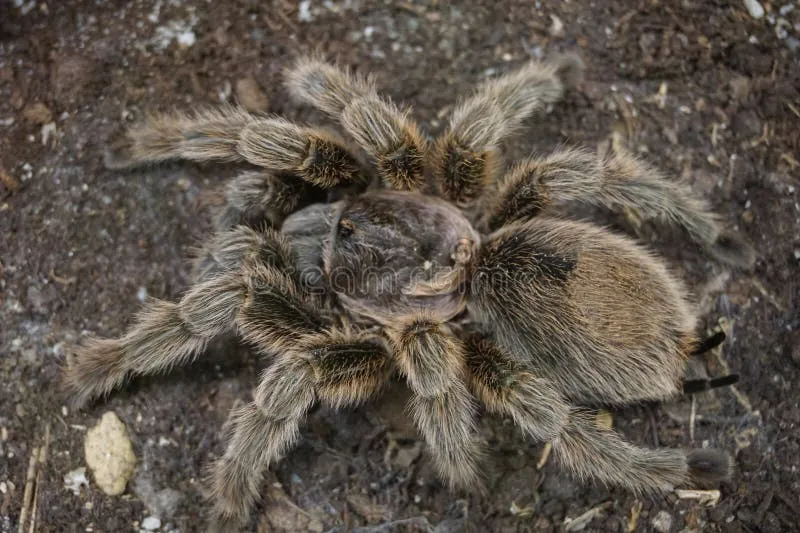
Light Brown Tarantula Care Guide
The light brown tarantula, a captivating and relatively docile species, has become a popular choice for both novice and experienced arachnid enthusiasts. Their striking appearance, coupled with a manageable temperament, makes them a rewarding pet. This comprehensive guide delves into every aspect of caring for your light brown tarantula, from choosing a healthy specimen to creating an optimal living environment and understanding their unique needs. By following these guidelines, you can ensure your tarantula thrives, providing you with years of fascinating observation and enjoyment. Proper care is not merely about survival it is about fostering a life of well-being for your eight-legged companion. Careful consideration of their natural habitat and behaviors is key to their health and happiness.
Choosing Your Light Brown Tarantula
Selecting the right light brown tarantula is the first and arguably most important step. Start by researching reputable breeders or pet stores specializing in arachnids. Avoid purchasing from sources that appear to prioritize profit over the well-being of their animals. A healthy tarantula is active, alert, and displays no signs of injury or illness. Observe the tarantula’s behavior and physical condition. Look for a robust, well-fed spider with no missing legs or obvious deformities. A tarantula that is skittish or sluggish could be an indication of stress or underlying health issues.
Where to Buy a Light Brown Tarantula

The best place to purchase a light brown tarantula is from a reputable breeder or a specialized pet store. These sources often have a deeper understanding of tarantula care and can provide you with valuable information about the specific spider you are considering. Online marketplaces can be an option, but exercise extreme caution. Always check reviews and ensure the seller prioritizes the health and safe shipping of the tarantula. Avoid buying from chain pet stores, as the staff may not be as knowledgeable about tarantula care. Look for breeders who are passionate about their animals and are willing to answer your questions.
Healthy Light Brown Tarantula Characteristics
A healthy light brown tarantula should exhibit specific characteristics. These include a plump abdomen, indicating that the spider is well-fed. The carapace (the top part of the cephalothorax) should be smooth and free of dents or damage. The legs should be intact, and the spider should move with ease and confidence. Look for clear, bright eyes. Avoid spiders that appear lethargic, have a shrunken abdomen, or show signs of parasites, such as mites. A healthy tarantula will also react quickly to stimuli, such as tapping on the enclosure. Before committing to a purchase, ask the seller to feed the spider in front of you to ensure it has a healthy appetite.
Setting Up the Perfect Enclosure
Creating the right habitat is essential for your light brown tarantula’s well-being. The enclosure should mimic the spider’s natural environment, providing a sense of security and promoting healthy behavior. This includes selecting the correct size and type of enclosure, choosing appropriate substrate, and maintaining the ideal temperature and humidity levels. The setup also involves providing essential accessories, such as hides and water dishes. A well-designed enclosure reduces stress on your tarantula and allows you to observe their fascinating behaviors. Remember, the goal is to replicate their natural environment as closely as possible.
Enclosure Size and Type

The size and type of enclosure depend on the size of your light brown tarantula. For slings (baby tarantulas), a small, clear plastic container with ventilation holes is ideal. As the tarantula grows, it will need a larger enclosure. A general rule is to provide an enclosure that is at least three times the tarantula’s leg span in width. Glass terrariums or acrylic enclosures are popular choices for adult tarantulas. Ensure the enclosure has a secure lid to prevent escapes. Front-opening enclosures can be easier to access for feeding and cleaning. Avoid enclosures with screen tops, as they can make it difficult to maintain humidity. The goal is to provide enough space for the tarantula to move around comfortably and feel secure.
Substrate Selection
The substrate is the bedding material that lines the bottom of the enclosure. It serves several purposes, including providing a surface for the tarantula to walk on, helping to maintain humidity, and offering a place for the tarantula to burrow. For light brown tarantulas, a substrate that holds moisture well is recommended. Good options include a mixture of peat moss, coconut fiber, and a small amount of vermiculite. Avoid using substrates that can be harmful to the tarantula, such as cedar shavings or sand. The depth of the substrate should be at least twice the tarantula’s leg span. This allows the tarantula to burrow if it chooses to. Regularly check the substrate for cleanliness and replace it as needed.
Temperature and Humidity Control
Maintaining the correct temperature and humidity levels is crucial for the health of your light brown tarantula. The ideal temperature range is typically between 75 and 85 degrees Fahrenheit (24 to 29 degrees Celsius). Use a thermometer to monitor the temperature inside the enclosure. Avoid placing the enclosure in direct sunlight or near heat sources, which can cause the temperature to fluctuate. Humidity levels should be maintained between 60% and 70%. You can measure humidity using a hygrometer. To increase humidity, mist the enclosure with dechlorinated water a few times a week, or provide a water dish and ensure the substrate remains slightly moist. Proper temperature and humidity will help the tarantula to molt successfully and stay healthy.
Essential Enclosure Accessories

Providing essential accessories enhances your light brown tarantula’s enclosure. A hide, such as a piece of cork bark or a half log, gives the tarantula a place to retreat and feel secure. This reduces stress and allows the tarantula to exhibit its natural behaviors. A shallow water dish is essential for providing fresh water. Ensure the water dish is shallow enough that the tarantula can easily access the water, but not so deep that it could drown. Add some artificial or live plants to provide additional hiding places and help maintain humidity. Avoid using sharp or abrasive decorations that could injure the tarantula. Arrange the accessories in a way that allows the tarantula to move freely and explore its environment.
Feeding Your Light Brown Tarantula
Proper nutrition is essential for your light brown tarantula’s growth, development, and overall health. Light brown tarantulas are carnivorous and primarily feed on insects. Understanding their dietary needs and feeding habits is vital to their care. Overfeeding or underfeeding can lead to health problems. The size and frequency of feeding vary depending on the tarantula’s age and size. Regularly observe your tarantula’s feeding habits to ensure they are getting the right amount of food. A healthy appetite is a good sign of a healthy tarantula.
What to Feed Your Light Brown Tarantula
The primary food source for light brown tarantulas should be insects. Good choices include crickets, mealworms, and roaches. The size of the insects should be appropriate for the size of the tarantula. As a general rule, the prey item should be no larger than the tarantula’s body. Avoid feeding wild-caught insects, as they may carry parasites or pesticides. You can purchase feeder insects from pet stores or online suppliers. Dust the feeder insects with a calcium supplement to provide essential nutrients. Variety in the diet can be beneficial, so consider offering a mix of different insects to ensure your tarantula gets a balanced diet. Always remove any uneaten food after 24 hours to prevent mold growth.
Feeding Frequency

Feeding frequency depends on the age and size of your light brown tarantula. Spiderlings should be fed more frequently, typically every other day. As the tarantula matures, you can reduce the feeding frequency. Sub-adults and adults can be fed once or twice a week. Observe your tarantula’s abdomen. A plump abdomen indicates the tarantula is well-fed. If the abdomen appears shrunken, it may need more food. Avoid overfeeding, as this can lead to health problems. It is better to slightly underfeed than overfeed. Also, do not feed your tarantula if it is in premolt, meaning it is getting ready to molt. Feeding can stress a tarantula that is getting ready to molt.
Watering Your Tarantula
Providing a constant source of fresh water is essential for your light brown tarantula’s hydration. Use a shallow water dish, ensuring it is accessible to the tarantula. The water dish should be cleaned regularly to prevent the growth of bacteria. Some tarantulas may drink from the water dish, while others may prefer to drink from the droplets of water you mist on the enclosure walls. Ensure the substrate is slightly moist to help maintain humidity. Always use dechlorinated water. Tap water contains chlorine and other chemicals that can be harmful to tarantulas. Change the water in the dish at least twice a week to keep it fresh.
Handling and Safety
While light brown tarantulas are generally docile, handling them requires caution and respect. Avoid handling your tarantula unless absolutely necessary, as it can cause stress. Always prioritize your safety and the tarantula’s well-being. Handling should be kept to a minimum. Proper handling techniques, recognizing signs of stress, and understanding the potential risks associated with tarantula bites are all key components of responsible tarantula ownership.
Safe Handling Practices

If you need to handle your light brown tarantula, do so with caution. Avoid sudden movements and approach the tarantula slowly. Never try to grab the tarantula; instead, gently encourage it onto your hand. Always handle the tarantula over a soft surface, such as a bed or a couch, in case it falls. Be aware of the tarantula’s behavior. If it appears agitated, it is best to leave it alone. Avoid handling the tarantula immediately after feeding or during molting, as it is more vulnerable at these times. Always wash your hands thoroughly before and after handling your tarantula.
Recognizing Stress and Aggression
Knowing the signs of stress and aggression is crucial for safe handling. A stressed tarantula may flick its hairs (urticating hairs), which can cause irritation. It may also raise its front legs in a defensive posture or try to flee. If the tarantula displays these behaviors, it is best to leave it alone. Avoid provoking the tarantula or making sudden movements. Be aware of the tarantula’s fangs. While light brown tarantulas are not considered to be highly venomous to humans, a bite can be painful. Seek medical attention if you are bitten. Be patient and observant when handling your tarantula, and always respect its space.
Molting and Growth
Molting is a natural and essential process for light brown tarantulas, allowing them to grow and replace their exoskeletons. Understanding this process and providing the appropriate care during molting is crucial for your tarantula’s health and survival. Preparing for the molt and providing a safe environment are the best ways to support a successful molt.
Understanding the Molting Process

Tarantulas molt periodically throughout their lives, shedding their old exoskeleton to grow a new one. Before molting, the tarantula will typically stop eating and become less active. Its abdomen may appear darker and larger. The tarantula may also construct a web mat in preparation for the molt. The molting process can take anywhere from a few hours to several days. During this time, the tarantula is extremely vulnerable. Avoid disturbing the tarantula while it is molting. The new exoskeleton will be soft and fragile at first, so it is essential to avoid handling the tarantula until it has hardened.
Caring for a Molting Tarantula
During the molting process, it is crucial to provide a safe and undisturbed environment. Avoid feeding the tarantula and ensure the enclosure has adequate humidity. If the enclosure is dry, mist it lightly with water to increase humidity. Do not attempt to assist the tarantula with its molt, as this could cause serious injury. Once the tarantula has molted, allow the new exoskeleton to harden. This can take several days or even weeks. Once the exoskeleton has hardened, you can resume feeding the tarantula. Dispose of the old exoskeleton once the tarantula has fully recovered.
Common Health Issues
Like any pet, light brown tarantulas can be susceptible to certain health issues. Recognizing these potential problems and knowing how to address them is an important aspect of responsible tarantula care. Some common health issues include parasites, fungal infections, and impaction. Understanding the signs and symptoms of these ailments will help you provide the best possible care for your tarantula. Prevention is key, so make sure the enclosure is clean and proper care is maintained.
Identifying and Treating Common Diseases

Common diseases affecting light brown tarantulas include fungal infections, parasitic mites, and impaction. Fungal infections often result from poor enclosure hygiene or excessive humidity. Signs include discoloration of the exoskeleton and lethargy. Parasitic mites are tiny, often red, and can be seen crawling on the tarantula’s body. Impaction occurs when a tarantula cannot pass waste. Treatment varies depending on the ailment. Fungal infections may require antifungal treatments and improved enclosure hygiene. Mite infestations may be treated with specific mite control products, and impaction may require a change in diet or veterinary intervention. Early detection is key to successful treatment, so observe your tarantula regularly for any unusual signs.
Preventative Care
Preventing health issues is the best approach to keeping your light brown tarantula healthy. Maintaining a clean and appropriately humid enclosure is the first line of defense against fungal infections. Regularly remove uneaten food and clean the enclosure of waste. Quarantine new tarantulas to prevent the spread of potential parasites or diseases. Ensure a proper diet. Providing a varied diet and avoiding overfeeding can also prevent impaction. Monitor your tarantula’s behavior and appearance. Early detection of any potential health issues makes treatment more effective. If you notice any unusual signs, consult with a veterinarian specializing in exotic animals. Regular checkups are also beneficial.
Breeding Light Brown Tarantulas
Breeding light brown tarantulas is a rewarding experience but requires considerable knowledge and preparation. It’s a complex process involving careful monitoring and optimal environmental conditions. Successful breeding relies on understanding the tarantula’s life cycle, preparing the spiders for mating, and providing proper care for the eggs and spiderlings. Be prepared for a significant time and resource commitment to ensure the well-being of both the adult tarantulas and their offspring.
Sexing Your Tarantula
Before you can breed light brown tarantulas, you need to determine their sex. The most reliable method is to examine the exuviae (molted exoskeleton) of the tarantula. On the underside of the exuviae, you can find the spermathecae in females, which appear as two small sacs. Males typically have a small hook on their front legs (pedipalps) used for mating. You can also use a microscope to examine the epigastric furrow of the tarantula. If you are not experienced, it is best to seek guidance from a knowledgeable breeder or veterinarian specializing in arachnids. Accurate sexing is essential for successful breeding.
Mating and Egg Sac Care
Mating light brown tarantulas requires careful planning and monitoring. Place the female and male in the same enclosure, ensuring the male is larger and has been fed recently. The male will approach the female and attempt to mate. Monitor the mating process closely, and separate the tarantulas after mating to prevent the female from eating the male. After mating, the female will produce an egg sac, which she will guard. Maintain the appropriate temperature and humidity levels for the egg sac. After about a month, the spiderlings will hatch. Provide a suitable environment with plenty of food for the spiderlings. The process of breeding a light brown tarantula is a long and fulfilling one, but requires careful planning and attention to detail.