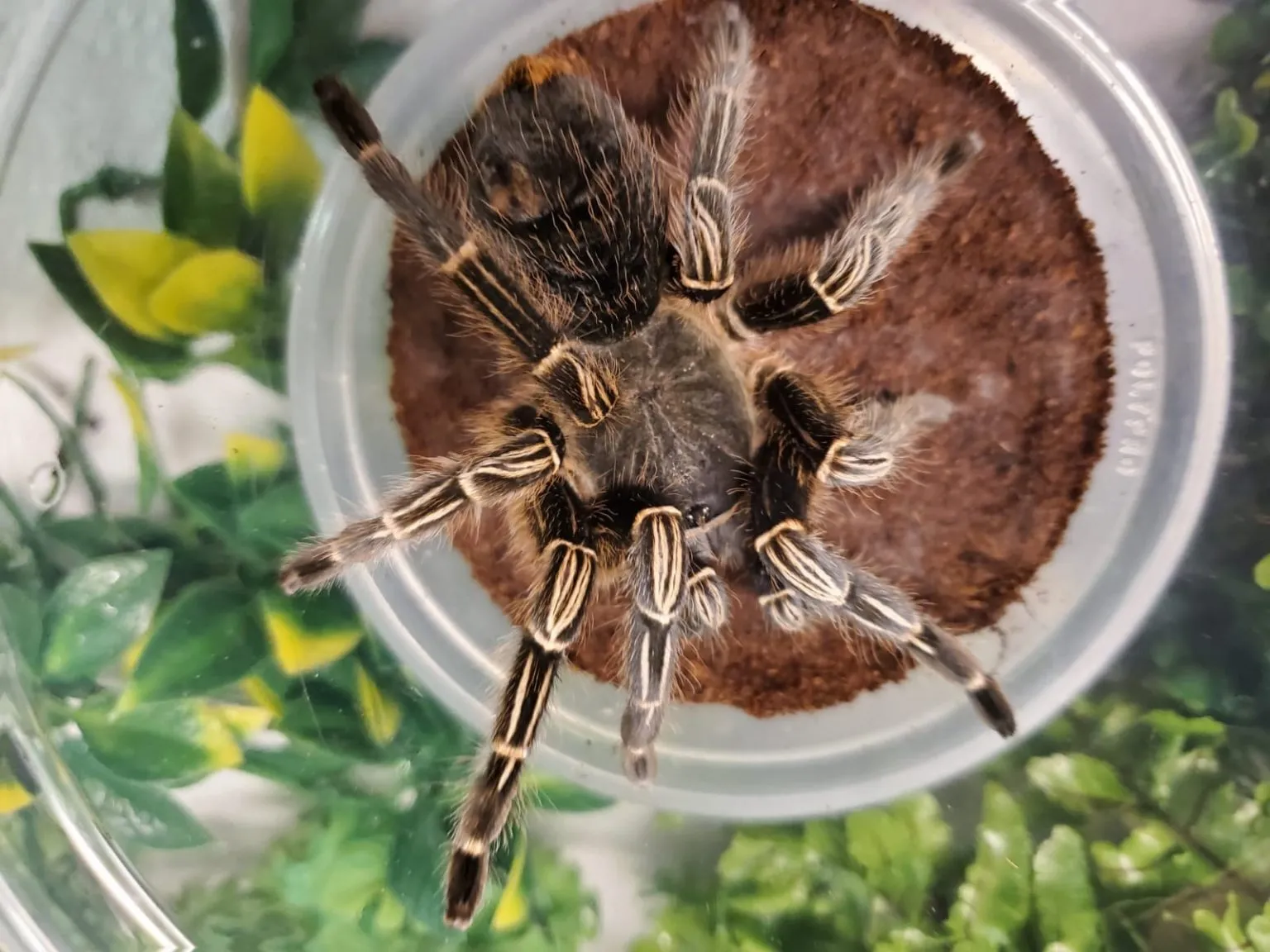
Designing the perfect enclosure for your Striped Knee Tarantula (Aphonopelma seemanni) is crucial for its health and well-being. This guide provides a comprehensive overview of the key elements to consider when creating a comfortable and enriching habitat for your pet. From temperature and humidity to enclosure size and substrate, we’ll cover everything you need to know to ensure your tarantula thrives. Proper design not only enhances their quality of life but also allows you to observe their fascinating behaviors.
Understanding Striped Knee Tarantulas Needs
Before designing the enclosure, it’s essential to understand the specific needs of the Striped Knee Tarantula. This species, native to Central America, requires a habitat that mimics its natural environment. Key factors include appropriate temperature, humidity, and a secure, stimulating environment.
Temperature Requirements
Temperature is a critical factor in the health and activity of your Striped Knee Tarantula. They are ectothermic, meaning they rely on external heat sources to regulate their body temperature. Maintaining the correct temperature range is vital for their metabolism, digestion, and overall well-being.
Optimal Temperature Range

The ideal temperature range for a Striped Knee Tarantula enclosure is typically between 75°F and 85°F (24°C and 29°C). It’s important to maintain a consistent temperature within this range to avoid stressing your tarantula. Provide a slight temperature gradient within the enclosure, allowing the tarantula to choose its preferred spot.
Heating Methods
There are several ways to heat your tarantula’s enclosure. Heat mats placed on the side of the enclosure are a popular and safe choice. Avoid placing heat mats directly under the enclosure, as this can cause the substrate to dry out too quickly and potentially harm your tarantula. A ceramic heat emitter (CHE) can also be used, but it requires careful monitoring to prevent overheating. Always use a thermostat to regulate the temperature and prevent fluctuations.
Humidity Levels
Humidity plays a crucial role in the Striped Knee Tarantula’s health. While they are not as sensitive to humidity as some other species, maintaining the right level is important for successful molting and overall well-being. Humidity helps them shed their exoskeletons properly and stay hydrated.
Maintaining Humidity

To maintain the appropriate humidity level, lightly mist the enclosure with dechlorinated water every few days. The frequency of misting will depend on the ventilation and the type of substrate used. Ensure the substrate remains slightly moist, but not soaking wet. Avoid spraying the tarantula directly. Providing a water dish also contributes to humidity.
Measuring Humidity
Use a hygrometer to monitor the humidity levels in your tarantula’s enclosure. This device measures the relative humidity, which is the amount of moisture in the air. The ideal humidity range for Striped Knee Tarantulas is typically between 60% and 70%. Adjust your misting schedule based on the readings from the hygrometer to maintain the desired humidity levels.
Enclosure Design Essentials
Creating the right enclosure design goes beyond temperature and humidity. It includes the physical setup, including size, substrate, and the provision of hiding places and decorations. This will replicate their natural environment and provide enrichment for your Striped Knee Tarantula.
Enclosure Size

The size of the enclosure should be appropriate for the size of your tarantula. A general rule of thumb is to provide an enclosure that is at least three times the tarantula’s leg span in width. A juvenile Striped Knee Tarantula can be housed in a smaller enclosure, such as a 5-gallon tank, while a fully grown adult will need a larger enclosure, such as a 10- or 20-gallon tank. The height of the enclosure should be sufficient to prevent the tarantula from escaping, but it doesn’t need to be excessively tall as they are primarily terrestrial.
Substrate Selection
The substrate is the bedding material that lines the bottom of the enclosure. It serves several purposes including providing a surface for the tarantula to walk on, helping to maintain humidity, and allowing the tarantula to burrow. Suitable substrates for Striped Knee Tarantulas include a mixture of coco fiber, peat moss, and a small amount of vermiculite. Avoid using substrates that contain chemicals or that are prone to mold.
Hiding Places
Striped Knee Tarantulas are naturally reclusive creatures and require hiding places to feel secure. Provide a hide, such as a piece of cork bark, a half log, or a commercially available tarantula hide. Ensure the hide is large enough for the tarantula to comfortably fit inside but small enough that the tarantula still feels secure. Multiple hiding spots are ideal to provide choice and prevent the tarantula from feeling exposed.
Water Dish

A water dish is an essential component of the enclosure. It provides the tarantula with a source of fresh water and helps maintain humidity. The water dish should be shallow enough to prevent the tarantula from drowning, but large enough to allow the tarantula to drink comfortably. Make sure to keep the water dish clean and change the water regularly to prevent bacterial growth.
Enclosure Decorations
While Striped Knee Tarantulas don’t require elaborate decorations, adding a few natural elements can enrich their environment. Consider adding a few silk plants or artificial foliage to provide additional hiding places and aesthetic appeal. Avoid using sharp or abrasive decorations that could potentially harm the tarantula during molting. Ensure any decorations are securely placed to prevent them from falling and injuring the tarantula.
Ventilation Strategies
Adequate ventilation is crucial for the health of your Striped Knee Tarantula. Proper airflow prevents the buildup of stagnant air, which can lead to mold and bacterial growth. It also helps to regulate humidity levels and reduce the risk of respiratory issues. The enclosure design should incorporate features to facilitate good ventilation.
Airflow Importance

Good airflow helps to prevent the buildup of stale air and harmful gases in the enclosure. It also helps to regulate humidity levels by preventing excessive moisture buildup, which can lead to mold and fungal growth. Adequate ventilation is particularly important in enclosures with higher humidity levels.
Ventilation Methods
Effective ventilation is achieved through a combination of airflow design features. Enclosures should have ventilation holes or mesh on the top and sides to facilitate cross-ventilation. The number and size of ventilation holes should be appropriate for the enclosure size. Avoid enclosures with poor ventilation or excessive condensation. Ensure the ventilation is sufficient without causing drafts or excessive drying of the substrate.
Enclosure Maintenance
Regular maintenance is essential for maintaining a healthy environment for your Striped Knee Tarantula. This includes cleaning the enclosure, replacing the substrate, and maintaining the water dish. Proper maintenance practices will help prevent disease and ensure your tarantula thrives.
Cleaning Schedule

Establish a regular cleaning schedule to maintain a hygienic environment. Spot-clean the enclosure as needed, removing any uneaten food, dead insects, or waste. A complete cleaning, including substrate replacement, should be done every few months, or more frequently if needed. Be careful not to disturb your tarantula too much and handle it with care or, ideally, not at all.
Substrate Replacement
The substrate should be replaced periodically to prevent the buildup of waste products and to maintain optimal humidity levels. The frequency of substrate replacement depends on the type of substrate and the size of the enclosure. Replace the entire substrate every 3–6 months, or sooner if there is excessive mold or odor. When replacing the substrate, carefully remove the tarantula from the enclosure and place it in a secure container.
Water Dish Maintenance
The water dish should be cleaned and refilled regularly. Change the water every 1–2 days to prevent the growth of bacteria and other microorganisms. Rinse the water dish with warm water and a mild soap, then rinse thoroughly before refilling it. Make sure to use dechlorinated water to avoid harming your tarantula. Keeping the water dish clean is an important part of the enclosure maintenance routine.
By following these guidelines, you can create a thriving environment for your Striped Knee Tarantula. Careful attention to temperature, humidity, enclosure design, and regular maintenance will contribute significantly to the health and longevity of your pet. Enjoy the fascinating world of these amazing arachnids!