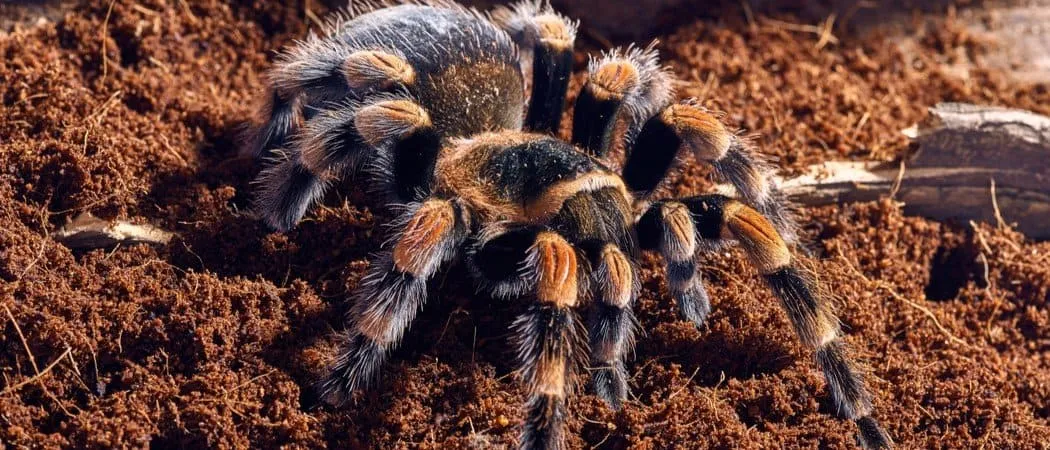
The red knee tarantula (Brachypelma hamorii) is a popular pet tarantula, known for its docile temperament and striking appearance. Native to the arid scrublands of Mexico, these arachnids are relatively easy to care for, making them an excellent choice for both beginner and experienced tarantula keepers. This comprehensive guide will walk you through every aspect of red knee tarantula care, from selecting your first spider to maintaining its health and well-being.
Choosing Your Red Knee Tarantula
The first step in caring for a red knee tarantula is, of course, acquiring one. Researching reputable breeders or pet stores is crucial to ensure you get a healthy specimen. Avoid purchasing tarantulas from unreliable sources, as they may not be properly cared for, and the tarantula may have underlying health issues. A healthy tarantula will be active, have a plump abdomen, and have all its legs.
Where to Buy Your Red Knee Tarantula
There are several options for acquiring a red knee tarantula. Local reptile and exotic pet stores are a good place to start, offering the advantage of seeing the tarantula in person before purchasing. Online breeders specializing in tarantulas provide a wider selection and often have more information about the tarantula’s lineage. Always research the breeder or store’s reputation before making a purchase, checking reviews and ensuring they prioritize the health of their animals. Consider also attending reptile shows, where you can meet breeders and see various species.
Selecting a Healthy Tarantula

When choosing your red knee tarantula, look for signs of good health. The tarantula should be alert and responsive, not sluggish or lethargic. Check for a full abdomen, which indicates it is well-fed. Ensure all legs are present and intact, and that the tarantula moves without difficulty. Avoid tarantulas that appear thin, have a wrinkled abdomen, or show signs of parasites or mites. A healthy tarantula will be active and appear alert to its surroundings. Examine the enclosure for any signs of poor hygiene or overcrowding, as these conditions can indicate potential health issues.
Setting Up Your Red Knee Tarantula’s Habitat
Creating a suitable habitat is vital for the health and well-being of your red knee tarantula. This involves providing the right enclosure size, substrate, temperature, humidity, and decor. Proper setup will mimic the tarantula’s natural environment, reducing stress and encouraging natural behaviors like burrowing. A well-designed habitat is essential for your tarantula to thrive, helping them regulate their body temperature, feel secure, and maintain their health. This includes providing hiding spots and ensuring optimal humidity and temperature levels.
The Right Enclosure Size
The size of the enclosure depends on the size of the tarantula. For a juvenile red knee, a small plastic container or a 5-10 gallon terrarium is suitable. As the tarantula grows, you will need to upgrade to a larger enclosure. An adult red knee tarantula requires an enclosure that is at least 10-20 gallons. The enclosure should be wider than it is tall, as red knees are terrestrial tarantulas that primarily live on the ground. The height of the enclosure should be sufficient to prevent the tarantula from climbing and falling, which could be fatal.
Substrate Creating a Comfortable Environment

Substrate is the bedding material that covers the bottom of the enclosure. The best substrate for a red knee tarantula is a mix of peat moss, coconut fiber, and a small amount of vermiculite. This mixture retains moisture well, helping to maintain the necessary humidity levels. The substrate should be deep enough for the tarantula to burrow, typically 4-6 inches. Avoid substrates like cedar or pine shavings, which can be toxic to tarantulas. Regularly monitor the substrate for mold or mildew and replace it as needed, typically every 6-12 months.
Temperature and Humidity
Red knee tarantulas thrive in a temperature range of 75-85°F (24-29°C). You can maintain this temperature using a heat lamp or a heat mat attached to the side of the enclosure. It is important to monitor the temperature with a thermometer to ensure it stays within the appropriate range. Humidity levels should be kept between 60-70%. You can measure the humidity using a hygrometer. To maintain humidity, mist the enclosure with water every few days or provide a water dish large enough for the tarantula to drink from.
Providing Hides and Decor
Red knee tarantulas are shy creatures and require hiding places to feel secure. Provide a hide, such as a half-log, a piece of cork bark, or a commercially available tarantula hide. You can also add other decorations, such as artificial plants and rocks, to make the enclosure more visually appealing and provide additional hiding spots. Make sure any decorations are securely placed and cannot fall on the tarantula. Avoid using sharp or rough objects that could injure your tarantula.
Feeding Your Red Knee Tarantula

Feeding your red knee tarantula is a straightforward process. Tarantulas are opportunistic predators, and their diet primarily consists of insects. Proper feeding ensures your tarantula receives the necessary nutrients for growth and maintaining overall health. Overfeeding should be avoided to prevent obesity and potential health problems. Observing your tarantula’s feeding habits and adjusting the diet accordingly is an essential part of responsible tarantula care.
What to Feed Your Tarantula
The primary food source for red knee tarantulas should be insects. Suitable options include crickets, mealworms, dubia roaches, and superworms. The size of the prey should be appropriate for the size of the tarantula; a general rule is to feed insects that are no larger than the tarantula’s body. Ensure the insects are gut-loaded before feeding them to your tarantula. Gut-loading involves feeding the insects nutritious food, such as fruits and vegetables, to provide the tarantula with essential vitamins and minerals. Avoid feeding your tarantula wild-caught insects, as they may carry parasites or pesticides.
Feeding Frequency
Feeding frequency depends on the tarantula’s age and size. Spiderlings and juvenile tarantulas should be fed 2-3 times per week. Adult tarantulas can be fed once or twice a week, or even less frequently. Observe your tarantula’s behavior; if it stops eating, it may be preparing to molt. Remove any uneaten prey after 24 hours to prevent stress to your tarantula and also to prevent the insects from bothering your tarantula while it is molting. Always provide fresh water, even if your tarantula refuses to eat for a while.
Watering Your Tarantula

Water is essential for a red knee tarantula’s survival. They obtain hydration from drinking water and humidity in their environment. Providing fresh, clean water is crucial for their health. Dehydration can be a serious issue for tarantulas, so ensuring a constant water supply is paramount for their well-being. Regularly checking and replenishing their water source is a fundamental part of their daily care routine. Also monitoring humidity in the enclosure is a key to your tarantula’s health.
Providing Fresh Water
Provide a shallow water dish with fresh, clean water at all times. The dish should be shallow enough to prevent the tarantula from drowning. Change the water regularly, at least once or twice a week, to prevent bacteria and mold growth. If you have a very small tarantula, use a bottle cap or a small, shallow dish. Make sure the water dish is stable and will not tip over. Monitor the water level and replenish it as needed.
Misting for Humidity
Misting the enclosure with water is an effective way to maintain humidity. Use a spray bottle to mist the enclosure lightly, avoiding direct spraying of the tarantula. Mist the enclosure once or twice a week, depending on the humidity levels. Make sure the substrate is slightly damp, but not waterlogged. Over-misting can lead to mold growth, which is harmful to the tarantula. You can use a hygrometer to monitor the humidity levels and adjust the misting frequency accordingly. Ensure proper ventilation to prevent excessive moisture buildup.
Handling and Safety

While red knee tarantulas are known for their docile nature, handling them should be done with caution and only when necessary. Tarantulas can be fragile and are easily injured if dropped. Bites from tarantulas, while not typically medically significant, can be painful. Understanding how to handle your tarantula safely protects both you and the spider. Always respect the tarantula’s space and be mindful of its behavior.
When to Handle
Handling should be kept to a minimum and should only be done when necessary, such as during enclosure maintenance or health checks. Avoid handling your tarantula when it is molting or preparing to molt, as it will be particularly vulnerable. If you need to handle your tarantula, do so in a safe and controlled environment, such as close to the ground. Always wash your hands thoroughly before and after handling your tarantula. Avoid sudden movements, and speak softly to avoid startling the tarantula.
Preventing Bites and Falls
To prevent bites, avoid handling your tarantula if it appears agitated or defensive. Tarantulas may raise their front legs or flick hairs from their abdomen as a warning sign. If the tarantula shows any signs of defensiveness, do not attempt to handle it. To prevent falls, always handle your tarantula close to the ground or a soft surface. Use a large container or a clear plastic bin to catch the tarantula if it falls. Never squeeze or grab the tarantula, as this can cause injury. Always supervise children when they are near the tarantula’s enclosure and teach them about responsible pet ownership.
Molting and What to Expect
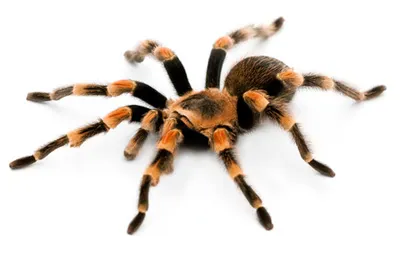
Molting is a natural process where tarantulas shed their exoskeletons to grow. This process can be stressful for the tarantula, so it’s crucial to understand the signs and provide proper care during this time. Knowing what to expect during molting helps you prepare and respond appropriately. The frequency of molting decreases as the tarantula ages, and the process itself can take anywhere from a few hours to a few days to complete, depending on the tarantula’s size and age.
Signs of Molting
Before molting, your tarantula may exhibit several behaviors. These include decreased appetite, lethargy, and a change in color. The tarantula’s abdomen may appear darker, and it may refuse to eat for several weeks before molting. You may also notice the tarantula creating a web mat in its enclosure, which it will use as a platform to molt on. The tarantula will often lie on its back during the molting process. Do not disturb the tarantula during molting, as it is a vulnerable time.
Post-Molting Care
After molting, the tarantula’s new exoskeleton will be soft and vulnerable. Do not feed your tarantula for a few days after molting, until its fangs have hardened. Provide fresh water and ensure the enclosure is at the appropriate temperature and humidity levels. Avoid handling the tarantula for a week or two after molting, to allow the exoskeleton to fully harden. You may notice the tarantula’s colors become more vibrant after molting. The discarded exoskeleton will contain a detailed replica of the tarantula, including its fangs and pedipalps.
Common Health Issues

Like all living creatures, red knee tarantulas are susceptible to certain health issues. Recognizing potential problems and taking preventative measures is key to keeping your tarantula healthy. Addressing health concerns early on can prevent serious complications. Regular observation and understanding the common ailments will help you to provide the best care for your pet.
Parasites and Mites
Tarantulas can be affected by parasites and mites. Mites are tiny, often red or white, and can be seen crawling on the tarantula’s body or in the enclosure. They feed on the tarantula’s hemolymph (blood), causing irritation and potentially transmitting diseases. If you see mites, you’ll need to take action immediately to remove them. Parasites may also be a concern and can include nematodes. If you suspect your tarantula has parasites or mites, consult with an experienced tarantula keeper or a veterinarian specializing in exotic animals.
Preventing Diseases
Preventing diseases involves maintaining a clean and healthy environment for your tarantula. Regularly clean the enclosure and replace the substrate to prevent the buildup of bacteria and mold. Ensure proper ventilation and humidity levels to prevent fungal infections. Feed your tarantula a balanced diet of nutritious insects. Avoid overfeeding, as obesity can lead to health problems. Quarantine new tarantulas for a few weeks before introducing them to your existing collection. If you notice any signs of illness, such as lethargy, loss of appetite, or unusual behavior, consult with an expert. Early detection and treatment are critical for a good outcome.
Caring for a red knee tarantula is a rewarding experience. By following these guidelines, you can provide your pet with a healthy and enriching life. Remember to always research and learn more about tarantula care to ensure you are providing the best possible environment for your eight-legged friend. With proper care and attention, your red knee tarantula can thrive for many years, offering you a fascinating glimpse into the world of arachnids.