Costa Rican Stripe Knee Tarantula: Introduction
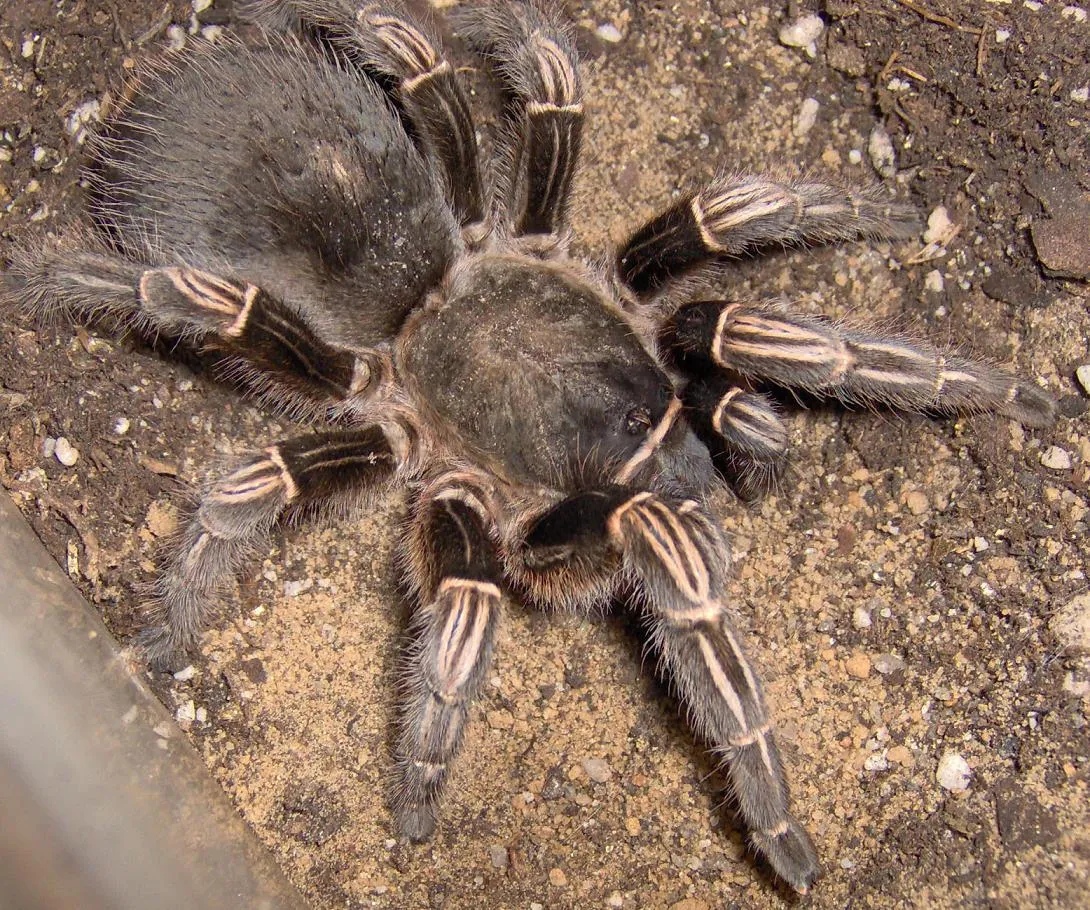
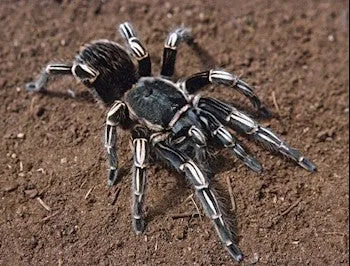
The Costa Rican Stripe Knee Tarantula (Aphonopelma seemanni) is a captivating species, known for its striking black and white striped legs and relatively docile temperament. Originating from the dry forests of Costa Rica and Nicaragua, this tarantula has become a popular choice for both novice and experienced keepers. This comprehensive guide will walk you through everything you need to know to provide the best possible care for your Costa Rican Stripe Knee Tarantula, ensuring its health, happiness, and longevity. From habitat setup and feeding to handling and health, we will cover all aspects of caring for this fascinating arachnid. Keeping a Costa Rican Stripe Knee Tarantula is a rewarding experience, allowing you to observe the unique behaviors and beauty of this amazing creature. Proper care is essential, and with the right knowledge and dedication, you can enjoy the presence of your tarantula for many years to come.
Choosing the Right Habitat for Your Tarantula
Creating a suitable habitat is the cornerstone of responsible tarantula care. The environment you provide will directly impact your tarantula’s health, behavior, and overall well-being. This involves selecting the appropriate enclosure, substrate, and furnishings to replicate the tarantula’s natural environment as closely as possible. The goal is to create a secure, comfortable, and enriching space where your tarantula can thrive. The Costa Rican Stripe Knee Tarantula, being a terrestrial species, requires a setup that caters to its ground-dwelling nature. Avoid environments that are too large or too small, and remember that the setup needs to be maintained to keep the tarantula healthy and comfortable.
Tank Size and Dimensions
The size of the enclosure is a crucial factor in your tarantula’s well-being. For a juvenile Costa Rican Stripe Knee Tarantula, a terrarium of 5 to 10 gallons is typically sufficient. As the tarantula grows, you’ll need to upgrade to a larger enclosure. For a fully grown adult, a 10 to 20-gallon tank is recommended. The key is to provide ample floor space for the tarantula to move around and establish a comfortable territory. The enclosure should be wider than it is tall, as these tarantulas are ground dwellers. Good ventilation is also important, but avoid excessive airflow, which can dry out the enclosure. The enclosure should have a secure lid to prevent escape, as tarantulas can be surprisingly adept at climbing and finding their way out. Always remember to consider the size of your tarantula when choosing the enclosure, with the general rule being to provide enough space for the tarantula to move around freely without feeling cramped.
Substrate and Furnishings
The substrate you choose serves as the foundation of your tarantula’s habitat, providing a comfortable surface for burrowing and regulating humidity. A mixture of peat moss, coconut fiber, and a bit of vermiculite is an excellent choice. This combination retains moisture while providing good drainage. Avoid substrates that are dusty or contain harmful chemicals. The substrate should be deep enough, ideally 3 to 5 inches, to allow your tarantula to burrow. Furnishings such as cork bark, artificial plants, and a hide can enhance the enclosure and provide a sense of security for your tarantula. The hide is particularly important, as it gives the tarantula a place to retreat and feel safe. Ensure that any decorations are securely placed and pose no risk of injury to your tarantula. The enclosure should mimic the natural environment as closely as possible, promoting the tarantula’s natural behaviors.
Maintaining Optimal Temperature and Humidity
Temperature and humidity are critical factors in ensuring the health and well-being of your Costa Rican Stripe Knee Tarantula. Maintaining the correct environmental conditions will help your tarantula thrive, promoting its natural behaviors and preventing health issues. Regular monitoring and adjustments are essential to ensure the environment stays within the optimal range. These tarantulas are sensitive to extreme fluctuations, and their health may decline if the conditions are not ideal. By understanding their needs, you can provide a comfortable and healthy environment that supports their growth and overall well-being.
Temperature Requirements

Costa Rican Stripe Knee Tarantulas thrive in temperatures between 75°F and 85°F (24°C and 29°C). A consistent temperature is more important than a specific number within this range. You can use a heat mat placed on the side of the enclosure or a low-wattage heat lamp to maintain the ideal temperature. Always monitor the temperature using a thermometer to ensure it remains within the acceptable range. Avoid placing the heat source directly on the bottom of the enclosure, as this can overheat the substrate and potentially harm your tarantula. Ensure that the temperature gradient is not too extreme; a gentle temperature difference can be beneficial.
Humidity Levels
Humidity is crucial for successful molting. The ideal humidity range for Costa Rican Stripe Knee Tarantulas is between 60% and 70%. You can achieve this by lightly misting the substrate with dechlorinated water every few days. Avoid over-misting, as this can lead to mold growth. A hygrometer is essential for monitoring humidity levels accurately. Ensure adequate ventilation to prevent excessive humidity buildup. If the humidity is too low, your tarantula may have difficulty molting. Conversely, if it is too high, the tarantula may experience health problems, such as fungal infections. Regular monitoring is vital to make necessary adjustments, keeping the humidity level consistent.
Feeding Your Costa Rican Stripe Knee Tarantula
Proper nutrition is essential for the health and growth of your Costa Rican Stripe Knee Tarantula. Providing a balanced diet and adhering to a regular feeding schedule are crucial aspects of responsible tarantula care. Tarantulas have specific dietary needs, and understanding what and how much to feed them will ensure they thrive. The following information offers insight into the feeding requirements of your Costa Rican Stripe Knee Tarantula, helping to keep it healthy and happy. The type of food given will also need to match the size of the tarantula, and the frequency will vary based on the age and activity of your spider. The tarantula’s health also can affect the food and the amount.
Diet and Feeding Frequency

Costa Rican Stripe Knee Tarantulas are primarily insectivores. Their diet should consist mainly of insects. Appropriate food items include crickets, roaches, mealworms, and superworms. The size of the prey should be appropriate for the size of your tarantula; the general rule is to feed prey that is no larger than the tarantula’s body. For juvenile tarantulas, feed them two to three times per week. Adult tarantulas can be fed once a week or every other week. Remove any uneaten prey within 24 hours to prevent stress and potential harm to the tarantula. Always ensure the insects are gut-loaded before feeding them to your tarantula. This is achieved by feeding the insects nutritious food items for at least 24 hours before offering them to your pet. Gut-loading improves the nutritional value of the prey, benefiting your tarantula.
Water and Hydration
Fresh water is essential for your tarantula’s hydration. Provide a shallow water dish, such as a bottle cap, filled with clean, dechlorinated water. Change the water regularly, typically once or twice a week, to prevent contamination. Juvenile tarantulas may benefit from having the substrate lightly misted instead of a water dish, as they can be prone to drowning in larger water sources. Always ensure the water dish is accessible but not too deep to prevent any accidents. Hydration is crucial for the tarantula to molt properly. Insufficient water can lead to difficulty molting and even death. By providing clean water and regularly monitoring your tarantula’s drinking habits, you can ensure its health and well-being.
Handling and Interaction Guidelines
While the Costa Rican Stripe Knee Tarantula is known for its relatively docile temperament, handling should be approached with caution and respect. Tarantulas are delicate creatures, and mishandling can cause injury or stress. It is important to understand their behavior, recognize signs of stress, and take appropriate precautions before interacting with your tarantula. Handling should be kept to a minimum, and only done when absolutely necessary. These tarantulas are more for observing than handling. Always prioritize the tarantula’s safety and well-being over the desire for interaction. Proper handling practices ensure the health and safety of both the tarantula and the handler.
Safe Handling Practices

If you must handle your Costa Rican Stripe Knee Tarantula, do so with extreme care and patience. Approach the tarantula slowly and gently. Avoid sudden movements that might startle the tarantula. Use a soft paintbrush or your hand to gently encourage the tarantula to walk onto your hand. Never grab or restrain the tarantula, as this can cause it to become defensive. Always handle the tarantula over a soft surface, such as a bed or carpet, to minimize the risk of injury if it falls. Wash your hands thoroughly before and after handling the tarantula to prevent the transfer of any harmful substances. Ensure that children are supervised closely when interacting with the tarantula, and teach them how to handle it safely and respectfully. Always prioritize the tarantula’s comfort and well-being.
Recognizing and Avoiding Stress
Understanding your tarantula’s behavior and recognizing signs of stress is essential for providing proper care. A stressed tarantula may exhibit certain behaviors, such as flicking its legs, raising its front legs in a defensive posture, or attempting to flee. Avoid handling the tarantula if it displays these signs of stress. Other signs of stress include loss of appetite, refusal to eat, or excessive hiding. Provide a secure and stable environment with minimal disturbances to reduce stress. Avoid loud noises, sudden movements, and bright lights near the enclosure. Ensure the enclosure is clean and properly maintained to prevent discomfort. Providing the proper environment and limiting unnecessary handling can help minimize stress and ensure the tarantula is calm and healthy.
Common Health Issues and Prevention
Like all living creatures, Costa Rican Stripe Knee Tarantulas can be susceptible to certain health issues. Recognizing potential problems early and taking preventative measures is essential for maintaining the health and longevity of your tarantula. Regular observation, proper habitat maintenance, and providing appropriate care can significantly reduce the risk of illness. Being proactive can help you address issues promptly and ensure your tarantula lives a long, healthy life. Paying close attention to the environment, the tarantula’s behavior, and its overall well-being is key to preventing any possible health problems.
Signs of Illness

It is important to be able to recognize when your tarantula may be sick. Loss of appetite can be a sign of illness or stress. Lethargy, or a lack of activity, is also cause for concern. Difficulty molting can be a sign of underlying health issues or improper environmental conditions. If your tarantula is exhibiting any of these symptoms, it is essential to investigate the cause. Other signs of illness include unusual posture, such as a loss of balance or inability to move properly. If you notice anything unusual, consult a veterinarian specializing in exotic pets. It is important to act promptly to address any health concerns to ensure the best possible outcome for your tarantula.
Preventative Measures
Preventing health issues is always easier than treating them. Maintaining a clean and properly maintained habitat is crucial. Provide a balanced diet and avoid overfeeding. Ensure optimal temperature and humidity levels to promote healthy molting and overall well-being. Regularly inspect the enclosure for mold, pests, and other potential issues. Quarantine new tarantulas before introducing them to your collection to prevent the spread of any potential diseases. Avoid handling the tarantula excessively to minimize stress. Always wash your hands before and after handling the tarantula to prevent the transfer of any harmful substances. By taking these preventative measures, you can help your Costa Rican Stripe Knee Tarantula stay healthy and thrive.
Costa Rican Stripe Knee Tarantula: Conclusion
Caring for a Costa Rican Stripe Knee Tarantula can be a rewarding and fulfilling experience. By understanding their needs, creating a suitable habitat, providing proper nutrition, and handling them with care, you can ensure the health, happiness, and longevity of your tarantula. Remember to be patient, observant, and always prioritize the tarantula’s well-being. With dedication and the right knowledge, you can enjoy the unique beauty and fascinating behaviors of these amazing creatures for many years to come. By following the guidelines outlined in this guide, you will be well-equipped to provide the best possible care and create a thriving environment for your Costa Rican Stripe Knee Tarantula, resulting in a healthy and happy pet.