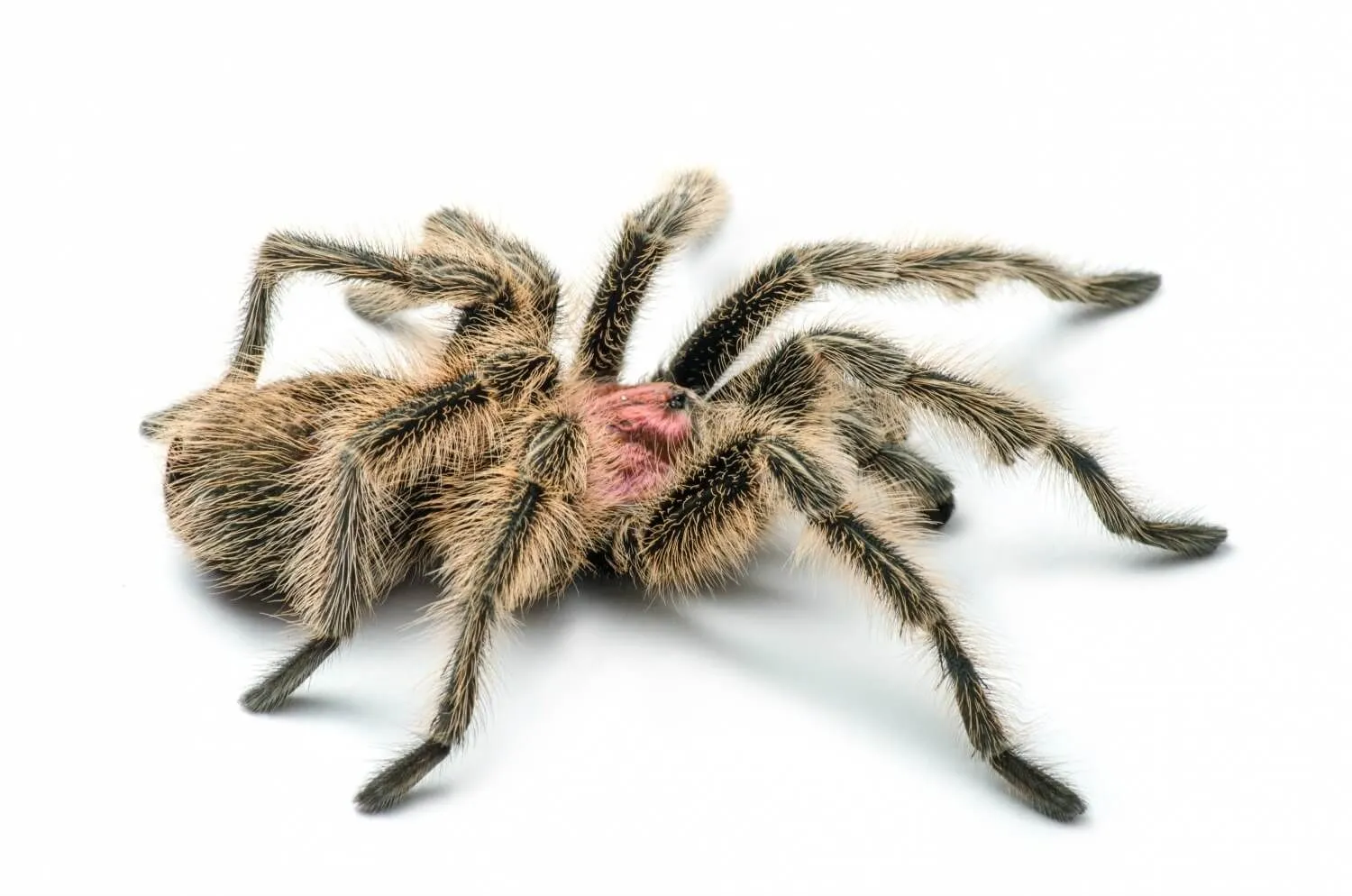
Choosing Your Chilean Rose Hair Tarantula (CRHT)
The Chilean Rose Hair Tarantula (Grammostola rosea), also known as the Rose Hair Tarantula, is a popular choice for beginner tarantula keepers due to its docile nature and relatively easy care requirements. Before bringing one home, it’s crucial to understand what to look for in a healthy specimen and where to source your new pet. This guide provides a comprehensive overview of everything you need to know to ensure your Chilean Rose Hair Tarantula thrives. Properly selecting and caring for your tarantula is key to its longevity and well-being. By understanding the specific needs of this species, you can create an environment where your tarantula can live a long, healthy, and fulfilling life. Remember, responsible pet ownership is about providing the best possible care based on the species’ unique requirements.
Selecting a Healthy CRHT
When choosing a Chilean Rose Hair Tarantula, examine the spider carefully. Look for a tarantula that is alert and active, showing a good response to its environment. The abdomen should be plump, not shrunken, indicating proper hydration and nutrition. Avoid tarantulas with any missing limbs, as this can be a sign of a recent molt or potential injury. Check for any signs of mites or other parasites, which can be visible as small, moving specks. A healthy tarantula will have a shiny carapace (the top part of its body) and clear eyes. Also, be aware of the tarantula’s overall demeanor. A tarantula that appears lethargic or unresponsive could be ill. Consider the tarantula’s size in relation to its age. A tarantula that seems too small for its age may not be receiving adequate care. Always prioritize the health and well-being of the tarantula when making your selection.
Where to Buy Your Tarantula

The best place to buy a Chilean Rose Hair Tarantula is from a reputable breeder or a specialized pet store that focuses on exotic pets. These sources are more likely to provide healthy tarantulas and accurate information about their care. Avoid purchasing from mass-market pet stores, as they may not have the specialized knowledge or resources to properly care for tarantulas. Check online reviews and forums to research breeders and pet stores before making a purchase. Ask questions about the tarantula’s origin, age, and feeding history. If possible, visit the breeder or store in person to observe the tarantulas and their living conditions. This allows you to assess their health and the quality of care provided. Buying from a local breeder can be beneficial, as you can build a relationship and receive ongoing support. Be wary of sellers who cannot answer your questions or seem to lack experience with tarantulas.
CRHT Housing Setup
Setting up the right habitat is crucial for your Chilean Rose Hair Tarantula’s health and happiness. Their enclosure should mimic their natural environment to provide the best living conditions. This includes selecting the proper enclosure, choosing the right substrate, and incorporating decorations that provide enrichment and security. Maintaining the correct temperature and humidity levels is also vital. A well-designed enclosure creates a comfortable and safe space where your tarantula can thrive. By creating an appropriate habitat, you are contributing directly to its well-being. Take the time to research and prepare the ideal environment before bringing your CRHT home.
Choosing the Right Enclosure
The size of the enclosure should be appropriate for the size of your tarantula. A general rule is that the enclosure should be at least twice the tarantula’s leg span in width and length, and the height should be sufficient for the tarantula to move around comfortably. For a juvenile Chilean Rose Hair Tarantula, a 5-10 gallon tank is usually sufficient. As the tarantula grows, you’ll need to upgrade to a larger enclosure. Glass or acrylic enclosures are both suitable, but ensure the enclosure has good ventilation. A secure lid is essential to prevent escape. The lid should be escape-proof and well-ventilated. Avoid enclosures with sticky surfaces that could trap the tarantula’s legs. Consider the enclosure’s placement; avoid direct sunlight and drafts. Easy access for cleaning and maintenance is another important factor. Transparent enclosures make it easier to observe and monitor your tarantula. Always choose safety first, considering the tarantula’s well-being.
Substrate Selection for Your CRHT

The substrate is the bedding material in your tarantula’s enclosure, and it serves several purposes, including providing a surface for burrowing, retaining moisture, and maintaining humidity. For Chilean Rose Hair Tarantulas, a good substrate choice is a mixture of peat moss, vermiculite, and a bit of coconut fiber. This combination holds moisture well while still providing good drainage. The substrate should be deep enough for the tarantula to burrow if it chooses. Aim for a depth of at least 3-4 inches for adults. Avoid substrates that are too dusty or contain sharp particles, as these can be harmful to your tarantula. Regularly moisten the substrate to maintain the correct humidity levels. Replace the substrate entirely every few months or as needed to prevent mold and bacterial growth. Always select substrate materials that are safe and non-toxic for your tarantula. Proper substrate management is key to a healthy environment.
Decorating the Enclosure
Adding decorations to your tarantula’s enclosure provides enrichment and a sense of security. Provide a hide, such as a piece of cork bark, a hollow log, or a commercially available spider hide. This allows the tarantula to retreat and feel safe. Add some artificial plants, such as silk plants, to provide additional cover and help maintain humidity. Avoid using live plants, as they may require specific lighting and care. Ensure that any decorations are securely placed and will not fall on the tarantula. Avoid any decorations with sharp edges or small parts that the tarantula could get caught on. The goal is to create a naturalistic environment that mimics the tarantula’s natural habitat. Provide a shallow water dish for your tarantula to drink from. The decorations should complement the enclosure, not overwhelm it. Regularly clean and inspect the decorations to ensure they are free of debris and mold.
Temperature and Humidity
Chilean Rose Hair Tarantulas thrive in a temperature range of 75-85°F (24-29°C). Maintain this temperature using a heat mat placed on the side of the enclosure, not underneath, to prevent overheating. Avoid direct sunlight, which can cause the enclosure to overheat. The humidity level should be around 60-70%. Monitor humidity using a hygrometer. Increase humidity by lightly misting the substrate with water every few days. Ensure proper ventilation to prevent mold growth. Adequate ventilation is essential to avoid the buildup of harmful gases. Avoid sudden temperature or humidity changes. These can stress your tarantula. Provide a thermal gradient within the enclosure to allow your tarantula to regulate its body temperature. Regularly check the temperature and humidity levels to ensure they are within the appropriate range. Adjust as necessary.
Feeding Your Chilean Rose Hair Tarantula

Proper feeding is crucial for the health and growth of your Chilean Rose Hair Tarantula. Understanding what to feed, how often to feed, and how to provide water will ensure your tarantula receives the nutrition it needs. A well-fed tarantula is more likely to molt successfully and live a long life. The right diet and hydration are key elements of responsible tarantula care. This section explains the best practices for feeding your CRHT.
What to Feed Your CRHT
The primary diet of Chilean Rose Hair Tarantulas consists of insects. Crickets, mealworms, and roaches are readily available and nutritious options. Avoid feeding wild-caught insects, as they may carry parasites or pesticides. Always ensure the insects are gut-loaded before feeding them to your tarantula. This means feeding the insects a nutritious diet before offering them to your pet. This enhances the nutritional value of the insects. The size of the insects should be appropriate for your tarantula’s size. The insect should be no larger than the tarantula’s abdomen. Remove any uneaten insects within 24 hours to prevent stress on the tarantula. Variety in the diet is also beneficial. Occasionally, you can offer small amounts of pre-killed insects to juveniles, or even a pinkie mouse to adults (though this should be a very rare treat). Always provide a clean water source. Do not offer insects that have been in contact with pesticides.
Feeding Frequency
The feeding frequency depends on the age of your tarantula. Spiderlings (young tarantulas) should be fed 2-3 times per week. As the tarantula grows, the feeding frequency can be reduced. Adults can be fed once every 1-2 weeks. Observe your tarantula’s abdomen. A plump abdomen indicates a well-fed tarantula. A slightly shrunken abdomen may indicate the need for feeding. Avoid overfeeding, as this can lead to health problems and make molting more difficult. Adjust the feeding schedule based on the tarantula’s appetite and growth rate. If the tarantula refuses food, it may be in premolt (preparing to molt) or simply not hungry. Never force-feed your tarantula. Regularly monitor the tarantula’s feeding habits to adjust as needed. Always ensure your tarantula has access to clean water.
Watering and Hydration

Providing fresh water is essential for your Chilean Rose Hair Tarantula’s survival. Use a shallow water dish that is appropriate for the tarantula’s size. Fill the dish with clean, dechlorinated water. The water level should be shallow enough that the tarantula can easily reach it without the risk of drowning. Check the water dish daily and refill as needed. Keep the water dish clean to prevent bacterial growth. Alternatively, you can provide water by misting the enclosure. Misting is especially important during molting. Monitor the tarantula for signs of dehydration, such as a shrunken abdomen. If necessary, increase the humidity by misting more frequently. Ensure that the water source is always accessible. Never use tap water without treating it to remove chlorine and other harmful chemicals.
CRHT Molting and Growth
Molting is a natural and essential process for tarantulas. During molting, the tarantula sheds its exoskeleton to allow for growth. Understanding the molting process and providing the right care during this time is critical for your tarantula’s health. Proper care during molting ensures a successful transition and contributes to its overall well-being. This section covers everything you need to know about the molting process and how to support your tarantula during this vulnerable time.
Understanding the Molting Process
Tarantulas molt throughout their lives, but the frequency of molting decreases as they age. Young tarantulas molt more often than adults. Before molting, the tarantula will typically stop eating, become less active, and may seal itself in its burrow or hide. The abdomen may appear darker, and the tarantula may lie on its back. The molting process can take several hours, or even a day or two. During molting, the tarantula sheds its entire exoskeleton, including its outer lining, and the lining of its book lungs and mouthparts. After molting, the tarantula’s new exoskeleton will be soft and vulnerable. Avoid disturbing the tarantula during the molting process. Provide a humid environment to help the tarantula molt successfully. Do not feed the tarantula until its exoskeleton has hardened, which can take several days. The molted exoskeleton can be left in the enclosure, as the tarantula may consume it to regain nutrients.
Post-Molting Care

After molting, your tarantula will be vulnerable. The new exoskeleton is soft and needs time to harden. Do not feed the tarantula for at least a week or until its fangs have hardened. This prevents injury to the new exoskeleton. Ensure that the enclosure has appropriate humidity levels to aid in the hardening process. Provide fresh water. Observe the tarantula for any signs of problems. Do not handle the tarantula until its exoskeleton has fully hardened, as it can be easily injured. The tarantula will likely be more active and hungry after molting. Once the exoskeleton has hardened, you can resume feeding. Gradually increase the size of the prey offered. Watch for any issues that may arise during molting, such as a failed molt. If the tarantula is having difficulty molting, consult with a veterinarian or experienced tarantula keeper. Give your tarantula the necessary time and space to recover.
Handling and Safety
While Chilean Rose Hair Tarantulas are known for their docile nature, it’s important to handle them with caution and respect. Understanding how to handle your tarantula safely is essential for both your well-being and the tarantula’s. Proper handling practices minimize the risk of injury to both you and your pet. This section covers safe handling practices, recognizing stress signs, and what to do if bitten.
Safe Handling Practices
Handling a Chilean Rose Hair Tarantula is generally safe, but always approach with caution. The best practice is to avoid handling unless necessary, such as for enclosure cleaning or health checks. If you must handle your tarantula, do so close to the ground. This minimizes the distance the tarantula could fall. Gently coax the tarantula onto your hand using a soft brush or a gentle nudge. Avoid touching the tarantula’s fangs or any sensitive parts. Support the tarantula’s body to prevent it from falling. Wash your hands thoroughly before and after handling. Handling should be brief and infrequent to minimize stress on the tarantula. Be aware of the tarantula’s behavior and body language. If the tarantula appears agitated or defensive, do not attempt to handle it. Consider wearing gloves, especially if you are new to tarantula handling. Always supervise children when they are near the tarantula.
Recognizing Stress Signs

Tarantulas can exhibit signs of stress, which can indicate that something is wrong. Recognizing these signs is crucial for ensuring your tarantula’s well-being. If your tarantula is flicking hairs from its abdomen, it is a sign of defense and agitation. This is a warning sign and indicates that it feels threatened. Curling up into a defensive position is another sign of stress. The tarantula may raise its front legs. Rapid movement or erratic behavior can also signal stress. If your tarantula stops eating or refuses food for an extended period, it could be a sign of stress or illness. Loss of appetite can be a sign of stress. Look for changes in the tarantula’s color or appearance. A tarantula that appears dull or listless may be stressed. If you observe any of these signs, reassess the enclosure and your care routine. Try to identify any potential stressors, such as changes in temperature, humidity, or disturbances. Give the tarantula space and time to recover. Consult with a veterinarian or experienced tarantula keeper if the stress signs persist.
Common Health Issues
While Chilean Rose Hair Tarantulas are relatively hardy, they can still be susceptible to health problems. Being aware of common health issues and how to prevent them will help you provide the best care for your pet. Common issues include mites, fungal infections, and injuries. Proper care and attention to detail are essential for preventing these issues and ensuring your tarantula’s health and longevity. Understanding the potential health risks and preventive measures contributes to the overall well-being of your tarantula. This section covers the most common health problems and how to address them.
Preventing Health Problems
Maintaining a clean and appropriate environment is the first line of defense against health problems. Regularly clean the enclosure and replace the substrate to prevent the growth of mold and bacteria. Inspect your tarantula regularly for any signs of illness or injury. Providing a varied diet and avoiding overfeeding helps prevent nutritional deficiencies. Maintain the correct temperature and humidity levels. Quarantine any new tarantulas before introducing them to your existing collection. Always wash your hands before and after handling your tarantula. Ensure good ventilation to prevent the buildup of harmful gases. If you introduce any new objects into the enclosure, make sure they are clean and non-toxic. Provide a proper environment for molting to reduce the risk of a failed molt. Educate yourself on tarantula health and common diseases. Prompt intervention and a good understanding of your tarantula’s needs can prevent many health issues.
When to Seek Veterinary Care

While Chilean Rose Hair Tarantulas are generally self-sufficient, there are times when veterinary care is necessary. If you notice any signs of illness, such as lethargy, loss of appetite, or unusual behavior, consult a veterinarian. If your tarantula is injured, such as a broken leg or a wound, seek veterinary care. If your tarantula is having difficulty molting, this could indicate a serious problem. A veterinarian can provide assistance. If you see any signs of parasites, like mites, consult a vet immediately. Not all vets have experience with tarantulas. Find a veterinarian who specializes in exotic pets, or one who has experience with invertebrates. Be prepared to transport your tarantula safely to the vet. Ensure the enclosure is secure. Be prepared to provide information about your tarantula’s care and the problem you are observing. Prompt veterinary care can save your tarantula’s life and improve its overall health.