Understanding the Blue Cobalt Tarantula (Cyriopagopus lividus)
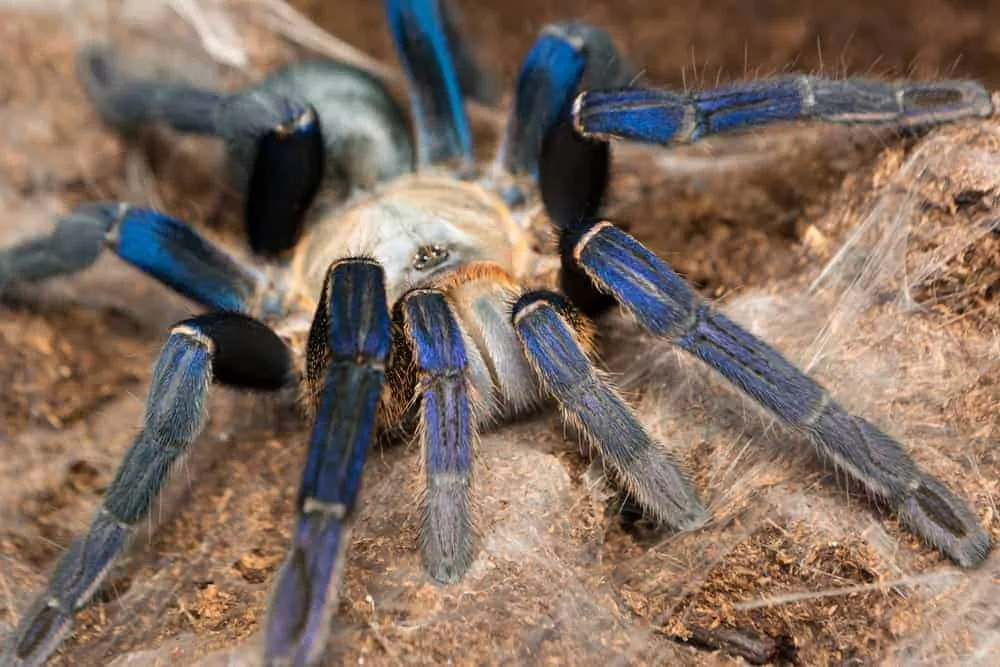
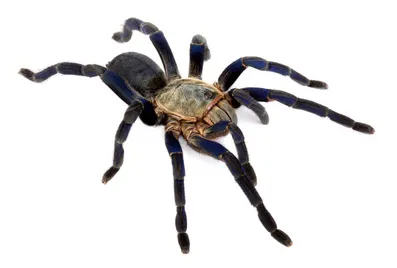
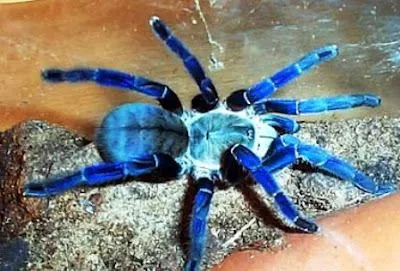
The Blue Cobalt Tarantula, scientifically known as Cyriopagopus lividus, is a striking and captivating arachnid that has gained popularity among tarantula enthusiasts. Native to the tropical forests of Myanmar and Thailand, these spiders are renowned for their vibrant blue coloration, especially noticeable on their legs. This species is a terrestrial tarantula, meaning it spends most of its time on the ground. While their appearance is undeniably attractive, it’s essential for potential owners to understand their specific care requirements to ensure a healthy and fulfilling life for these fascinating creatures. This beginner’s guide will provide you with all the necessary information to successfully care for your Blue Cobalt Tarantula, covering everything from habitat setup to feeding and handling.
Habitat and Natural Environment of Blue Cobalt Tarantulas
Understanding the natural habitat of the Blue Cobalt Tarantula is crucial for replicating its ideal living conditions in captivity. In the wild, these tarantulas inhabit the humid, tropical forests of Southeast Asia. They typically reside in burrows or hidden areas under rocks, logs, and leaf litter. The climate in their natural environment is consistently warm and humid, with temperatures ranging from 75°F to 85°F (24°C to 29°C) and humidity levels between 70% and 80%. The substrate in their habitat is typically composed of rich, organic soil, providing a suitable environment for burrowing. Replicating these conditions as closely as possible is vital for the well-being and longevity of your pet. A well-designed enclosure will mimic the natural environment and reduce stress.
Creating the Perfect Enclosure for Your Blue Cobalt Tarantula

Creating a suitable enclosure is paramount to the well-being of your Blue Cobalt Tarantula. The enclosure should be appropriately sized, providing enough space for the tarantula to move around and feel secure. A 10-gallon tank is generally sufficient for a juvenile, while a 20-gallon long tank is recommended for adults. The enclosure should have a secure lid to prevent escape and should be well-ventilated to maintain air quality. The setup should include substrate, a water dish, and a hide or burrowing spot. Avoid overly elaborate decorations, as these can clutter the space and make it difficult for the tarantula to navigate. The goal is to create a comfortable and safe environment that meets the spider’s needs, mirroring its natural habitat as closely as possible. Remember, a stressed tarantula is more prone to health issues and may exhibit defensive behaviors.
Substrate and Setup
The substrate forms the foundation of your tarantula’s habitat. It not only provides a surface for the tarantula to walk on but also helps to maintain humidity and allows for burrowing. A suitable substrate for a Blue Cobalt Tarantula should be at least 4-6 inches deep to allow for burrowing. A mix of coconut fiber, peat moss, and a small amount of vermiculite is a popular choice, as it retains moisture well while also providing good drainage. Avoid using substrates that are treated with chemicals or that may be harmful to the tarantula. Before adding the substrate, ensure that the enclosure is clean and free of any potential hazards. Add a hide, such as a piece of cork bark or a pre-made hide, to provide a secure retreat. The hide should be placed on the surface or partially buried in the substrate, giving the tarantula a safe place to retreat when feeling threatened.
Temperature and Humidity
Maintaining the correct temperature and humidity levels is essential for the health and well-being of your Blue Cobalt Tarantula. The ideal temperature range is between 75°F and 85°F (24°C to 29°C). In most homes, this can be achieved without supplemental heating. However, if your home is consistently cooler than this range, you may need to use a heat mat placed on the side of the enclosure. Never place a heat mat directly under the enclosure, as this can cause the substrate to dry out and potentially harm the tarantula. Humidity levels should be maintained between 70% and 80%. This can be achieved by misting the enclosure with water every few days, especially near the substrate. Regular monitoring with a hygrometer and thermometer is crucial to ensure the correct conditions are maintained. Inadequate temperature or humidity can lead to health problems, such as difficulty molting.
Providing Essential Water and Food

Providing access to fresh water and a nutritious diet is vital for your Blue Cobalt Tarantula’s health. Clean water is essential for hydration, and a water dish should always be available. The water dish should be shallow to prevent the tarantula from drowning, and it should be cleaned and refilled regularly to prevent the build-up of bacteria. The size of the water dish should be appropriate for the size of the tarantula, allowing it to access the water easily. Food should be varied and provide essential nutrients. Overfeeding can lead to health problems, so it’s important to feed them according to their needs. Fresh water and appropriate food sources are vital for the tarantula’s survival.
Choosing the Right Food
Blue Cobalt Tarantulas are carnivorous and primarily feed on insects. Suitable food items include crickets, mealworms, roaches, and other commercially available feeder insects. The size of the food item should be appropriate for the size of the tarantula; the insect should be no larger than the tarantula’s body. It’s best to avoid feeding your tarantula insects that have been exposed to pesticides or insecticides. It is also important to gut-load the feeder insects with nutritious food, such as vegetables and commercial insect food, a day or two before feeding them to your tarantula. This ensures that your tarantula receives a well-rounded diet.
Feeding Schedule
The feeding frequency of your Blue Cobalt Tarantula will depend on its age and size. Juvenile tarantulas should be fed more frequently, typically every 2-3 days. Adults can be fed less frequently, about once or twice a week. Observe your tarantula’s feeding habits and adjust the frequency accordingly. If it consistently refuses food, it may be a sign that it is about to molt or that the environment is not optimal. Remove any uneaten food within 24 hours to prevent the growth of mold or mites. Always provide fresh water, especially after feeding, to assist in the digestion process. Avoid overfeeding, as it can lead to obesity and other health problems.
Handling and Safety Precautions

While Blue Cobalt Tarantulas are generally not considered highly aggressive, they possess potent venom and can inflict painful bites. Handling should be kept to a minimum and done with extreme caution. Always be aware of the spider’s behavior and body language. If it appears agitated or defensive, it’s best to leave it alone. Avoid handling, especially if you are a beginner, as bites can be painful and cause localized reactions. Always wash your hands thoroughly before and after handling. When handling, do so over a soft surface, such as a bed or a couch, in case the tarantula falls. Never underestimate the speed and reflexes of a tarantula. Proper handling minimizes the risk of harm to both the tarantula and the handler.
Risks of Handling
Handling Blue Cobalt Tarantulas carries inherent risks. The most significant risk is the possibility of being bitten. Although their venom is not typically life-threatening to humans, a bite can be very painful and cause localized symptoms such as swelling, redness, and itching. Some individuals may experience more severe reactions. Another risk is the potential for the tarantula to fall and injure itself during handling. Tarantulas are fragile, and a fall from any height can cause serious damage. Avoid handling your tarantula unless necessary, such as for enclosure maintenance. Always prioritize the safety of both the spider and the handler. Understanding these risks is crucial before attempting to handle your Blue Cobalt Tarantula.
Recognizing and Avoiding Bites
Understanding a tarantula’s behavior is key to avoiding bites. Blue Cobalt Tarantulas can exhibit defensive behaviors, such as raising their front legs, displaying their fangs, and flicking urticating hairs (tiny, irritating hairs on their abdomen) if they feel threatened. It is important to understand these signs. If you see these behaviors, it’s a clear indication that the tarantula is stressed and you should leave it alone. If you do get bitten, remain calm, and clean the bite area with soap and water. Apply a cold compress to reduce swelling and pain. Seek medical attention if you experience any severe symptoms. Prevention is the best approach, so avoid handling whenever possible and always respect the spider’s space.
Common Health Issues and How to Prevent Them
Like all living creatures, Blue Cobalt Tarantulas can be susceptible to certain health issues. Fortunately, many of these problems can be prevented with proper care. Ensuring the correct environmental conditions, providing a balanced diet, and maintaining a clean enclosure are the cornerstones of tarantula health. Common health issues include dehydration, mites, and fungal infections. Regularly inspect your tarantula for any signs of illness, such as lethargy, loss of appetite, or unusual behaviors. Promptly address any potential health concerns to prevent them from escalating into more serious problems. A healthy tarantula is a happy tarantula.
Moulting Process
Moulting is a natural and essential process for tarantulas, allowing them to grow and replace their exoskeleton. Before moulting, your Blue Cobalt Tarantula may stop eating, become less active, and may appear darker in color. They will typically flip onto their backs during the moulting process, and the old exoskeleton will split open. Do not disturb your tarantula during moulting. Provide a stable environment and avoid any stress. After moulting, the tarantula’s new exoskeleton will be soft and vulnerable. It may take several days or weeks for the new exoskeleton to harden. Do not feed the tarantula until its fangs have fully hardened. The moult provides a great opportunity to remove any uneaten food or waste from the enclosure and to assess the tarantula’s overall health and growth.
Parasites and Diseases
While Blue Cobalt Tarantulas are relatively hardy, they can be susceptible to certain parasites and diseases. Mites are a common problem that can infest tarantulas, often originating from contaminated substrate or feeder insects. Mites are visible as tiny, moving dots and can be harmful to the tarantula. If you suspect a mite infestation, isolate the tarantula and replace the substrate immediately. Fungal infections can also occur, typically due to high humidity and poor ventilation. Symptoms may include discoloration or lesions on the tarantula’s body. Maintaining a clean and well-ventilated enclosure helps to prevent both parasites and fungal infections. If you observe any signs of disease, consult with an experienced tarantula keeper or veterinarian who specializes in exotic animals.
Breeding and Reproduction (Optional)
Breeding Blue Cobalt Tarantulas is a more advanced topic and is typically undertaken by experienced keepers. This requires careful preparation, including providing the appropriate environmental conditions and matching a mature male and female. Breeding tarantulas can be complex and may involve a courtship ritual, mating, and the creation of an egg sac by the female. Success is not guaranteed. It is very important to research this activity if you plan on breeding them.
Identifying Male and Female Tarantulas
Distinguishing between male and female Blue Cobalt Tarantulas requires close examination. Females are generally larger and have a longer lifespan. A definitive way to determine the sex is to examine the underside of the tarantula after a moult. The presence of spermathecae (sperm-storage organs) indicates a female. Males possess tibial hooks on their front legs and palpal bulbs at the end of their pedipalps. These characteristics typically become visible after the final molt. Accurate sexing is essential for successful breeding.
Mating Process
If you choose to breed your Blue Cobalt Tarantulas, careful planning is essential. The male is introduced to the female’s enclosure. If the female is receptive, the mating process will begin. The male uses his palpal bulbs to deposit sperm into the female’s spermathecae. After mating, the female may become aggressive towards the male, so it’s important to remove him promptly. The female will eventually produce an egg sac, which she will guard and care for. After the eggs hatch, the spiderlings will go through several stages of development before they become independent. Breeding tarantulas is a fascinating but demanding activity.
Conclusion

Caring for a Blue Cobalt Tarantula can be a rewarding experience for both beginner and experienced keepers. By following this guide and providing the appropriate habitat, diet, and care, you can ensure that your tarantula thrives in captivity. Remember to always prioritize the safety of yourself and your pet, and to be patient and observant. With the right knowledge and dedication, you can enjoy the fascinating world of Blue Cobalt Tarantulas and witness their unique beauty and behaviors. Proper research and continuous learning are key to responsible pet ownership. Enjoy the journey of owning a Blue Cobalt Tarantula.