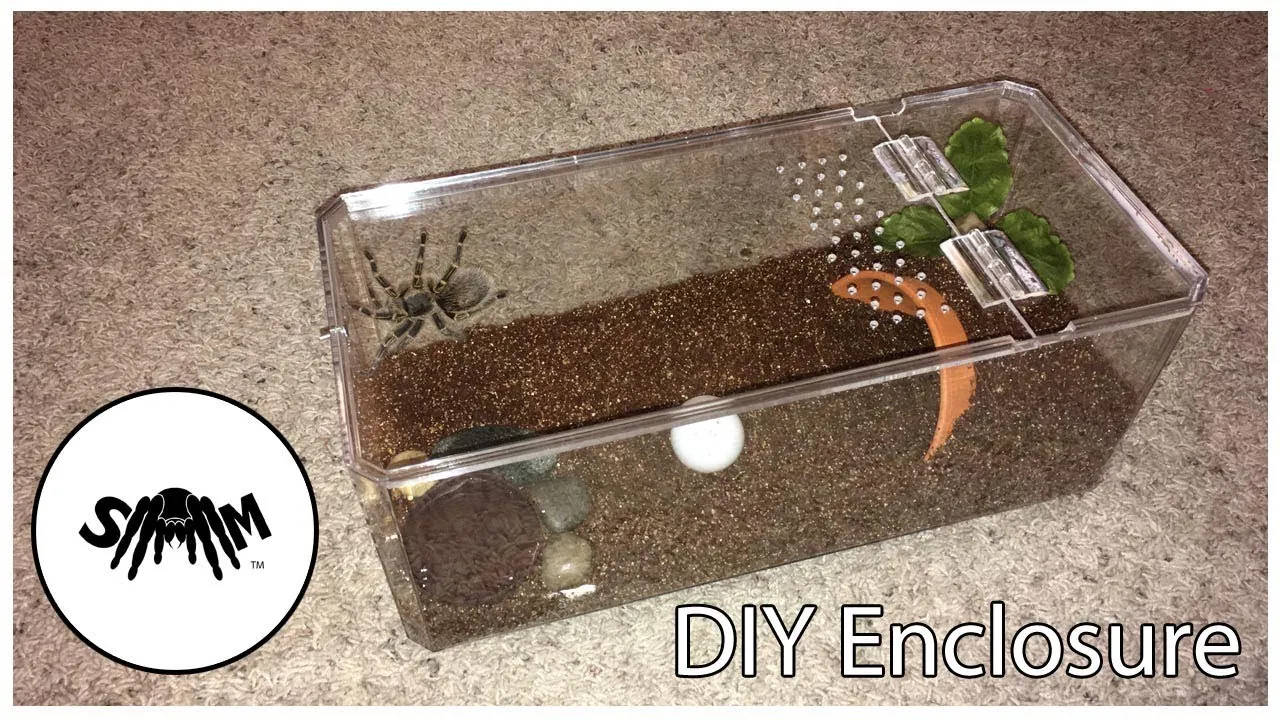
Planning Your Tarantula Enclosure
Creating a suitable tarantula enclosure is crucial for your pet’s health, happiness, and longevity. A well-planned habitat mimics the tarantula’s natural environment, providing the necessary elements for it to thrive. Before you even think about purchasing your spider, you must meticulously plan the enclosure. This involves understanding the specific needs of your tarantula species, including its size, temperament, and environmental requirements. Thorough planning minimizes future adjustments and ensures a stress-free environment for your arachnid companion. Careful consideration in the planning phase also avoids unnecessary expenses and potential hazards. Proper planning is the bedrock of successful tarantula keeping, setting the stage for a rewarding experience.
Choosing the Right Size
The size of the tarantula enclosure is one of the most critical factors to consider. A general rule is to provide a space that is at least twice the tarantula’s leg span in width and length. For terrestrial species, the height of the enclosure is less crucial, but it should be enough to accommodate the substrate depth and any décor. Arboreal species, which live in trees, require taller enclosures to allow for climbing. Overly large enclosures can make it harder for the tarantula to find food and may increase stress levels. Conversely, enclosures that are too small can hinder growth and limit movement. Therefore, the enclosure size should be chosen based on the adult size of the species you are keeping. Always plan for the tarantula’s mature size, not its current size, to avoid having to move it later.
Considering the Species

Different tarantula species have unique needs, so understanding your specific spider’s requirements is essential. Terrestrial species generally prefer more floor space and less height, while arboreal species thrive in taller enclosures with climbing opportunities. Some species are burrowers and need deep substrate to create tunnels, while others are more surface-dwelling. Research the species you plan to keep to determine its specific humidity, temperature, and ventilation needs. Temperament also plays a role; some species are more docile and can tolerate more interaction, while others are more defensive and need a secure, less-exposed habitat. Knowing the species’ natural habitat helps you recreate the ideal conditions. For example, a desert species requires a drier environment with less humidity than a tropical rainforest species. Paying attention to these details sets you up for successful tarantula keeping.
Selecting the Enclosure Material
The choice of enclosure material significantly impacts the enclosure’s functionality and your ability to observe your tarantula. Glass or acrylic enclosures are popular choices due to their transparency, allowing you to see your pet clearly. Glass is scratch-resistant and easy to clean, while acrylic is lighter and can offer better insulation. However, acrylic can scratch more easily. Plastic tubs or containers can also be used, especially for juvenile tarantulas, as they are inexpensive and readily available. Whatever material you choose, ensure it provides good ventilation to prevent mold and maintain healthy humidity levels. The enclosure should have a secure lid to prevent escapes, which is crucial for both your pet’s safety and the safety of your home. The material should also be non-toxic and easy to clean. Think about the size and shape as they also have a role in the tarantula’s habitat.
Setting Up the Enclosure
Substrate Selection

The substrate is the bottom layer of the enclosure and serves multiple purposes, including providing a surface for the tarantula to walk on, retaining moisture, and acting as a burrowing medium for certain species. The ideal substrate depends on the tarantula’s needs. For many species, a mix of peat moss, coconut fiber (coir), and a small amount of vermiculite works well. This combination holds moisture, allows for burrowing, and helps maintain humidity levels. Avoid substrates with sharp edges or that can compact easily, as these can injure the tarantula or make burrowing difficult. The depth of the substrate should be sufficient for the species’ burrowing habits. Regularly check and replace the substrate to prevent mold growth and maintain a clean environment. For desert species, use a mix of sand and a small amount of soil. Always make sure to check the substrate is safe for the tarantula.
Importance of Humidity
Maintaining the correct humidity level is vital for your tarantula’s health. Humidity is essential for successful molting, as it helps the tarantula shed its exoskeleton. The humidity level needed varies depending on the species. Tropical species require higher humidity (70-80%), while desert species thrive in drier conditions (40-60%). Use a hygrometer to monitor the humidity level inside the enclosure. To increase humidity, mist the enclosure with dechlorinated water. Ensure that the enclosure has adequate ventilation to prevent the humidity from becoming too high, which can lead to mold and other health problems. Proper humidity control helps prevent dehydration and ensures that the tarantula can molt successfully. Proper humidity also helps with the overall health of your tarantula.
Adding Decor and Hiding Spots
Providing décor and hiding spots enhances the tarantula’s environment, making it feel more secure and stimulating its natural behaviors. Use items like cork bark, artificial plants, and rocks to create a naturalistic environment. Cork bark is a particularly good choice as it provides a secure place for the tarantula to hide and helps regulate humidity. Artificial plants add aesthetic appeal and can help to maintain humidity levels. Ensure any décor items are clean and free of sharp edges that could injure your tarantula. Avoid using wood from outside, as it may contain pests or pesticides. Place the décor strategically to provide several hiding spots, allowing the tarantula to retreat when it feels threatened or during molting. This will greatly reduce stress. Make sure decor is sturdy and safe for your tarantula.
Providing Water and Food

A shallow water dish is essential for providing your tarantula with a constant source of fresh water. The dish should be small enough to prevent the tarantula from drowning, especially for smaller specimens. Use a shallow dish made of non-toxic material. Refill the water dish regularly, usually every few days, and clean it to prevent bacterial growth. Regarding food, tarantulas are carnivores, and their diet consists primarily of insects. Crickets, mealworms, and roaches are common choices. The size of the prey should be appropriate for the size of the tarantula; avoid feeding prey larger than the tarantula’s abdomen. Feed juveniles every few days, while adults can be fed less frequently, typically once a week or less. Remove any uneaten prey to prevent stress and potential harm to the tarantula. Provide a balanced diet for optimal health.
Maintaining Your Tarantula Enclosure
Cleaning and Maintenance
Regular cleaning and maintenance are essential for a healthy tarantula enclosure. Spot clean the enclosure regularly by removing any uneaten food, dead insects, and fecal matter. This helps prevent mold, bacteria, and mites from forming. The frequency of spot cleaning depends on the species and the amount of waste produced. A complete substrate change is usually necessary every 6 to 12 months, or sooner if there is a significant amount of waste or the substrate becomes moldy. When replacing the substrate, clean the entire enclosure with a mild, reptile-safe disinfectant. Avoid using harsh chemicals, as they can be harmful to your tarantula. Regular maintenance also involves checking the humidity and temperature levels to ensure they remain within the appropriate range for your tarantula species. Consistent maintenance ensures your pet stays healthy.
Monitoring Temperature and Humidity

Monitoring temperature and humidity is crucial for creating a suitable environment. Use a reliable thermometer and hygrometer to measure these parameters. The ideal temperature range depends on the species, but generally, tarantulas thrive in temperatures between 70-85°F (21-29°C). Humidity levels vary depending on the species, with tropical species requiring higher humidity than desert species. Adjust the enclosure’s heating and ventilation to maintain the correct temperature and humidity. You can use a heat mat or ceramic heat emitter for heating, but be cautious to avoid overheating. Position the heat source to provide a temperature gradient, allowing the tarantula to move to an area with its preferred temperature. Monitor the temperature and humidity daily to ensure they remain within the optimal range and make adjustments as needed. This will help keep your tarantula happy and healthy.
Feeding Your Tarantula
Feeding your tarantula correctly is an essential part of its care. The frequency of feeding depends on the tarantula’s age and size. Spiderlings and juveniles generally need to be fed more frequently (every few days) than adults (once a week or even less). The type of food should be appropriate for the species and size of the tarantula, with crickets, mealworms, and roaches being common choices. Avoid feeding the tarantula prey that is larger than its abdomen. Observe the tarantula’s feeding behavior, and if it doesn’t eat within 24 hours, remove the prey. Provide a varied diet, avoiding feeding only one type of insect, which can lead to nutritional deficiencies. Be sure to remove uneaten prey, as these can stress the tarantula and may bite. Always provide fresh water for the tarantula to drink.
Building a proper tarantula enclosure is a significant commitment. It takes time, care, and research to make sure you provide your tarantula with an environment where it can thrive. By carefully planning the enclosure, selecting the right materials, maintaining ideal conditions, and providing proper care, you’re not just building a habitat, you’re ensuring the well-being of your unique pet. Enjoy the rewarding experience of watching your tarantula flourish in its custom-made home.