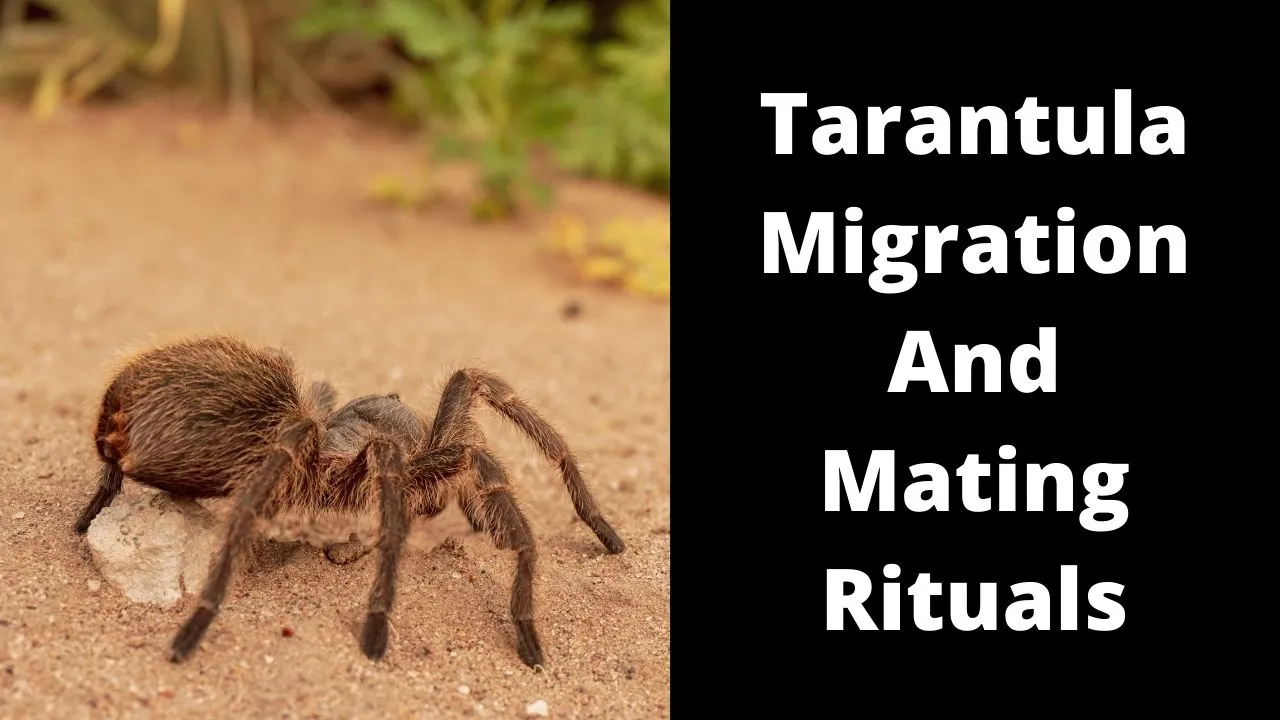
Understanding Tarantula Breeding
Breeding tarantulas can be a rewarding experience, allowing you to witness the fascinating life cycle of these creatures and contribute to the hobby. However, it’s also a process that demands patience, careful planning, and a thorough understanding of tarantula behavior and needs. Success in tarantula breeding hinges on several key factors, including identifying mature specimens, preparing the environment, understanding the mating process, and providing proper care for both the adult tarantulas and the resulting spiderlings. This guide will take you through each step of the tarantula breeding process, helping you increase your chances of success.
Identifying Mature Tarantulas
Before attempting to breed tarantulas, it’s crucial to determine that your specimens are sexually mature. This ensures that they are capable of mating and producing viable offspring. Maturity varies depending on the species, with some reaching maturity in a year or two, while others may take several years. There are several key indicators to look for when assessing maturity, and it’s vital to accurately identify these characteristics to avoid unnecessary stress or potential harm to the tarantulas.
Recognizing Male Tarantulas

Male tarantulas undergo a final molt upon reaching maturity, developing distinctive physical traits. The most reliable sign of maturity in males is the presence of tibial hooks on their front legs. These hooks are used to hold the female’s fangs during mating to prevent the female from biting them. In addition, mature males also develop a ‘palpal bulb’ on the tips of their pedipalps. This bulb is used to store sperm, which is then transferred to the female during mating. It’s also important to observe their overall behavior, as mature males may exhibit increased wandering and restlessness, searching for a mate.
Recognizing Female Tarantulas
Female tarantulas, on the other hand, do not undergo any significant physical changes upon reaching maturity. The best way to determine their maturity is by observing their molting history. Mature females will continue to molt throughout their lives, but they will no longer develop the physical characteristics of a mature male. Another indication of maturity is the overall size and appearance of the tarantula. Mature females will have reached their full size, showing a well-developed abdomen and robust body. Careful observation and knowledge of the specific species you are working with are key to accurately identifying the maturity of your female tarantulas.
Preparing for the Breeding Process
Preparing for tarantula breeding involves setting up the ideal environment to encourage mating and ensure the safety and well-being of both tarantulas. This preparation includes providing a suitable enclosure, controlling temperature and humidity, and ensuring that both tarantulas are well-fed and healthy. A well-prepared environment can significantly increase the chances of successful mating and the production of viable offspring. Furthermore, preparing ahead can prevent any unexpected issues during the breeding process, ensuring a smoother, safer process for the spiders.
Creating the Right Environment

The enclosure plays a critical role in the breeding process. It must be large enough for the female to move freely and, ideally, should mimic the natural habitat of the species. The enclosure should include appropriate substrate for burrowing species, as well as hiding places like cork bark or artificial plants, providing a sense of security for both tarantulas. Proper ventilation is also essential to prevent the build-up of mold or other harmful elements. It is also important to make sure that the enclosure is escape-proof to prevent the tarantulas from getting loose. This can be accomplished with a secure lid and proper sealing.
Temperature and Humidity Control
Temperature and humidity are crucial factors influencing breeding success. Research the specific temperature and humidity requirements of the tarantula species you are breeding and strive to replicate these conditions within the enclosure. Use a reliable thermometer and hygrometer to monitor the environment. Misting the enclosure regularly, or providing a shallow water dish, can help maintain the correct humidity levels. Maintaining consistent and appropriate environmental conditions will help to simulate the natural breeding season and trigger mating behavior.
The Breeding Process
The breeding process can be a delicate dance, involving carefully introducing the male and female and monitoring their interactions. Patience and observation are key, as the mating process can be complex and may not always result in success. Understanding the natural mating behaviors of tarantulas will help you to anticipate what to expect and respond appropriately. In some species, the male may need to approach with extreme caution to avoid being attacked by the female. Careful preparation can help ensure safety and the best possible chance for a successful pairing.
Introducing the Tarantulas

When introducing the male to the female, it’s usually best to introduce the male into the female’s enclosure. This gives the female a sense of security in her territory and can sometimes help to avoid aggression. Before the introduction, ensure that both tarantulas are well-fed. The male should be introduced cautiously, and you should closely monitor their behavior. Be prepared to intervene if the female shows signs of aggression. A long pair of tongs can be used to separate the spiders if necessary. The male should tap on the ground or the female’s body to initiate the mating sequence.
Observing Mating Behavior
The mating process involves a series of complex behaviors. The male will often drum or tap on the substrate or the female’s body to signal his intentions. If the female is receptive, she will typically allow the male to approach. The male will then use his tibial hooks to secure the female’s fangs, and insert his palpal bulbs into the female’s epigastric furrow. The actual mating process can last from a few minutes to several hours, depending on the species and the individual spiders. Observe the interaction closely for signs of stress or aggression. If aggression is apparent, separate them immediately.
Separating the Tarantulas
Once mating is complete, or if you observe any signs of aggression, it’s time to separate the tarantulas. Use a long pair of tongs or a similar tool to carefully remove the male from the female’s enclosure. The female may become aggressive immediately after mating and could potentially attack and eat the male. It’s crucial to separate them quickly to ensure the male’s survival. After separation, continue to monitor the female for any changes in behavior or appearance that might indicate she is gravid (carrying eggs).
Caring for the Gravid Female

Once the female has mated successfully, it’s essential to provide her with proper care to ensure the healthy development of her eggs. The female will become gravid, which means she is carrying eggs. This period can last several weeks or even months, depending on the species. During this time, the female’s needs change, requiring adjustments to her feeding, enclosure, and overall care. Providing her with the best possible care will optimize the chances for a successful egg sac and healthy spiderlings.
Providing Proper Nutrition
A gravid female requires an increased food intake to provide the necessary nutrients for her developing eggs. Provide her with a steady supply of appropriately sized prey items, such as crickets, roaches, or mealworms, depending on her species. Ensure that the prey is gut-loaded with nutritious food before offering them to the tarantula. This will provide the female with essential vitamins and minerals to support the development of the eggs. Avoid overfeeding, as this can lead to health problems. Remove any uneaten prey within 24 hours to prevent them from stressing or harming the tarantula.
Creating a Safe Environment
Ensure that the female’s enclosure remains stable and free from disturbances. Avoid handling or moving the enclosure unnecessarily, as this can stress the female and potentially disrupt the development of the eggs. Maintain the correct temperature and humidity levels, as any drastic changes can be detrimental. Provide a secure hiding place for the female to feel safe and comfortable. Observe the female regularly for any signs of unusual behavior or distress, and address any issues promptly.
Egg Sac Management

The creation of an egg sac is a critical stage in the breeding process. The female will spin a silken sac to enclose her eggs, protecting them and providing a stable environment for their development. Managing the egg sac correctly is essential to maximize the chances of healthy spiderlings. The handling and incubation of the egg sac require precise attention to detail and a deep understanding of the species-specific needs.
Egg Sac Incubation
The incubation period for the egg sac varies depending on the species and the environmental conditions. Once the female has created the egg sac, you have a couple of options. You can leave the egg sac with the female, allowing her to care for it, or you can remove it and incubate it artificially. If you choose to incubate the egg sac artificially, you will need to replicate the temperature and humidity conditions that the female would have provided. Use a separate incubator with precise temperature and humidity controls to ensure the best chances of success. Regularly monitor the egg sac for any signs of mold or other problems. Proper incubation is critical to ensure that the eggs hatch successfully.
Caring for Spiderlings
Once the spiderlings hatch, they require specialized care to ensure their survival and healthy development. Spiderlings are very vulnerable, and their needs differ significantly from those of adult tarantulas. Preparing for the arrival of the spiderlings ahead of time is essential to providing for their immediate needs, including small prey items, proper housing, and a safe environment. Providing this care at the onset is critical to prevent mortality and support healthy growth.
First Feeding

Spiderlings need to be fed very small prey items, such as flightless fruit flies or pinhead crickets, depending on the size of the spiderlings. Offer a few prey items at a time, and remove any uneaten prey after a few hours. Spiderlings may not eat immediately, especially after hatching. However, it’s important to make food available. Monitor their feeding behavior closely to make sure they are eating and growing. As they grow, you will need to increase the size of the prey items and the frequency of feeding.
Housing Spiderlings
Spiderlings should be housed individually, or in small groups, to prevent cannibalism. Use small, clear containers with appropriate ventilation and a small amount of substrate. Provide a shallow water dish with a cotton ball or sponge to prevent drowning. Monitor the spiderlings closely for any signs of molting or other health issues. As they grow, you will need to upgrade them to larger enclosures. Regular cleaning and maintenance of the enclosures are essential to maintain a healthy environment for the growing spiderlings.
Common Challenges in Tarantula Breeding
Tarantula breeding is not always successful, and there are several challenges that can arise. Understanding these potential problems will help you to better prepare and respond to any issues that may occur. Patience, observation, and adaptability are key to overcoming these challenges and increasing your chances of success. Recognizing potential problems early can prevent significant losses and maintain the well-being of your tarantulas.
Mating Rejection

Sometimes, the female may reject the male and refuse to mate. This can happen for various reasons, including the male not being the appropriate size, the female not being receptive, or an unsuitable environment. If the female is not receptive, or shows signs of aggression, you should separate the tarantulas immediately and try again later. Be patient and don’t force the issue. Make sure to review the environmental conditions and ensure they are optimal for mating, as this often plays a crucial role in the female accepting the male.
Female Aggression
Female tarantulas can be aggressive, and they may attack and potentially kill the male if they are not receptive or if the mating process is not successful. Always monitor the pair closely during the mating process. If the female shows any signs of aggression, such as lunging or biting, separate the tarantulas immediately. Be prepared to use tools, such as tongs or a paintbrush, to remove the male from the enclosure as quickly as possible. It’s crucial to avoid causing any further stress to either of the tarantulas, as this can also impact the breeding process.
Failed Egg Sacs
Not every mating will result in a successful egg sac. Even when the mating process seems to go well, the female may fail to produce a viable egg sac for various reasons. The eggs may be infertile, or the female may reabsorb the eggs if she is stressed or if the environmental conditions are not optimal. Monitor the female closely for any signs of an egg sac and provide her with the care outlined in this guide. If the female does not produce an egg sac within a reasonable timeframe, or if the egg sac fails to hatch, do not be discouraged. Sometimes it takes multiple attempts to successfully breed tarantulas. Continue to learn from each attempt to improve your chances of success.
Breeding tarantulas can be a rewarding yet challenging experience. By understanding the various aspects of the breeding process, from recognizing mature specimens to providing care for the spiderlings, you can increase your chances of success. Patience, observation, and a willingness to learn are essential for becoming a successful tarantula breeder. Embrace the learning process, and enjoy the unique opportunity to witness the fascinating life cycle of these amazing creatures. Remember to always prioritize the health and well-being of your tarantulas throughout the entire process.