Understanding Chaco Golden Knee Tarantulas
The Chaco Golden Knee tarantula (Grammostola pulchripes) is a popular species among tarantula enthusiasts, known for its docile nature, striking appearance, and manageable size. Native to South America, particularly Argentina and Paraguay, these spiders make relatively easy breeding projects. Understanding their natural history and needs is crucial for successfully breeding them. This comprehensive guide will provide you with the knowledge necessary to embark on this rewarding journey. Before diving into the specifics, remember that patience and attention to detail are key. The more you understand their needs, the better your chances of success.
Characteristics of Chaco Golden Knees
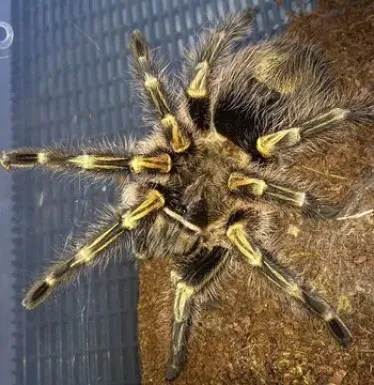
Chaco Golden Knees are recognized by their dark brown to black bodies and distinctive golden-yellow markings on their leg joints, which give them their name. Females can live for 15-20 years, while males typically live for 5-7 years after their final molt. These terrestrial spiders are relatively large, with females reaching a leg span of up to 8 inches. Their gentle temperament makes them a favorite among beginner and experienced keepers. They are generally calm and not prone to biting, making them suitable for observation and care. These traits, combined with their beautiful appearance, solidify their place as a treasured species in the pet trade.
Ideal Habitat Conditions
Creating the right habitat is essential for the health and breeding success of your Chaco Golden Knees. Mimicking their natural environment will encourage breeding behavior and ensure the well-being of your tarantulas. The enclosure should be appropriately sized, escape-proof, and offer the correct environmental conditions. Proper setup is crucial for the health and well-being of your tarantulas. A well-designed habitat provides a safe and comfortable environment, reducing stress and promoting natural behaviors. This is especially important for breeding, as stress can inhibit mating or lead to other complications. Carefully consider each aspect of the enclosure setup.
Temperature and Humidity Requirements
Maintaining the correct temperature and humidity levels is vital. The ideal temperature range for Chaco Golden Knees is between 75-85°F (24-29°C). You can use a heat mat or ceramic heat emitter to maintain this temperature, but always monitor it with a thermometer. Humidity should be kept at around 60-70%. This can be achieved by slightly moistening a portion of the substrate and providing a shallow water dish. Proper ventilation is also essential to prevent mold growth, so ensure that the enclosure has adequate airflow. Regular monitoring of both temperature and humidity is key to success.
Substrate and Enclosure Setup
A suitable substrate is crucial for burrowing and maintaining humidity. A mixture of coco fiber, peat moss, and a small amount of vermiculite works well. The substrate should be deep enough (4-6 inches) to allow the tarantula to burrow comfortably. Provide a hide, such as a piece of cork bark, for the tarantula to feel secure. A water dish should always be available, ensuring a constant supply of fresh water. Ensure the enclosure is escape-proof, as tarantulas are adept at finding ways out. The size of the enclosure should be appropriate for the size of the tarantula, allowing plenty of space for movement.
Pre-Breeding Preparation

Before attempting to breed your Chaco Golden Knees, you must prepare by sexing your tarantulas, ensuring they are mature, and optimizing their health through proper feeding. This preparation phase is critical for increasing the chances of successful mating and egg sac production. Carefully assess the readiness of your tarantulas to ensure the best possible outcome. A successful breeding project begins long before the introduction of the spiders. Taking these crucial steps will set the stage for a successful breeding attempt.
Sexing Your Tarantulas
Accurately sexing your tarantulas is the first step. The most common method is to examine the underside of the tarantula’s abdomen. The easiest method is to examine the molt skin. Females have spermathecae, which appear as a distinct pouch between the book lungs on their molted exoskeleton. Males have a modified pair of pedipalps that resemble boxing gloves; these are used for sperm transfer during mating. A magnifying glass or macro lens can be helpful for close examination. If you are uncertain, it’s advisable to consult with an experienced breeder or a veterinarian specializing in exotic pets for confirmation, since misidentification can lead to wasted efforts.
Identifying Mature Tarantulas
Both male and female tarantulas must be mature before breeding. Males reach maturity after their final molt. Mature males have the characteristic boxing glove-like pedipalps and often have thicker legs. Females reach maturity after several molts and usually show no obvious external signs of maturity. Female tarantulas are ready for breeding when they have reached their full size and are several years old. Monitor their molting history; a mature female will usually have molted multiple times. Ensure the tarantulas are of appropriate age before introducing them, as breeding immature individuals can be dangerous and is unlikely to succeed. Patience is a virtue in tarantula breeding; rushing the process can be detrimental.
Feeding and Hydration Regimen

Healthy tarantulas are more likely to breed successfully. Provide a varied diet of appropriately sized insects, such as crickets, roaches, and mealworms. Feed your tarantulas regularly, but avoid overfeeding, which can lead to obesity. Ensure the tarantulas have access to fresh water at all times. Proper hydration is critical for overall health and successful breeding. Feeding them with a nutritious diet helps them to develop the necessary energy reserves for mating and egg production. A well-fed and hydrated tarantula is more likely to be receptive to mating and more likely to produce a healthy egg sac.
The Breeding Process
Once you have confirmed that your tarantulas are mature and healthy, you can begin the breeding process. This involves introducing the male to the female’s enclosure, observing their behavior, and carefully monitoring their interactions. Patience and observation are crucial during this phase. The breeding process is a delicate dance that requires careful observation and handling to ensure a successful outcome. Never leave them unattended during the introduction phase.
Introducing the Tarantulas
Introduce the male tarantula to the female’s enclosure. It’s generally safer to introduce the male to the female’s enclosure, as this gives the female the advantage. Observe their initial interactions carefully. Be prepared to intervene if the female shows aggressive behavior. Provide a safe escape route for the male. Some breeders use a long pair of tongs to introduce the male to avoid accidental injury. Monitor their behavior closely, and be ready to separate them if necessary. The introduction is the most risky part of the process, so caution is vital.
Mating Behavior and Observation

If the female is receptive, the male will approach and begin to drum on the substrate to signal his intentions. The male will then attempt to insert his pedipalps into the female’s epigastric furrow. Mating can last from a few minutes to several hours. Observe their behavior throughout the mating process. Be prepared to intervene if the female becomes aggressive. Watch for signs of mating, such as the male inserting his pedipalps. After mating, separate the male from the female to prevent cannibalism. Carefully observe the interaction, documenting any unusual behavior or signs of stress from either spider.
Post-Mating Care and Separation
After mating, it is essential to remove the male to prevent him from being eaten. Provide the female with extra food and water to help her prepare for egg production. Monitor her for signs of egg sac formation, which usually takes several weeks to a few months. Increase her food intake to help her develop the necessary resources for egg production. Watch for changes in her behavior, such as burrowing or increased web production, which may indicate that she is preparing to lay eggs. Observe her condition and provide her with the resources needed to create a healthy egg sac.
Egg Sac Management
Once the female produces an egg sac, you have several options. You can allow the female to care for the egg sac, or you can remove it for artificial incubation. The choice depends on your experience and preference. Managing the egg sac properly is crucial for the survival of the spiderlings. Careful attention is needed to ensure optimal conditions. The following information explains options for managing the egg sac, helping ensure the best possible outcome for your breeding efforts. The most important part is to provide the best conditions.
Incubation and Optimal Conditions
If you choose to incubate the egg sac artificially, place it in an incubator or a container with a stable temperature (78-82°F or 26-28°C) and high humidity (around 80%). Regularly check the egg sac for mold or other problems. Gently turn the egg sac periodically to ensure even development. Monitor the egg sac’s condition and the humidity levels. Maintaining the appropriate conditions is critical for the eggs to hatch successfully. Be vigilant about controlling mold or other infestations, as these can be detrimental to the developing eggs.
Caring for Spiderlings
Once the spiderlings hatch, they require specialized care to ensure their survival and healthy development. This involves providing proper housing, feeding, and environmental conditions. The spiderlings are small and vulnerable, so careful attention to detail is essential during this phase. The spiderlings’ care is very different than that of the adults. Knowing the proper techniques for caring for the spiderlings will help them thrive and grow into healthy adults.
First Feeding and Initial Care
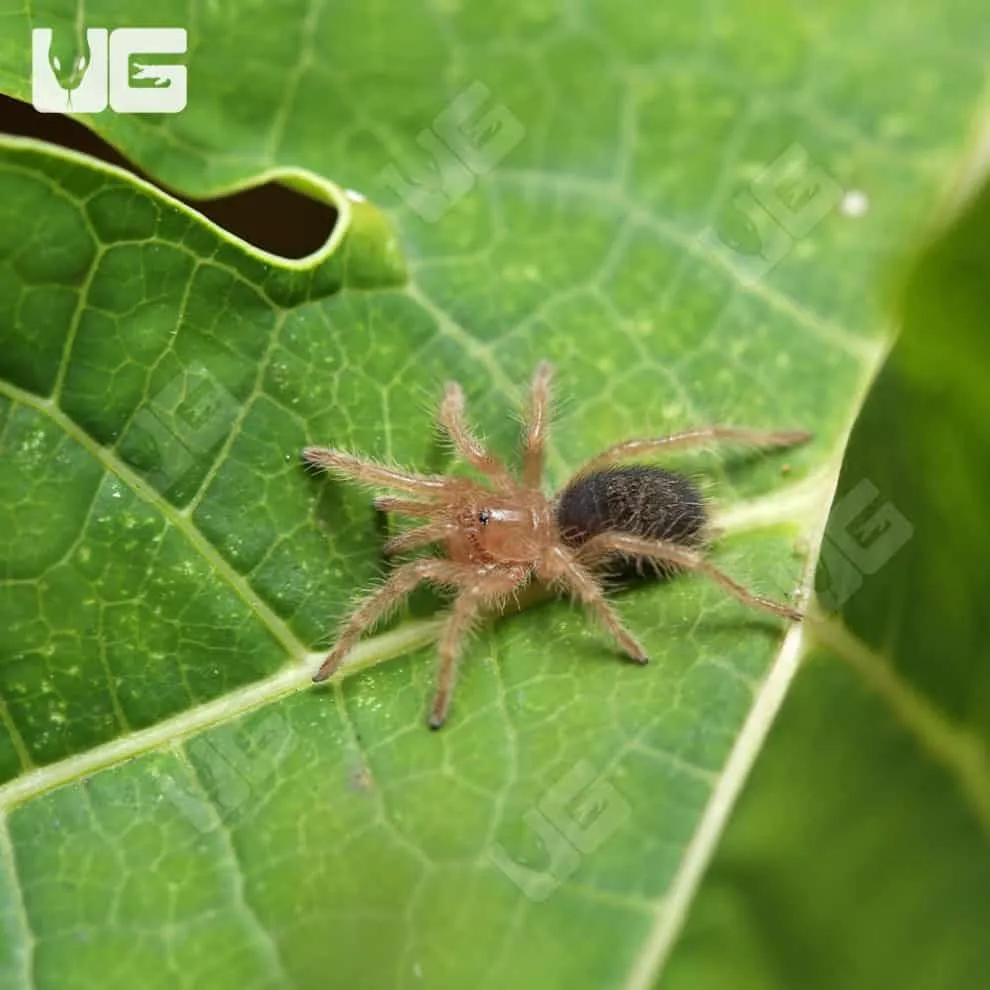
Spiderlings typically eat tiny insects such as flightless fruit flies or pinhead crickets. Offer them food every other day. Provide a shallow water dish with cotton or a sponge to prevent the spiderlings from drowning. Keep the enclosure clean and maintain the correct temperature and humidity levels. Proper feeding is crucial for the spiderlings’ healthy development, helping them gain strength as they develop. Cleanliness and proper environmental conditions are essential for maintaining a healthy environment for the spiderlings. A healthy diet and proper hydration will ensure the spiderlings’ development.
Growth and Development

As the spiderlings grow, gradually increase the size of the food items. Provide larger enclosures as they molt and grow. Monitor their molting progress and ensure they have adequate space to molt. The spiderlings will molt several times as they grow, shedding their exoskeletons to increase in size. With each molt, they become more like their adult form. Proper nutrition is critical for the spiderlings to grow. The spiderlings are fragile and require special care. Be patient during this process, and you will see your spiderlings mature into beautiful adult Chaco Golden Knee tarantulas.
Common Breeding Challenges and Solutions
Breeding tarantulas can present several challenges. Understanding and addressing these challenges is crucial for improving your chances of success. There are several potential problems. Recognizing the problem and implementing solutions is key to successful breeding. Addressing difficulties will increase the odds of a successful breeding project. Common problems can be solved with proper preparation and careful observation.
Addressing Mating Difficulties
Sometimes, the female may not be receptive to the male, or mating may not occur. If this happens, you can try introducing the male again a few weeks later. Ensure both tarantulas are healthy and well-fed. Providing a suitable environment and giving the female time to adjust can help. Consider that the female may not be ready to mate. It’s important to provide the right environment to increase the likelihood of mating. Patience is necessary. If the mating attempt fails, you can try again later.
Dealing with Egg Sac Issues

Egg sacs can sometimes fail. Common problems include mold, failure to hatch, or spiderlings that don’t survive. Check humidity levels, and ensure the egg sac is handled carefully. If mold appears, try to remove the affected area. If the egg sac fails to hatch or the spiderlings do not thrive, it could be due to poor environmental conditions or genetics. By maintaining optimal conditions, you can minimize the risk of these problems. A sterile environment and proper ventilation will reduce the chances of the egg sac being affected by mold. If the spiderlings do not thrive, investigate the cause and adjust your care accordingly.
Conclusion
Breeding Chaco Golden Knee tarantulas can be a rewarding experience for any tarantula enthusiast. By following these guidelines and paying close attention to the details, you can increase your chances of success. Remember to be patient, observant, and dedicated to providing the best possible care for your tarantulas. The experience of successfully breeding and raising these beautiful spiders is very fulfilling. Breeding these tarantulas is a challenging process, but the rewards are well worth the effort.