Houston Tarantula Amazing Facts
The Houston tarantula, a fascinating arachnid, captivates the attention of many, from seasoned entomologists to curious nature enthusiasts. This guide unveils a collection of astonishing facts about these creatures, offering a glimpse into their world. The Houston tarantula, scientifically known as Aphonopelma hentzi, is a prominent species in the Texan landscape, and these creatures have adapted remarkably well to their environment. Discovering the Houston tarantula will give you a new appreciation for the biodiversity of Texas and the unique adaptations these spiders have evolved.
Houston Tarantula Species and Identification
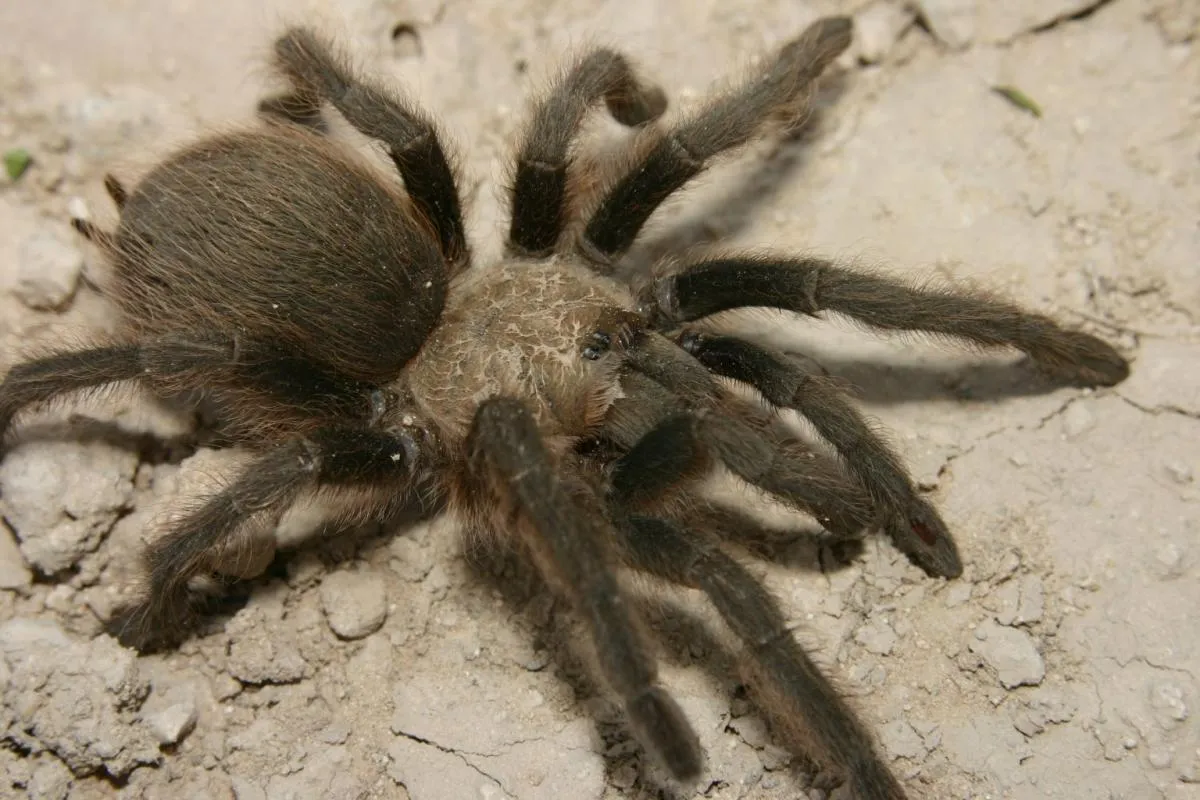
Identifying the Houston tarantula involves understanding its key characteristics. These spiders are relatively large, with a leg span that can reach up to 5 inches. Their bodies are typically covered in brown hairs, which can range from a light tan to a darker shade of brown. Distinguishing them from other tarantula species can be done by observing their size, coloration, and the presence of specific markings. It’s important to note that misidentification is possible, so detailed examination and comparison with reliable sources are crucial for accurate identification.
Physical Characteristics

The Houston tarantula showcases a remarkable array of physical features that help it thrive in its environment. The body of a Houston tarantula is divided into two main parts the cephalothorax, which houses the head and thorax, and the abdomen, which contains the internal organs. The cephalothorax is where the tarantula’s eight legs and eight eyes are attached. These spiders have chelicerae, which are the fangs used for injecting venom into their prey. They also possess pedipalps, which resemble small legs and are used for sensory functions. The overall appearance of the Houston tarantula is one of robust build, which is well-suited for its terrestrial lifestyle.
Habitat and Distribution
Understanding the Houston tarantula’s habitat is essential for appreciating its place in the ecosystem. These tarantulas primarily inhabit the grasslands and prairies of Texas, with their range extending to other parts of the southern United States. They prefer to live in burrows, which they either construct themselves or take over from other animals. The Houston tarantula’s distribution is closely tied to factors like soil type, the presence of prey, and suitable microclimates. Their adaptability to the Texan environment is a testament to their resilience and the importance of habitat preservation.
Houston Tarantula Behavior and Lifestyle
The Houston tarantula displays interesting behaviors that contribute to its survival and interaction with its environment. These spiders are primarily nocturnal, spending most of their days hidden in their burrows to avoid the heat and predators. During the night, they emerge to hunt for prey, such as insects, small reptiles, and even rodents. The Houston tarantula is a solitary creature, with the exception of mating season. Their behaviors are shaped by their instincts, the need to find food, and the challenges of their habitat.
Houston Tarantula Diet and Feeding Habits

The Houston tarantula is a carnivore, with its diet consisting primarily of insects, but also includes other invertebrates and small vertebrates. Their feeding habits are characterized by patience and strategic hunting. They use their venom to immobilize their prey, and then inject digestive enzymes to break down the food before consuming it. The diet of the Houston tarantula varies depending on the availability of prey in its habitat. Their feeding habits play a crucial role in maintaining the balance of their ecosystem.
Houston Tarantula Common Health Issues
Like all living creatures, Houston tarantulas can experience health issues. Common problems include parasitic infections, fungal diseases, and injuries from predators or habitat hazards. Maintaining a clean habitat and providing a balanced diet can help prevent some of these issues. It’s essential to monitor the tarantula’s behavior and physical condition for any signs of illness. If you suspect your Houston tarantula is unwell, consulting with an expert in tarantula care is recommended. The well-being of the Houston tarantula is crucial for their longevity and contribution to the ecosystem.
Houston Tarantula Conservation Status
The Houston tarantula’s conservation status reflects the challenges it faces in its natural habitat. While not currently listed as endangered, the species is vulnerable to habitat loss, pesticide use, and the pet trade. Protecting the Houston tarantula requires preserving its habitat, regulating the pet trade, and raising awareness about its ecological importance. Supporting conservation efforts can ensure that future generations can appreciate the beauty and role of these fascinating creatures. Conservation measures are vital to the survival of the Houston tarantula and the overall biodiversity of its environment.
Houston Tarantula Interactions with Humans

Interactions between Houston tarantulas and humans are varied. Some people keep them as pets, while others encounter them in their natural habitats. Handling a Houston tarantula requires caution, as they can bite if they feel threatened. Their venom is not considered deadly to humans, but can cause localized pain and swelling. It’s essential to educate yourself about the proper care of these animals if you decide to keep them as pets. Recognizing and respecting the Houston tarantula’s role in the ecosystem can foster harmonious co-existence. Furthermore, appreciating their unique attributes and behavior fosters an interest in the natural world.
In conclusion, the Houston tarantula is a captivating creature with intriguing behaviors, physical adaptations, and ecological roles. From understanding its amazing facts to appreciating its place in the Texan landscape, these spiders hold a special place. By learning about the Houston tarantula, we can develop a deeper appreciation for biodiversity, promote conservation, and ensure that these fascinating creatures continue to thrive. Let’s continue to explore and celebrate the wonders of nature, including the remarkable Houston tarantula.