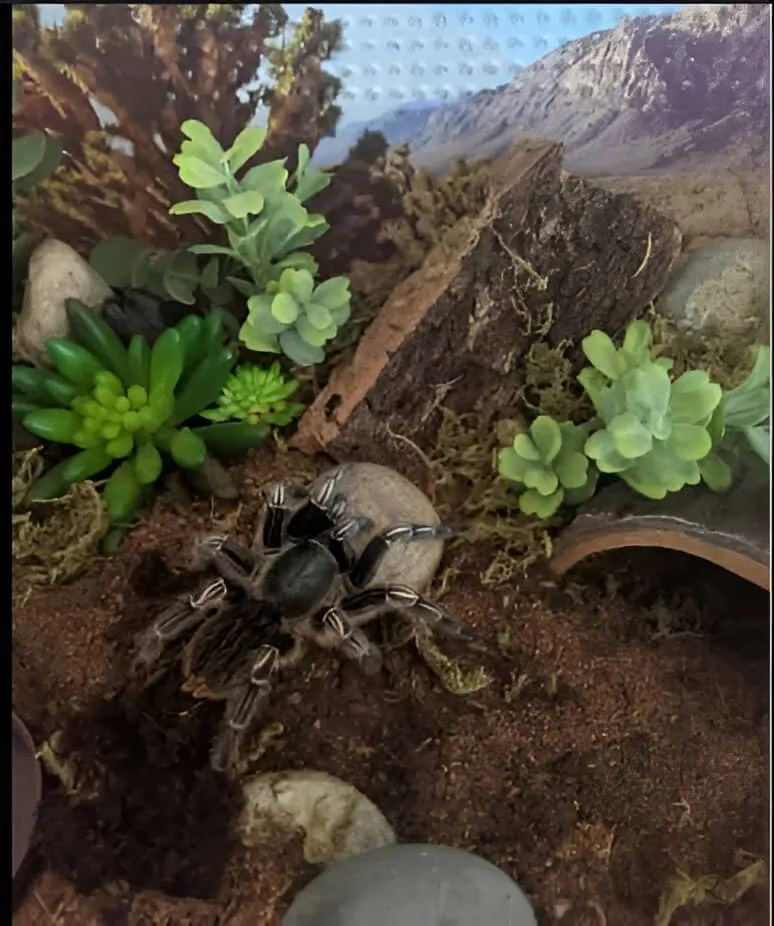
Housing a Tarantula Top 5 Tips for Success
Housing a tarantula can be a rewarding experience, offering a fascinating glimpse into the world of arachnids. However, their unique needs require careful consideration to ensure their well-being. This guide provides the top 5 essential tips for successful tarantula housing, covering everything from enclosure setup to daily care. By following these guidelines, you can create a thriving environment where your tarantula can flourish and live a long, healthy life. Proper housing is not just about providing a space; it’s about understanding and meeting the specific needs of these captivating creatures.
Choosing the Right Enclosure
The enclosure is the foundation of successful tarantula keeping. It provides shelter, security, and a controlled environment. Selecting the right enclosure is the first and arguably most crucial step. The size and material of the enclosure will significantly impact your tarantula’s health and happiness. Consider the species’ size and burrowing behavior when choosing the appropriate dimensions. A well-chosen enclosure not only protects your pet but also makes it easier to maintain the necessary environmental conditions.
Size and Material Considerations

The enclosure’s size should accommodate the tarantula’s eventual adult size, allowing ample space for movement and exploration. Glass or clear plastic enclosures are ideal because they allow for clear visibility, which is great for observing your tarantula. The enclosure should be escape-proof, with a secure lid that is properly fitted. Avoid enclosures with large gaps or openings that a tarantula could squeeze through. Always consider the species and the amount of space they need, with ground-dwelling species benefiting from more floor space and arboreal species needing height.
Ventilation and Security
Adequate ventilation is vital for preventing mold growth and ensuring air circulation within the enclosure. The enclosure should have ventilation holes or a mesh top, but these openings must be small enough to prevent escape. The lid needs to be secure and difficult for a tarantula to open or manipulate. Security is paramount for your tarantula’s safety and your peace of mind. Regularly check the enclosure’s integrity and make sure all latches and closures are functioning correctly to prevent accidental escapes.
Creating the Perfect Substrate
The substrate serves as the tarantula’s floor, providing a comfortable surface for walking, burrowing, and molting. The right substrate is crucial for maintaining humidity, which is particularly important for tarantula health. The type of substrate will also affect the overall aesthetic of the enclosure, allowing you to create a natural and enriching environment for your pet. Selecting the right substrate type and making sure it is deep enough for burrowing species is vital.
Substrate Types and Benefits

Several substrates are suitable for tarantulas, including coconut fiber, peat moss, vermiculite, and a mixture of these. Coconut fiber is a popular choice due to its excellent moisture retention and natural look. Peat moss is another excellent option, offering similar benefits. The depth of the substrate should be appropriate for the tarantula species; burrowing species need several inches to create their burrows. A well-chosen substrate helps maintain humidity, aids in molting, and contributes to a naturalistic environment.
Maintaining Humidity Levels
Humidity is a key factor in tarantula care, as it helps with molting and overall well-being. Regularly mist the enclosure with dechlorinated water to maintain the correct humidity level. Use a hygrometer to monitor the humidity, ensuring it stays within the appropriate range for your tarantula’s species. The humidity level will vary depending on the species; research your tarantula’s needs before setting up its enclosure. Overly dry conditions can lead to molting problems, while excessive humidity can promote mold growth.
Providing Optimal Temperature
Tarantulas are ectothermic, meaning they rely on external sources to regulate their body temperature. Providing a suitable temperature gradient is essential for their health. The enclosure should have a temperature range that meets the species’ requirements. Careful management of the temperature can ensure that your pet remains healthy and active. Too much or too little heat can negatively impact your tarantula’s health, so monitoring is vital to success.
Heating Options and Placement

Depending on the ambient temperature, you may need to provide supplemental heat. Heat mats placed on the side of the enclosure are a safe and effective option. Avoid placing heat mats directly under the enclosure, as this can cause the substrate to dry out too quickly and potentially harm the tarantula. Heat lamps can be used but should be positioned carefully to avoid overheating the enclosure. Always ensure that the heat source does not come into direct contact with the substrate or any decorations to prevent fire hazards.
Monitoring the Temperature
Use a thermometer to monitor the temperature within the enclosure. Place the thermometer in a location where it accurately reflects the temperature gradient. Check the temperature regularly to ensure it stays within the ideal range for your tarantula’s species. Make adjustments as needed, especially during seasonal changes or fluctuations in room temperature. A consistent, appropriate temperature will promote a healthy appetite and active lifestyle for your tarantula.
Essential Decorations and Hiding Places
Tarantulas appreciate a well-decorated enclosure with hiding places and enrichment. These additions help to make your tarantula feel secure and stimulate its natural behaviors. The decorations should be chosen with safety in mind, avoiding anything that could potentially harm the tarantula. Providing a comfortable and stimulating environment is key to a happy and healthy tarantula. Carefully selected decorations will not only enhance the enclosure’s aesthetic appeal but also make your tarantula feel at ease.
Creating a Naturalistic Habitat

Mimicking the tarantula’s natural habitat enhances its well-being. Use items like cork bark, branches, and artificial or live plants to create a naturalistic setting. Ensure that any decorations are securely placed and won’t fall on the tarantula. Avoid using sharp or jagged objects that could injure your pet. A naturalistic habitat provides hiding spots, climbing opportunities, and a sense of security for your tarantula, leading to a more enriched life.
Adding Water Dish and other Essentials
A shallow water dish is a must for providing a constant water source. The dish should be shallow enough to prevent the tarantula from drowning, and large enough for them to easily access the water. You can also add other essentials such as a small feeding bowl for insects. Make sure all items are clean and regularly checked for any signs of mold or contamination. The water dish should be cleaned and refilled regularly with fresh, dechlorinated water.
Feeding and Watering
Proper feeding and watering are essential for your tarantula’s health and growth. The diet should consist primarily of insects appropriate for the tarantula’s size, and fresh, clean water should always be available. Feeding and watering habits will vary depending on the species and the tarantula’s life stage. Proper feeding and watering will ensure your tarantula gets all the nutrients it needs to thrive in its habitat.
Choosing the Right Food
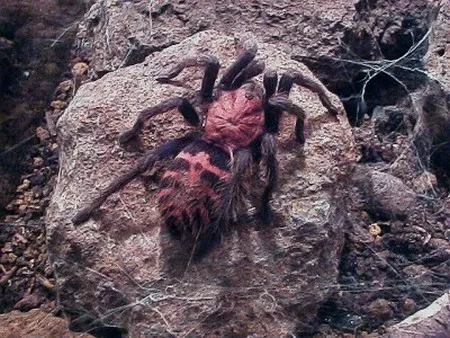
The most common food source for tarantulas is insects, such as crickets, mealworms, and roaches. The size of the insects should be appropriate for the size of your tarantula; a general rule is to feed insects no larger than the tarantula’s body length. Offer food at regular intervals and remove any uneaten insects within 24 hours to prevent them from stressing or potentially harming your tarantula. Ensure that the insects are gut-loaded with nutritious food before offering them to your pet.
Watering Frequency
Provide a shallow water dish with fresh, clean water at all times. Refill the water dish daily and clean it regularly to prevent the growth of bacteria. In addition to a water dish, mist the enclosure lightly, especially for species that require higher humidity. The frequency of misting depends on the species and the humidity level in the enclosure. Always use dechlorinated water to avoid harming your tarantula.
In conclusion, successful tarantula housing requires careful planning and attention to detail. By following these top 5 tips – choosing the right enclosure, creating the perfect substrate, providing optimal temperature, offering essential decorations, and focusing on feeding and watering – you can create a thriving environment for your tarantula. Remember that each tarantula species has unique needs, so always research the specific requirements of your pet. With proper care and understanding, you can enjoy the rewarding experience of keeping these fascinating creatures.