Grasshopper Mouse vs Tarantula Top 5 Facts
The world of animal encounters is filled with unexpected matchups, and few are as intriguing as the clash between the fierce grasshopper mouse and the formidable tarantula. This contest showcases the astonishing adaptations and survival strategies of these creatures. This article explores five fascinating facts about these predators, unveiling the dynamics of their interactions, and highlighting the unique traits that make each a master of its domain. Prepare to delve into a world where pain resistance, venom, size differences, and dietary habits dictate the outcomes of survival.
The Grasshopper Mouse — A Deadly Predator
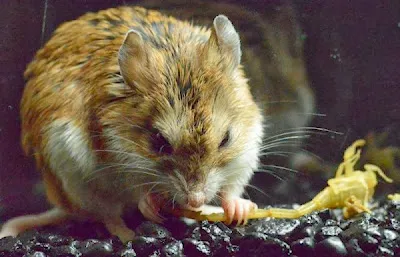
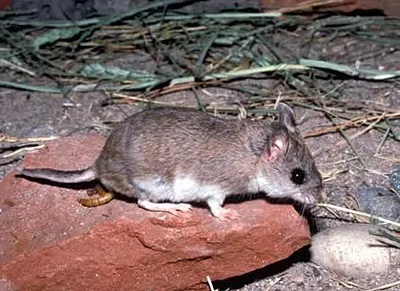
The grasshopper mouse (Onychomys leucogaster), a small rodent found in North American grasslands and deserts, defies the typical mouse stereotype. Unlike its herbivorous cousins, this carnivorous mouse is known for its aggressive behavior, distinctive vocalizations, and a remarkable tolerance to pain. This tiny predator is equipped with a suite of adaptations that allow it to hunt and consume insects, small rodents, and even scorpions. Its boldness and specialized physiology set it apart, making it a fascinating subject of scientific study and a surprising contender in the natural world.
Appearance and Habitat

The grasshopper mouse typically measures between 4 to 6 inches in length, including its tail. It has a robust body, short legs, and a relatively large head, perfectly adapted for a life of predation. Its fur is usually a mix of gray, brown, and white, providing camouflage in its arid habitat. These mice primarily inhabit grasslands, deserts, and scrublands across North America, from the western United States to parts of Canada and Mexico. They are well-adapted to these environments, often constructing burrows to escape the harsh weather conditions and predators. (grasshopper-mouse-habitat.webp)
Unique Vocalizations
One of the most unique aspects of the grasshopper mouse is its vocalizations. Unlike most mice, which produce quiet squeaks and chirps, the grasshopper mouse is known for its high-pitched, howl-like calls, which can be heard across the open landscapes it inhabits. These calls, which are often directed towards intruders or potential prey, serve multiple purposes including territorial defense, communication, and possibly even intimidation. The vocalizations are a key identifier of the grasshopper mouse and contribute to its reputation as a fierce and distinctive predator. (grasshopper-mouse-vocalizations.webp)
Diet and Hunting Strategies
The diet of the grasshopper mouse is primarily carnivorous, consisting of insects, small rodents, and even scorpions. Its hunting strategies are as bold as its personality. The mouse actively seeks out prey, using its keen senses of smell and hearing to locate potential targets. It has been observed attacking prey much larger than itself, employing a combination of agility, speed, and a determined attack style. These mice are also known to be immune to certain venoms, giving them a distinct advantage when preying on venomous insects like scorpions. (grasshopper-mouse-eating.webp)
How Does the Grasshopper Mouse Overpower Tarantulas

The grasshopper mouse’s ability to take on a tarantula is due to a combination of factors, most notably its extraordinary pain resistance, aggressive hunting style, and physical adaptations. These mice have evolved a unique physiology that allows them to withstand the effects of venom and deliver quick, decisive attacks. Their resilience makes them formidable hunters, even against formidable opponents like tarantulas.
The Tarantula — A Formidable Opponent
Tarantulas, belonging to the Theraphosidae family, are large, hairy spiders found in various habitats around the world. Known for their impressive size, ranging from several inches to over a foot in leg span, they are apex predators in their ecosystems. Their hunting strategies involve ambush tactics, the use of venom to subdue prey, and a range of defensive mechanisms. These spiders are a subject of both fascination and caution, their complex behaviors and adaptations making them a captivating study for biologists and enthusiasts alike.
Appearance and Habitat
Tarantulas are distinguished by their large size, hairy bodies, and eight legs. They exhibit a wide range of colors and patterns, depending on their species and habitat. Their habitats span a diverse range of environments, from deserts and grasslands to rainforests and mountains. They are found on every continent except Antarctica, showcasing their remarkable adaptability. Tarantulas typically live in burrows or under rocks, emerging to hunt at night. (tarantula-hunting.webp)
Hunting Strategies and Venom

Tarantulas are ambush predators, relying on stealth and surprise to capture prey. They wait patiently for unsuspecting animals to come within range, then swiftly pounce, injecting venom to immobilize their victims. The venom contains a mix of toxins that affect the nervous system, effectively paralyzing the prey. They primarily feed on insects, small rodents, and occasionally small birds or reptiles. Their hunting prowess is enhanced by sensitive hairs on their legs, which detect vibrations in the environment. (tarantula-venom.webp)
Tarantula Defenses Against Predators
Tarantulas have several defensive mechanisms to protect themselves from predators, including birds, snakes, and mammals. One of the most notable defenses is their ability to flick off urticating hairs from their abdomen. These hairs, when contacted, cause intense irritation to the skin and eyes of the attacker. They also possess strong chelicerae (fangs) and can deliver a painful bite, although their venom is generally not lethal to humans. (tarantula-defenses.webp)
Fact 1 The Grasshopper Mouse’s Pain Resistance
Understanding Pain Signals

Pain perception involves complex biological pathways, where sensory receptors send signals to the brain. The grasshopper mouse has evolved an unusual mechanism to modulate these signals, allowing it to withstand a level of pain that would be incapacitating for other animals. The specific mechanisms involve modifications to the ion channels within their nervous systems, making them less susceptible to pain stimuli.
How Pain Resistance Benefits the Grasshopper Mouse
This pain resistance gives the grasshopper mouse a significant advantage when hunting and defending itself. The ability to ignore or minimize pain allows it to continue fighting even after being bitten or stung by its prey. When hunting, the grasshopper mouse can confidently attack and overcome venomous creatures like scorpions without being debilitated by their defenses. This unique trait is key to their predatory success and survival in their harsh environments.
Fact 2 The Tarantula’s Venom
Venom Composition and Effects
Tarantula venom is a complex mixture of compounds, primarily containing neurotoxins. These neurotoxins target the nervous system, disrupting the transmission of nerve impulses. The venom’s effects can range from muscle paralysis to respiratory distress, depending on the amount injected and the species of tarantula. The primary purpose of the venom is to immobilize prey, allowing the spider to feed without resistance.
How the Venom Affects Prey
The venom quickly incapacitates prey by interfering with their nervous system. It causes muscle paralysis, making the prey unable to move or defend itself. The venom also contains enzymes that begin the process of breaking down the prey’s tissues, allowing the tarantula to digest the meal externally. The swiftness of the venom’s action and the efficiency with which it subdues prey are critical to the tarantula’s hunting success.
Fact 3 The Size Difference
Size Comparison

Tarantulas are considerably larger than grasshopper mice. Adult tarantulas can have leg spans of several inches, while the grasshopper mouse typically measures only a few inches in length. This size disparity often gives the tarantula an initial advantage in a physical confrontation. However, size alone does not determine the outcome, as the grasshopper mouse compensates with other unique adaptations and behaviors. (grasshopper-mouse-size.webp)
Impact on Battles
The size difference influences the dynamics of the encounter. The tarantula can inflict a more powerful bite and has the potential to overpower the mouse physically. The grasshopper mouse, despite its smaller size, uses its agility, pain resistance, and aggressive behavior to offset this disadvantage. The mouse often targets the tarantula’s vulnerable areas, such as its face or legs, exploiting its speed and determination to gain an advantage.
Fact 4 The Grasshopper Mouse’s Diet
Dietary Preferences and Adaptations

The grasshopper mouse is a voracious predator, with a diet consisting primarily of insects, small rodents, and scorpions. They have adapted to hunting a variety of prey, including those with potent defenses. This carnivorous diet requires specialized behaviors and physiological adaptations. They have sharp teeth and strong jaws suited for tearing through flesh and exoskeletons. Their hunting behavior is bold and aggressive, helping them to secure their food.
How Tarantulas Fit into the Diet
While not a primary food source, tarantulas can be part of the grasshopper mouse’s diet. The mouse’s pain resistance allows it to withstand the tarantula’s venom. The mouse may take on the tarantula by quickly attacking and overpowering it. Grasshopper mice will often go after the tarantula, attacking in a strategic way, to kill and consume it. (grasshopper-mouse-vs-tarantula.webp)
Fact 5 The Battle’s Outcome
Factors Influencing the Result
The outcome of a fight between a grasshopper mouse and a tarantula depends on several factors. The mouse’s pain resistance and aggressive behavior give it a significant advantage. The tarantula’s venom and size are also key determinants. The environment and the specific species involved can influence the outcome. The location of the encounter can also affect the outcome, the mouse’s ability to maneuver could lead it to victory.
Overall Winner Considerations
In many encounters, the grasshopper mouse is the victor, due to its unique adaptations. The mouse’s pain resistance allows it to withstand the venom, while its agility and persistent attacks tire the tarantula. While the tarantula has size and venom on its side, the grasshopper mouse’s bold aggression and unique physiology often tip the scales in its favor. The grasshopper mouse is an exceptional example of adaptation and resilience in the animal kingdom. (grasshopper-mouse-vs-tarantula.webp)