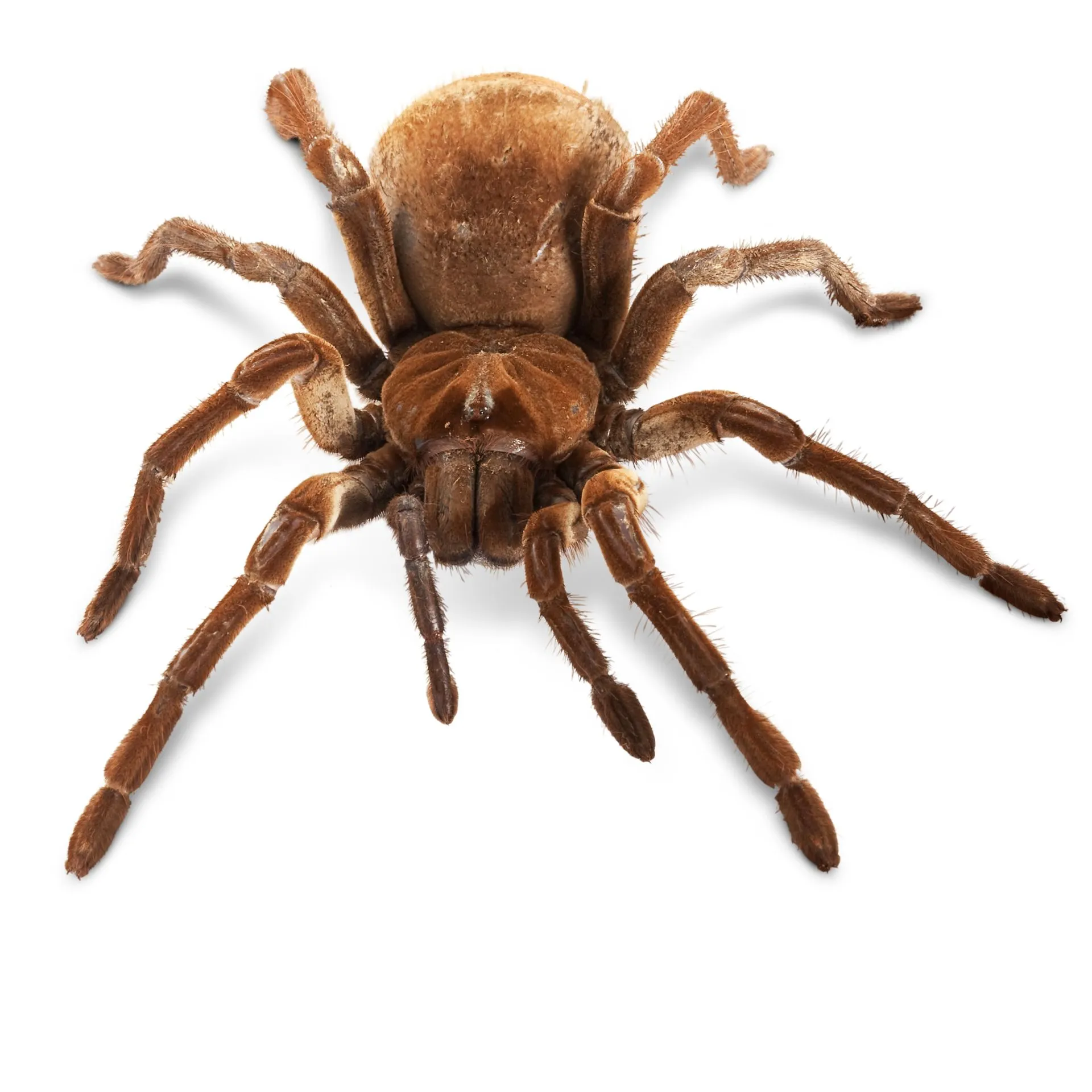
What is the Goliath Tarantula?
The Goliath Birdeater tarantula (Theraphosa blondi), often simply called the Goliath tarantula, is a species of tarantula native to the rainforests of northern South America. Known for its enormous size, this impressive arachnid holds the title of the world’s largest spider by mass and leg-span. Despite its intimidating appearance, the Goliath tarantula is a fascinating creature, and understanding its characteristics offers a glimpse into the wonders of the natural world. This behemoth of the spider world is not only remarkable for its size, but also for its unique behaviors and ecological role in its habitat. It’s a spider that captures the imagination and sparks curiosity about the diversity of life on Earth.
Size and Appearance
The Goliath tarantula is truly a giant among spiders. With a leg-span that can reach up to 12 inches (30 cm) or more, and a body length of over 4 inches (10 cm), they are a sight to behold. They can weigh over 6 ounces (170 grams), making them heavier than many small mammals. Their bodies are covered in dense, reddish-brown hairs, and they possess large fangs, used for injecting venom and subduing prey. Their sheer size makes them stand out, even in their dense rainforest habitat, making them a top predator within their environment. They are also known for their distinctive chelicerae, or mouthparts, that are quite powerful.
Habitat and Distribution

Goliath tarantulas are primarily found in the rainforests of northern South America. They are native to countries such as Brazil, Venezuela, Guyana, Suriname, and French Guiana. These spiders thrive in humid environments, often found in burrows near swamps and marshy areas. They prefer to live in deep burrows that they either dig themselves or take over from other animals. The high humidity and ample insect life in these regions create the ideal conditions for the Goliath tarantula to flourish. Their distribution is limited to these specific geographic locations, making them a unique component of the ecosystem in these areas.
Diet and Feeding Habits
Despite their name, Goliath tarantulas rarely eat birds. Their diet primarily consists of insects, such as crickets, beetles, and grasshoppers. However, they are opportunistic predators and will also consume small vertebrates, including lizards, frogs, and even small snakes and rodents. They are ambush predators, waiting patiently in their burrows or near their entrances. When prey comes close, they pounce with incredible speed, using their fangs to inject venom that paralyzes their victim. The tarantula then uses digestive enzymes to break down the prey, effectively liquefying it for easy consumption. This efficient hunting strategy ensures their survival in the challenging rainforest environment.
Behavior and Temperament
Goliath tarantulas are generally docile, but they can be defensive if threatened. When feeling threatened, they may adopt a defensive posture, raising their front legs and displaying their fangs. They also have urticating hairs on their abdomen, which they can flick towards potential threats. These hairs cause intense irritation upon contact, acting as a deterrent against predators. In captivity, they are often kept as pets, but it is important to provide them with the right environment. They are typically nocturnal, spending the day in their burrows and becoming active at night. Understanding their behavior is key to both their survival in the wild and the safe handling in captivity.
Are Goliath Tarantulas Dangerous to Humans?

While the Goliath tarantula has large fangs and potent venom, it is not considered deadly to humans. Their venom is primarily designed to subdue prey. A bite from a Goliath tarantula can be painful, causing localized pain, redness, and swelling. However, serious complications are rare. The urticating hairs pose a greater threat, causing skin irritation and potentially respiratory issues if inhaled. Despite their imposing size and appearance, they are not inherently aggressive and will generally only bite if provoked. Proper care and respect for their space can minimize the risk of any negative interactions.
Lifespan and Reproduction
Goliath tarantulas have a relatively long lifespan, especially compared to other spider species. Females can live for 15 to 25 years in the wild or captivity, while males typically live for only 3 to 6 years. Reproduction involves a complex mating ritual, where the male presents sperm to the female. After mating, the female lays eggs in a silk egg sac, which she fiercely protects. The spiderlings hatch and go through several molting stages as they grow. Their longevity and the care they provide for their offspring contribute to their survival. The process from mating to maturity is a long journey, making each individual tarantula a valuable part of their ecosystem.
Conservation Status
The Goliath tarantula is not currently listed as endangered, but they face threats from habitat loss due to deforestation and the pet trade. Their specialized habitat makes them vulnerable to environmental changes. Conservation efforts focus on protecting their rainforest habitat and promoting responsible pet ownership. Understanding the threats they face is crucial for ensuring their long-term survival. Continued monitoring of their populations and habitats is essential to ensure this impressive species continues to thrive for generations to come. By protecting their habitat and promoting responsible practices, we can help secure their future.