The Goliath Birdeater Tarantula: A Mighty Predator
The Goliath birdeater tarantula (Theraphosa blondi) is not only the largest spider in the world by mass, but it’s also a fascinating predator that has captured the imaginations of scientists and enthusiasts alike. This impressive arachnid, often mistakenly believed to dine exclusively on birds, presents a complex study in adaptation, hunting, and the delicate balance of ecosystems. This article delves into the specifics of this giant spider, examining its characteristics, diet, hunting strategies, and the realities of its infamous name. Understanding the Goliath birdeater requires a look beyond sensationalism, revealing a creature perfectly adapted to its environment and a key player in its natural habitat. The tarantula’s impressive size and unique hunting techniques highlight its position at the top of the food chain.
What Makes the Goliath Birdeater So Special
Several characteristics set the Goliath birdeater apart. Its sheer size is the most obvious distinction, with some specimens boasting leg spans of over 12 inches and weighing more than a small puppy. This colossal size allows it to hunt a variety of prey, and its imposing presence offers defense against potential predators. Beyond its size, the Goliath birdeater possesses unique adaptations, including specialized hairs that can irritate potential threats, and powerful fangs capable of delivering a painful bite. The tarantula’s venom, while not typically lethal to humans, is potent enough to subdue its prey. Moreover, its hunting prowess and the ability to thrive in a diverse habitat contribute to its remarkable status in the world of arachnids.
Size and Appearance of the Goliath Birdeater

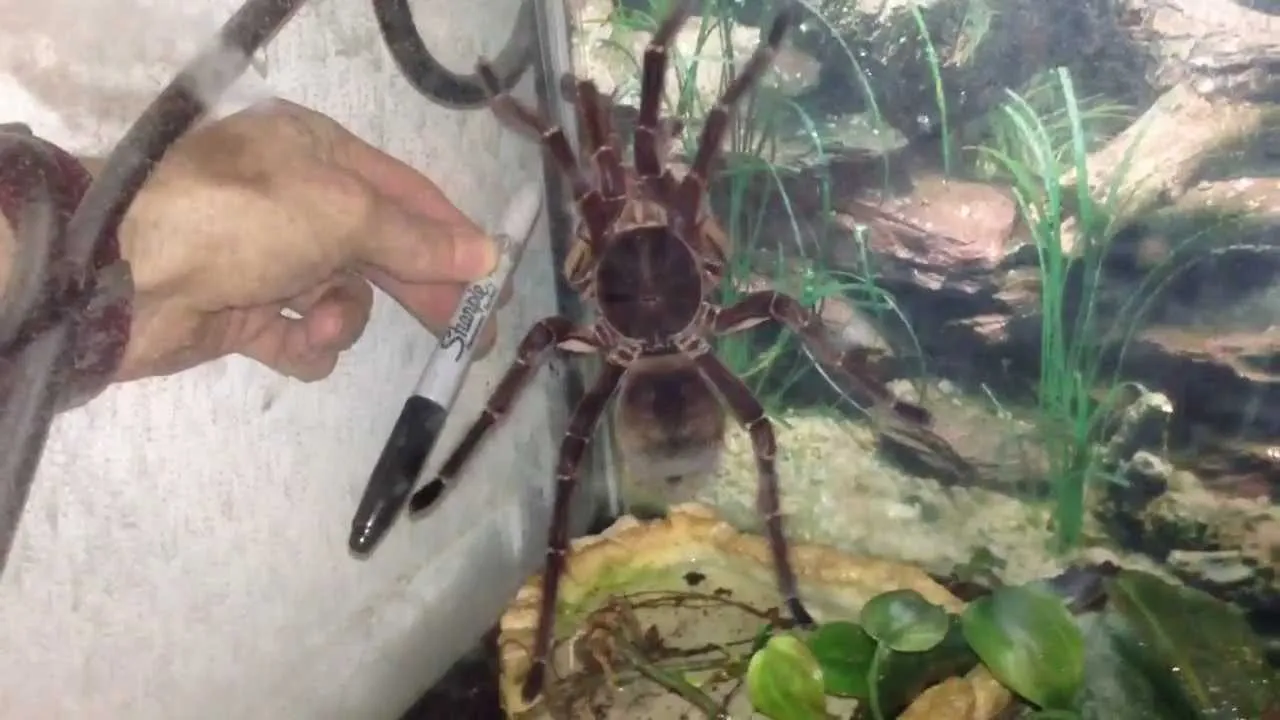
The Goliath birdeater’s size is truly remarkable. Its body can reach up to 4 inches in length, but it’s the leg span that truly impresses, often exceeding a foot. The spider’s body is covered in dense, reddish-brown hairs, providing both camouflage and a sensory mechanism. These hairs also serve as a defense mechanism, as they can be flicked off and cause intense irritation to anyone or anything that comes into contact with them. The fangs, though not the primary weapon in most cases, are impressive and can be up to an inch long. Its overall appearance is that of a formidable predator perfectly designed for its environment. Goliath birdeaters, in their various stages of growth, showcase a visual reminder of the power and complexity of nature.
Habitat and Distribution
The Goliath birdeater’s natural habitat is primarily the rainforests and swampy areas of northern South America, including countries such as Brazil, Venezuela, Guyana, Suriname, and French Guiana. They are ground-dwelling spiders, constructing burrows in the earth, often near the base of trees or under rocks. The warm, humid environment of these regions provides the ideal conditions for their survival. Their distribution is linked to the availability of prey, suitable soil for burrowing, and the absence of extreme climatic conditions. Understanding their habitat is essential in comprehending their behavior, hunting strategies, and the threats they face in the wild. The preservation of their habitat is crucial for the survival of this incredible creature.
The Goliath Birdeater’s Diet Demystified
Despite its name, the Goliath birdeater’s diet isn’t solely composed of birds. The ‘birdeater’ moniker arose from an early engraving depicting one consuming a hummingbird, but birds are a rare part of their diet. The tarantula’s diet is far more diverse, consisting primarily of insects, worms, and other invertebrates. They will also consume small vertebrates, such as lizards, frogs, and occasionally, snakes. The tarantula’s diet is opportunistic, and they will eat whatever prey they can successfully subdue. The actual consumption of birds is rare and often involves opportunistic feeding on chicks or nestlings that have fallen from their nests. The diet of the Goliath birdeater is indicative of its predatory nature and its role within its ecosystem.
The Reality of Bird Consumption

The reality of bird consumption is far less common than the name implies. Birds are not a regular part of the Goliath birdeater’s diet. When it does happen, it’s usually a matter of opportunity rather than a deliberate hunting strategy. The tarantula is more likely to consume a bird if it stumbles upon a nestling or a young bird that has fallen from its nest. Such instances provide an easy meal, but they aren’t the norm. The size and agility of adult birds pose a significant challenge for these spiders. The ‘birdeater’ image, though dramatic, does not accurately reflect the Goliath birdeater’s day-to-day feeding habits; rather, it is a testament to the occasional opportunistic behavior that can occur in nature.
Other Prey of the Goliath Birdeater
The Goliath birdeater primarily feeds on a variety of invertebrates. Large insects such as beetles, grasshoppers, and crickets constitute a significant portion of its diet. Earthworms, and other ground-dwelling organisms are also favorites. They also prey on smaller vertebrates. Lizards, frogs, and small snakes can become meals. The diet of a Goliath birdeater is a good example of its adaptable and opportunistic feeding behavior. This diverse diet allows them to thrive in their natural habitat. The Goliath birdeater’s feeding habits are a clear indicator of its survival abilities and its critical role in the food web.
Hunting Techniques of the Goliath Birdeater
The Goliath birdeater is primarily an ambush predator. It waits in or near its burrow, sensing vibrations in the ground that indicate the presence of potential prey. Once a target is detected, the tarantula will quickly and silently emerge from its hiding place to attack. Its powerful fangs are then employed to inject venom, which paralyzes and begins to break down the tissues of the prey. This approach contrasts with active hunting methods used by other predators, underscoring the Goliath birdeater’s ability to conserve energy and maximize its chances of a successful hunt. The effectiveness of this strategy is evident in the tarantula’s ability to capture prey that can be several times its size.
The Ambush Predator Strategy

The ambush strategy is the core of the Goliath birdeater’s hunting prowess. It involves patience and precision. The tarantula will remain concealed, often within its burrow or beneath leaves, waiting for an unsuspecting creature to pass nearby. Sensory hairs covering its body detect vibrations and movement, relaying information about the potential prey’s size and location. Once a target is within striking distance, the tarantula unleashes a lightning-fast attack. This method gives the Goliath birdeater a high success rate, making it an efficient hunter in its environment. The element of surprise is key, as it allows the tarantula to catch its prey off guard and minimize any risk of injury during the capture.
The Venom and Its Role
The venom of the Goliath birdeater plays a vital role in its hunting success. While not lethal to humans, the venom is potent enough to paralyze the prey and initiate the digestive process. Once the venom is injected via the fangs, it begins to break down the tissues of the prey, making it easier for the tarantula to consume. The venom is not just a paralyzing agent; it also contains enzymes that liquefy the prey’s insides, allowing the spider to suck up the nutrients. The venom composition varies, but it effectively serves to subdue the prey quickly. The venom is central to the Goliath birdeater’s hunting success.
How the Goliath Birdeater Subdues Its Prey
The Goliath birdeater uses a combination of tactics to subdue its prey. Once the spider has ambushed its target, it quickly bites, injecting venom. Simultaneously, it may use its pedipalps, which are appendages near the mouth, to hold the prey and prevent it from escaping. The fangs are sharp and powerful enough to pierce through the exoskeleton of insects or the skin of small vertebrates. The tarantula then typically retreats, allowing the venom to take effect. Once the prey is subdued and paralyzed, the Goliath birdeater begins the process of feeding. This process can take time, depending on the size of the prey, but the combination of ambush, venom, and physical restraint ensures its survival.
The Goliath Birdeater’s Life Cycle

The life cycle of the Goliath birdeater is a remarkable process, from egg to adult. The process involves several stages, including molting, growth, and ultimately, reproduction. The duration of each stage varies depending on environmental conditions and food availability, but the process is consistent. Understanding the life cycle provides insight into the longevity of these creatures and their adaptation to their surroundings. It is a clear display of the resilience and adaptability of these magnificent spiders. Every step reveals the spider’s resilience and unique traits.
Molting and Growth
Molting is a critical process in the Goliath birdeater’s life cycle. As the spider grows, it periodically sheds its exoskeleton, which is a rigid outer covering, and a new, larger one forms underneath. This process, called molting, allows the spider to increase in size. During molting, the tarantula is vulnerable, as it has a soft, unprotected body. They typically retreat into their burrows during this period. Young Goliath birdeaters molt more frequently than adults, with the frequency decreasing as they mature. Molting is an essential process for growth, and it’s a testament to the spider’s ability to adapt and thrive in its environment. The process is a fundamental aspect of the spider’s life and growth.
Lifespan and Maturity
The lifespan of a Goliath birdeater is surprisingly long. Females can live for up to 25 years or more, while males typically have a shorter lifespan, often only living for 3 to 6 years. The age at which they reach maturity also varies. Females usually mature within 3-5 years, whereas males reach maturity faster. The long lifespan of females allows them to reproduce multiple times. Lifespan and maturity are influenced by factors like food availability, temperature, and environmental conditions. The Goliath birdeater’s longevity highlights its ability to adapt and thrive in its habitat. The lifespan of the Goliath birdeater, particularly the females, makes them truly impressive inhabitants of their ecosystems.
Caring for a Goliath Birdeater Tarantula

While these spiders are fascinating, it’s essential to approach their care with caution and respect. Their size and venom require responsible handling. Proper care involves creating a suitable environment, providing appropriate food, and understanding their behavior. Only experienced individuals should handle Goliath birdeaters. These spiders have particular needs, and proper care is essential to their wellbeing and survival. The responsible care of these magnificent creatures is essential to their survival.
Essential Habitat Requirements
To properly care for a Goliath birdeater, you need to replicate its natural habitat as closely as possible. A large terrarium is required, as these spiders are large and need space to move. The enclosure should be at least 20 gallons, but larger is better. Substrate is also important, with a mix of coconut fiber, peat moss, and soil being ideal. This substrate helps to maintain humidity and allows the spider to burrow. Humidity is crucial, so regular misting is necessary. Temperature should be maintained around 75-85°F. Hiding places, such as cork bark or artificial plants, should be provided. These measures simulate a natural environment and are essential to the spider’s welfare.
Feeding Your Tarantula
Feeding your Goliath birdeater involves providing it with a diet that mimics its natural prey. Crickets, mealworms, and roaches are excellent choices, and should be appropriately sized. The frequency of feeding depends on the age of the spider. Young spiders need to be fed more often than adults. It’s important to avoid overfeeding. Remove uneaten prey within 24 hours to prevent stress. Always offer fresh, clean water in a shallow dish. Proper feeding is essential to a tarantula’s health and well-being. This is a key element of caring for this incredible species.
Why the Goliath Birdeater is Fascinating

The Goliath birdeater tarantula offers a fascinating window into the world of arachnids, with its size, hunting techniques, and unique adaptations. Although its name is slightly misleading, the Goliath birdeater is a remarkable predator that has captured the curiosity of many. The Goliath birdeater stands as a symbol of the wild’s mysteries, demanding respect and admiration. Observing the Goliath birdeater provides valuable insights into the natural world and highlights the importance of understanding and protecting these unique creatures. The study of this spider is a testament to the diversity of life. Their story enriches our comprehension of the intricate beauty within the animal kingdom.