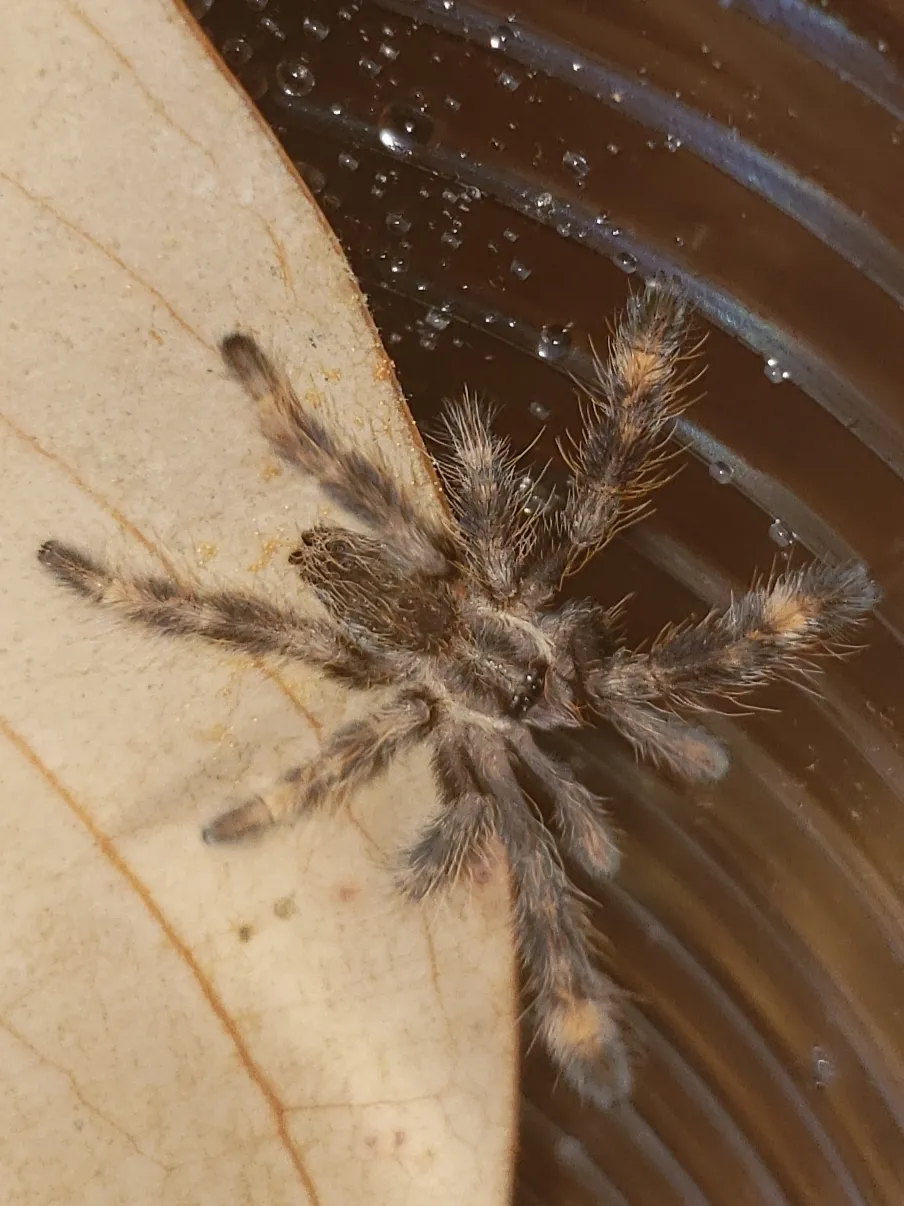
Understanding the Fringed Ornamental Tarantula Bite
The fringed ornamental tarantula (Poecilotheria ornata) is a striking spider, admired for its beautiful markings. However, like all tarantulas, it possesses the ability to bite, and understanding the potential dangers and how to prevent bites is crucial for anyone who keeps or interacts with these creatures. While not typically considered life-threatening to humans, a bite from a fringed ornamental tarantula can cause a range of unpleasant symptoms. This article delves into the specifics of a fringed ornamental tarantula bite, covering its venom, symptoms, potential dangers, and most importantly, how to prevent these bites from occurring in the first place. We will also discuss the immediate steps to take if a bite does occur, ensuring you are well-informed and prepared.
The Venom of the Fringed Ornamental Tarantula
Tarantula venom, including that of the fringed ornamental, is a complex mixture of proteins and enzymes. The primary purpose of this venom is to subdue prey. When a tarantula bites, it injects this venom, which can cause localized pain, muscle cramps, and other symptoms. The venom’s composition varies slightly between different tarantula species, which explains why the severity of a bite can differ. Understanding the components and the way the venom affects a human is important to understand the risk involved and how to act if bitten. Though not as potent as some other venoms, it is still important to understand the mechanism of action and any potential risks. The venom is designed to affect the nervous system, but in humans, the effect is usually limited.
Toxicity Levels

Compared to other venomous creatures, the fringed ornamental tarantula’s venom is considered to have a relatively low toxicity level for humans. However, this does not mean it is harmless. The venom can still cause significant discomfort and localized symptoms. The toxicity level can vary slightly depending on factors such as the spider’s age and overall health. Generally, bites from juvenile tarantulas may contain a lower concentration of venom compared to adult specimens. While fatalities from tarantula bites are extremely rare, it’s essential to take a bite seriously and monitor the affected individual for any adverse reactions. Understanding the potential toxicity helps to manage the expectations and the actions that need to be taken.
Symptoms of a Fringed Ornamental Tarantula Bite
The symptoms experienced after a fringed ornamental tarantula bite can vary from person to person, but several common symptoms are usually present. The intensity of these symptoms can depend on individual sensitivity, the amount of venom injected, and the location of the bite. The symptoms can be broadly categorized into immediate and delayed reactions. It is crucial to recognize these symptoms to ensure that proper care can be given and the person can be monitored for any complications. Knowing what to expect is a part of the treatment, making it less stressful for the victim and the people involved.
Immediate Symptoms
The most immediate symptoms usually include sharp, localized pain at the bite site. This pain can range from a mild sting to a more intense, throbbing sensation. Redness and swelling around the bite area are also common, often appearing within minutes of the bite. Other potential immediate symptoms include muscle cramps or spasms near the bite site. In some cases, there can be minor bleeding from the bite puncture. It’s important to remain calm and observe the individual for any more severe reactions. Applying first aid immediately can help minimize the impact of the bite and help the individual recover.
Delayed Symptoms

Delayed symptoms may appear hours or even days after the bite. These can include itching, localized muscle pain, and in more severe cases, nausea and vomiting. Some individuals may experience flu-like symptoms such as fever, chills, and headaches. More serious but less common reactions include difficulty breathing or swelling of the throat, which could indicate an allergic reaction and require immediate medical attention. It is important to closely monitor the bite victim for any signs of delayed reactions and seek medical attention if they appear. Documenting the reactions can help the doctors diagnose the problem and administer proper treatment.
Dangers of a Fringed Ornamental Tarantula Bite
While a fringed ornamental tarantula bite is rarely life-threatening, there are potential dangers and complications that can arise. Understanding these dangers helps in assessing the risk and taking the necessary precautions. These dangers can range from mild discomfort to more serious health issues, particularly for individuals with certain health conditions or sensitivities. It is important to consider all possibilities when evaluating the risks of a tarantula bite, ensuring that proper care is given. Early intervention and awareness can help mitigate the dangers.
Allergic Reactions
Some individuals may be allergic to tarantula venom, which can lead to more serious reactions. Symptoms of an allergic reaction include difficulty breathing, swelling of the throat or face, hives, and dizziness. Anaphylaxis, a severe allergic reaction, is rare but can be life-threatening. Anyone displaying signs of an allergic reaction after a bite requires immediate medical attention. Having epinephrine, an EpiPen, can be a lifesaver in cases of severe reactions. Knowing whether someone has an allergy and can provide that information to medical professionals is helpful in a fast diagnosis.
Infections

Although the tarantula’s venom itself doesn’t typically cause infections, secondary infections can occur at the bite site. If the bite punctures the skin, bacteria can enter the wound, leading to a local infection. Signs of infection include increased redness, swelling, warmth, pus, and fever. If an infection develops, prompt medical treatment, including antibiotics, may be necessary. Keeping the bite site clean and dry can help prevent infections. Regular cleaning and care are important and can prevent the need for strong interventions.
Long-Term Health Complications
Long-term health complications from a fringed ornamental tarantula bite are rare. However, in some cases, individuals may experience chronic pain or sensitivity at the bite site. Additionally, there may be psychological effects, such as anxiety or fear related to spiders. In very rare instances, severe allergic reactions could potentially lead to long-term health problems. If you experience any persistent health concerns following a bite, it is important to consult with a medical professional. Seeking medical attention can ensure that any potential concerns are properly addressed. In most cases, there are no long-term effects after the bite heals.
Preventing Fringed Ornamental Tarantula Bites
The best way to deal with a fringed ornamental tarantula bite is to prevent it in the first place. Understanding tarantula behavior and implementing safe handling practices can significantly reduce the risk of being bitten. By taking the necessary precautions, you can ensure your safety and the well-being of the tarantula. Prevention is paramount, and requires knowledge and practice.
Safe Handling Techniques

If you need to handle a fringed ornamental tarantula, always do so with extreme caution and only when necessary. Avoid handling the tarantula unless it is essential, such as for cleaning or moving the enclosure. Always use long tongs to handle the tarantula, keeping your hands and fingers away from the spider’s reach. Work slowly and deliberately, avoiding any sudden movements that could startle the tarantula. Never try to grab or corner the tarantula, as this can provoke a defensive response. By following these safe handling techniques, you can drastically minimize the risk of being bitten. Remember that patience and calmness are essential when handling tarantulas.
Creating a Safe Environment
Creating a safe environment for both you and your fringed ornamental tarantula is key to preventing bites. Ensure the tarantula’s enclosure is secure and properly maintained. Use a secure enclosure with a tight-fitting lid to prevent escape. Provide the tarantula with a suitable habitat that includes appropriate substrate, hiding places, and water. Avoid placing the enclosure in high-traffic areas where it could be bumped or disturbed. When cleaning the enclosure, wear gloves and long sleeves to protect yourself from bites. Regularly inspect the enclosure for any signs of damage or escape routes. A well-maintained and secure environment minimizes the stress on the tarantula and reduces the likelihood of defensive behavior.
What to Do if Bitten
Despite your best efforts, a fringed ornamental tarantula bite can still occur. Knowing how to respond quickly and effectively is crucial to minimizing the impact of the bite and ensuring proper care. The first few minutes are critical, and following the correct procedures can significantly improve the outcome. Keep calm, assess the situation, and act accordingly. Having a plan in place can alleviate stress and help make sure that you react in the right way.
First Aid Measures

If bitten, immediately wash the bite area with soap and water. Apply a cold compress to the bite site to reduce swelling and pain. Keep the affected limb elevated to further reduce swelling. Monitor the bite site closely for any signs of infection or allergic reaction. If you experience severe symptoms such as difficulty breathing, swelling of the face or throat, or dizziness, seek immediate medical attention. If possible, try to identify the spider. In any case, document the situation and take the necessary pictures for later diagnosis. Prompt first aid can minimize the severity of the bite.
When to Seek Medical Attention
While most fringed ornamental tarantula bites are not life-threatening, it is important to know when to seek medical attention. Seek immediate medical attention if you experience severe symptoms such as difficulty breathing, swelling of the throat or face, or signs of an allergic reaction. If you notice symptoms such as severe pain, persistent swelling, or signs of infection, consult a doctor. In cases of uncertainty, it is always best to err on the side of caution and seek professional medical advice. Early intervention can prevent complications and ensure proper treatment. Don’t hesitate to seek medical help when necessary.
Post-Bite Care and Recovery
After a fringed ornamental tarantula bite, proper post-bite care is essential for a full recovery. Following these guidelines will ensure that the bite site heals properly and minimize the risk of complications. Taking the appropriate steps after a bite can help you manage the discomfort and prevent further problems. Proper care is key to a smooth recovery process.
Monitoring the Bite Site

Regularly monitor the bite site for any changes. Watch for increasing redness, swelling, warmth, or pus, which could indicate an infection. If you notice any signs of infection, seek medical attention promptly. Continue to clean the bite area gently with soap and water to keep it clean. Keep the bite site clean and dry to promote healing. Taking note of any changes in the bite will help doctors provide a precise diagnosis and care.
Potential Treatments
Treatment for a fringed ornamental tarantula bite is generally supportive and focuses on alleviating symptoms. Pain relievers and anti-inflammatory medications can help manage pain and swelling. If an infection develops, antibiotics may be necessary. For severe allergic reactions, medical professionals may administer antihistamines or epinephrine. In most cases, the bite will heal on its own within a few days or weeks with proper care. Follow your doctor’s instructions carefully. Your doctor will determine the best course of treatment based on the bite’s severity and your individual symptoms.