What Makes a Tarantula ‘Friendly’?
The concept of a ‘friendly’ tarantula is often misunderstood. Unlike dogs or cats, tarantulas don’t exhibit affection in the same way. However, some species and individual tarantulas display behaviors that can be interpreted as docile or less prone to aggression. Friendliness in tarantulas is primarily about their temperament, how they react to being handled, and their overall behavior within their enclosure. It’s crucial to approach the idea of a friendly tarantula with realistic expectations, understanding that their interactions are based on instinct and self-preservation rather than companionship. Careful observation of their species-specific traits and individual personality is key to understanding their behavior and ensuring a safe and enjoyable experience.
Understanding Tarantula Behavior
Tarantula behavior is primarily driven by instinct. They are solitary creatures, and their interactions with humans are largely based on their perception of threat. Understanding their behavior requires recognizing their natural instincts, such as hunting, hiding, and defending themselves. Tarantulas communicate primarily through body language, including posture, leg position, and the flicking of urticating hairs. Observing these subtle cues can provide valuable insight into a tarantula’s mood and intentions. For instance, a tarantula that is in a defensive posture, with its fangs bared, is clearly signaling that it feels threatened. Conversely, a tarantula that remains calm and retreats into its hide is often displaying a less aggressive disposition.
The Difference Between Defensive and Aggressive

Distinguishing between defensive and aggressive behavior is crucial when interacting with tarantulas. Defensive behavior is a tarantula’s immediate response to perceived threats, such as raising its front legs, displaying its fangs, or flicking urticating hairs. This behavior is primarily meant to deter potential predators. Aggressive behavior, on the other hand, is a more proactive attempt to attack or subdue a threat. While some tarantulas may be more prone to defensive behaviors than others, true aggression is less common. Understanding the subtle nuances of their behavior is paramount for the safety of both the owner and the tarantula. It’s always advisable to respect a tarantula’s boundaries and avoid actions that might trigger a defensive response.
Top 5 Amazing Facts About Friendly Tarantulas
Fact 1 Temperament and Species
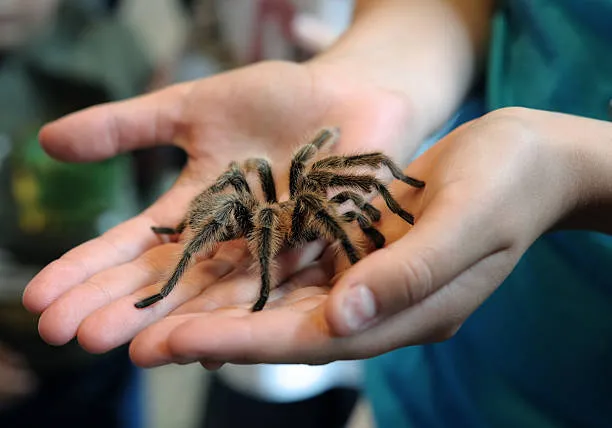
Certain tarantula species are known for their calmer temperaments. The Grammostola genus, which includes the Chilean rose hair tarantula, is often considered a good choice for beginners due to their docile nature. These species are typically less likely to bite and may tolerate handling better than others. However, it’s important to remember that individual personalities vary, and a tarantula’s temperament can also be influenced by factors such as its age, environment, and past experiences. Researching specific species and their known behaviors is essential to setting realistic expectations and choosing a tarantula that aligns with your experience level and comfort with handling. Consider how different species react to handling, and choose one with a reputation for being less skittish or defensive.
Fact 2 The Role of Environment

A tarantula’s environment plays a significant role in its behavior. A well-maintained enclosure that mimics the tarantula’s natural habitat can reduce stress and promote a more relaxed demeanor. This includes providing appropriate temperature, humidity, and substrate. If a tarantula feels secure and has access to hiding places, it is less likely to feel threatened. Environmental enrichment, such as adding decorations and varying the layout of the enclosure, can also help to keep a tarantula engaged and reduce boredom, which can sometimes lead to increased irritability. Stressful conditions, such as sudden loud noises or frequent disturbances, can make a tarantula more defensive. Therefore, creating a stable and predictable environment is crucial for fostering a more ‘friendly’ disposition.
Fact 3 Dietary Needs and Friendliness
A well-fed tarantula is generally a calmer tarantula. Proper nutrition is essential for a tarantula’s overall health and can significantly impact its behavior. Providing a consistent diet of appropriate prey items, such as crickets, roaches, or mealworms, ensures the tarantula is not stressed due to hunger. It is important to avoid overfeeding, which can lead to health issues, as well as underfeeding, which can lead to stress and a more defensive attitude. Always provide a fresh water source for hydration. Observing a tarantula’s feeding habits can also provide insights into its well-being. A tarantula that is consistently eating and growing is generally more likely to be healthy and less prone to defensive behaviors. Make sure to feed the right amount and the right size of prey to ensure the tarantula is healthy.
Fact 4 Handling and Interaction
Handling a tarantula, even a ‘friendly’ one, should be approached with caution. It is essential to handle tarantulas gently and avoid sudden movements. Before attempting to handle, observe the tarantula’s behavior; if it appears agitated or defensive, it is best to avoid handling it. Always handle a tarantula close to the ground to minimize the risk of injury if it falls. It is also crucial to wash your hands before and after handling to prevent the transfer of chemicals or odors that might be disturbing to the tarantula. Always remember that handling is a privilege, not a right. Respecting the tarantula’s boundaries and being mindful of its comfort is paramount. Never force interaction, and be prepared to end the handling session if the tarantula shows signs of stress or discomfort.
Fact 5 Longevity and Bonding

Tarantulas are long-lived creatures. Some species can live for over 20 years, which can create a unique bond between the tarantula and its keeper. While tarantulas do not form emotional bonds in the same way as mammals, consistent care and interaction over time can result in the tarantula becoming more accustomed to the keeper. This may lead to it being less skittish or defensive. The more time you spend caring for your tarantula, the more familiar it will become with your presence. Over time, a tarantula might become more comfortable with your hand in the enclosure, or may even appear to recognize you. However, it is critical to maintain realistic expectations; a tarantula’s behavior is primarily driven by instinct, and their actions will never be the same as a domesticated animal.
Choosing a Friendly Tarantula Species
The Best Tarantula Species for Beginners
For beginners, species such as the Chilean rose hair (Grammostola rosea) and the Pinktoe tarantula (Avicularia avicularia) are often recommended. These species tend to have a docile temperament and are less likely to bite or exhibit aggressive behaviors. They are also relatively easy to care for, making them an excellent choice for those new to tarantula ownership. However, it’s essential to conduct thorough research on any species before acquiring it. This includes understanding its specific care requirements, temperament, and potential health issues. Reading forums, and talking to experienced keepers can provide valuable insights. Never assume all individuals of the same species behave identically, and it is crucial to respect each tarantula as an individual.
Species to Avoid if You Want a Friendly Pet

Some tarantula species are known for their more defensive or aggressive behaviors. The Goliath birdeater (Theraphosa blondi) and the King baboon tarantula (Pelinobius muticus) are examples of species that are often best left to experienced keepers. These tarantulas have a tendency to bite, and their venom can be quite potent. They are also prone to flicking urticating hairs, which can cause irritation and discomfort. Before choosing a tarantula, consider your experience level and tolerance for potentially stressful interactions. Even if a species is generally considered docile, individual personalities vary, and all tarantulas should be treated with respect and caution.
Creating a Safe Environment for Your Tarantula
Enclosure Setup and Considerations
A well-designed enclosure is fundamental for a tarantula’s well-being and behavior. The enclosure should be large enough to allow the tarantula to move freely but not so large that the tarantula feels exposed and stressed. The size of the enclosure should be determined by the size and species of the tarantula. The enclosure should have a secure lid to prevent escape and appropriate ventilation to maintain air quality. The type of substrate used should be suitable for the species’ needs. For terrestrial tarantulas, a substrate like coco fiber or peat moss is typically used, while arboreal species may benefit from a substrate that allows them to burrow. Decorations such as hides, branches, and plants provide enrichment and a sense of security. Always ensure that all decorations are non-toxic and will not harm the tarantula. Make sure to remove all uneaten food, as it can attract mites and other pests.
Temperature and Humidity
Maintaining the correct temperature and humidity levels is vital for a tarantula’s health and behavior. Most tarantulas thrive in temperatures between 75°F and 85°F (24°C and 29°C). This can be achieved using a heat lamp, heat mat, or room heater. Ensure the heat source is regulated to avoid overheating the enclosure. Humidity levels also vary depending on the species. Tropical species require higher humidity levels (70-80%), while more arid species prefer lower humidity levels (50-60%). Humidity can be monitored using a hygrometer and maintained by misting the enclosure with water, providing a water dish, and ensuring proper ventilation. Incorrect temperature or humidity levels can stress a tarantula and make it more defensive.
Diet and Nutrition for a Happy Tarantula
Feeding Frequency and Food Types
The diet of a tarantula largely consists of live insects, such as crickets, roaches, mealworms, and superworms. The feeding frequency varies depending on the tarantula’s age and size. Spiderlings require more frequent feedings, while adult tarantulas can be fed less often. It is essential to offer the tarantula a variety of insects to ensure it receives a balanced diet. The size of the prey should be appropriate for the size of the tarantula, as too large a prey item can stress the tarantula and may even lead to injury. Always ensure that the prey insects are gut-loaded with nutritious food before feeding. Provide a shallow dish of fresh water at all times.
Water and Hydration

Access to fresh, clean water is crucial for a tarantula’s health and hydration. A shallow water dish should always be provided in the enclosure. The dish should be easily accessible but shallow enough to prevent the tarantula from drowning. The water should be replaced regularly to prevent contamination. In addition to providing a water dish, some keepers also mist the enclosure to increase humidity, which helps the tarantula stay hydrated. Tarantulas absorb water through their exoskeleton, and maintaining proper hydration is essential for their molting process and overall well-being. Lack of water can lead to dehydration, lethargy, and an increase in defensive behavior.
Handling Your Tarantula Safely
When to Avoid Handling
There are times when handling a tarantula should be avoided altogether. During the pre-molt phase, when the tarantula is preparing to shed its exoskeleton, it is particularly vulnerable and should not be handled. Newly molted tarantulas also have a soft exoskeleton and should be left undisturbed until their new exoskeleton hardens. Pregnant females should be handled with extreme caution or not at all, as stress can lead to complications. Any tarantula that exhibits signs of stress, such as a defensive posture, or excessive movement should not be handled. The safety and well-being of the tarantula should always be the top priority.
Recognizing Signs of Stress
Recognizing signs of stress is essential for responsible tarantula ownership. A stressed tarantula may display various behaviors, including a defensive posture with raised legs and fangs, flicking of urticating hairs, or rapid movements. Other signs of stress include refusing to eat, hiding excessively, and pacing within the enclosure. If a tarantula shows any of these signs, it’s important to identify the cause and address it. This may involve adjusting the enclosure’s environment, providing more hiding places, or reducing disturbances. If the stress persists, it’s advisable to consult with a veterinarian or an experienced tarantula keeper. Constant stress can lead to health problems, so addressing the issue promptly is crucial.
Conclusion
While the term ‘friendly’ may not perfectly describe the relationship between humans and tarantulas, understanding their behavior, providing a suitable environment, and handling them with respect can create a rewarding experience for both the keeper and the arachnid. Researching species, creating a safe habitat, and observing your tarantula’s behavior are crucial for responsible ownership. By understanding their needs and respecting their boundaries, you can enjoy the unique experience of keeping these fascinating creatures.