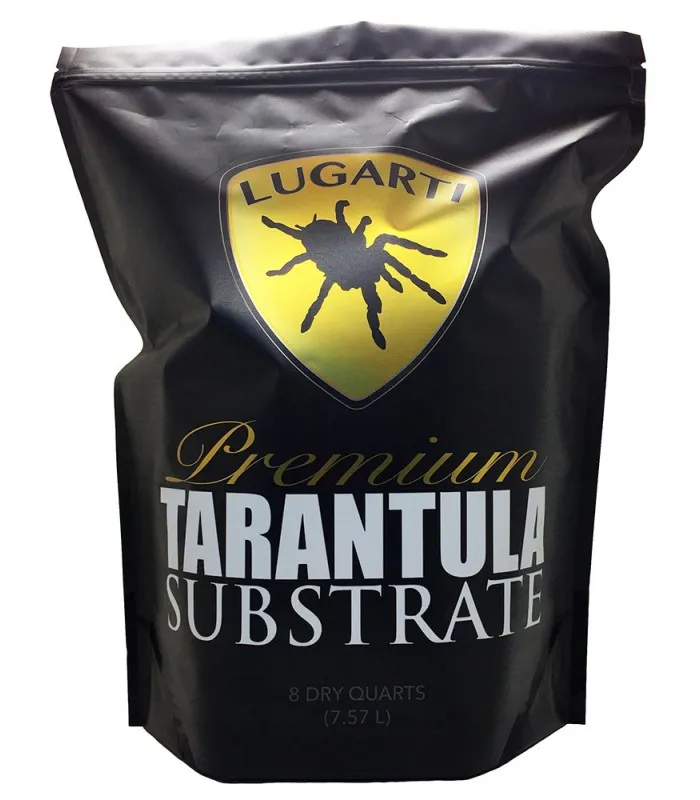
What is Fossorial Tarantula Substrate
Fossorial tarantulas, with their burrowing nature, have unique substrate needs. The substrate is more than just bedding; it’s a critical component of their environment. It provides them with a place to create burrows, regulate humidity, and feel secure. A well-chosen substrate will mimic their natural habitat, promoting the tarantula’s well-being and ensuring a healthy, stress-free life. Understanding the importance of substrate is the first step in responsible tarantula care, making it essential for any owner to prioritize this aspect of their pet’s enclosure.
Why Substrate Matters for Fossorial Tarantulas
The substrate’s significance extends beyond mere aesthetics. For fossorial tarantulas, it’s a fundamental element. Primarily, it enables them to express their natural burrowing behaviors, which are crucial for their physical and psychological health. Burrows offer shelter from predators, regulate temperature and humidity, and provide a sense of security. The substrate also plays a vital role in maintaining the correct humidity levels within the enclosure, which is essential for successful molting and overall health. Proper substrate choices also contribute to the overall cleanliness of the enclosure, aiding in waste decomposition and preventing the buildup of harmful bacteria and mold.
Ideal Substrate Characteristics
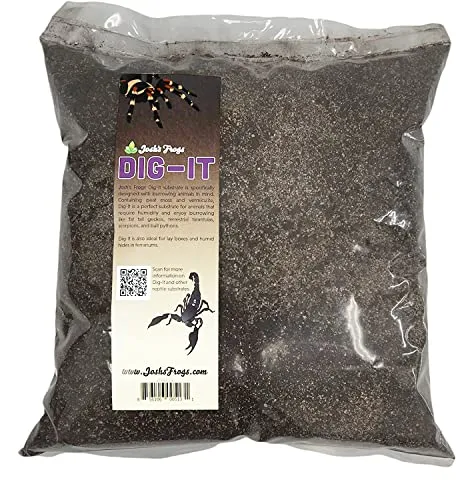
When selecting the appropriate substrate for your fossorial tarantula, several key characteristics must be considered to ensure it meets the tarantula’s specific needs. The best substrate options offer a balance of key features. The perfect substrate is one that promotes natural behaviors while maintaining the enclosure’s health.
Moisture Retention
Moisture retention is crucial for maintaining the required humidity levels. The substrate should absorb and retain moisture without becoming waterlogged, which can lead to mold and bacterial growth. Good moisture retention aids in successful molting, as tarantulas require higher humidity to shed their exoskeletons properly. This is especially important for fossorial species, which often burrow deep and rely on consistent humidity within their underground habitats.
Burrowing Ability
Fossorial tarantulas have a natural instinct to burrow, and the substrate must facilitate this behavior. The substrate should be firm enough to support the burrows yet soft enough to allow for easy digging. The ability to create and maintain burrows is essential for their well-being, providing security, temperature regulation, and a place to retreat. A substrate that crumbles or collapses will not suffice.
Safety and Non-Toxicity
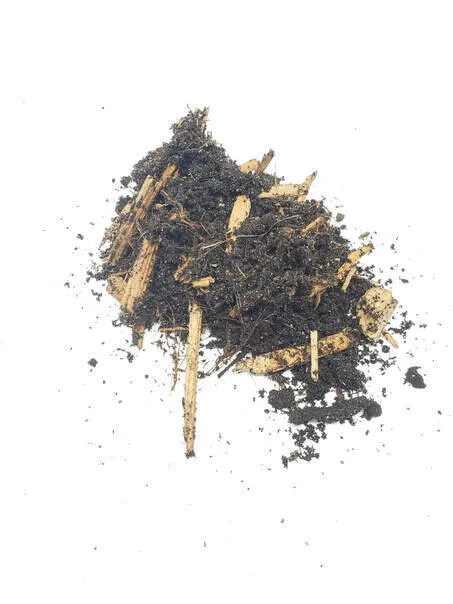
The substrate must be safe for your tarantula, free from chemicals, toxins, and sharp objects that could harm it. It should not contain any substances that could cause respiratory issues or skin irritation. Natural substrates like eco-earth, peat moss, and topsoil are generally safe options, as they are less likely to contain harmful additives. Always ensure the substrate is specifically designed for reptile or invertebrate use to avoid any potential risks.
Choosing the Right Substrate
Selecting the correct substrate for your fossorial tarantula is a critical step in providing a suitable habitat. Several substrate options are available, each offering unique benefits. Considerations such as moisture retention, burrowing ability, and safety should guide your choice, ensuring that you select a substrate that aligns with your tarantula’s specific needs. The best option will replicate the conditions the tarantula would experience in its natural environment.
Eco Earth
Eco Earth is a popular substrate choice, composed of compressed coconut fiber. It excels in moisture retention and offers excellent burrowing properties, making it an excellent choice for fossorial species. It’s also readily available, easy to handle, and safe for tarantulas. Eco Earth’s natural composition reduces the risk of chemical exposure. Regular misting is usually required to maintain proper humidity levels. Eco Earth often compacts well, offering stability for burrows.
Peat Moss

Peat moss is another excellent option for fossorial tarantulas, prized for its moisture retention and burrowing capabilities. It provides a slightly acidic environment, which can help prevent mold and bacterial growth, creating a healthier environment for your tarantula. It is a natural product, which minimizes the risk of exposure to harmful chemicals. Ensure the peat moss is free from additives. It may require more frequent misting to maintain the ideal humidity levels. Peat moss tends to hold burrows well and is widely available at most pet stores.
Topsoil
Topsoil, especially organic topsoil free from fertilizers and pesticides, can be a suitable option. It offers excellent burrowing capabilities and a naturalistic appearance, replicating the tarantula’s natural habitat. It is essential to ensure the topsoil is sterilized or baked to eliminate any potential pests or contaminants. Topsoil may need to be mixed with other substrates to improve moisture retention and prevent compaction. Its natural composition mimics the conditions of the tarantula’s native environment.
Substrate Depth & Tank Size
The depth of the substrate and the size of the tank are crucial considerations for the well-being of your fossorial tarantula. These factors directly influence its ability to burrow, regulate humidity, and feel secure in its environment. A tank that is too small or with inadequate substrate depth will not allow the tarantula to express its natural behaviors.
How Deep Should the Substrate Be

The substrate depth should be at least as deep as the tarantula’s leg span, or preferably deeper, to allow for adequate burrowing. This depth allows the tarantula to create stable and secure burrows. For smaller tarantulas, 4–6 inches of substrate may suffice, while larger species may require 8–12 inches or more. The depth will also aid in maintaining humidity and temperature gradients within the enclosure. Always observe your tarantula’s behavior and adjust the substrate depth accordingly, providing more depth if your tarantula seems to be trying to dig deeper than the current level.
Tank Size Considerations
The tank size must accommodate the tarantula’s adult size and allow for sufficient substrate depth. A general guideline is to provide a tank that is at least three times the tarantula’s leg span in length and width, with ample height to allow for the substrate and any additional décor. A larger tank provides more space for burrowing and reduces stress. However, it should not be so large that the tarantula feels exposed and vulnerable. The tank size should complement the substrate depth to create a balanced, healthy environment.
Substrate Layering Techniques
Layering the substrate can enhance its functionality and aesthetic appeal. Strategic layering can optimize moisture retention, improve drainage, and create a more natural environment for your tarantula. It’s a technique that contributes to the overall health and well-being of your tarantula. These techniques can improve the functionality and aesthetic appeal of the enclosure.
Adding Drainage Layers
Adding a drainage layer at the bottom of the enclosure can prevent the substrate from becoming waterlogged. This layer can consist of gravel, clay balls, or other materials that allow excess water to drain away from the substrate. This is especially useful for species that require high humidity but are susceptible to stagnant conditions. Ensure the drainage layer does not come into direct contact with the tarantula’s burrow to avoid accidental cave-ins.
Creating a Surface Layer
A surface layer can enhance the aesthetic appeal and provide additional support for the tarantula’s burrows. This could consist of a thin layer of sphagnum moss, leaf litter, or small pieces of bark. These additions can also aid in humidity regulation and provide hiding places. Ensure the materials are safe and non-toxic. Surface layers contribute to a more natural-looking environment, mirroring the tarantula’s natural habitat.
Maintaining the Substrate
Regular maintenance of the substrate is essential to ensure a healthy and clean environment for your fossorial tarantula. Proper maintenance helps maintain optimal humidity, prevent the buildup of harmful bacteria, and keep the enclosure clean. This routine maintenance can prevent the common issues associated with improper care.
Moisture Management

Moisture management involves monitoring and adjusting the humidity levels within the enclosure. This can be achieved by misting the substrate with water, or by providing a water dish. The frequency of misting will depend on the substrate type and the specific needs of the tarantula species. Avoid over-misting, which can lead to mold growth. Regularly check the substrate’s moisture content, aiming for a consistently damp but not soggy environment. If using a water dish, ensure it is shallow and accessible.
Cleaning and Replacing the Substrate
Regular cleaning and replacement of the substrate are critical to maintain a hygienic environment. Remove any uneaten food, shed exoskeletons, and fecal matter as soon as possible. A partial substrate change should be done every few months to remove any accumulated waste and replenish the substrate’s freshness. The entire substrate should be replaced every six to twelve months, depending on the tarantula’s size and the rate of waste production. During the cleaning process, be sure to thoroughly clean the enclosure to prevent any remaining bacteria from being reintroduced.
Final Thoughts
Choosing and maintaining the right substrate is crucial for providing your fossorial tarantula with a healthy and enriching habitat. By understanding the importance of substrate, considering its characteristics, selecting appropriate materials, and practicing proper maintenance, you can create an environment where your tarantula thrives. A well-maintained substrate provides your pet with comfort, security, and the opportunity to express its natural behaviors.