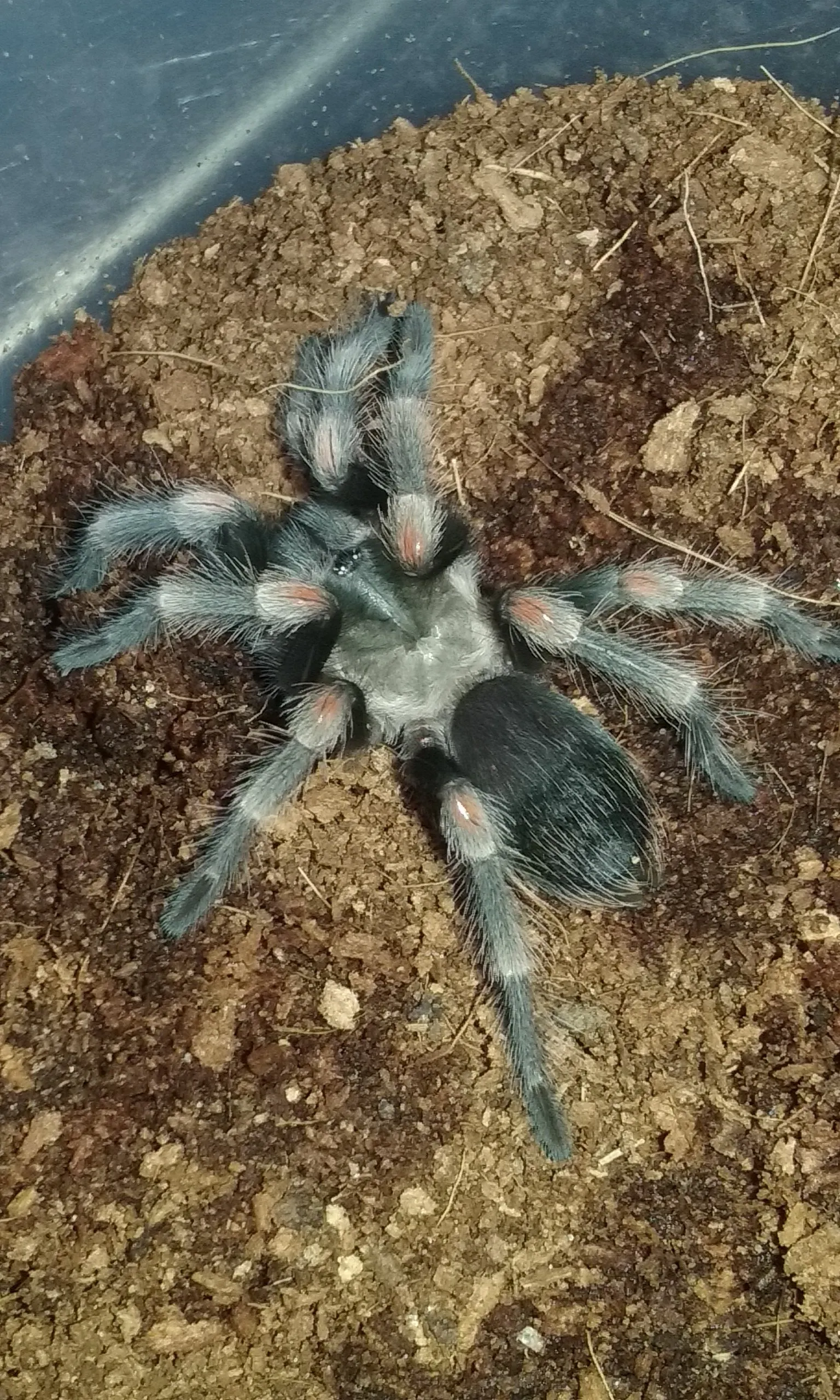
Understanding the Flame Knee Tarantula
The Flame Knee Tarantula (scientific name: Brachypelma auratum) is a stunning and popular pet spider, admired for its vibrant coloration and relatively docile temperament. Native to the Pacific slopes of Guerrero, Mexico, these spiders are known for their striking black and orange markings, resembling flames, which give them their common name. Keeping a Flame Knee Tarantula can be a rewarding experience, offering a fascinating glimpse into the world of arachnids. However, understanding their specific needs is essential for providing a healthy and enriching environment. This guide aims to provide comprehensive information on how to care for your Flame Knee Tarantula, covering everything from habitat setup and feeding to handling and health considerations.
Appearance and Characteristics
The Flame Knee Tarantula is renowned for its striking appearance. Adults typically have a carapace that is a dark brown or black color, with the namesake vibrant orange or red coloration on the patella (knees) of their legs. Their abdomen is usually black, covered with urticating hairs used as a defense mechanism. These tarantulas are relatively large, with females often reaching a leg span of up to 6 inches, while males are typically smaller. Their overall build is robust and sturdy, which is typical of terrestrial tarantula species. The combination of colors makes them a visually appealing pet and one of the reasons they are so sought after in the pet trade. Observing their movements and behaviors can be a fascinating experience for any tarantula enthusiast.
Habitat and Environment

Understanding the natural habitat of the Flame Knee Tarantula is crucial for replicating a suitable environment in captivity. They originate from the dry scrublands and forests of the Pacific coast of Mexico. In their natural habitat, they are burrowing spiders, spending most of their time in underground burrows. They prefer a terrestrial environment with plenty of hiding places. The climate in their native region is characterized by warm temperatures and moderate humidity. Replicating these conditions will ensure your tarantula thrives. Providing a habitat that mimics their natural environment will reduce stress and promote their well-being, leading to a healthier and happier pet.
Creating the Ideal Enclosure
Setting up the right enclosure is a critical step in caring for your Flame Knee Tarantula. A well-designed habitat will not only meet the spider’s needs but also provide an aesthetically pleasing display for you. The enclosure should be secure, easy to clean, and allow for proper ventilation while maintaining the necessary temperature and humidity levels. Consider the size of your tarantula when choosing the enclosure size; a juvenile will need less space than an adult. Thoughtful planning ensures your tarantula has a safe and comfortable home.
Choosing the Right Tank
For a Flame Knee Tarantula, a glass or acrylic terrarium is ideal. The enclosure should be escape-proof, with a secure lid. The size of the enclosure should match the size of the tarantula. A juvenile can thrive in a 5-10 gallon tank, while an adult will need a larger enclosure, approximately 10-20 gallons. Ensure there is adequate ventilation to prevent the buildup of excess humidity, which can lead to health issues. Front-opening enclosures can be particularly convenient for feeding and maintenance, but always ensure that the door seals tightly. Consider the adult size of your tarantula when selecting the tank size to avoid needing to upgrade later.
Substrate and Decor

The substrate is the bedding material at the bottom of the enclosure, which serves several purposes, including moisture retention, providing a medium for burrowing, and acting as a comfortable surface for the tarantula. A mix of substrate materials is often the best option, such as a combination of coconut fiber (eco earth), peat moss, and a bit of vermiculite or sphagnum moss to help retain moisture. The substrate should be deep enough for the tarantula to burrow – about 4-6 inches is generally recommended. Decorate the enclosure with items that provide hiding places, such as a piece of cork bark, artificial plants, or a half-log. These additions will make your tarantula feel more secure and provide enrichment. Always ensure that any decorations are nontoxic and do not have sharp edges.
Temperature and Humidity
Maintaining the correct temperature and humidity levels is vital for the health of your Flame Knee Tarantula. They thrive in a temperature range of 75-85°F (24-29°C). A heat mat placed on the side of the enclosure can help maintain this temperature, but avoid placing it directly under the tank, as this could be too hot. Regularly monitor the temperature with a thermometer. The humidity level should be kept between 60-70%. This can be achieved by lightly misting the enclosure with water every few days, depending on your location’s environmental conditions, and by ensuring proper ventilation. You can also use a hygrometer to monitor humidity levels. Be careful not to over-mist the enclosure, as excessive humidity can lead to mold growth and health issues.
Feeding Your Flame Knee Tarantula
Proper feeding is crucial for the health and growth of your Flame Knee Tarantula. They are opportunistic predators, meaning they will eat whatever they can catch. Providing a balanced diet and appropriate feeding frequency will keep your tarantula healthy and well-nourished. Consider the age of your tarantula, as juveniles will require more frequent feedings than adults. Observing your tarantula’s feeding habits and overall health will help you adjust their diet as needed. It is important not to overfeed your tarantula, as this can lead to health problems.
What to Feed

The diet of a Flame Knee Tarantula primarily consists of insects. Crickets, mealworms, and roaches are common and nutritious options. It’s important to vary the diet to ensure they receive a range of nutrients. Always make sure the insects are gut-loaded before feeding them to your tarantula, which means feeding the insects nutritious food a few days before feeding them to your tarantula to enhance their nutritional value. Avoid feeding wild-caught insects, as they may carry parasites or pesticides. For juveniles, flightless fruit flies can be a good choice because of their smaller size. Always remove any uneaten food within 24 hours to prevent the growth of mold or mites.
Feeding Frequency
The feeding frequency will depend on the age of your tarantula. Spiderlings and juveniles (up to 2 inches in leg span) should be fed 2-3 times a week. Sub-adults (2-4 inches) can be fed 1-2 times a week. Adult Flame Knee Tarantulas can be fed once a week or every other week. Always adjust the feeding frequency based on your tarantula’s behavior and appetite. If your tarantula refuses to eat, it could be a sign that it is about to molt. It is also important to remember that tarantulas can survive for extended periods without food, so don’t be alarmed if they skip a meal or two.
Water and Hydration
Fresh, clean water is essential for your Flame Knee Tarantula’s survival. Provide water in a shallow dish that is easily accessible, preferably a water dish made of ceramic or plastic. The water should be shallow enough to prevent drowning, especially for smaller tarantulas. You can use a sponge or cotton ball in the water dish to provide a safer drinking area. Replace the water regularly, at least once a week, to keep it fresh. Besides the water dish, you can also mist the enclosure lightly to increase humidity and provide a source of water droplets that the tarantula can drink from. Always monitor the water level and quality to ensure your tarantula stays hydrated.
Handling and Safety

While Flame Knee Tarantulas are known for their docile nature, it’s essential to handle them with caution. Always prioritize the safety of both the tarantula and yourself. Handling should be kept to a minimum, and only when necessary, as it can cause stress to the spider. Educate yourself on safe handling techniques and recognize the signs of a stressed tarantula before attempting to handle it. Proper handling techniques will minimize the risk of being bitten or triggering the tarantula’s defensive behavior. Always approach a tarantula with respect and awareness of its potential reactions.
Safe Handling Techniques
If you need to handle your Flame Knee Tarantula (e.g., for enclosure maintenance), do so gently and cautiously. Approach the tarantula slowly and use a soft paintbrush or a similar tool to gently encourage it to walk onto your hand. Always keep your movements slow and deliberate, avoiding sudden motions that could startle the tarantula. Handle the tarantula close to a soft surface, such as a bed or carpet, in case it falls. Avoid holding the tarantula high above the ground. Wash your hands thoroughly before and after handling to prevent the transmission of any oils or chemicals that could harm the tarantula. Remember, handling a tarantula is primarily for practical purposes.
Recognizing Stress Signals
It is crucial to recognize signs of stress in your Flame Knee Tarantula to avoid causing it undue harm. Signs of stress include the tarantula raising its front legs defensively, flicking urticating hairs (a defense mechanism), or attempting to flee. If your tarantula exhibits any of these behaviors, it’s best to leave it alone and allow it to calm down. Avoid handling a tarantula that appears stressed. Some tarantulas may also display a defensive posture, such as rearing up or presenting their fangs, which is a clear indicator that they feel threatened. Always respect the tarantula’s boundaries and ensure that it feels safe in its environment to minimize stress.
Health and Common Issues

While Flame Knee Tarantulas are generally hardy, they can be susceptible to certain health issues. Regular observation and proper care are the best ways to prevent and address any health problems. Understanding common issues like moulting difficulties or mite infestations will help you take proactive steps to ensure your tarantula’s well-being. Always consult with an experienced tarantula keeper or a veterinarian specializing in exotic pets if you notice any unusual symptoms or behavior.
Moulting and What to Expect
Moulting is a natural process where a tarantula sheds its exoskeleton to grow. During this time, the tarantula will typically stop eating and may appear lethargic. It will often flip onto its back to molt. Do not disturb the tarantula while it is moulting. The new exoskeleton will be soft and vulnerable. After moulting, the tarantula will need a few days to harden its new exoskeleton before resuming normal activities. Provide fresh water and offer food a week after the moult. Do not try to assist a tarantula during the molting process unless it is clearly struggling, as this can be very dangerous and potentially fatal for the tarantula.
Identifying and Treating Common Diseases
Tarantulas can be affected by various diseases. Parasites are a common concern and can include mites. Mites can be identified as small, moving spots on the tarantula or in the enclosure. To treat mites, isolate the affected tarantula, clean the enclosure thoroughly, and replace the substrate. You can also use mite-killing products specifically designed for reptiles and arachnids. Bacterial or fungal infections can also occur, often due to poor enclosure conditions. If you notice any signs of illness, such as lethargy, loss of appetite, or unusual lesions, consult a veterinarian experienced in exotic pets. Maintaining a clean and appropriate environment is key to preventing diseases. Always quarantine new tarantulas before introducing them to your existing collection to prevent the spread of any potential illnesses.
Conclusion

Caring for a Flame Knee Tarantula can be an incredibly rewarding experience. By providing the right environment, diet, and handling, you can ensure your tarantula thrives and brings you years of enjoyment. Remember that careful research, patience, and a commitment to providing the best possible care are key to being a successful tarantula keeper. Always continue to learn and stay informed about the needs of your pet. With proper care, your Flame Knee Tarantula will become a captivating and fascinating addition to your home. Enjoy the unique experience of keeping this beautiful and intriguing species.