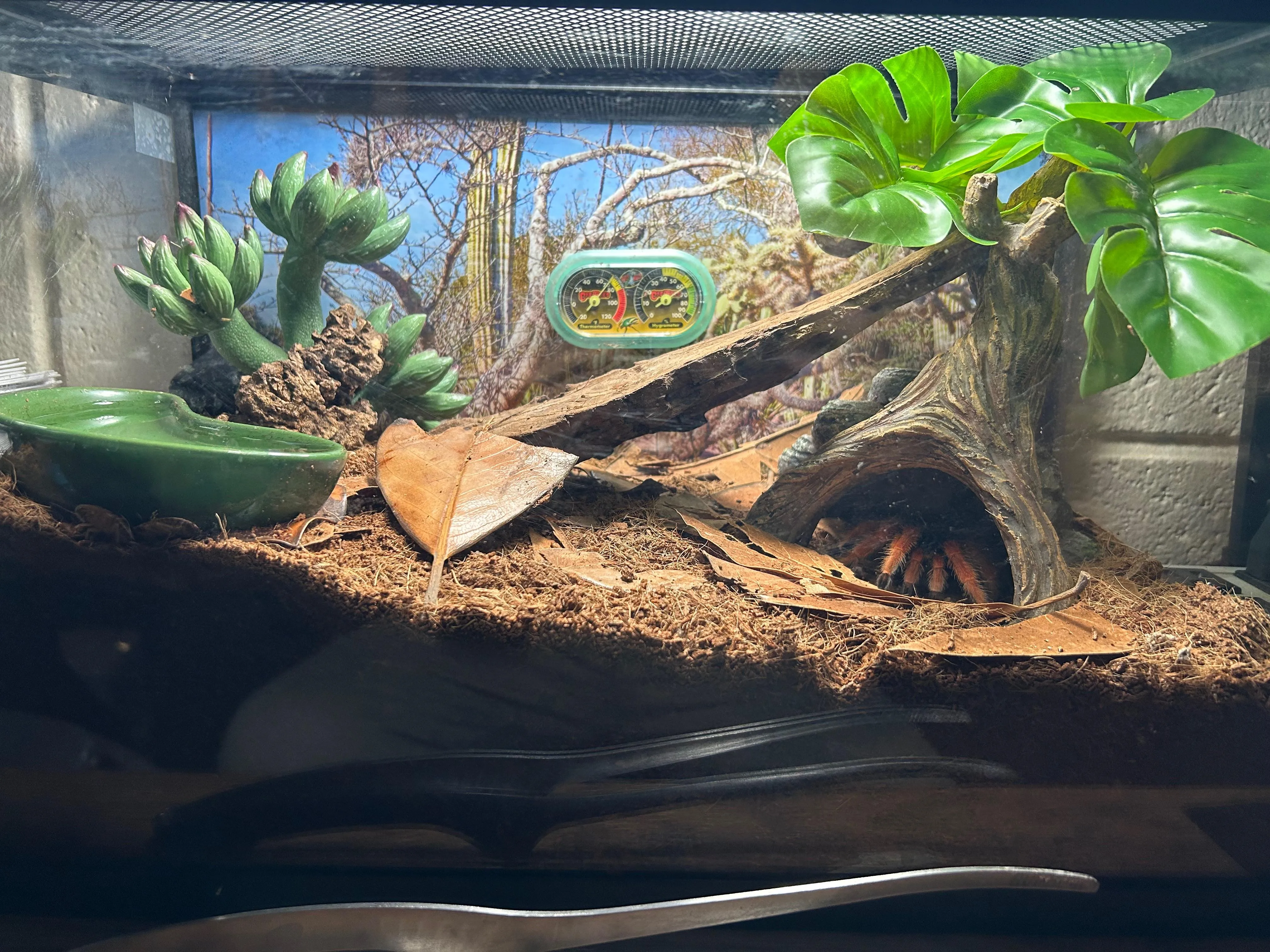
Fireleg Tarantula Basic Information
The Fireleg Tarantula (Brachypelma boehmei) is a stunning New World tarantula, highly sought after by hobbyists for its vibrant orange and red leg coloration, which contrasts beautifully against its dark carapace and abdomen. This species is known for its relatively docile temperament, making it a popular choice for both beginner and experienced tarantula keepers. Providing the right care is crucial to ensure a long and healthy life for your Fireleg Tarantula. This comprehensive guide will cover everything you need to know about caring for these captivating arachnids, from setting up their enclosure to understanding their specific needs and behaviors.
What is a Fireleg Tarantula?
Fireleg Tarantulas, as previously mentioned, are recognized for their striking appearance, with bright orange or red hairs adorning their legs. They are a terrestrial species, meaning they spend most of their time on the ground. Originating from the Pacific coast of Mexico, these tarantulas are relatively slow-growing, reaching a leg span of up to 6 inches. They are known for their docile nature, but like all tarantulas, they can bite if provoked, and their urticating hairs can cause irritation. Understanding their natural history and temperament is the first step in providing proper care.
Fireleg Tarantula Habitat & Origin

Native to the western coast of Mexico, Fireleg Tarantulas inhabit tropical deciduous forests. They prefer warm, dry environments with moderate humidity. In the wild, they create burrows or utilize existing shelters under rocks, logs, or in the leaf litter. Replicating their natural habitat in captivity is essential for their well-being. This involves providing a suitable enclosure, appropriate substrate, and maintaining the correct temperature and humidity levels to ensure they feel secure and thrive.
Setting Up Your Fireleg Tarantula Enclosure
Creating the right environment is fundamental to the care of your Fireleg Tarantula. The enclosure should mimic its natural habitat to reduce stress and promote healthy behavior. This involves choosing the right size and type of enclosure, selecting an appropriate substrate, providing hiding places, and maintaining optimal temperature and humidity levels. A well-set-up enclosure not only enhances the aesthetic appeal but also contributes significantly to the spider’s overall health and well-being. Proper enclosure setup is paramount to successful Fireleg Tarantula care.
Choosing the Right Enclosure for Your Tarantula
A properly sized enclosure is crucial for your Fireleg Tarantula’s comfort and safety. For a juvenile, a 5-10 gallon terrarium should suffice, while a full-grown adult will need a 10-20 gallon tank. The enclosure should be wider than it is tall, as Fireleg Tarantulas are terrestrial. Ensure the enclosure has a secure, well-ventilated lid to prevent escape. Acrylic or glass enclosures work well, but avoid enclosures with sticky surfaces or materials that can trap the tarantula’s legs. The enclosure must also have adequate ventilation to prevent the buildup of mold and maintain air circulation.
Substrate Selection for a Healthy Fireleg Tarantula

The substrate serves as the flooring of your tarantula’s enclosure and plays a vital role in maintaining humidity. A good substrate should be able to hold moisture, allowing for proper molting conditions and burrowing if your tarantula chooses to do so. A mixture of peat moss, coconut fiber (coco coir), and a small amount of vermiculite is ideal. The substrate should be deep enough, around 4-6 inches, to allow the tarantula to burrow if it desires. Avoid using materials like gravel or sand alone, as these do not retain moisture well and can be harmful to the tarantula.
Essential Enclosure Decorations & Hiding Spots
Providing hiding places is essential for a Fireleg Tarantula’s well-being, as it helps them feel secure and reduces stress. A cork bark hide, a half-log, or even a sturdy plastic plant pot turned on its side makes an excellent shelter. You can also add artificial or live plants to provide cover and enhance the enclosure’s aesthetic appeal. Ensure all decorations are securely placed and do not have any sharp edges that could harm your tarantula. The goal is to create a safe and enriching environment that mimics the tarantula’s natural habitat.
Maintaining Humidity & Temperature
Proper temperature and humidity levels are crucial for the health and well-being of your Fireleg Tarantula. These conditions affect their ability to molt successfully, their appetite, and their overall activity level. Too much humidity can lead to mold and fungal growth, while too little can cause dehydration and difficulties during molting. Careful monitoring and consistent maintenance of these environmental factors are essential to ensure your tarantula thrives in its enclosure.
Ideal Humidity Levels for Fireleg Tarantulas

Fireleg Tarantulas thrive in moderate humidity levels, typically between 60-70%. You can achieve this by regularly misting one side of the enclosure, allowing the other side to remain drier. Use a hygrometer to monitor humidity levels accurately. Ensure the substrate remains slightly damp but not waterlogged. Good ventilation is also crucial to prevent the buildup of excessive moisture and mold. Adjust the misting frequency depending on your enclosure and the ambient humidity of your home.
Keeping the Right Temperature
Fireleg Tarantulas prefer a temperature range between 75-85°F (24-29°C). Maintain this temperature using a heat mat placed on the side of the enclosure (never under, as this can cause the substrate to dry out too quickly and harm your tarantula), a ceramic heat emitter, or by keeping the enclosure in a warm room. Avoid direct sunlight, as it can overheat the enclosure. Regularly monitor the temperature with a thermometer to ensure it remains within the optimal range.
Feeding Your Fireleg Tarantula
Proper feeding is essential for maintaining a healthy and well-nourished Fireleg Tarantula. Understanding their dietary needs and feeding habits will help ensure your tarantula receives the necessary nutrients. Fireleg Tarantulas are opportunistic feeders, meaning they will eat almost anything that moves and that they can overpower. The frequency and amount of food you provide should be adjusted based on the tarantula’s age and size, and its overall condition and activity level.
What to Feed Your Fireleg Tarantula
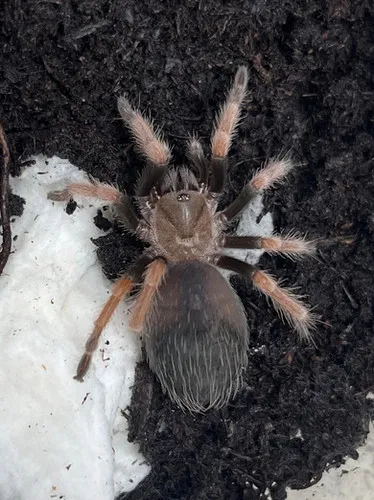
Fireleg Tarantulas primarily feed on live insects. Crickets are the most common choice, but you can also feed them mealworms, dubia roaches, and other insects. Ensure that the insects are gut-loaded (fed nutritious food) before offering them to your tarantula. This practice enriches the insects with vital nutrients that are then passed on to your tarantula. Avoid feeding your tarantula wild-caught insects, as they may carry parasites or pesticides that could be harmful. Always provide a variety of insects to ensure a balanced diet.
Feeding Frequency & Portion Sizes
The feeding frequency depends on the tarantula’s age. Spiderlings and juveniles should be fed 2-3 times per week, while adults can be fed once a week or every other week. Observe your tarantula’s abdomen; a plump abdomen indicates a well-fed tarantula. The size of the prey should be appropriate for the tarantula’s size; the insect should be no larger than the tarantula’s body. Remove any uneaten insects within 24 hours to prevent them from stressing the tarantula or potentially harming it during a molt. Always provide a shallow water dish with clean water.
Watering Your Fireleg Tarantula
Providing fresh water is crucial for your Fireleg Tarantula’s hydration. Use a shallow water dish that is easily accessible and sized appropriately for your tarantula. Ensure the water dish is clean and that you refresh the water regularly. A small piece of sponge or pebbles in the water dish can prevent the tarantula from accidentally drowning. In addition to the water dish, misting the enclosure lightly, especially during molting, can help maintain the humidity and provide an additional source of water.
Molting Process Explained

Molting is a natural process for all tarantulas, where they shed their exoskeleton to grow. The frequency of molting decreases as the tarantula matures. Understanding the molting process is vital for a tarantula keeper, as it is a vulnerable time for the tarantula, and proper care during this period can ensure a successful molt. Providing the right environment and avoiding disturbances can greatly improve the chances of a healthy molt.
Recognizing Signs of an Upcoming Molt
Several signs indicate that your Fireleg Tarantula is preparing to molt. The tarantula may stop eating, become less active, and spend more time in its hide. The abdomen may appear darker and more swollen. You may also notice the tarantula constructing a web mat or sealing itself in its burrow. When these behaviors are observed, it is best to avoid disturbing the tarantula and maintain the appropriate humidity and temperature levels.
What to Do During the Molting Process
During the molting process, it is crucial to provide a stress-free environment. Avoid handling or disturbing the tarantula. Maintain the appropriate humidity and temperature levels. Ensure there is no live prey in the enclosure that could disturb the molting process. The tarantula will typically flip onto its back during the molt. The entire process can take several hours or even days. After the molt, wait several days to a week before feeding your tarantula, allowing its new exoskeleton to harden fully.
Handling Your Fireleg Tarantula

While Fireleg Tarantulas are generally docile, it is important to handle them with care and caution. Handling should be kept to a minimum, as it can cause stress to the tarantula. It is essential to understand the risks involved and to handle the tarantula safely if necessary. Respecting the tarantula’s space and understanding its behavior will lead to a safer and more enjoyable experience for both the keeper and the pet.
When and How to Handle Your Tarantula
Handling your Fireleg Tarantula is generally discouraged unless necessary, such as for enclosure maintenance or health checks. If you must handle your tarantula, do so gently and slowly. Avoid making sudden movements, which can startle the spider. If the tarantula appears agitated or defensive, it is best to leave it alone. Handle the tarantula over a soft surface, such as a bed or a couch, to minimize the risk of injury if it falls. Always wash your hands thoroughly before and after handling.
Health & Common Issues
Like all animals, Fireleg Tarantulas can be susceptible to certain health problems. Being able to identify and address these issues early is crucial for their well-being. Regular observation of your tarantula’s behavior, appearance, and feeding habits is essential to catch any problems early on. Providing a clean and appropriate environment, along with proper nutrition, can greatly reduce the risk of common health issues.
Identifying Common Health Problems
Common health problems in Fireleg Tarantulas include dehydration, parasites, and injuries. Dehydration can be identified by a wrinkled abdomen and lethargy. Parasites, such as mites, can be visible on the tarantula’s body. Injuries may result from falls or interactions with prey. If you notice any of these issues, consult with a veterinarian experienced in exotic animals. Maintaining a healthy enclosure environment and proper feeding habits significantly reduces the likelihood of these problems.
Preventive Care & Maintaining a Healthy Tarantula
Preventive care is key to maintaining a healthy Fireleg Tarantula. Regularly clean the enclosure, removing any uneaten food and fecal matter. Provide fresh water and a balanced diet. Ensure proper humidity and temperature levels. Avoid handling your tarantula unnecessarily. Quarantine new tarantulas before introducing them to your existing collection to prevent the spread of parasites or diseases. Regular observation and proactive care are essential for ensuring your Fireleg Tarantula thrives.
Fireleg Tarantula Care Conclusion
Caring for a Fireleg Tarantula can be a rewarding experience. These captivating creatures require specific care to thrive, but by following the guidelines in this guide, you can provide a safe and healthy environment for your tarantula. Remember to research and understand the needs of your specific tarantula, monitor its behavior, and adapt your care as needed. With proper care, your Fireleg Tarantula can become a fascinating and long-lived addition to your home.