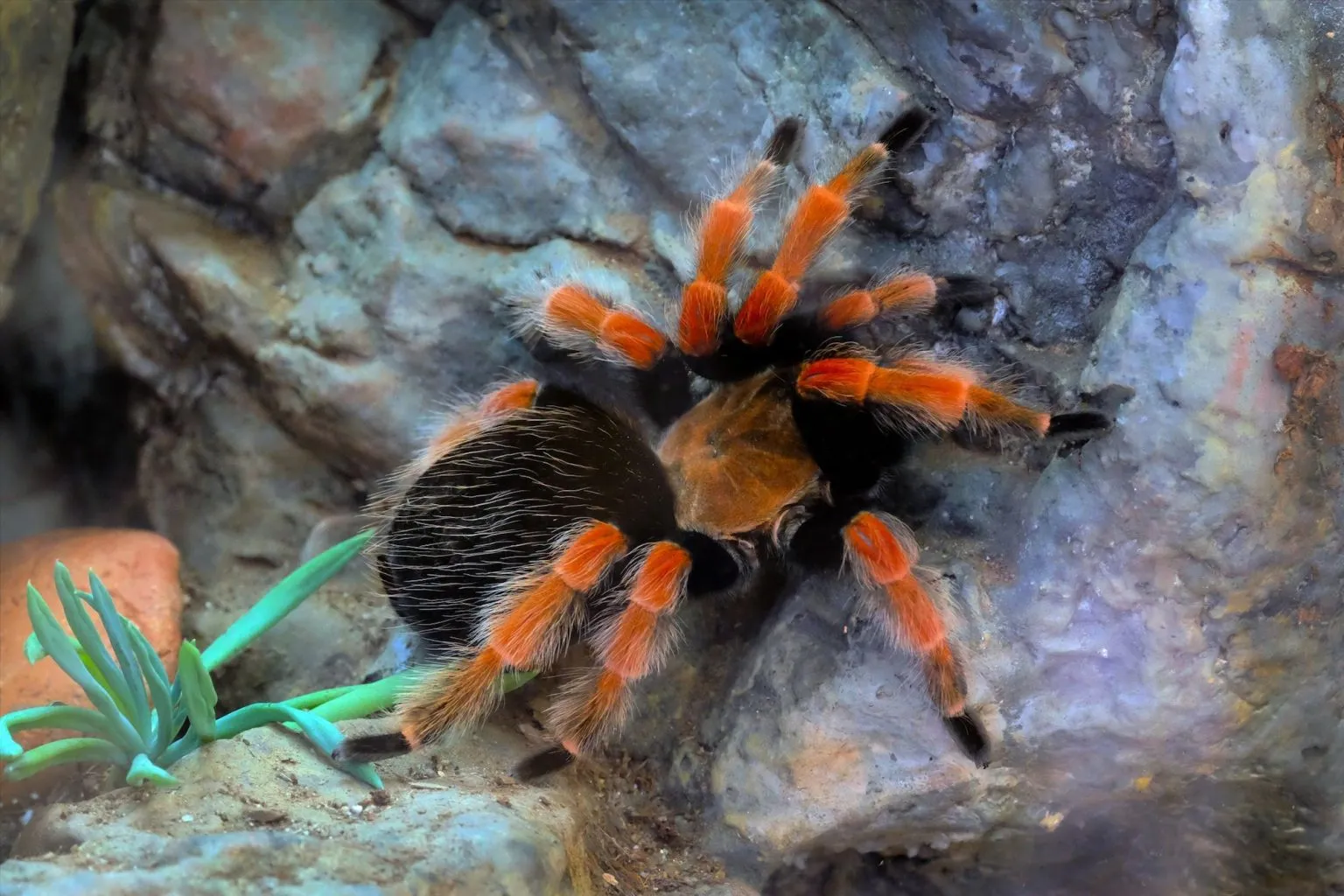
Understanding the Mexican Red Knee Tarantula
The Mexican Red Knee Tarantula (Brachypelma hamorii) is a highly sought-after pet, renowned for its striking coloration and relatively docile temperament. This guide provides comprehensive information on how to find a Mexican Red Knee Tarantula near you, covering everything from identifying the species and understanding its needs to locating reputable sellers and ensuring proper care. This tarantula is native to the Pacific side of Mexico, specifically in the dry scrublands and tropical deciduous forests. The information provided will help you navigate the process of acquiring and caring for this fascinating creature. By understanding the essential aspects of this species, potential owners can provide a suitable environment and ensure the tarantula’s well-being.
Appearance and Characteristics
The Mexican Red Knee Tarantula is easily recognizable by its distinctive coloration. The body is predominantly black, and the legs are characterized by vibrant red or orange markings at the “knees,” creating a striking contrast. Mature females typically have a body length of up to 2.5 inches, with a leg span reaching up to 6 inches. Males are generally smaller and have longer legs. These tarantulas are covered in small hairs called setae, which are used for sensory purposes and, in some cases, can cause mild skin irritation if handled improperly. The lifespan of a Mexican Red Knee Tarantula can be quite long; females can live for 20 to 30 years, while males typically live for 5 to 10 years. This longevity makes them a significant, long-term commitment.
Habitat and Natural Range

In the wild, the Mexican Red Knee Tarantula inhabits the arid scrublands and tropical deciduous forests of the Pacific coast of Mexico. They are terrestrial tarantulas, meaning they live primarily on the ground, often creating burrows or utilizing existing crevices for shelter. The natural habitat of these tarantulas is characterized by dry conditions, with temperatures ranging from warm to hot. Understanding their natural environment is crucial for replicating a suitable habitat in captivity. They prefer to be in a slightly humid environment. The importance of this habitat is that it helps them in molting, keeping them healthy, and maintaining a good lifespan.
Finding a Mexican Red Knee Tarantula Near You
Locating a Mexican Red Knee Tarantula involves exploring various options, including local pet stores, online breeders, and specialized events. Due to their popularity as pets, availability can vary depending on location and time of year. This section will guide you through the most reliable sources for acquiring a healthy tarantula, while highlighting the steps needed to verify their credibility. It’s important to start your search online. This allows you to discover breeders in your area. Some pet stores may not have any tarantulas so calling beforehand is the best option before physically visiting them.
Local Pet Stores
Many local pet stores carry Mexican Red Knee Tarantulas, especially those specializing in exotic pets. These stores provide a convenient option for seeing the tarantula in person before purchasing it. However, it’s essential to assess the store’s reputation and the health of the tarantula. Pet stores also typically offer the benefit of being able to immediately buy the necessary supplies needed for the tarantula. They also tend to have staff on hand to answer any questions you have. If you already know the basics, pet stores can be a great place to start.
Tips for Choosing a Reputable Store

When selecting a pet store, look for cleanliness and proper care of the animals. The enclosure should be well-maintained, with appropriate substrate, water, and temperature control. Observe the tarantula’s behavior for signs of health, such as alertness and activity levels. Read reviews online to gauge the store’s reputation and customer service. Make sure the staff is knowledgeable and willing to answer your questions. Verify that the store complies with all local regulations concerning exotic pet sales. Make sure the store has been around for a while; longevity in the area is a great indicator that it is a reputable store.
Online Breeders and Marketplaces
Online platforms offer a wider selection and often provide more specialized breeding lines. Websites dedicated to exotic pets and marketplaces can connect you with breeders near you or willing to ship. This can provide convenience, but it requires careful research to ensure the seller’s legitimacy. This is a great way to obtain the tarantula you’re looking for, but it is important to check the reputation of the seller. When doing so, also assess the seller’s shipping practices. Be mindful of temperature, weather, and the overall well-being of the tarantula during transit. Be sure the seller knows what they are doing.
Checking Seller Reviews and Ratings
Before making a purchase, thoroughly research the seller’s reputation. Look for reviews and testimonials from previous customers. Check online forums and social media groups for discussions about the seller’s practices and the quality of their tarantulas. Look for feedback on shipping practices and the health of the animals upon arrival. Verify if the seller provides health guarantees or offers customer support. This will help you avoid potential scams and ensure you are buying from a reliable source. Doing these extra steps will help you in the long run.
Local Tarantula Clubs and Events

Local tarantula clubs and events are excellent resources for finding breeders and connecting with experienced keepers. These groups often host meet-ups, where you can see tarantulas in person, ask questions, and learn from other enthusiasts. Attending a local event is a great way to learn more about tarantulas, if you are a beginner. These events can provide opportunities to buy or trade tarantulas. Local clubs also provide a sense of community.
Benefits of Joining a Local Club
Joining a local tarantula club provides access to experienced keepers who can offer valuable advice and support. You can learn about proper care, breeding, and potential health issues. Clubs often organize workshops and educational sessions. They also provide opportunities to purchase tarantulas from reputable breeders and participate in social events. These gatherings help you feel more connected to the tarantula community. Such support is invaluable, particularly for new owners. Local clubs can also offer a chance to make some new friends with similar interests.
What to Consider Before Buying
Before acquiring a Mexican Red Knee Tarantula, it’s essential to consider several factors. These factors affect your ability to provide proper care and ensure the tarantula’s well-being. This is a significant step and cannot be overlooked. You must make sure you are ready before committing to a long term pet such as a tarantula. Make sure you understand all the risks of keeping one before purchasing it.
Health and Appearance

Inspect the tarantula for any signs of illness or injury. Look for a plump abdomen (indicating good health), and ensure the tarantula moves actively. Avoid tarantulas with missing legs or visible injuries. Check for any mites or parasites. The tarantula should have vibrant coloration and a healthy appearance. A healthy tarantula will be more active than a sick one. Make sure there are no signs of parasites, which can harm the tarantula.
Legality and Regulations
Check local and state regulations regarding keeping exotic pets, as some areas may have restrictions or require permits. Ensure that you can legally own a Mexican Red Knee Tarantula in your area. Research any specific requirements for housing and care. Verify that the seller complies with all applicable regulations. Make sure you are not breaking the law by obtaining the tarantula, which can vary depending on the state you live in.
Proper Care and Housing
Providing the correct habitat is essential for the health and longevity of your Mexican Red Knee Tarantula. This requires careful attention to the enclosure, feeding, and environmental conditions. Proper setup will help maintain the tarantula’s well being and provide a comfortable life. The correct setup may seem daunting at first, but with some time and patience it is easy to manage.
Enclosure Setup

A suitable enclosure for a Mexican Red Knee Tarantula is a glass or plastic terrarium that is 10 to 20 gallons in size. The enclosure should be well-ventilated, with a secure lid to prevent escape. Use a substrate of about 4 to 6 inches deep made of a mixture of peat moss, vermiculite, and coconut fiber. This substrate will help maintain humidity and allow the tarantula to burrow. Provide hiding places, such as cork bark or artificial plants. The key is to recreate their natural habitat. Ensure that the setup is escape proof.
Feeding and Water
Mexican Red Knee Tarantulas eat a variety of insects, such as crickets, mealworms, and roaches. Feed juveniles two to three times a week. Adults can be fed once a week or every other week. The size of the prey should be appropriate for the tarantula’s size. Always provide a shallow water dish with fresh water. Ensure the water dish is shallow enough to prevent drowning. The water should be changed every few days. Feeding should be based on the size and age of the tarantula, which can vary.
Maintaining Humidity and Temperature
Maintain a temperature of 75 to 85°F (24 to 29°C) during the day and a slightly cooler temperature at night. Use a heat mat or ceramic heat emitter to provide warmth, but avoid direct contact with the enclosure. Keep the humidity level between 60% and 70%. You can monitor the humidity with a hygrometer. Mist the enclosure with water once or twice a week to maintain humidity. Do not over mist the enclosure, as this can lead to mold growth. The temperature and humidity will help keep the tarantula healthy and help it molt effectively.
Common Health Issues and Prevention

Mexican Red Knee Tarantulas are generally hardy, but they can still be susceptible to certain health issues. Preventative care is essential for maintaining their well-being. Providing the correct habitat will help keep the tarantula healthy. If you notice any concerning signs, consult an experienced keeper or a veterinarian familiar with arachnids. Learning how to identify any health issues is important for the tarantula’s survival and longevity.
This guide provides a comprehensive overview of finding, caring for, and understanding the Mexican Red Knee Tarantula. By following the recommendations, you can ensure the well-being of your tarantula. Consider the long-term commitment and be ready to provide the necessary care. Enjoy the journey of owning this wonderful species. Remember to always prioritize the welfare of the tarantula.