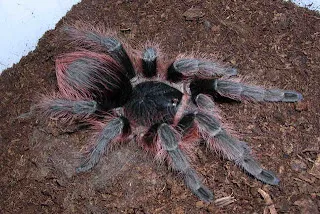
Top 10 Fast Growing Tarantulas
Tarantulas, with their fascinating diversity and unique behaviors, have become increasingly popular as pets. For enthusiasts eager to witness their tarantulas grow and mature, the speed at which these arachnids develop is a key consideration. Fast-growing tarantula species offer a rewarding experience, allowing keepers to enjoy the different stages of their tarantulas’ lives more rapidly. This list explores the top 10 fastest-growing tarantulas, providing insights into their care and characteristics to help you choose the perfect species for your collection. Keep in mind that growth rates can vary based on several factors, including diet, temperature, and the individual tarantula’s genetics. This guide aims to give you a comprehensive overview of the fastest-growing and most captivating tarantula species available.
What Factors Influence Tarantula Growth
Understanding the factors that influence tarantula growth is crucial for providing optimal care and maximizing their growth potential. Several key elements play significant roles in a tarantula’s development, ensuring they reach their full size and live a healthy life. By carefully managing these aspects, keepers can create an environment that promotes rapid and robust growth in their tarantulas. This will help you provide the correct environments for you pet.
Diet

A tarantula’s diet is perhaps the most significant factor influencing its growth rate. Providing a diet rich in essential nutrients, particularly protein, is vital. Crickets, mealworms, roaches, and other appropriately sized insects should be offered regularly. The frequency of feeding depends on the tarantula’s age and species, with younger tarantulas needing more frequent meals. Overfeeding should be avoided, as it can lead to health problems; monitor the tarantula’s abdomen for size relative to its carapace as an indicator of its condition. A varied diet ensures that the tarantula receives a wide range of nutrients, supporting healthy growth and development. Ensure all feeders are gut-loaded to provide optimal nutritional value to your tarantula.
Temperature and Humidity
Temperature and humidity play a critical role in a tarantula’s metabolism and, consequently, its growth rate. Maintaining the correct environmental conditions encourages the tarantula to eat and grow more efficiently. Most tarantulas thrive in temperatures ranging from 75 to 85 degrees Fahrenheit (24 to 29 degrees Celsius). Humidity levels should be adjusted based on the species’ natural habitat. For example, some species require higher humidity, while others prefer drier conditions. Regularly misting the enclosure, providing a water dish, and ensuring proper ventilation are key to maintaining the correct humidity levels. Fluctuations in temperature and humidity can stress the tarantula, affecting its appetite and growth.
Molting Frequency
Molting, the process of shedding the exoskeleton, is essential for tarantula growth. The frequency of molting decreases as the tarantula matures. Younger tarantulas molt more often, sometimes every few weeks or months, while adults molt annually or even less frequently. During molting, the tarantula is particularly vulnerable. Maintaining appropriate environmental conditions and avoiding disturbances during this process are crucial. The molting frequency is a good indicator of growth rate – more frequent molting generally signifies faster growth. The size of the tarantula after each molt is a clear indication of its development.
Top 10 Fastest Growing Tarantula Species

Here are some of the quickest-growing tarantula species, known for their rapid development and relatively quick maturation. This list will help you choose the perfect addition to your home.
Pinktoe Tarantula (Avicularia avicularia)
Pinktoe tarantulas are arboreal species known for their vibrant colors and relatively fast growth. They typically mature within 2-3 years. Their care is considered easy, making them suitable for beginner tarantula keepers. They thrive in humid environments with plenty of vertical space and are often recognized by their pink toe pads. Provide high humidity and vertical climbing space for optimal growth.
Chilean Rose Hair Tarantula (Grammostola rosea)
The Chilean Rose Hair tarantula is a popular choice for beginners due to its docile nature and moderate growth rate. While not the fastest, they still grow relatively quickly, reaching maturity in approximately 3-5 years. These tarantulas are adaptable to various conditions and are relatively low-maintenance, making them ideal for those new to tarantula keeping. Provide a dry to semi-humid environment with a shallow water dish.
Giant White Knee Tarantula (Acanthoscurria geniculata)

The Giant White Knee is a robust and fast-growing tarantula, known for its impressive size and striking appearance. They can reach maturity in about 2-4 years. They require a larger enclosure due to their size and need higher humidity levels. They are known for their voracious appetites and relatively rapid growth, making them a rewarding species for experienced keepers. Ensure their enclosure is large, well-ventilated, and provides a moist substrate.
Mexican Red Knee Tarantula (Brachypelma hamorii)
Mexican Red Knees are renowned for their striking red and black coloration and relatively slow growth. They typically take 5-8 years to mature, making them one of the slower-growing tarantulas on this list. They are a classic choice for tarantula enthusiasts due to their docile nature and striking appearance. Provide a dry to semi-humid environment with a hide and a shallow water dish. They are a long-term commitment.
Goliath Birdeater Tarantula (Theraphosa blondi)
The Goliath Birdeater is one of the largest tarantulas in the world, and despite its size, it can grow relatively quickly, reaching maturity in 3-5 years. These tarantulas require a large enclosure and specific environmental conditions to thrive. They have a significant appetite, contributing to their rapid growth. Due to their size and potent venom, these spiders are best suited for experienced keepers. Always handle with extreme care and provide a large, well-ventilated enclosure.
Greenbottle Blue Tarantula (Chromatopelma cyaneopubescens)

The Greenbottle Blue is a beautiful and relatively fast-growing species, known for its striking metallic blue and green coloration. They mature in about 2-4 years. These tarantulas are semi-arboreal and require a moderately humid environment. They are known for their beautiful appearance and relatively quick development, making them a popular choice among experienced keepers. A well-ventilated enclosure with a dry substrate is best.
Costa Rican Zebra Tarantula (Aphonopelma seemanni)
Costa Rican Zebras are known for their distinctive striped legs and moderate growth rate. They typically mature in 3-5 years. They are relatively hardy and adaptable, making them a good choice for intermediate keepers. Provide a dry to semi-humid environment and a secure, spacious enclosure. Their relatively low-maintenance requirements make them a popular choice.
Curly Hair Tarantula (Tliltocatl albopilosus)
The Curly Hair tarantula is a docile and popular species, known for its fuzzy, curly hairs and moderate growth rate. They typically mature in 3-5 years. They are relatively low-maintenance and adaptable to various conditions, making them a great choice for beginners. They require a moderately humid environment and a secure, spacious enclosure. Their gentle nature and attractive appearance make them a great pet.
Brazilian Black Tarantula (Grammostola pulchra)

Brazilian Blacks are known for their all-black coloration and moderate growth rate. They typically reach maturity in 3-5 years. They are generally docile and relatively low-maintenance, making them suitable for intermediate keepers. They prefer a terrestrial setup with a slightly humid substrate. A secure enclosure with a hide and a shallow water dish is essential.
Texas Tan Tarantula (Aphonopelma anax)
Texas Tans are a hardy and adaptable species with a moderate growth rate, maturing in about 4-6 years. They are native to the southwestern United States and are relatively low-maintenance. They thrive in a dry environment and do well with minimal humidity requirements, and are a good choice for keepers in drier climates. Provide a terrestrial setup with a hide and a shallow water dish.
Caring for Fast Growing Tarantulas
Proper care is essential for all tarantulas, especially for fast-growing species. The following tips can help ensure that your tarantula thrives. Remember that each species has specific requirements, so always research the particular tarantula you are keeping.
Enclosure Setup

The enclosure should be appropriately sized for the tarantula’s adult size. Provide a substrate that retains moisture (e.g., coconut fiber or peat moss) for burrowing and humidity control. Include a hide, such as a cork bark or a half-log, to provide a secure retreat. Ensure proper ventilation and a water dish for hydration. The enclosure should be escape-proof and easy to clean. A well-designed enclosure promotes the tarantula’s health and overall well-being. Consider the species’ natural habitat when designing the enclosure. Avoid overcrowding and choose appropriate décor.
Feeding and Hydration
Feed your tarantula a varied diet of appropriately sized insects, such as crickets, mealworms, or roaches. The frequency of feeding depends on the tarantula’s age, species, and growth rate. Younger tarantulas require more frequent feeding, while adults can be fed less often. Always provide fresh water in a shallow dish. Monitor the tarantula’s abdomen for size; a plump abdomen indicates a well-fed tarantula. Do not overfeed your tarantula, and remove any uneaten food to prevent mold and mites. A balanced diet and proper hydration are critical for healthy growth.
Health and Molting
Monitor your tarantula for signs of illness, such as lethargy, loss of appetite, or unusual behavior. Provide the correct temperature and humidity to promote healthy molting. During molting, do not disturb the tarantula. Ensure the environment is stable and avoid any sudden changes. Provide adequate humidity to assist with the molting process. After molting, allow the tarantula time to harden its new exoskeleton before feeding. Remove any old exoskeleton remains. Regular health checks can help you identify and address any potential issues.
Conclusion

Choosing a fast-growing tarantula can be an exciting and rewarding experience for any tarantula enthusiast. By understanding the factors that influence growth and selecting the right species, you can enjoy watching your tarantula mature at a rapid pace. This list provides a great starting point for finding the perfect fast-growing tarantula to add to your collection. Remember to provide proper care, maintain optimal environmental conditions, and enjoy the fascinating process of raising these incredible creatures. With dedication and attention to detail, you can create a thriving environment where your tarantula can flourish, bringing years of enjoyment and fascination.