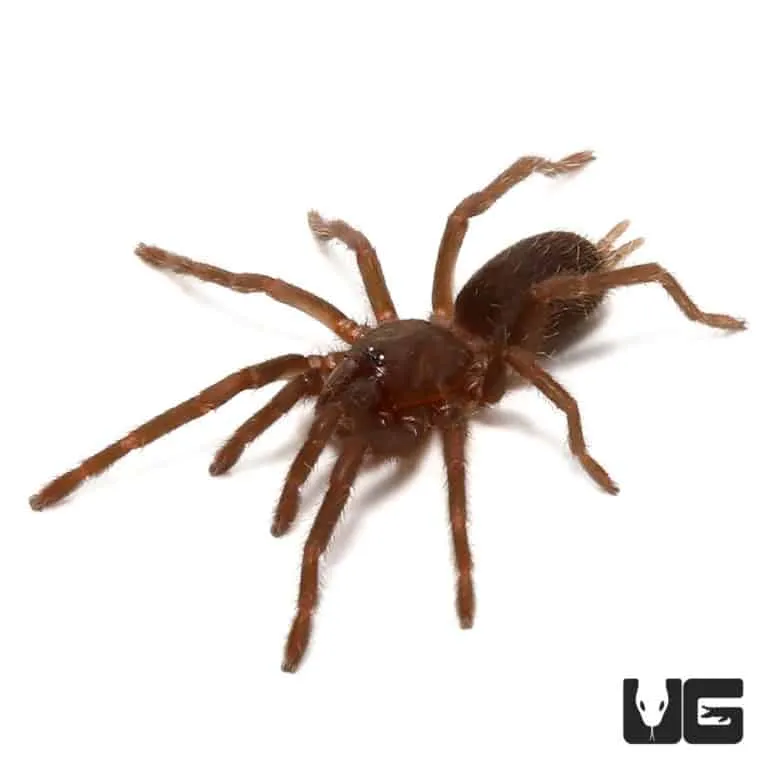
Eiger Tarantula Basics
The Eiger tarantula, scientifically known as Brachypelma boehmei, is a captivating spider species, popular among arachnid enthusiasts. Originating from the western coast of Mexico, these tarantulas are known for their striking coloration, typically featuring a black body contrasted by vibrant orange or red hairs on their legs and carapace. Their relatively docile nature makes them a suitable choice for beginner and intermediate tarantula keepers. However, like all tarantulas, they require specific care to thrive, and it’s essential to understand their needs before bringing one home. This guide will provide you with the top 5 essential tips for providing the best care for your Eiger tarantula, ensuring its health and well-being. They are beautiful spiders and very popular pet choices.
Understanding Eiger Tarantula
Before acquiring an Eiger tarantula, it’s crucial to understand its characteristics and natural behaviors. These spiders are terrestrial, meaning they primarily live on the ground. They are burrowers in the wild, though in captivity, they may adapt to using hides and readily available shelter. Eiger tarantulas are relatively slow-growing and long-lived, with females often living for over 20 years, while males have a shorter lifespan. Understanding their temperament is also important; they are generally docile but can become defensive if threatened. They are not naturally aggressive and will often flee before attacking. They rely on a venomous bite only as a last resort. They are nocturnal hunters, meaning they are most active at night, and feed on a variety of insects.
Eiger Tarantula Habitat

Creating the right habitat is paramount to your Eiger tarantula’s health. A secure enclosure is the first requirement; a glass terrarium or a plastic enclosure with a secure lid is recommended. The size of the enclosure depends on the spider’s size; a juvenile Eiger tarantula can be housed in a smaller enclosure, but as it grows, a larger one is necessary. The enclosure should have a substrate that is at least 4-6 inches deep to allow for burrowing or providing a secure base for hides. Substrates like coco fiber, peat moss, or a mix of both are ideal, as they retain moisture and are safe for the tarantula. Provide a hide, such as a cork bark or a hollow log, for the tarantula to feel secure. Adequate ventilation is also crucial to prevent mold and maintain air quality.
Top 5 Eiger Tarantula Care Tips
Tip 1 Provide Adequate Enclosure
As mentioned earlier, the enclosure is the cornerstone of your Eiger tarantula’s well-being. Select an enclosure that is appropriately sized for your tarantula’s current size and potential growth. It must be escape-proof, as tarantulas can squeeze through surprisingly small openings. Ensure that the enclosure provides adequate ventilation to prevent the buildup of harmful gases and mold growth. The type of material matters too. Glass enclosures offer a clear view and are easy to clean, while plastic enclosures are lighter and may be more affordable. Make sure the enclosure is secure and does not have any openings where the tarantula can escape. Remember, a well-designed enclosure mimics their natural habitat and provides security.
Enclosure Size and Material

The size of the enclosure should correspond to the size of your Eiger tarantula. As a general rule, the enclosure should be at least twice the leg span of the tarantula in width and length. For an adult Eiger tarantula, a 10-20 gallon terrarium is often recommended. The enclosure material can be glass or plastic. Glass enclosures provide better visibility but can be heavier. Plastic enclosures are lighter and less prone to breakage. Regardless of the material, the enclosure should have a secure lid to prevent escapes. Ventilation is vital; a cross-ventilation design is preferable to ensure air circulation. Place the enclosure in a quiet, stable environment away from direct sunlight and drafts.
Tip 2 Maintain Proper Humidity
Maintaining the correct humidity level is crucial for your Eiger tarantula’s health, especially during molting. These tarantulas thrive in a moderately humid environment. The ideal humidity range is typically between 60-70%. Too little humidity can lead to molting problems and dehydration, while too much humidity can lead to mold and bacterial growth, which can be fatal to your spider. You can maintain humidity by regularly misting the enclosure with dechlorinated water, especially around the substrate and the sides of the enclosure. The substrate itself will hold moisture and help regulate humidity. Always provide a shallow water dish with fresh water available at all times.
Humidity Levels and Monitoring
Monitor humidity levels using a hygrometer, which is a device that measures humidity. Place the hygrometer inside the enclosure to get an accurate reading. Adjust the misting frequency and the amount of water in the water dish as needed to maintain the desired humidity range. During molting, it’s especially important to maintain optimal humidity to help the tarantula shed its exoskeleton successfully. If the humidity is too low, increase misting and consider adding more moisture-retaining substrate. If the humidity is too high, improve ventilation and reduce misting. Observe your tarantula’s behavior; a healthy Eiger tarantula will be active, eating well, and molting without difficulty.
Tip 3 Offer a Balanced Diet

Eiger tarantulas are carnivores, so their diet should consist primarily of insects. The ideal diet includes a variety of insects to provide a balanced nutritional intake. Crickets, mealworms, dubia roaches, and other readily available insects are suitable food sources. The size of the prey should be appropriate for the size of the tarantula; generally, the prey should be no larger than the tarantula’s body. Overfeeding is less of a concern as tarantulas have slow metabolisms, and they will often refuse food if they are not hungry. You can remove any uneaten prey after 24 hours to prevent stress and maintain hygiene. It is also crucial to gut-load the feeder insects, by feeding them nutritious foods before offering them to your tarantula, ensuring they receive the vitamins and minerals they need.
Feeding Frequency and Prey
The feeding frequency depends on the age and size of your Eiger tarantula. Spiderlings (young tarantulas) can be fed 2-3 times a week, while adults may only need to be fed once or twice a week. Always observe your tarantula’s behavior and adjust the feeding schedule accordingly. If the tarantula is refusing food, it may be in pre-molt or not hungry. Provide a variety of insects to ensure a balanced diet. You can dust the insects with calcium and vitamin supplements occasionally to further enhance their nutritional value. Avoid feeding wild-caught insects, as they may carry parasites or pesticides. Always ensure that fresh, clean water is available in a shallow dish.
Tip 4 Handle with Care
Handling an Eiger tarantula should be done with caution and consideration for the spider’s well-being. While they are generally docile, they can be easily startled and may bite if they feel threatened or if they are accidentally dropped. Handling is not necessary for the well-being of the tarantula and should only be done when necessary, such as when cleaning the enclosure or moving the spider to a new enclosure. If you must handle your tarantula, do so close to the ground or a soft surface to minimize the risk of injury if the spider falls. Never handle a tarantula after it has just eaten or during the molting process, as they are more vulnerable at these times.
Safe Handling Techniques

If you choose to handle your Eiger tarantula, do so slowly and gently. Use a soft brush to encourage the spider to walk onto your hand. Avoid sudden movements or loud noises that could startle the tarantula. Always wash your hands thoroughly before and after handling the spider. When the spider is on your hand, support its legs and body, and keep your movements slow and steady. Avoid handling the spider if you are nervous or anxious, as this can be sensed by the tarantula. If the tarantula starts to show signs of stress, such as raising its front legs or flicking hairs, immediately return it to its enclosure.
Tip 5 Regular Tank Maintenance
Regular tank maintenance is vital for the health and well-being of your Eiger tarantula. This includes removing uneaten food, cleaning the water dish, and spot-cleaning the substrate to remove any waste or debris. The frequency of cleaning depends on the size of the enclosure and the number of tarantulas. Spot-clean the enclosure every 1-2 weeks, removing any uneaten food, molted exoskeletons, or waste. Change the water in the water dish daily to ensure it remains fresh and clean. A full substrate change is needed every 6-12 months, depending on the setup, or sooner if the substrate becomes excessively soiled. Always make sure to have a clean and tidy environment.
Cleaning and Substrate Replacement
When spot-cleaning, carefully remove any visible waste or debris. Be careful not to disturb the tarantula too much. When changing the substrate, gently remove the tarantula from the enclosure and place it in a temporary container. Dispose of the old substrate and thoroughly clean the enclosure with warm water and a mild, pet-safe cleaner. Allow the enclosure to dry completely before adding fresh substrate. Replace the hide and water dish. Carefully return the tarantula to its clean enclosure. Maintaining a clean enclosure not only prevents odors and diseases but also provides a healthy and stress-free environment for your Eiger tarantula.
Common Health Issues

While Eiger tarantulas are generally hardy, they can be susceptible to certain health issues. These include problems associated with improper humidity or molting, such as stuck molts or dehydration. Ensure optimal humidity levels to prevent these issues. Another common problem is mites, which can infest the tarantula’s enclosure. Regularly inspect your tarantula and its enclosure for any signs of mites. If you see mites, isolate the tarantula and clean the enclosure thoroughly. Another common issue is fungal infections. Make sure to keep the enclosure clean and well-ventilated to prevent these. If your tarantula shows any signs of illness, such as lethargy, loss of appetite, or unusual behavior, consult a veterinarian specializing in exotic animals.
Recognizing and Addressing Problems
It’s important to be vigilant in monitoring your Eiger tarantula for signs of illness or stress. Look out for any unusual behavior, such as loss of appetite, lethargy, or difficulty molting. If the tarantula is not eating, it may be due to stress, improper temperature, or an underlying health issue. Make sure that the environment is optimal. If your tarantula is having trouble molting, increase humidity and provide a humid hide. Mites can be a common problem and can be detected by small moving spots on the tarantula. If you suspect mites, isolate the spider and treat the enclosure. Always contact a veterinarian if you are concerned or if the issue persists.
Conclusion
Caring for an Eiger tarantula can be a rewarding experience. By following these top 5 tips, you can provide your tarantula with a healthy and enriching environment. Remember to research thoroughly before acquiring a tarantula and to remain attentive to the spider’s needs throughout its lifespan. With proper care, your Eiger tarantula can thrive for many years, bringing you the unique joy of owning a fascinating and beautiful creature. Enjoy the journey of tarantula keeping, and always prioritize your spider’s well-being. Proper care is the key to success. With consistency, you will ensure your spider lives a long and happy life.