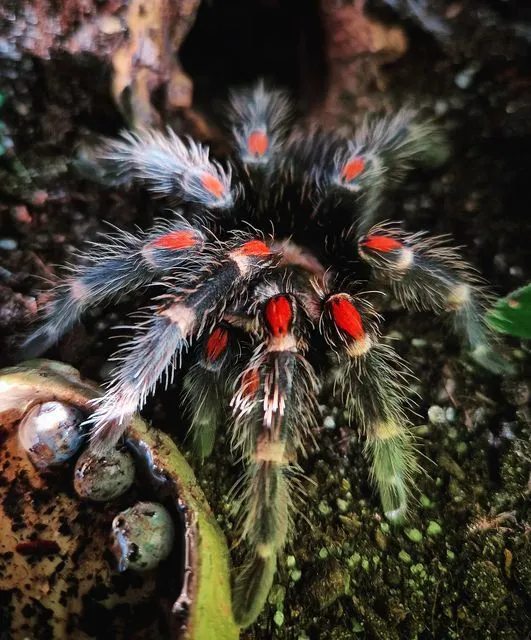
The Pink Toed Tarantula, a captivating creature of the arachnid world, has charmed many with its unique beauty and relatively docile nature. These spiders, scientifically known as Caribena versicolor (formerly Avicularia versicolor), are a popular choice for both novice and experienced tarantula enthusiasts. Known for their vibrant coloration and fascinating behaviors, Pink Toed Tarantulas offer a glimpse into the intricate lives of these often-misunderstood invertebrates. Their endearing features, particularly their namesake pink toes, make them a favorite subject of admiration and study.
What is a Pink Toed Tarantula?
The Pink Toed Tarantula is a species of tarantula native to the rainforests of the Caribbean islands. These spiders are arboreal, meaning they spend most of their lives in trees, constructing silken retreats among leaves and branches. They are renowned for their striking appearance, which includes a dark body covered in iridescent hairs and, of course, their distinctive pink toe pads. Their relatively small size and gentle disposition, when compared to other tarantula species, have contributed to their popularity as pets. These creatures showcase a captivating blend of beauty and intriguing behaviors, making them a fascinating addition to any collection or an engaging subject of observation.
Appearance and Characteristics
The Pink Toed Tarantula’s appearance is truly striking. Adults typically have a dark body, ranging from black to a deep, rich brown, which contrasts beautifully with their colorful legs. The abdomen is covered in fine, iridescent hairs that shimmer in the light, adding to their allure. They have a leg span that can reach up to six inches, making them a medium-sized tarantula. Their overall appearance is one of elegance and grace, enhanced by their arboreal lifestyle. The combination of their sleek form and vibrant colors makes them a favorite among tarantula enthusiasts.
The Distinctive Pink Toes

The defining characteristic of the Pink Toed Tarantula is, without a doubt, its pink toe pads. These pads, located at the end of each leg, provide excellent grip, enabling them to climb and maneuver on vertical surfaces. The vivid pink color is a stark contrast to their dark bodies, creating a visually stunning effect. The function of these pink toe pads is not only for gripping but also for sensory purposes. These pads contain sensory hairs that help the tarantula detect vibrations, providing vital information about their environment and potential prey. The pink toes are an unmistakable feature of these beautiful spiders.
Size and Lifespan of a Pink Toed Tarantula
Pink Toed Tarantulas are a medium-sized tarantula species, with females typically reaching a leg span of about 5 to 6 inches. Males are generally smaller. Their lifespan varies depending on their sex, with females living significantly longer than males. Female Pink Toed Tarantulas can live for up to 10 to 12 years, while males typically live for only 2 to 3 years. This difference in lifespan is a common trait among many tarantula species. Their size and longevity make them a manageable and rewarding pet for those willing to provide proper care.
Where Do They Live?
Pink Toed Tarantulas are native to the rainforests of the Caribbean islands, specifically inhabiting areas like Guadeloupe and Martinique. Their natural habitat is characterized by high humidity and a warm climate, which is essential for their survival. They are arboreal creatures, meaning they spend most of their time in trees, where they build silken retreats amongst the foliage. Their preference for the arboreal lifestyle is a key aspect of their behavior and care requirements, making it important to replicate their natural environment in captivity.
Natural Habitat and Distribution

In their native habitat, Pink Toed Tarantulas thrive in humid rainforest environments. These areas provide the essential conditions for their survival, including high humidity, a warm climate, and plenty of cover in the form of trees and dense vegetation. The Caribbean islands provide an ideal ecosystem for these spiders to flourish. Within these rainforests, they create silken webs in the trees, providing shelter and a place to ambush prey. Understanding their natural habitat is essential for providing appropriate care if they are kept as pets, helping to ensure their well-being and happiness.
Popularity as Pets
Pink Toed Tarantulas have gained considerable popularity as pets due to their stunning appearance and relatively docile temperament. Their striking colors, combined with their manageable size and slower movements, make them an appealing choice for both novice and experienced arachnid keepers. They are also relatively easy to care for compared to some other tarantula species, making them a good option for those new to the hobby. However, like all pets, they require responsible ownership, including providing a suitable habitat, appropriate feeding, and careful handling. Their popularity shows their unique charm in the world of exotic pets.
Amazing Facts About Pink Toed Tarantulas
Pink Toed Tarantulas possess many fascinating attributes that make them interesting creatures to observe and study. Their unique adaptations to their arboreal lifestyle, their hunting strategies, and their defense mechanisms are all remarkable. For example, they have a very effective venom, but they’re known to be more skittish and prefer to run from threats rather than bite. Their vibrant colors also serve a purpose, aiding in camouflage within their natural environment. These unique traits are just some of the reasons why the Pink Toed Tarantula is a fascinating subject of both scientific and personal interest.
Their Arboreal Lifestyle

As arboreal spiders, Pink Toed Tarantulas spend most of their lives in trees. They build silken retreats among the leaves and branches, where they rest, ambush prey, and molt. Their bodies are specially adapted for this lifestyle, with specialized claws and scopulae (tiny hairs) on their feet that allow them to grip vertical surfaces. They are agile climbers and quickly move through the trees to seek food or avoid danger. Their arboreal nature influences their behavior, habitat preferences, and care requirements when kept as pets, making it important to provide them with vertical space and climbing opportunities.
Diet and Feeding Habits
Pink Toed Tarantulas are opportunistic predators. Their diet consists primarily of insects, such as crickets, mealworms, and roaches. They ambush their prey, quickly seizing them with their fangs and injecting venom to immobilize them. They use their fangs to inject venom into the prey. They typically eat once or twice a week, depending on their size and age. In captivity, providing a varied diet of appropriately sized insects is crucial for their health and well-being. Proper feeding is a key element in maintaining a healthy and thriving Pink Toed Tarantula.
Defense Mechanisms
Pink Toed Tarantulas have several defense mechanisms to protect themselves from predators. Their first line of defense is their ability to flee. They are quick and agile, and they prefer to escape from danger rather than fight. They also possess urticating hairs on their abdomen, which they can flick off if threatened. These hairs cause irritation to the skin and eyes of predators. Although they have venom, they rarely bite unless provoked, but can also use these sharp fangs for defense. Understanding their defensive strategies is crucial for responsible handling.
Molting Process

Molting is a critical part of a Pink Toed Tarantula’s life cycle. As they grow, they shed their exoskeleton to allow for growth. The process involves the spider forming a new, larger exoskeleton underneath the old one, then splitting the old one open. During this time, the tarantula is vulnerable and should not be disturbed. The molting process can take several hours, during which the spider lies on its back. After molting, the tarantula’s new exoskeleton is soft, and it needs time to harden. After the molt, their colors become even more vibrant. Molting is a fascinating process and a sign of a healthy and growing tarantula.
Reproduction and Life Cycle
The reproduction of Pink Toed Tarantulas is a complex process. Males use a sperm web to transfer their sperm to their pedipalps, which they then use to inseminate the female. After mating, the female will lay an egg sac containing hundreds of eggs. She will then guard the egg sac until the spiderlings hatch. The spiderlings go through several molts before they reach adulthood. This complete process, from mating to the emergence of spiderlings, is a fascinating aspect of Pink Toed Tarantula’s life. The entire life cycle is a testament to the resilience and complexity of these creatures.
Conservation Status
The conservation status of Pink Toed Tarantulas is not currently considered to be of significant concern. However, like all species, they face potential threats from habitat loss due to deforestation and climate change. Their popularity as pets can also lead to over-collection in some areas, which can negatively impact wild populations. Conservation efforts include habitat preservation and sustainable practices to ensure that future generations can appreciate these beautiful creatures. Continuous monitoring and responsible practices are essential to their long-term survival.
Interesting Facts

There are many interesting facts about Pink Toed Tarantulas that captivate both enthusiasts and scientists. They can regenerate lost limbs during molting, though the new limb may not be as perfect as the original. Their venom is generally not considered medically significant to humans, but it can cause localized pain and irritation. They are also known for their vibrant colors, which they often display more prominently after molting. These facts highlight the unique biological adaptations and intriguing behaviors of these spiders.
Pink Toed Tarantula Fun Facts
Pink Toed Tarantulas have some truly fun facts! They can climb glass. They’re known for their gentle personalities, but should still be handled with care. Some keepers have reported them eating small lizards! These fun facts show that there’s always more to know about these amazing creatures. They’re definitely worth studying.
In conclusion, the Pink Toed Tarantula is a captivating creature that combines beauty, fascinating behaviors, and relative ease of care, making them a favorite among arachnid enthusiasts. Their unique characteristics, including their pink toes, arboreal lifestyle, and gentle disposition, contribute to their widespread appeal. They are amazing pets. From their natural habitat to their defense mechanisms and reproductive cycle, understanding these spiders provides valuable insight into the remarkable diversity of the natural world. These unique creatures provide joy and amazement. Their popularity highlights the joy they bring, while emphasizing the importance of responsible ownership, habitat preservation, and continued fascination with the amazing Pink Toed Tarantula.