What is a Curly Hair Tarantula?
The Curly Hair Tarantula (Tliltocatl albopilosus) is a popular pet tarantula, beloved by hobbyists of all levels, especially beginners. Its gentle temperament, striking appearance, and relatively straightforward care requirements make it an excellent choice for those new to the world of arachnids. Originating from the rainforests of Central America, these spiders are known for their docile nature and distinctive appearance, characterized by the curly, golden-brown hairs that cover their bodies. This comprehensive guide will provide you with all the essential information you need to successfully care for a Curly Hair Tarantula, ensuring a happy and healthy life for your new pet. This will includes their habitat, food, molting, and potential hazards.
Origin and Habitat of the Curly Hair Tarantula
Understanding the natural habitat of the Curly Hair Tarantula is crucial for replicating its ideal living conditions in captivity. These tarantulas are native to the tropical rainforests of Costa Rica and Nicaragua. In their natural environment, they burrow in the soil or take shelter under logs, rocks, and other ground cover. The climate is warm and humid, providing the perfect conditions for these spiders to thrive. They are terrestrial, meaning they spend most of their time on the ground, and they are adept at creating elaborate burrows for shelter and safety. When you set up an enclosure, this should be reflected in the substrate and the environment you are building to mimic this setting. This knowledge will help you create a suitable environment that meets the needs of your pet, ensuring its well-being and promoting natural behaviors.
Understanding the Curly Hair Tarantula

Before bringing a Curly Hair Tarantula home, it’s essential to understand their basic needs and behaviors. They are relatively slow-moving spiders, making them easy to observe and handle, but they are still wild animals and must be treated with respect. They are opportunistic feeders and will eat a variety of insects in the wild. In captivity, they typically have a lifespan of up to 10 years for females and a shorter lifespan for males. Curly Hair Tarantulas are known for their relatively docile temperament, making them a popular choice for beginners. However, it is important to remember that they are still capable of biting if they feel threatened, although it is rare. Their docile nature means they will be a welcome addition to your house.
Appearance and Characteristics of the Curly Hair Tarantula
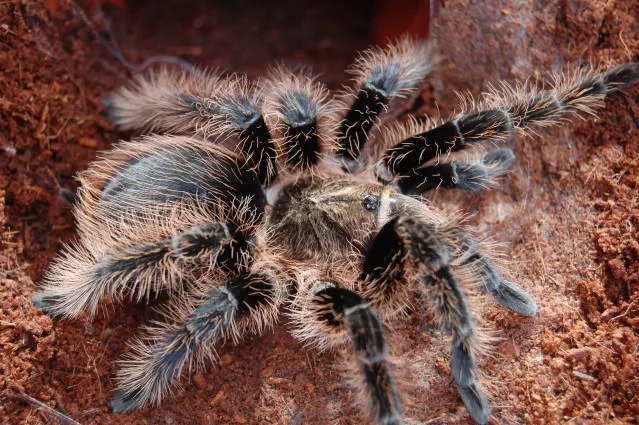
The Curly Hair Tarantula is instantly recognizable by its appearance. The body is covered in a coat of dark brown to black hairs, with characteristic curly, golden-brown hairs on the legs and carapace. This gives them a distinctive look that sets them apart from other tarantula species. They typically range in size from 4 to 6 inches in leg span when fully grown. Their size and coloration make them visually appealing and easy to identify. As they mature, their colors may deepen, and the curliness of their hairs becomes more pronounced. The contrast between the dark body and the lighter, curly hairs is a key identifier. Being able to identify your pet will give you the ability to monitor it and make sure its health is in good standing.
Temperament and Handling
Curly Hair Tarantulas are known for their generally docile temperament, making them a good choice for beginners. However, it’s important to handle them with care and respect. Avoid handling them unless necessary, and always do so in a safe environment, such as close to the ground or over a soft surface, in case they fall. They can be skittish and may flick urticating hairs (small, irritating hairs) as a defense mechanism. Always wash your hands thoroughly after handling your tarantula or any items in its enclosure. Never make any sudden movements, and try to move slowly and gently when you interact with your tarantula. Observe your tarantula’s behavior and body language to know when it is stressed or uncomfortable, and avoid handling it at those times. It is important to be mindful and handle with great care and consideration.
Setting Up a Curly Hair Tarantula Enclosure

Creating the right environment is crucial for the health and well-being of your Curly Hair Tarantula. The enclosure should provide a secure, comfortable, and enriching habitat that mimics their natural environment. The right enclosure will allow your tarantula to thrive and display natural behaviors. It will also create a safe space that allows you to observe and interact with your pet without causing undue stress. This section outlines the key elements of setting up a suitable enclosure, including choosing the right size, selecting appropriate substrate, providing essential accessories, and managing temperature and humidity.
Choosing the Right Enclosure
Select an enclosure that is appropriately sized for your tarantula. A good rule of thumb is to provide an enclosure that is at least twice as wide as the tarantula’s leg span. For a juvenile, a small terrarium or plastic container will be sufficient. As the tarantula grows, you will need to upgrade to a larger enclosure. The enclosure should have a secure, well-fitting lid to prevent escapes. Ventilation is also critical, so ensure that the enclosure has adequate ventilation holes, but make sure they are small enough to prevent the tarantula from escaping. Choose an enclosure made of clear material, such as glass or acrylic, to allow for easy viewing of your pet. Consider the space you have available and choose an enclosure that fits comfortably in your home.
Substrate Selection
The substrate is the bedding material that forms the base of your tarantula’s enclosure. It serves several important functions, including providing a surface for the tarantula to walk on, absorbing moisture, and allowing for burrowing. A good substrate should be safe, absorbent, and non-toxic. Recommended substrate options include a mix of coco fiber, peat moss, and a small amount of vermiculite or sphagnum moss to help retain moisture. Avoid substrates that contain pesticides or other harmful chemicals. Provide a substrate depth of at least 4-6 inches to allow for burrowing. This will encourage natural behaviors and provide a sense of security. The right substrate is vital to maintain the health and well-being of your pet.
Essential Accessories

In addition to the enclosure and substrate, several accessories are essential for a well-equipped Curly Hair Tarantula habitat. Provide a shallow water dish with clean water at all times. The dish should be shallow enough to prevent the tarantula from drowning. Include a hide, such as a piece of cork bark or a half log, for the tarantula to retreat to and feel secure. You can also add live or artificial plants to the enclosure to provide additional cover and enrichment. Avoid sharp objects or anything that could potentially harm the tarantula. Regularly clean and maintain the accessories to ensure a healthy environment. Proper accessories can create a more stimulating and natural environment for your tarantula, reducing stress and promoting its overall well-being.
Temperature and Humidity Control
Maintaining the correct temperature and humidity levels is crucial for your Curly Hair Tarantula’s health. The ideal temperature range is between 75-80°F (24-27°C). You can use a heat lamp or a heat mat placed on the side of the enclosure (never underneath, as this can cause the substrate to dry out too quickly) to maintain the desired temperature. Use a thermometer to monitor the temperature regularly. Humidity levels should be maintained between 65-75%. You can monitor humidity with a hygrometer. To increase humidity, lightly mist the enclosure with water once or twice a week, being careful not to over-saturate the substrate. Adequate ventilation is also important to prevent mold and mildew. Regulate the temperature and humidity levels, your tarantula will thrive and be healthy.
Feeding Your Curly Hair Tarantula
Proper feeding is essential for your Curly Hair Tarantula’s health and growth. These spiders are voracious eaters, but it’s important to provide them with a balanced diet and to avoid overfeeding. This section will cover the best food options, feeding frequency, and how to ensure your tarantula is properly hydrated.
Best Food Options

Curly Hair Tarantulas are insectivores, meaning their diet consists primarily of insects. Suitable food options include crickets, mealworms, superworms, and dubia roaches. The insects should be gut-loaded (fed nutritious food) for 24-48 hours before being offered to the tarantula. This ensures that the tarantula receives the maximum nutritional value. Vary the diet to provide a range of nutrients. Avoid feeding your tarantula insects that have been exposed to pesticides. Make sure the insects are not larger than the tarantula’s body size, as this could cause stress or injury. Provide fresh water to the insects to keep them healthy and nutritious. Ensure your tarantula has a complete and balanced diet.
Feeding Frequency and Amounts
The feeding frequency depends on the tarantula’s age and size. Spiderlings should be fed 2-3 times per week, while juveniles and adults can be fed once or twice per week. Adjust the feeding schedule based on the tarantula’s appetite and activity level. If your tarantula is not eating, it could be a sign that it is about to molt. Remove any uneaten insects from the enclosure within 24 hours to prevent them from stressing or injuring the tarantula. The amount of food offered should be appropriate for the tarantula’s size. Observe your tarantula to ensure it is eating properly and adjust the feeding amount accordingly. Make sure you supply enough food, but not too much. You can always try again later.
Watering and Hydration
Providing fresh water is essential for your Curly Hair Tarantula’s hydration. Always provide a shallow water dish with clean water. The dish should be shallow enough to prevent the tarantula from drowning. The water should be changed regularly (every 1-2 days) to prevent contamination. You can also lightly mist the enclosure with water once or twice a week, especially during molting, to increase humidity and provide additional hydration. Avoid over-misting, as this can lead to mold and mildew growth. Ensure that your tarantula has constant access to fresh water to maintain its health.
Molting and Growth

Molting is a natural process where the tarantula sheds its exoskeleton to grow. During this time, the tarantula will become inactive and may refuse to eat. Understanding this process is vital to providing the right care during and after molting. It is a crucial process for growth and regeneration. Learn how to recognize the signs of molting and what to do to help your tarantula during and after the molt.
Recognizing Molting Signs
Several signs indicate that your tarantula is preparing to molt. The tarantula may become less active and may stop eating. The abdomen may appear darker and swollen. The tarantula may spend more time on the ground or in its hide. It may also spin a web mat to lie on during the molt. The legs may appear dull and the tarantula may appear lethargic. Avoid disturbing the tarantula during the molting process. Provide a calm, undisturbed environment during molting. Be patient and avoid handling the tarantula until its new exoskeleton has fully hardened.
Post-Molting Care
After molting, the tarantula’s new exoskeleton will be soft and vulnerable. Do not feed the tarantula for several days until the exoskeleton hardens. Provide clean water and allow the tarantula to rest. The tarantula may be more active and will resume normal behavior once its exoskeleton has hardened. Do not handle the tarantula until the exoskeleton has hardened completely. Watch for any signs of injury or problems, such as stuck molts or other issues. Allow the tarantula to adjust to its new, larger size and its improved appearance.
Common Health Issues and How to Address Them

While Curly Hair Tarantulas are generally hardy, they can still be susceptible to certain health issues. Recognizing these issues and knowing how to address them is critical for their well-being. This section outlines some common problems and provides guidance on prevention and treatment.
Parasites and Diseases
Curly Hair Tarantulas can occasionally be affected by parasites or diseases. Mites are a common problem, often appearing as small, moving dots on the tarantula’s body. They can be removed with a soft brush or by changing the substrate and cleaning the enclosure. Fungal infections can also occur, especially in enclosures with high humidity and poor ventilation. Symptoms include discoloration or lesions on the tarantula’s body. If you suspect your tarantula has a health problem, consult with a veterinarian specializing in exotic animals. Keep a close eye on your tarantula and monitor it regularly, and maintain a clean enclosure to help prevent issues.
Preventative Measures
Preventing health issues is easier than treating them. Maintain a clean and properly ventilated enclosure. Ensure the substrate is changed regularly and that there is no mold growth. Provide a balanced diet and avoid overfeeding. Monitor temperature and humidity levels to ensure they are within the appropriate range. Quarantine new tarantulas before introducing them to your existing collection to prevent the spread of potential diseases. Regularly inspect your tarantula for any signs of illness or parasites. By taking these preventive measures, you can minimize the risk of health problems and ensure your Curly Hair Tarantula lives a long and healthy life.
Breeding Curly Hair Tarantulas
Breeding Curly Hair Tarantulas can be a rewarding experience, but it requires careful planning and understanding of the process. It involves sexing your tarantula, the mating process, and caring for the egg sac. This section will cover the essential steps to help you succeed in breeding your Curly Hair Tarantula.
Sexing Your Tarantula
Before attempting to breed your Curly Hair Tarantulas, you must first determine their sex. There are several methods for sexing tarantulas, including looking at the underside of the tarantula for the presence of spermathecae in females. Another method involves examining the molt. Examine the molt and look for the presence of a spermathecae. If you are unsure, it is best to consult with an experienced breeder or a veterinarian specializing in exotic animals. Correctly sexing your tarantulas is vital for successful breeding. Knowing if you have a male and female is the first step.
Mating and Egg Sacs
Once you have a male and a female, you can introduce them for mating. It is best to introduce the male to the female’s enclosure. The mating process can be quite dramatic, and it’s important to supervise the interaction to ensure the female does not attack the male. After mating, the female will typically lay an egg sac, which she will protect and care for. The egg sac contains numerous eggs, and the female will incubate them until they hatch. If the mating is successful, the female will lay an egg sac, which will contain several eggs. Be sure to monitor the female and make sure you maintain the proper humidity. If you are successful you will have several baby tarantulas.
Safety and Responsible Ownership
Owning a Curly Hair Tarantula comes with responsibilities. It is crucial to ensure the safety of both the tarantula and yourself and to practice responsible pet ownership. This section will cover potential hazards and the best practices for responsible pet ownership.
Potential Hazards
While Curly Hair Tarantulas are generally docile, they can still pose some potential hazards. Their bite can be painful, although it is not typically medically significant. The urticating hairs can cause skin irritation, so avoid touching the tarantula or its enclosure unnecessarily. Keep the enclosure secure to prevent escapes. Always wash your hands thoroughly after handling the tarantula or any items in its enclosure. The tarantula could pose a risk if it were to escape. Handle your pet with great care and attention, and be mindful of the potential dangers.
Responsible Pet Ownership
Responsible pet ownership involves providing proper care, enrichment, and a safe environment for your Curly Hair Tarantula. Research the tarantula’s needs thoroughly before acquiring one. Be prepared to provide the necessary food, housing, and care. Handle the tarantula with respect and minimize handling to reduce stress. Be mindful of potential hazards and take appropriate safety precautions. If you can no longer care for your tarantula, seek out a responsible re-homing option. By practicing responsible ownership, you can ensure that your Curly Hair Tarantula lives a long, healthy, and fulfilling life. Being a good owner is important for you and your pet. Enjoy your new pet and have fun.