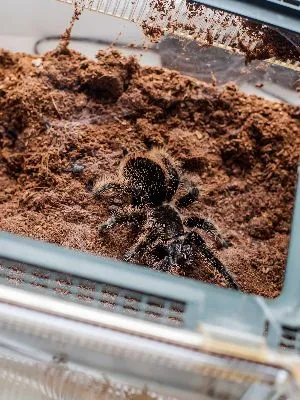
Understanding Curly Hair Tarantulas
The Curly Hair Tarantula ( Tliltocatl albopilosus ), a popular choice among tarantula enthusiasts, offers a fascinating glimpse into the world of arachnids. Originating from the tropical dry forests of Central America, these captivating creatures are known for their docile temperament and striking appearance. Their relatively low maintenance requirements also make them a good option for both novice and experienced pet keepers. Before diving into the specifics of care, understanding their natural history is crucial for providing a suitable environment and ensuring their well-being. This guide will delve into all aspects of curly hair tarantula care, from habitat setup to feeding and handling, ensuring a happy and healthy life for your pet.
Native Habitat and Characteristics
Curly Hair Tarantulas naturally inhabit the tropical dry forests of Costa Rica and other Central American countries. In their native habitat, they are primarily terrestrial, meaning they live on the ground, often under logs, rocks, or in shallow burrows. The climate in these regions is characterized by high humidity and a warm temperature range. These tarantulas are adapted to thrive in a semi-arid environment, where they hunt for insects and other small invertebrates. Understanding the environmental conditions of their natural habitat is the first step in replicating the ideal conditions in captivity.
Physical Description and Appearance

As the name suggests, Curly Hair Tarantulas are distinguished by their unique appearance. They feature a dark brown to black body covered in a dense coat of hairs that curl, giving them a fuzzy look. These hairs, known as setae, are not only for appearance but also serve as sensory organs, allowing them to detect vibrations and air currents. The color of the hairs can vary depending on the individual and its stage of development. They have a lifespan of 10-15 years for females, and 3-5 years for males, making them a long-term commitment for any pet owner.
Choosing Your Curly Hair Tarantula
Selecting a healthy Curly Hair Tarantula is crucial for its long-term well-being. Before bringing a tarantula home, it’s essential to know where to source your pet and how to assess its health. Choosing the right specimen from the beginning sets the stage for a rewarding experience and minimizes potential issues down the road. Careful observation and consideration during this phase will greatly impact your success as a tarantula keeper. Here are some key things to consider to pick a healthy specimen.
Where to Buy a Curly Hair Tarantula
Curly Hair Tarantulas are readily available from various sources, including reputable pet stores, online breeders, and reptile shows. When purchasing, prioritize sources known for their ethical practices and knowledge of tarantula care. Avoid purchasing from sources that appear to be mass-producing tarantulas without regard for their welfare. Research the seller’s reputation and read reviews before making a purchase. Breeders often provide more detailed information about the tarantula’s origin and health history, which is beneficial. Buying from a local pet store gives you the opportunity to inspect the tarantula in person before purchasing.
Selecting a Healthy Tarantula
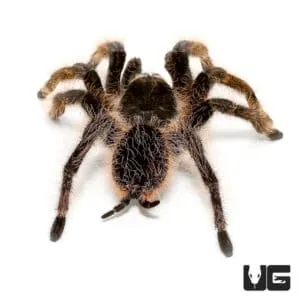
When selecting a Curly Hair Tarantula, look for signs of good health. The tarantula should have a plump abdomen, indicating it is well-fed and hydrated. Avoid tarantulas with a shrunken abdomen, as this can be a sign of dehydration or starvation. Check for any signs of injuries, such as missing legs or damaged fangs. Ensure the tarantula is alert and responsive, not lethargic or unresponsive. A healthy tarantula will typically have a shiny appearance and exhibit normal behavior, such as exploring its enclosure. Ask the seller about the tarantula’s feeding history and any health issues it may have had.
Setting Up the Perfect Habitat
Creating the right habitat is fundamental to the health and happiness of your Curly Hair Tarantula. A well-designed enclosure replicates the natural environment as closely as possible, providing a safe and comfortable space for your pet to thrive. The essential components include an appropriate enclosure, a suitable substrate, and the right temperature and humidity levels. Attention to these factors not only enhances the tarantula’s well-being but also makes it easier to observe and enjoy your pet. It also ensures they can exhibit natural behaviors.
Enclosure Size and Type
The size and type of enclosure are crucial for your Curly Hair Tarantula’s comfort and safety. A good rule of thumb is to provide an enclosure that is at least three times the tarantula’s leg span in width. For juveniles, a small plastic container or a terrarium measuring 10 gallons is often sufficient. As the tarantula grows, you’ll need to upgrade to a larger enclosure, such as a 20-gallon terrarium or a similar-sized container. The enclosure should have a secure lid to prevent escapes and good ventilation to maintain proper air circulation and humidity levels. Make sure the enclosure is well-ventilated to prevent mold growth.
Substrate Selection

The substrate, or bedding, is another important component of your tarantula’s habitat. It serves multiple purposes, including providing a comfortable surface for the tarantula to walk on, helping to regulate humidity, and offering a place to burrow. Suitable substrate options for Curly Hair Tarantulas include a mix of coconut fiber, peat moss, and a small amount of vermiculite. This combination provides good moisture retention while still allowing for proper drainage. Avoid using substrates that can be harmful to your tarantula, such as cedar or pine shavings. The substrate should be deep enough to allow the tarantula to burrow if it chooses, typically 2-4 inches deep, depending on the size of the tarantula.
Temperature and Humidity Control
Maintaining the correct temperature and humidity levels is essential for the health of your Curly Hair Tarantula. The ideal temperature range is between 75-85°F (24-29°C). You can use a heat pad or a low-wattage heat lamp to maintain this temperature, but be careful not to overheat the enclosure. The humidity level should be kept between 65-75%. You can monitor humidity using a hygrometer. To increase humidity, mist the enclosure with dechlorinated water once or twice a week, or provide a shallow water dish. Ensure proper ventilation to prevent mold growth.
Essential Supplies
In addition to the enclosure, substrate, and temperature control, you will need several essential supplies. A shallow water dish is necessary for providing your tarantula with a constant supply of fresh water. Artificial or live plants can be added to the enclosure to provide hiding places and enrichment, although these are optional. A hide, such as a piece of cork bark or a half-log, is essential for providing your tarantula with a secure place to retreat. You will also need feeding tongs or tweezers to offer food safely. A thermometer and hygrometer are also crucial for monitoring the environment inside the enclosure.
Feeding Your Curly Hair Tarantula

Proper feeding is vital for the health and growth of your Curly Hair Tarantula. They are voracious eaters and require a diet that provides them with the necessary nutrients to thrive. Knowing what and how often to feed your tarantula, along with providing fresh water, ensures it remains healthy. Feeding habits will vary depending on the tarantula’s age and size. A well-fed tarantula is less likely to be stressed, and will show increased activity levels. Here is a comprehensive guide to feeding your Curly Hair Tarantula.
What to Feed Your Tarantula
Curly Hair Tarantulas are primarily insectivores, meaning their diet consists mainly of insects. Suitable food items include crickets, mealworms, dubia roaches, and other commercially available insects. The size of the insects should be appropriate for the size of your tarantula; the general rule is to provide insects that are no larger than the tarantula’s body. Before feeding insects to your tarantula, it’s best to gut-load them with nutritious food for 24 hours to increase their nutritional value. Always remove uneaten food items from the enclosure to prevent the growth of mold and bacteria.
Feeding Frequency
The feeding frequency for Curly Hair Tarantulas depends on their age and size. Spiderlings (young tarantulas) should be fed more frequently, typically every other day, or every day, while adult tarantulas can be fed less often, about once or twice a week. Observe your tarantula’s behavior to gauge its appetite; a tarantula that readily consumes food is generally healthy. If your tarantula refuses to eat, it could be preparing to molt, so don’t panic. Ensure the enclosure’s humidity and temperature are appropriate to encourage feeding. Adjust the feeding schedule as needed, based on your tarantula’s behavior and growth.
Watering and Hydration

Providing fresh water is essential for your tarantula’s hydration. Always ensure a shallow water dish is available in the enclosure. The water dish should be easily accessible and shallow enough that the tarantula can easily drink from it without risk of drowning. Change the water regularly to prevent the build-up of bacteria. For juveniles, you can mist the enclosure lightly with dechlorinated water to provide additional hydration. Avoid over-misting, which can raise humidity levels excessively, which can be harmful to your tarantula’s health.
Handling and Safety
While Curly Hair Tarantulas are known for their docile temperament, handling them should be approached with caution and respect. Tarantulas can be easily stressed, and handling should be minimized unless necessary. Understanding safe handling practices and recognizing signs of stress will help ensure both your safety and the well-being of your tarantula. While these tarantulas aren’t known to be aggressive, it’s crucial to treat them with respect and always prioritize safety. It’s important to be cautious and understand the risks involved before you attempt to handle your tarantula.
Safe Handling Practices
If you choose to handle your Curly Hair Tarantula, do so gently and with care. Wash your hands thoroughly before and after handling to remove any potential contaminants. Always handle the tarantula over a soft surface, such as a bed or a carpet, in case it falls. Avoid making sudden movements or loud noises, as these can startle the tarantula. Never grab the tarantula, as this can cause injury. Instead, gently encourage it to walk onto your hand or a safe surface. Always supervise children when they are near the tarantula and avoid handling them. The safety of your pet is always the priority.
Recognizing Stress and Handling Issues

It is essential to recognize signs of stress in your Curly Hair Tarantula to avoid any handling issues. A stressed tarantula may exhibit defensive behaviors, such as raising its front legs, flicking hairs from its abdomen, or attempting to flee. If your tarantula displays these signs, it is best to leave it alone and allow it to relax in its enclosure. Avoid handling the tarantula if it is about to molt, as this can be particularly stressful. Always prioritize the tarantula’s well-being and minimize handling if it appears stressed or uncomfortable. Handling your tarantula should always be a choice, not a requirement.
Health and Common Issues
Like all pets, Curly Hair Tarantulas can experience health issues. While generally hardy, they can be susceptible to problems if their care is not adequate. Knowledge of common health issues and the ability to recognize signs of illness can help you provide the necessary care to your pet. Regular monitoring of your tarantula and its environment is key to identifying and addressing any health concerns. This ensures that any issues are handled promptly, which helps to improve their lifespan.
Shedding and Molting
Molting is a natural process for tarantulas, during which they shed their exoskeleton to grow and replace lost limbs. The frequency of molting depends on the tarantula’s age and growth rate; younger tarantulas molt more frequently. Before molting, your tarantula may stop eating, become lethargic, and spend more time in its hide. The tarantula will flip onto its back to shed its exoskeleton. Do not disturb the tarantula during the molting process. After molting, the tarantula’s new exoskeleton will be soft; avoid feeding it for a week to allow it to harden. The molt is a sign of a healthy and growing tarantula.
Common Health Problems
Some common health problems that can affect Curly Hair Tarantulas include mites, fungal infections, and parasites. Mites can infest the tarantula’s body and substrate, causing irritation. Fungal infections can occur in environments with high humidity and poor ventilation. Parasites can also be a problem, especially if the tarantula consumes contaminated insects. To prevent these problems, maintain proper hygiene, ensure adequate ventilation, and quarantine new tarantulas before introducing them to your collection. If you suspect your tarantula is sick, consult with a veterinarian or a knowledgeable tarantula expert.
Breeding Curly Hair Tarantulas
Breeding Curly Hair Tarantulas can be a rewarding but complex undertaking. If you are interested in breeding your tarantulas, you need to be prepared for the time and resources involved. Understanding the process of mating, egg sac production, and spiderling care will help you succeed. Always do your research before starting, and be aware of the ethical considerations of breeding. Successful breeding requires patience, knowledge, and a commitment to the well-being of both the adult tarantulas and their offspring.
Identifying Sex
Determining the sex of your Curly Hair Tarantula is the first step in the breeding process. You can typically sex a tarantula by examining its molt. The easiest way to do this is by looking at the underside of the abdomen. Mature females will have a spermateca, which is a pouch-like structure used for storing sperm, whereas males do not have one. Another method to determine sex is to look for the presence of tibial hooks on the male tarantula, which are used to hold the female’s fangs during mating. The ability to accurately sex your tarantula is key to any breeding program.
Mating and Egg Sacs
To breed Curly Hair Tarantulas, you will need a mature male and female. The mating process involves introducing the male to the female’s enclosure, and they will then mate. The male will use his tibial hooks to hold the female’s fangs. After successful mating, the female will typically produce an egg sac, which she will protect until the spiderlings hatch. The egg sac contains a mass of eggs, which she will protect and care for. The female will then begin to spin a silken web to keep the eggs protected. The eggs will hatch into spiderlings, which will require careful care and feeding. Successful breeding is a testament to your ability to provide the correct environment and care.
Conclusion
Caring for a Curly Hair Tarantula is a rewarding experience for those who take the time to learn about their needs and provide the proper environment. By understanding their natural habitat, providing appropriate housing, feeding them correctly, and handling them with care, you can ensure your tarantula lives a long, healthy, and fascinating life. Always prioritize the health and well-being of your pet, and be prepared to continually learn and adapt your care practices as your tarantula grows and develops. With proper care, your Curly Hair Tarantula can become a captivating and enriching companion.