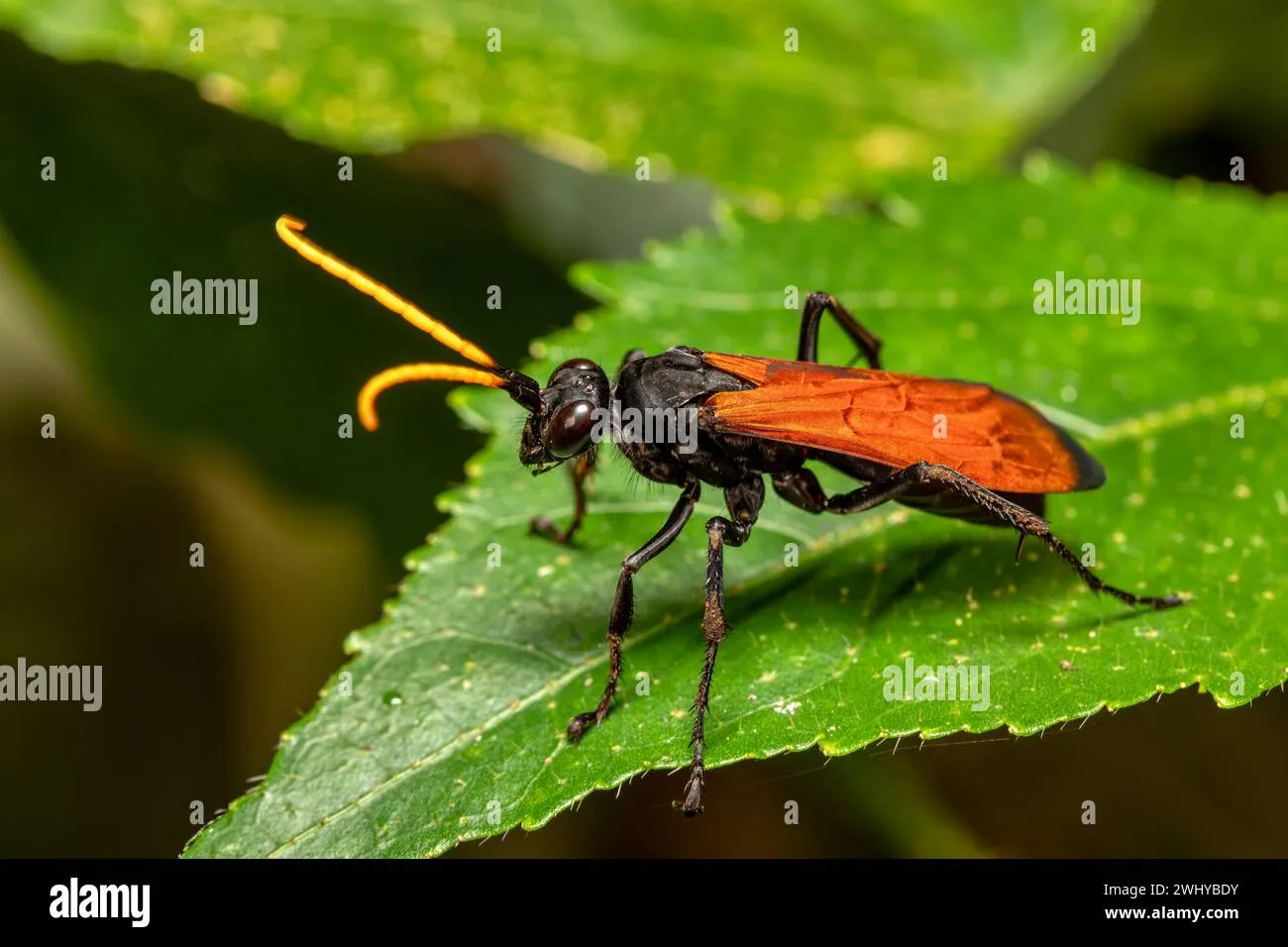
What is a Tarantula Hawk Wasp?
The tarantula hawk wasp, a mesmerizing and formidable insect, reigns supreme in the realm of entomology. Its reputation precedes it, often painted in hues of both dread and awe. Found in various regions, particularly in the warm climates of Costa Rica, this wasp is a remarkable example of nature’s intricate designs and survival strategies. As you delve deeper into the world of this creature, you’ll uncover a life cycle unlike any other and a pivotal role within its ecosystem. Its sting ranks among the most painful in the insect world, yet its existence is vital for the balance of the natural world. The tarantula hawk wasp is a fascinating study in contrasts, blending beauty with brutality, and showcasing the raw power of nature.
Appearance and Identification
Identifying the tarantula hawk wasp begins with a visual feast. These wasps are typically large, with a striking appearance that easily sets them apart. Their body is often a deep, iridescent blue or black, contrasted by vibrant orange wings. The combination of colors serves as a warning, a bold proclamation of the wasp’s potential for a painful sting. The size of the wasp is also a key characteristic, with females often reaching lengths of up to two inches. This imposing stature, combined with its striking colors, makes it a sight to behold and a creature that demands respect. These visual markers not only aid in identification but also highlight the wasp’s formidable presence in its environment.
Size and Color Variations

While the general appearance is consistent, variations exist. The size can fluctuate depending on the species and sex, with females usually being larger than males. The color can also vary, with some displaying more purplish or reddish hues in their wings and bodies. These subtle differences are essential for experts to distinguish between different species or subspecies. However, the overall aesthetic remains the same: a vibrant display of warning colors and an imposing size that hints at its potent capabilities. The size variations typically do not exceed half an inch in length.
Habitat and Distribution
The tarantula hawk wasp prefers warm climates, thriving in arid and semi-arid regions. In Costa Rica, they are found in diverse habitats, from dry tropical forests to open grasslands. Their presence is an indication of a healthy ecosystem, as they play an essential role in the local food chain. The wasp’s adaptability allows it to persist in various settings, making it a relatively common sight in specific regions of the country. The distribution of the tarantula hawk wasp is a crucial factor in understanding its behavior and ecological significance, showcasing the species’ capacity to flourish in diverse environmental conditions. This adaptability is a cornerstone of their continued survival.
Tarantula Hawk Wasp Behavior
The behavior of the tarantula hawk wasp is as compelling as its appearance, marked by a blend of ferocity and precision. Primarily, they are solitary creatures, with females engaging in a hunting ritual that’s both brutal and precise. Their primary prey is, as the name suggests, tarantulas. The wasp’s behavior is finely tuned to locate, paralyze, and then use the tarantula as a host for its larvae. Male wasps, on the other hand, have different responsibilities, mainly focused on reproduction and territory defense, often displaying aggressive behavior towards other males. This intricate dance of survival is a prime example of nature’s efficiency.
Hunting and Paralysis

The hunting process is a display of skill. After locating a tarantula, the female wasp engages in a carefully choreographed battle. The wasp uses its sting to inject venom, which paralyzes the spider. Once paralyzed, the wasp will drag the spider to a burrow, where the tarantula will serve as a living incubator for the wasp’s eggs. The ability to immobilize such a formidable opponent underscores the wasp’s hunting prowess. This process is an incredible example of natural selection and survival strategies in action. The wasp’s hunting technique is one of the most fascinating aspects of its behavior.
The Tarantula as Prey
The choice of tarantulas as prey is not random. These spiders provide a substantial food source and a secure environment for the wasp larvae. The tarantula’s size and defensiveness mean that the hunt is often perilous, but the reward is a guaranteed food source for the developing larvae. This selection showcases the wasp’s strategic approach to ensure its offspring’s survival. The tarantula is the perfect host due to its size, habitat preference, and the readily available food source that is the spider. The tarantula-hawk wasp has a profound impact on the ecosystem.
Pain and Venom
The tarantula hawk wasp’s sting is infamously painful, ranked among the most painful insect stings in the world. The venom itself is not particularly toxic, but it causes intense pain that can last for several minutes, or even hours. The pain is described as excruciating, a wave of agony that incapacitates anyone unfortunate enough to be stung. While the sting is not usually fatal to humans, the experience is undoubtedly memorable. This powerful venom is a vital tool for the wasp, used to subdue its prey with efficiency. The pain factor also serves as a deterrent to predators, making the wasp a creature to be feared and respected.
Tarantula Hawk Wasp Life Cycle
The life cycle of the tarantula hawk wasp is a testament to nature’s ingenuity, showcasing a carefully orchestrated series of events from egg to adult. This fascinating cycle begins with the female wasp’s hunt for a tarantula, which becomes the incubator for the next generation. This process is a display of strategic planning and survival instincts, making it a captivating area of study for biologists and entomologists. The complete life cycle typically spans several months, depending on the environmental conditions and the availability of resources. The tarantula hawk wasp life cycle is a crucial element in understanding this wasp’s role in its ecosystem.
Egg Laying and Larval Development
Once the tarantula is paralyzed, the wasp lays a single egg on the spider’s abdomen. The egg hatches, and the larva begins to feed on the paralyzed spider. The larva slowly consumes the tarantula from the outside in, leaving the vital organs for last to keep the spider alive for as long as possible. This ensures that the larva has a continuous food source as it grows. The development of the larva is a crucial period in the wasp’s life cycle, where it transforms from a tiny egg into a fully developed wasp. The environment and food source provided by the host tarantula are vital for this development.
Pupation and Emergence
After the larva has consumed the tarantula, it enters the pupa stage, typically within the spider’s burrow. During pupation, the larva undergoes a complete metamorphosis, transforming into an adult wasp. The pupa stage can last for several weeks or months, depending on the environment. When the transformation is complete, the adult wasp emerges, ready to repeat the life cycle. This emergence marks the beginning of a new generation of these fascinating insects. This remarkable process highlights nature’s efficiency and the incredible adaptations that drive life’s diverse forms.
The Ecological Role of Tarantula Hawks

The tarantula hawk wasp plays a pivotal role in its ecosystem, affecting the populations of both tarantulas and other invertebrates. The wasp’s hunting behavior helps to control tarantula populations, preventing these spiders from becoming overly abundant. Their interactions with other species contribute to the overall balance of the environment. The wasp’s presence often indicates a healthy and diverse habitat. The ecological significance of the tarantula hawk wasp is a testament to the interconnectedness of nature.
Impact on Tarantula Populations
By preying on tarantulas, the tarantula hawk wasp helps regulate tarantula populations. This predation prevents tarantulas from becoming too numerous, which could lead to an imbalance in the ecosystem. The wasp’s hunting activity ensures that the tarantula population remains healthy, and thus, that the ecosystem continues to thrive. The impact is significant, particularly in areas where tarantulas are a dominant species. The wasp acts as a natural control agent, ensuring a balanced ecosystem.
Contribution to Ecosystem Health
Beyond controlling tarantula populations, the tarantula hawk wasp also contributes to overall ecosystem health. The wasp’s activity influences the distribution and abundance of other species. The wasp is part of a complex web of interactions, impacting both plant and animal communities. The presence of tarantula hawk wasps indicates a balanced and functioning ecosystem. The wasps help shape and support the biodiversity, helping to maintain a healthy and stable ecosystem. The tarantula hawk wasp is an integral part of the web of life.
Where to See Tarantula Hawk Wasps in Costa Rica

For those fascinated by these creatures, Costa Rica offers prime opportunities for observation. Many locations across the country are home to tarantula hawk wasps. The best time to spot these wasps is during the warmer months, when they are most active. Knowing where to look and how to observe them safely will enhance the experience, making it a safe and enriching encounter with nature. Being well-informed is key when seeking out wildlife.
Best Locations and Habitats
The best places to spot tarantula hawk wasps in Costa Rica are often those with open, sunny areas and dry forests. National parks and reserves provide ideal habitats, as they are often home to a diverse range of invertebrates. Look for areas with abundant tarantula activity, as the wasps will be attracted to those environments. Some specific areas to consider include the Guanacaste region, known for its dry forests, and areas near active tarantula habitats. Selecting areas that offer accessibility while respecting the environment can provide optimal viewing conditions.
Tips for Observation and Safety
Observing tarantula hawk wasps requires caution and respect. Always maintain a safe distance and avoid sudden movements that could provoke the wasp. Wearing protective clothing, especially long sleeves and pants, is advisable. Never attempt to handle or disturb the wasps. Educate yourself about the local environment and the species’ behaviors. Proper preparation, awareness, and respecting the wildlife habitat will ensure a safe and enriching experience. Observing these wasps from a distance is the safest way to enjoy their presence in Costa Rica.