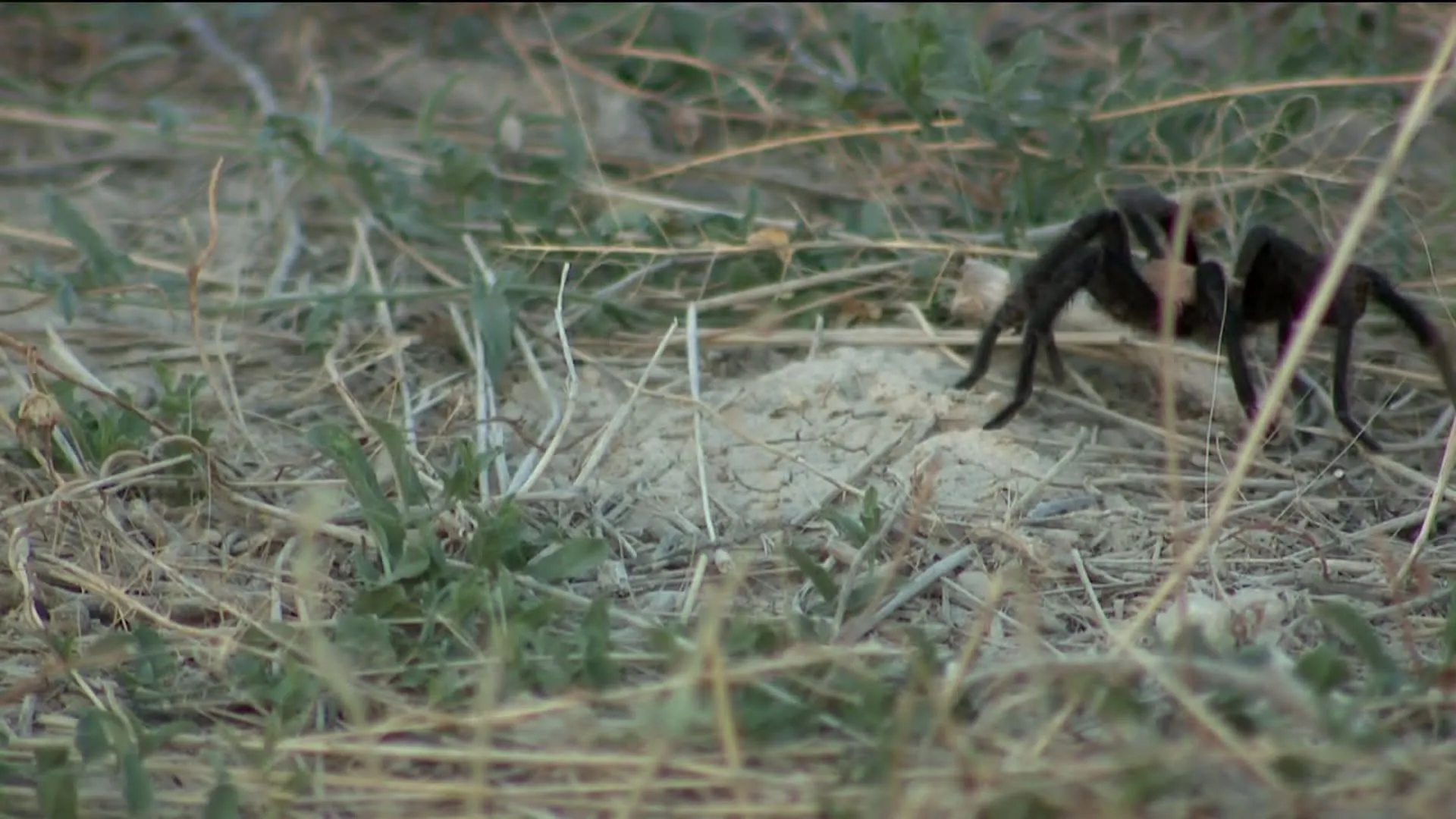
What is the Colorado Tarantula Migration
The Colorado tarantula migration is a remarkable natural phenomenon that occurs annually in the state’s grasslands. During this period, typically in late summer and early fall, thousands of male tarantulas embark on a journey to find mates. This migration is not just a spectacle for nature enthusiasts but also a crucial part of the tarantulas’ life cycle, ensuring the continuation of their species. These large, hairy spiders, often feared by many, play an important role in the local ecosystem, and their migration offers a unique opportunity to observe their behavior and appreciate their place in the natural world. Witnessing this event provides a fascinating glimpse into the intricate lives of these often-misunderstood creatures.
Understanding the Tarantula Lifecycle
To fully appreciate the tarantula migration, understanding their lifecycle is essential. Tarantulas, like many spiders, have a multi-stage life cycle. They start as eggs, hatch into spiderlings, and then molt several times as they grow. Males typically reach maturity within 5-7 years, while females can live for over 20 years. The migration is driven by the males’ search for a mate. Once they reach maturity, they leave their burrows, often traveling long distances. After mating, the males usually die, while the females return to their burrows to lay eggs. The entire process, from emergence to mating, is a critical part of the tarantulas’ survival and the continuation of their species. Understanding this cycle helps to understand the urgency and importance of the migration itself.
When and Where to See the Migration

The tarantula migration in Colorado primarily occurs in the grasslands of the southeastern part of the state. The prime viewing time usually spans from late August to early October, although this can vary depending on weather conditions. The most active period is often during the late afternoon and early evening, when the spiders are most likely to be out and about. Specific locations include areas around the Comanche National Grassland and other open, grassy regions. Researching specific trails and known migration paths can significantly increase your chances of spotting these fascinating creatures. It is always a good idea to check local wildlife reports and park updates for the most accurate and up-to-date information on the migration’s progress.
Best Times for Tarantula Migration Viewing
The best times for observing the tarantula migration often coincide with specific weather conditions. Warm, sunny days followed by cooler evenings tend to encourage the tarantulas to emerge. The peak viewing times are generally in the late afternoon and early evening, as the spiders are most active during these hours. Keep an eye on the weather forecast, as rain or extreme heat can impact the migration. Weekends and holidays often attract larger crowds, so consider visiting during the weekdays for a more serene experience. Planning your trip around these factors will significantly increase your chances of witnessing this incredible natural event and allow for better photo opportunities and wildlife observation.
Top Colorado Locations for Tarantula Sightings
Several locations in Colorado are renowned for hosting the tarantula migration. The Comanche National Grassland is one of the most popular spots, offering vast open spaces where the spiders are frequently seen. Other areas to consider include certain sections of the Pawnee National Grassland, which provide similar habitat characteristics. When choosing a location, consider factors such as accessibility, trail conditions, and the presence of amenities like restrooms and parking. Before you go, check the local park websites or contact visitor centers for the most current information on trail closures, safety advisories, and any other important details. These resources can help ensure you have a safe and rewarding experience.
Planning Your Tarantula Migration Trip

Planning your trip to witness the tarantula migration involves several key steps. Start by researching the migration timeline and the best locations to visit. Reserve accommodations in advance, especially if you’re visiting during peak season, to avoid disappointment. Plan your route, taking into account travel time and road conditions. Pack essential supplies, including plenty of water, snacks, sunscreen, and a first-aid kit. Wear appropriate clothing, such as sturdy shoes, long pants, and layers to accommodate changing weather conditions. Most importantly, familiarize yourself with any park regulations and safety guidelines to ensure a responsible and enjoyable experience. Preparation is key to a successful tarantula migration adventure.
What to Bring for a Successful Viewing
To make the most of your tarantula migration viewing experience, bring the right gear. A good pair of binoculars or a camera with a zoom lens will allow you to observe the tarantulas from a safe distance without disturbing them. A flashlight or headlamp is essential if you plan on staying out into the evening. Comfortable hiking shoes are a must, as you’ll likely be walking on uneven terrain. Pack insect repellent to ward off other insects, as well as sunscreen to protect yourself from the sun. Bring a reusable water bottle and plenty of snacks to stay hydrated and energized throughout the day. A field guide to tarantulas or local wildlife can also enrich your experience by helping you identify different species and learn more about their behavior.
Safety Precautions Observing Tarantulas
When observing tarantulas, safety should always be your top priority. Maintain a safe distance from the spiders and avoid approaching or attempting to handle them. Tarantulas can bite if they feel threatened, and while their venom is not typically lethal to humans, it can cause discomfort. Be aware of your surroundings and watch out for potential hazards, such as uneven ground, cacti, and other wildlife. Never feed or attempt to interact with the tarantulas directly, as this can disrupt their natural behavior and put you at risk. Inform someone of your plans before you head out, and consider going with a friend or group. Following these precautions ensures a safe and enjoyable experience while observing this fascinating natural phenomenon.
Respecting Tarantulas and Their Habitat

It is essential to respect the tarantulas and their habitat during your visit. Avoid disturbing the spiders or their burrows. Do not collect or remove any tarantulas or other wildlife from their natural environment. Stay on designated trails to minimize your impact on the surrounding ecosystem. Pack out everything you pack in and leave no trace of your visit. Be mindful of noise levels and avoid activities that could frighten or stress the tarantulas. Support conservation efforts by following the rules of the park and educating others about the importance of protecting these creatures and their habitat. By practicing responsible tourism, you help ensure that future generations can also experience the wonder of the tarantula migration.
Photographing the Colorado Tarantula Migration
Capturing the tarantula migration through photography is a rewarding experience. Use a camera with a good zoom lens to capture close-up shots of the spiders without disturbing them. Focus on capturing the spiders’ natural behaviors, such as their movement across the ground or interactions with each other. Experiment with different angles and perspectives to create visually interesting images. Pay attention to the lighting conditions, and consider shooting during the golden hours (shortly after sunrise and before sunset) for the best light. Be patient, as tarantulas can be slow-moving and may require some time to photograph. Most importantly, respect the animals and their environment, and do not do anything that could put them at risk. Your photographs can help to educate others about the beauty and importance of these creatures and their migration.