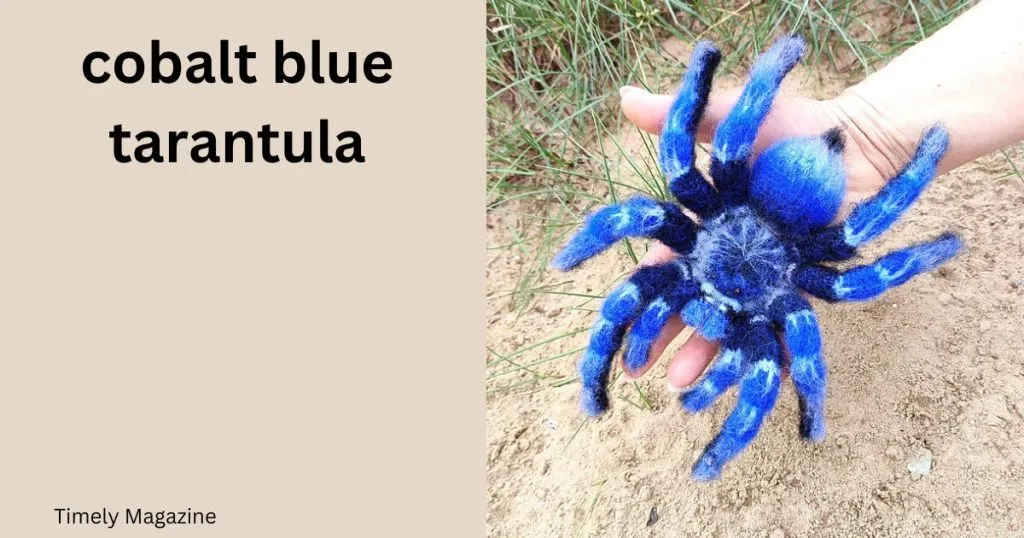
The cobalt blue tarantula (Cyriopagopus lividus) is a striking arachnid, known for its vibrant coloration and, unfortunately, its potential dangers. While these spiders are fascinating to observe, it is crucial to understand the risks associated with them. This article explores the top 5 dangers of the cobalt blue tarantula, providing essential information for enthusiasts and anyone considering keeping one as a pet. Understanding the dangers is the first step in responsible ownership and safe interaction with these creatures.
Cobalt Blue Tarantula Characteristics
The cobalt blue tarantula’s unique characteristics are what make it both captivating and potentially dangerous. The intensity of its coloration serves as a warning. The spiders’ vibrant blue hue is a sign that nature sends to signal potential danger to predators. Being able to recognize the characteristics can help you avoid danger.
Distinctive Appearance
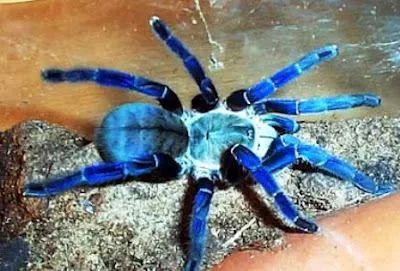
Adult cobalt blue tarantulas are easily identifiable by their metallic blue legs and a carapace that can range from light blue to grey. The body is covered with fine hairs and the contrasting colors are a clear warning sign. The female tarantulas are generally larger than the males. This dramatic appearance should be a reminder of the need for caution.
Habitat and Distribution

Native to Southeast Asia, particularly Myanmar and Thailand, these tarantulas inhabit burrows in the ground and are often found in humid environments. This geographic distribution plays a role in understanding their behavior and potential threats. In the wild, they play a crucial role in their ecosystem, and the risks they present are a part of their natural environment.
Cobalt Blue Tarantula Venom
One of the primary concerns with cobalt blue tarantulas is their venom. While not typically lethal to humans, their bite can be painful and cause a range of unpleasant symptoms.
Toxicity and Effects
The venom of a cobalt blue tarantula contains various toxins that cause localized pain, muscle cramps, and swelling. Some individuals may experience more severe reactions. The effects can last for several hours or even days, depending on the amount of venom injected and the individual’s sensitivity. It is important to be mindful that a bite can have significant, immediate effects.
Severity of Bites

The severity of a cobalt blue tarantula bite varies. Bites can be painful and produce localized effects such as redness, swelling, and itching. Although rarely life-threatening, bites can cause more severe symptoms in sensitive individuals. It is important to monitor any bite closely and seek medical attention if symptoms worsen.
Cobalt Blue Tarantula Defensive Behaviors
Cobalt blue tarantulas are not naturally aggressive, but they will defend themselves if they feel threatened. They have a number of defensive behaviors to watch out for to ensure safety. Recognizing these behaviors can prevent bites and ensure that the risk is minimized.
Bite vs. Urticating Hairs
Unlike some New World tarantulas that use urticating hairs as a defense mechanism, cobalt blue tarantulas primarily rely on their venomous bite. They do not have urticating hairs, so a bite is the primary means of defense. The bite is more painful than the effects of urticating hairs. It is important to be extra cautious to avoid the tarantula’s mouth.
Threat Poses and Defensive Postures
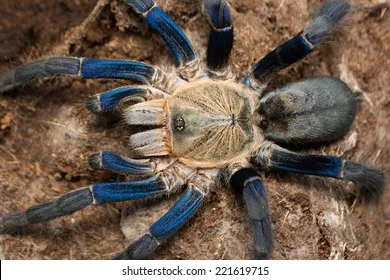
When threatened, a cobalt blue tarantula will often raise its front legs, and display its fangs. It may also adopt a striking pose to appear larger. The spider may also hiss as a warning. Understanding these threat poses is crucial for avoiding potential bites. Never try to handle a tarantula if it is displaying any defensive behaviors.
Cobalt Blue Tarantula Handling and Safety
Safe handling practices are essential if you choose to own a cobalt blue tarantula. Understanding the correct methods can significantly reduce the risk of bites and ensure the safety of both the handler and the spider.
Safe Handling Practices
Handle cobalt blue tarantulas only when necessary, such as during cage maintenance or relocation. Use long handled tools. Never handle them when they are stressed or agitated. Always be gentle and avoid sudden movements. Always wash hands after handling a tarantula.
What to Do If Bitten

If bitten, remain calm and clean the wound with soap and water. Apply a cold compress to reduce swelling. Seek medical attention if you experience severe symptoms. This includes difficulty breathing, or any other concerning signs. Proper first aid and medical attention can mitigate the effects of the bite.
Cobalt Blue Tarantula and Human Interactions
Interactions between humans and cobalt blue tarantulas require responsible pet ownership and a clear understanding of potential risks. This includes considerations for pet owners, as well as an awareness of the dangers these spiders pose.
Pet Ownership Considerations
Keeping a cobalt blue tarantula as a pet requires dedication and a suitable environment. Proper housing includes a secure enclosure with appropriate temperature, humidity, and substrate. Feeding should consist of live insects, and regular monitoring is essential. Understanding the requirements and risks is vital.
Risks to Children and Pets
Children and pets are particularly vulnerable to the dangers posed by cobalt blue tarantulas. Keep the tarantula’s enclosure out of reach of children and other pets. Educate children about the potential hazards and never allow them to handle the tarantula without adult supervision. Ensure that the enclosure is secure and that there is no chance of escape.
Cobalt Blue Tarantula Conservation Status
The conservation status of the cobalt blue tarantula is essential to consider. Understanding the threats faced by wild populations helps us appreciate their place in the ecosystem.
Threats to Wild Populations
Habitat loss and the exotic pet trade pose significant threats to wild cobalt blue tarantula populations. Deforestation and the destruction of their natural habitats are leading to declining numbers. Furthermore, the illegal collection of these spiders for the pet trade exacerbates the problem. Conservation efforts are necessary to protect these spiders.
In conclusion, while the cobalt blue tarantula is a stunning and fascinating creature, it is important to be aware of the potential dangers. From the potency of their venom to their defensive behaviors, understanding these risks is crucial for responsible ownership and safe interaction. By being informed, enthusiasts can appreciate these spiders while minimizing the risks associated with them.