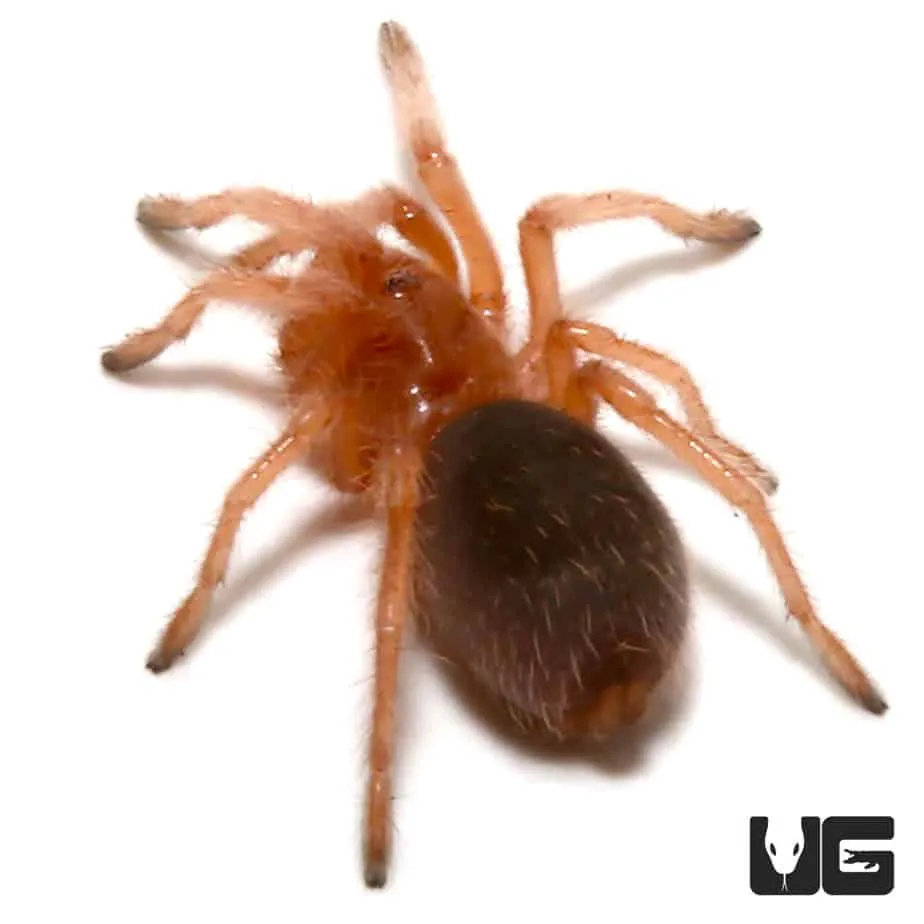
Choosing Your Chilean Rosehair Tarantula
The Chilean Rosehair Tarantula (Grammostola rosea) is a popular choice for beginner tarantula keepers due to its docile nature, relatively low maintenance, and beautiful appearance. Before bringing one of these fascinating creatures into your home, it’s essential to understand what to look for and how to prepare for their arrival. This guide will walk you through everything you need to know to successfully care for your Chilean Rosehair, ensuring a happy and healthy life for your new pet. From choosing the right specimen to creating the ideal habitat and providing proper care, we’ve got you covered. Owning a tarantula can be a rewarding experience, providing a unique perspective on the world of arachnids and the opportunity to observe their fascinating behaviors. The key is to be prepared and informed.
Where to Buy
You can typically find Chilean Rosehair tarantulas at reputable reptile stores, specialized tarantula breeders, or online through dedicated arachnid marketplaces. When purchasing from a store, carefully observe the tarantula’s condition. Look for an active spider with a healthy abdomen (not too shriveled or distended). Online, check reviews and ensure the seller has a good reputation for safe shipping practices. Always prioritize sellers who prioritize the health and well-being of their animals, and who can provide accurate information about the tarantula’s origin and care requirements. Buying from a breeder can offer the advantage of receiving a tarantula that has been properly cared for from a young age, often with detailed records of its molting history and feeding schedule.
Things to Consider Before Buying

Before acquiring a Chilean Rosehair, consider the following: are you prepared to provide long-term care, as these tarantulas can live for over 20 years? Do you have space for an appropriately sized enclosure? Are you comfortable with feeding live insects? Research the local regulations regarding keeping exotic pets, as some areas may have restrictions. Consider your lifestyle and whether you can commit to the regular maintenance required. Ensure you have all the necessary supplies, including an enclosure, substrate, water dish, and heating elements if required. Consider whether you can handle the occasional escape, and take steps to prevent this. Finally, remember that while Chilean Rosehairs are generally docile, they can still bite if provoked, so handle them with care and respect their space.
Setting Up the Perfect Chilean Rosehair Habitat
Creating the right environment is crucial for your Chilean Rosehair’s health and well-being. A well-designed habitat will mimic their natural environment and provide them with a comfortable and safe space to thrive. This involves choosing the appropriate enclosure, substrate, and ensuring the correct temperature and humidity levels. Providing the right environment not only keeps your tarantula healthy but also allows you to observe its natural behaviors and enjoy your pet to the fullest. Remember that a stressed tarantula is more likely to be inactive and less likely to eat, so a proper habitat is the foundation of good tarantula keeping.
Enclosure Size and Type
For a Chilean Rosehair, a 10-gallon tank is a good starting point for juveniles, while adults will require a 20-gallon or larger enclosure. The enclosure should be wider than it is tall, as these tarantulas are terrestrial and don’t climb much. A secure lid is essential to prevent escapes. Consider using a glass or acrylic enclosure, as these are easy to clean and allow for good visibility. Ensure the enclosure is well-ventilated to prevent the buildup of excessive humidity. Avoid enclosures with large gaps or openings where the tarantula could potentially squeeze through. Always consider the tarantula’s eventual adult size when choosing the enclosure to avoid having to upgrade too frequently.
Substrate and Decor

The substrate should be several inches deep to allow the tarantula to burrow if it chooses. Suitable substrate options include a mixture of peat moss, coconut fiber (eco earth), and a small amount of vermiculite or sphagnum moss to help retain humidity. Avoid substrates with sharp edges that could injure the tarantula. Provide a hide, such as a cork bark slab or half log, for the tarantula to retreat to. Other decorations, such as artificial plants, can enhance the habitat and provide enrichment. Ensure all decorations are secure and won’t topple over, potentially injuring the tarantula. The substrate should be kept clean and replaced periodically to prevent mold growth and the build-up of waste.
Temperature and Humidity
Chilean Rosehairs thrive in temperatures between 70-80°F (21-27°C). Room temperature usually suffices, but a low-wattage heat source, such as a heat mat placed on the side of the enclosure (never underneath), can be used if necessary. Avoid direct sunlight, which can overheat the enclosure. Humidity should be maintained between 60-70%. This can be achieved by misting the enclosure lightly once or twice a week, or by providing a water dish. Monitor humidity levels with a hygrometer. Poor temperature or humidity regulation can stress the tarantula, leading to health issues. Always ensure the heat source is used safely and cannot burn the tarantula.
Feeding Your Chilean Rosehair
Providing the right diet is fundamental to your Chilean Rosehair’s health. They are primarily insectivores and require a consistent supply of live prey. Understanding their dietary needs and feeding habits will ensure your tarantula receives the necessary nutrients to thrive. Regular feeding not only keeps them healthy but also offers an opportunity to observe their hunting behavior, which is a fascinating part of tarantula ownership. Remember that tarantulas, especially juveniles, are voracious eaters and require a steady supply of food.
What to Feed

The main diet for Chilean Rosehairs consists of live insects, such as crickets, mealworms, roaches (Dubia roaches are a good choice), and superworms. The size of the prey should be appropriate for the tarantula’s size; generally, the prey should be no larger than the tarantula’s body. Dust the insects with a calcium and vitamin D3 supplement once or twice a week, especially for juveniles, to ensure proper growth and development. Avoid feeding insects collected from the wild, as they may carry parasites or pesticides. Ensure the insects are healthy and well-fed before offering them to your tarantula. Variety in the diet is beneficial, so consider offering different types of insects.
Feeding Frequency
Juvenile tarantulas should be fed 2-3 times a week. Adult Chilean Rosehairs can be fed once a week or even less frequently, depending on their appetite and size. Observe your tarantula’s abdomen; if it’s plump, the tarantula is well-fed. Remove any uneaten prey within 24 hours to prevent stress on the tarantula and the potential for the insects to harass it during molting. Overfeeding can lead to excessive weight gain and potential health problems, so it’s best to err on the side of caution. Always provide fresh water, even if the tarantula is not eating regularly.
Watering and Hydration
Water is essential for your Chilean Rosehair’s survival. They require a constant supply of fresh water to stay hydrated and healthy. Proper hydration supports all their bodily functions, including molting. It is important to provide water in a way that is both accessible and safe for the tarantula. Monitoring the water source and ensuring it remains clean and available is a crucial part of tarantula care. Dehydration can quickly lead to health complications, so regular watering is an important aspect of their care regimen.
Providing Fresh Water

Provide a shallow water dish filled with fresh, clean water at all times. Use a dish that is shallow enough to prevent the tarantula from drowning. Small bottle caps or petri dishes work well. Replace the water every 1-2 days to prevent the growth of bacteria and mold. If the tarantula is small, you can use a cotton ball soaked in water as a water source, but ensure that it remains clean. Ensure the water is always accessible and clean to maintain hydration and prevent potential health issues. If you notice that the water evaporates quickly, you may need to adjust the humidity levels in the enclosure.
Misting and Humidity
In addition to a water dish, mist the enclosure lightly with a spray bottle once or twice a week, depending on the humidity levels. Avoid over-misting, as excessive humidity can lead to mold growth. Misting helps maintain humidity, which is crucial for successful molting. Observe the tarantula’s behavior; if it seems sluggish, it may be dehydrated. If the tarantula is frequently seen near its water dish, it may be a sign that the humidity levels are too low. Always use dechlorinated water for misting and watering. Consistent humidity levels are critical, so monitor and adjust the humidity as necessary.
Handling and Interaction
While Chilean Rosehairs are known for their docile nature, it’s essential to approach handling with caution and respect. Tarantulas are not typically pets that enjoy being handled and should be treated as observational animals. Understanding how to handle them safely is crucial for both your safety and the tarantula’s well-being. Handling should be kept to a minimum, and it should only be done when necessary and with careful consideration. Always remember that tarantulas can be unpredictable and react defensively if they feel threatened.
Handling Precautions

If you choose to handle your tarantula, do so with extreme care and slowly. Avoid sudden movements or dropping the tarantula. Handle them close to the ground to minimize the risk of injury if it falls. Always wash your hands thoroughly before and after handling, and avoid using scented soaps or lotions. Be aware that tarantulas can become stressed from being handled. If the tarantula raises its front legs or flicks hairs, it’s a sign that it feels threatened and should be left alone. Avoid handling during or immediately after molting, as the exoskeleton is soft and vulnerable. Never force a tarantula to be handled.
Observing Your Tarantula
The best way to interact with your Chilean Rosehair is through observation. Watch their behavior, such as feeding, web-spinning, and burrowing. These behaviors are far more enriching for you and the tarantula than handling. By observing their natural behaviors, you can learn a lot about your tarantula’s personality and preferences. Providing a well-designed habitat with appropriate enrichment, such as hides and different substrate depths, can encourage natural behaviors. Observing a tarantula in its enclosure also allows you to notice any health issues, such as loss of appetite, changes in activity levels, or unusual body positions, which can help you identify potential problems early on.
Common Health Issues and Care
Like all living creatures, Chilean Rosehair tarantulas can experience health problems. Being able to recognize potential issues and knowing how to address them is vital for responsible tarantula keeping. Many health problems are related to environmental conditions or improper care, making prevention a key aspect of maintaining a healthy tarantula. Regular observation and knowledge of potential ailments will enable you to provide prompt and effective care when needed. If you’re unsure about a tarantula’s health, always consult a veterinarian experienced with exotic animals.
Moulting
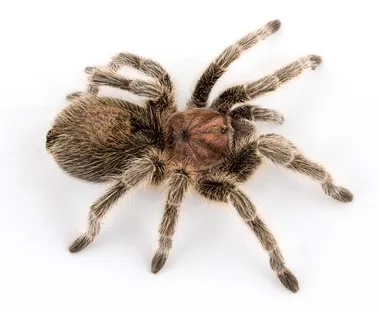
Moulting is a natural process where the tarantula sheds its exoskeleton to grow. The frequency of molting depends on the tarantula’s age and growth rate. Before molting, the tarantula may stop eating, become less active, and develop a darker coloration. Provide a humid environment during this time. Avoid disturbing the tarantula during molting, as it’s a vulnerable process. After molting, the tarantula will be soft and vulnerable, and it will take some time for the new exoskeleton to harden. Do not feed your tarantula for a few days after a molt to allow the fangs to harden. Molting is a sign of a healthy, growing tarantula.
Parasites and Diseases
Chilean Rosehairs are relatively hardy, but they can be susceptible to parasites like mites and nematodes. Inspect the tarantula and its enclosure regularly for signs of infestation. Mites appear as tiny, moving specks on the tarantula or in the enclosure. Nematodes are microscopic worms that can cause serious health problems. If you suspect a parasite infestation, consult a veterinarian or experienced tarantula keeper for advice. Poor environmental conditions, such as excessive humidity and poor ventilation, can also lead to bacterial or fungal infections. Maintaining a clean and well-ventilated enclosure is essential to prevent disease. Quarantine any new tarantulas before introducing them to existing ones, to prevent the spread of diseases.
Conclusion
Caring for a Chilean Rosehair Tarantula can be a rewarding experience. By understanding their needs and providing the right environment, diet, and care, you can ensure a long and healthy life for your pet. Remember that patience, observation, and research are key to success. Enjoy the unique opportunity to observe these fascinating creatures and learn more about the world of arachnids. With proper care, your Chilean Rosehair Tarantula can become a captivating and low-maintenance companion. Remember to always prioritize the well-being of your tarantula by providing a safe, comfortable, and enriching environment.