Understanding the Chilean Rose Tarantula in the UK
The Chilean Rose Tarantula (Grammostola rosea), a popular pet in the UK, is known for its docile temperament and relatively easy care requirements. Native to the dry scrublands of Chile, Argentina, and Bolivia, these arachnids have become a favorite among both novice and experienced tarantula keepers. This comprehensive guide will walk you through everything you need to know about providing optimal care for your Chilean Rose Tarantula, ensuring its health, happiness, and longevity. From understanding their natural habitat to mastering the art of feeding and handling, we’ll cover all the essential aspects of Chilean Rose Tarantula ownership in the UK.
Basic Characteristics and Appearance
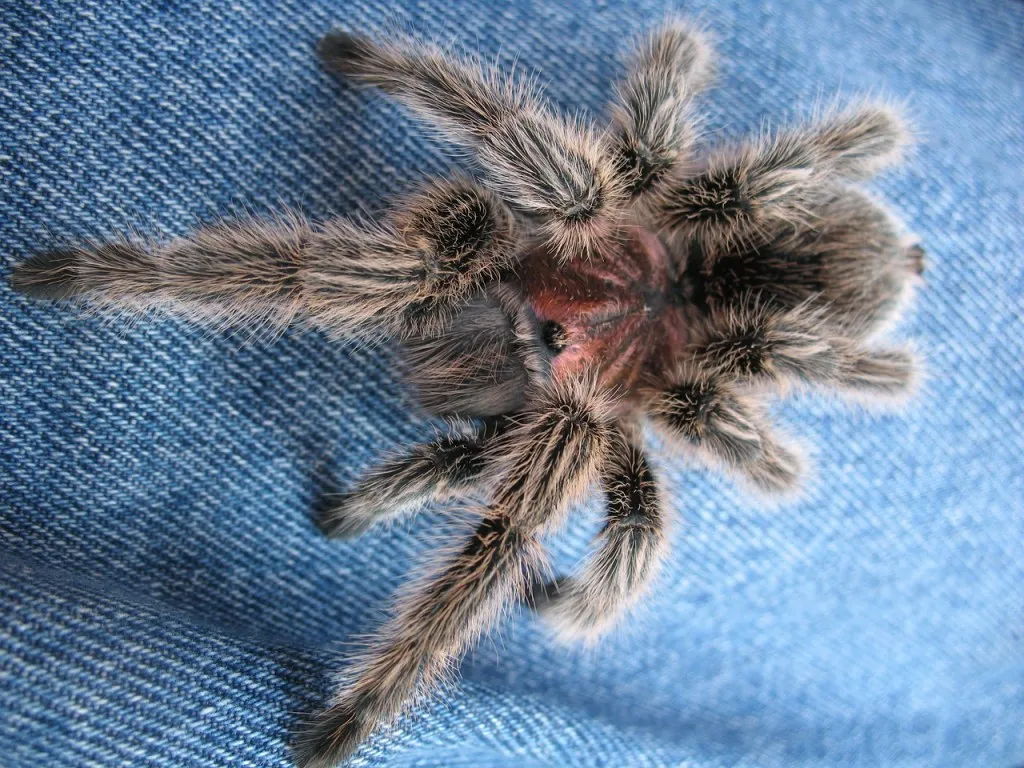
Chilean Rose Tarantulas are recognized by their distinctive appearance. They typically display a muted color palette, often with shades of brown, pink, and rose, hence the name. Their bodies are covered in fine hairs, which contribute to their soft, velvety look. As they mature, their colors can deepen, with females often displaying brighter hues than males. They are a terrestrial species, meaning they spend most of their time on the ground, and they possess powerful fangs used for capturing and consuming prey.
Distinguishing Features
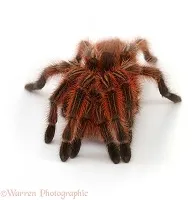
Key features include their overall size, which can reach up to 5-6 inches in leg span for females, while males are usually smaller. The color pattern, which varies from tan to rose, with some individuals displaying a more pronounced pink coloration on their carapace and legs. Their pedipalps, which are small appendages near the mouth, are used for sensory purposes and food manipulation. The presence of urticating hairs on their abdomen is another distinguishing feature, which they can flick as a defense mechanism if threatened.
Lifespan and Growth
One of the appealing aspects of Chilean Rose Tarantulas is their potential lifespan. Females can live for an impressive 15 to 20 years, while males typically have a shorter lifespan, often around 5 to 10 years. Their growth rate is gradual, increasing with each moult. The frequency of moulting depends on their age and feeding habits, with juveniles moulting more often than adults. Proper care, including adequate nutrition and habitat conditions, is crucial for maximizing their lifespan and ensuring healthy development.
Setting Up the Perfect Chilean Rose Tarantula Habitat
Creating a suitable habitat is crucial for the wellbeing of your Chilean Rose Tarantula. A well-designed enclosure provides the necessary environment for them to thrive, allowing them to exhibit their natural behaviors and stay healthy. The key elements to consider include the size of the enclosure, the type of substrate, and the regulation of temperature and humidity. A properly setup environment will minimize stress and encourage natural behaviors.
Choosing the Right Enclosure

The enclosure size depends on the tarantula’s size. A juvenile can start in a small container of around 5-10 gallons, while a fully grown adult will need at least a 10-20 gallon tank. Ensure the enclosure is escape-proof, with a secure lid. Glass or acrylic tanks are suitable choices, and it’s important to provide adequate ventilation to prevent the build-up of moisture and maintain air quality. Ensure the enclosure is in a location away from direct sunlight, which can overheat the habitat, and also away from drafts.
Substrate and Decor
The substrate should be several inches deep, allowing the tarantula to burrow if it chooses. Suitable substrate options include a mix of coconut fiber, peat moss, and a small amount of vermiculite. Avoid using sharp gravel or sand, as these can injure your tarantula. The substrate should be kept slightly moist, but not soggy. Decorate the enclosure with a hide, such as a cork bark, half log, or a plastic plant pot turned on its side. This provides the tarantula with a secure retreat and helps it feel safe. You can also add a shallow water dish, ensuring it’s not too deep to prevent drowning.
Temperature and Humidity Control
Chilean Rose Tarantulas thrive in temperatures between 21-27°C (70-80°F). You can maintain this temperature using a heat mat placed on the side of the enclosure or under the substrate, avoiding direct contact with the bottom of the tank. Monitor the temperature with a thermometer. Humidity should be maintained at around 60-70%. You can achieve this by lightly misting the enclosure with water once or twice a week, depending on the humidity levels, or by providing a water dish. Using a hygrometer to monitor the humidity levels is a good idea to ensure proper conditions.
Feeding Your Chilean Rose Tarantula

Feeding your Chilean Rose Tarantula correctly is fundamental to its health. They are opportunistic predators and require a diet consisting primarily of insects. The type and amount of food will vary depending on the tarantula’s age and size. Overfeeding can lead to obesity, while underfeeding can result in poor health. Always ensure the food is appropriate in size and has not been exposed to pesticides.
Diet and Nutrition
The primary food source for Chilean Rose Tarantulas includes insects. Good choices include crickets, mealworms, and roaches, all readily available in the UK. Ensure the insects you feed are gut-loaded with nutritious foods like vegetables and insect feed to enhance the nutritional value for your tarantula. Avoid feeding your tarantula wild-caught insects, as they may carry parasites or be contaminated with pesticides. Supplementing their diet with an occasional pinky mouse for adult tarantulas is acceptable, but this should be done sparingly.
Feeding Frequency
The feeding frequency depends on the tarantula’s age. Spiderlings should be fed every 2-3 days. Juvenile tarantulas can be fed every 3-5 days, and adults once a week or every two weeks. Monitor the tarantula’s abdomen; a well-fed tarantula will have a plump abdomen. If your tarantula refuses food, it might be preparing to moult or experiencing other stress. Always remove uneaten food within 24 hours to prevent mold and mites.
Watering and Hydration

Providing fresh water is essential for your tarantula’s hydration. Use a shallow water dish, ensuring it is accessible but not deep enough for the tarantula to drown. Fill the dish with fresh water, and change it regularly to maintain hygiene. You can also lightly mist the enclosure with water, especially during moulting, to increase humidity and provide the tarantula with an opportunity to drink. Always ensure the water is clean and free from contaminants.
Handling and Safety
While Chilean Rose Tarantulas are known for their docile nature, handling should be approached with caution and respect. It’s important to understand both the risks and benefits of handling these creatures. Proper handling techniques, combined with an understanding of their behaviour and stress signals, are crucial for ensuring both your safety and the wellbeing of your tarantula.
Safe Handling Practices
Handle your tarantula only when necessary, such as for enclosure maintenance or health checks. Approach the tarantula slowly and gently, allowing it to walk onto your hand. Avoid sudden movements, as they can startle the tarantula. Always handle the tarantula close to the ground or over a soft surface, in case it falls. Never try to force your tarantula to move or handle it if it appears stressed or agitated. Wash your hands thoroughly before and after handling.
Recognizing Stress Signs
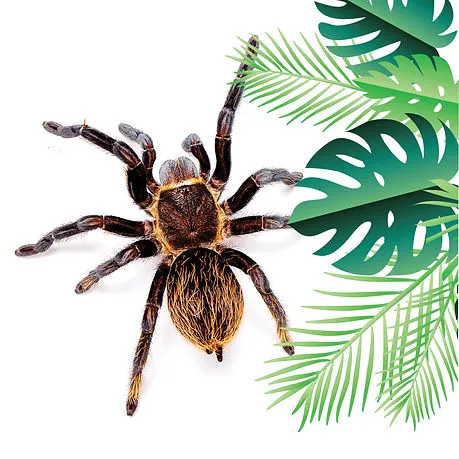
It is crucial to identify stress signs in your tarantula. Common signs include flicking urticating hairs with their legs, rearing up in a defensive posture, or running away. If your tarantula displays these behaviours, it is best to leave it alone and avoid handling. Other signs of stress include loss of appetite, lethargy, or hiding excessively. Creating a calm and stable environment is important for minimizing stress and encouraging natural behaviour.
Common Health Issues and How to Address Them
Like all pets, Chilean Rose Tarantulas can experience health problems. Regular observation and understanding of common issues will help you identify and address them promptly. Creating the correct environmental conditions, including proper humidity, temperature, and diet is a key factor in ensuring your tarantula’s wellbeing.
Moulting Process
Moulting is a natural process for tarantulas where they shed their exoskeleton to grow. During moulting, the tarantula becomes vulnerable. The process usually involves the tarantula lying on its back and wriggling out of its old skin. Provide high humidity during moulting, and do not disturb the tarantula. After moulting, the tarantula will have a soft new exoskeleton. Wait a few days before feeding it to allow the exoskeleton to harden. Do not attempt to assist the tarantula during the moulting process, as it can be very harmful.
Identifying and Treating Common Diseases

Common health issues include fungal infections, mites, and injuries. If you notice any signs of a problem, such as loss of appetite, lethargy, or unusual behavior, consult a veterinarian experienced with exotic pets. Preventative measures include maintaining clean and appropriate enclosure conditions, providing a balanced diet, and quarantining new tarantulas before introducing them to your collection. Regularly inspect the enclosure for pests and ensure proper hygiene.
Breeding Chilean Rose Tarantulas
Breeding Chilean Rose Tarantulas can be a rewarding experience, but it also requires advanced knowledge and specific conditions. Before attempting to breed, be sure to have the necessary experience and understanding of tarantula biology and behavior. Successful breeding depends on creating the correct environment, understanding the mating process, and providing proper care for the eggs and spiderlings. Breeding tarantulas is not for the faint-hearted, as the female may eat the male if not handled correctly.
Sexing Your Tarantula
Before breeding, you need to determine the sex of your tarantula. The most reliable way to do this is by examining the shed exoskeleton after a moult. The presence of spermathecae (sperm storage organs) on the female’s abdomen is the key indicator. Males have a smaller abdomen and may have a more pronounced hook on their front legs (pedipalps) used to deposit sperm. Ventral sexing can be done by examining the underside of the tarantula using a bright light, though this method is less reliable.
Mating and Egg Sacs
Mating involves introducing a mature male to the female’s enclosure. Observe the pair carefully to prevent the female from attacking the male. If the mating is successful, the female will produce an egg sac. Remove the male after mating to prevent him from being eaten. Provide the female with optimal conditions, including appropriate temperature and humidity, to ensure healthy egg development. The female will care for the egg sac, and the spiderlings will hatch within a few weeks to months. Providing the spiderlings with appropriate food will also be a key aspect to their survival.
Legal Considerations for Keeping Tarantulas in the UK
Before acquiring a Chilean Rose Tarantula, it’s essential to understand the legal aspects of keeping tarantulas in the UK. While these spiders are generally legal to own, there are some restrictions and guidelines to follow to ensure both your compliance and the safety of the animal. Staying informed about the relevant regulations will ensure responsible pet ownership.
Relevant UK Laws and Regulations
In the UK, tarantulas are not covered by specific legislation, but they are subject to the Animal Welfare Act 2006. This act places a duty of care on owners to ensure their pets’ welfare, including providing a suitable environment, a suitable diet, the ability to express normal behaviour, and protection from pain, suffering, injury, and disease. Local councils may have specific regulations, so check with your local authority. Ensure that your enclosure provides a secure and appropriate environment.
Responsible Ownership Guidelines
As a responsible owner, you should always prioritize the tarantula’s wellbeing. Provide a suitable environment, including proper temperature, humidity, and substrate. Provide appropriate food, and ensure fresh water is always available. Regularly monitor the tarantula for signs of stress or illness, and be prepared to consult a veterinarian experienced with exotic pets if needed. Ensure secure containment to prevent escape, and be knowledgeable about the risks of handling. Remember to wash your hands thoroughly after handling the tarantula or its enclosure. Always be informed and prepared to provide the best possible care for your pet.