Chilean Rose Tarantula Facts
The Chilean Rose Hair Tarantula (Grammostola rosea), is a popular choice for beginner tarantula keepers. These captivating arachnids are known for their docile temperament, relatively low maintenance requirements, and stunning appearance. This article will delve into 7 fascinating facts about these amazing creatures, providing a comprehensive overview of their characteristics, care, and behavior. From their unique appearance to their feeding habits and molting process, you’ll discover everything you need to know about the Chilean Rose Tarantula.
Appearance and Characteristics
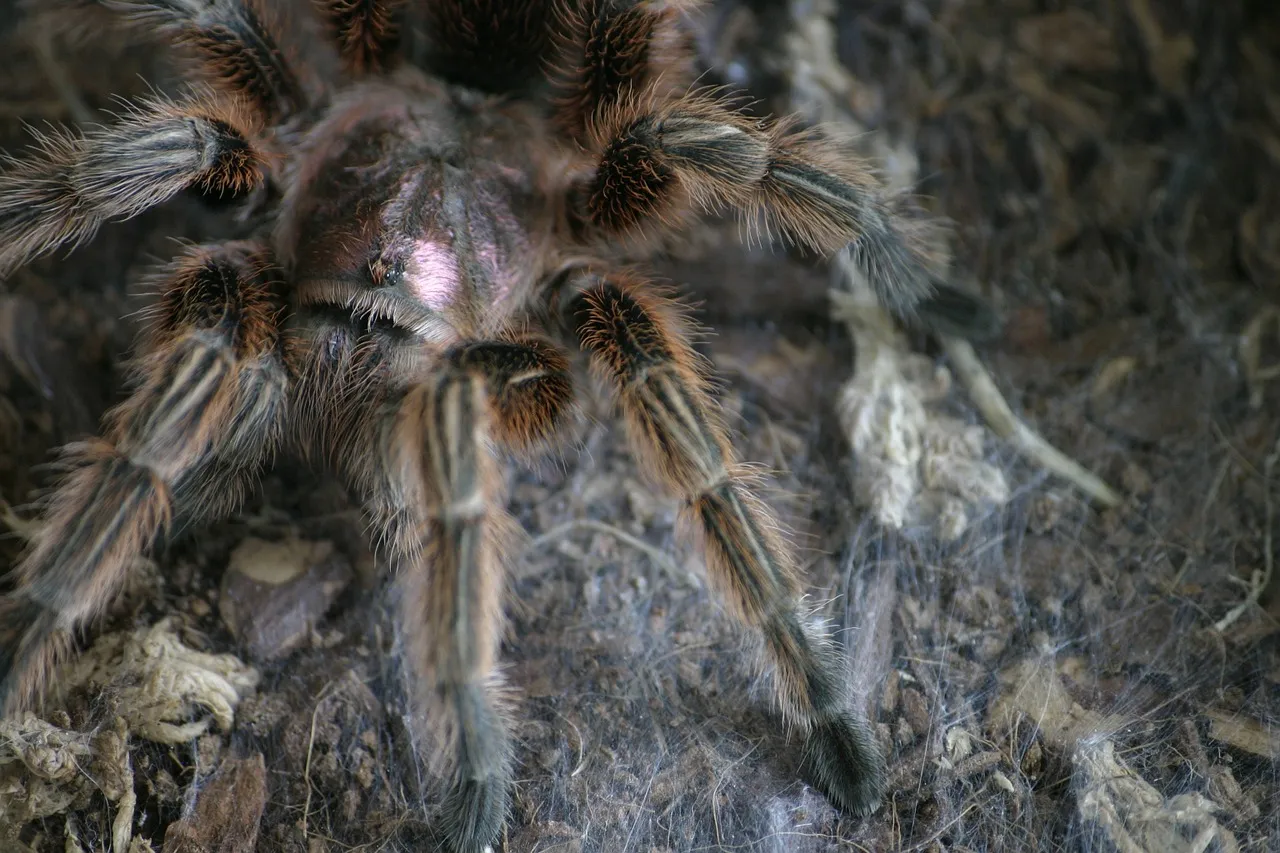
The Chilean Rose Tarantula gets its name from the subtle rose-colored hairs that adorn its carapace and legs. These hairs give them a distinctive appearance, which can vary in shade from a light pink to a darker, more reddish hue. Their bodies are typically a dark brown or black color, providing a beautiful contrast to the rose-colored hairs. They also have a robust build, typical of terrestrial tarantulas, with thick legs and a large abdomen. These tarantulas are also known for their relatively long lifespan, making them a long-term companion for any pet enthusiast.
Size and Lifespan

Chilean Rose Tarantulas are medium-sized tarantulas, with females typically reaching a leg span of up to 5–6 inches. Males are often smaller. Females are also known for their longevity, capable of living for 10 to 20 years or even longer in captivity with proper care. Males, unfortunately, have a shorter lifespan, usually living for 5 to 10 years. Their growth rate is slow compared to other tarantula species, so owners can expect to enjoy their pet for many years. The combination of a reasonable size and a long lifespan makes them an attractive pet option.
Habitat and Natural Environment
In their natural habitat, Chilean Rose Tarantulas are found in the arid and semi-arid regions of Chile, Bolivia, and Argentina. They are terrestrial creatures, meaning they live on the ground, where they burrow and create underground retreats. Their natural environment consists of dry grasslands and scrublands, where they seek shelter under rocks, logs, and in burrows. When keeping a Chilean Rose Tarantula as a pet, it is essential to replicate their natural environment as closely as possible, including a substrate that allows them to burrow and a secure, temperature-controlled enclosure. This helps ensure they remain healthy and content.
Temperament and Behavior
One of the most appealing aspects of the Chilean Rose Tarantula is its generally docile temperament. They are known for being relatively calm and are less likely to bite compared to other tarantula species. While not prone to aggression, they can become defensive if they feel threatened, kicking hairs off their abdomen as a defense mechanism. These hairs can cause irritation to the skin and eyes. When handled, they move slowly and deliberately, making them easier to manage. Overall, their calm nature makes them a great choice for beginners.
Feeding and Diet

What do Chilean Rose Tarantulas Eat?
Chilean Rose Tarantulas are primarily insectivores, which means their diet consists mainly of insects. In the wild, they feed on various insects, including crickets, grasshoppers, and beetles. In captivity, they can be fed a variety of live insects, with crickets being a staple food. Other suitable options include mealworms, superworms, and cockroaches. It’s important to feed your tarantula insects that are appropriately sized, usually no larger than the tarantula’s body. Feeding live prey provides the tarantula with a natural hunting experience and stimulates its natural behaviors.
Feeding Frequency
The feeding frequency for a Chilean Rose Tarantula depends on its age and size. Spiderlings and young tarantulas require more frequent feeding, usually once or twice a week. As the tarantula grows, the feeding frequency can be reduced to once every one or two weeks. It’s crucial to monitor your tarantula’s abdomen to gauge its feeding needs. A well-fed tarantula will have a round abdomen. If the abdomen appears shrunken, the tarantula may require more food. Providing fresh, clean water in a shallow dish is also essential for their health.
Molting Process

Signs of Molting
Molting is a natural process where a tarantula sheds its exoskeleton to grow. Before molting, a Chilean Rose Tarantula may exhibit several signs. These include a loss of appetite, inactivity, and a change in color. The tarantula’s abdomen may appear darker and swollen, and it might spend more time in its burrow or hiding place. Additionally, the tarantula may create a silk mat in its enclosure in preparation for molting. Recognizing these signs is critical to ensure the tarantula is not disturbed during this vulnerable time.
What to Do During Molting
During the molting process, it’s essential to avoid disturbing your tarantula. Do not feed the tarantula until it has completed the molt and its new exoskeleton has hardened. Maintain the appropriate humidity and temperature levels in the enclosure. Provide a shallow water dish. Avoid handling the tarantula during this time, as it will be very vulnerable. Once the molting process is complete, and the tarantula’s fangs have hardened, it may be tempted to eat its old exoskeleton, which can provide some nutrients. After a successful molt, the tarantula will appear brighter and larger, marking a new phase of growth.
Common Health Issues

Parasites and Mites
Chilean Rose Tarantulas, like all tarantulas, are susceptible to certain health issues, the most common being parasites and mites. Mites are tiny external parasites that can infest the tarantula’s body and cause irritation and health problems. If you notice small, moving specks on your tarantula or in its enclosure, it could be an indication of mites. Another common issue is parasites, often found in the digestive system. Good hygiene practices, such as maintaining a clean enclosure and quarantining new specimens, can help prevent parasite and mite infestations. If you suspect your tarantula has a health issue, consult a veterinarian specializing in exotic animals.
Preventative Measures
Several preventative measures can be taken to ensure your Chilean Rose Tarantula remains healthy. Regular cleaning of the enclosure is paramount, with substrate changes performed as needed. Ensure the enclosure has proper ventilation to prevent the buildup of harmful bacteria and fungi. Feed your tarantula a balanced diet of appropriately sized live insects. Quarantine new tarantulas to prevent the introduction of parasites or diseases. Keep the enclosure’s humidity and temperature at the correct levels. By following these preventative measures, you can significantly reduce the risk of health issues, allowing your tarantula to live a long and healthy life.
Handling and Safety

Safe Handling Practices
While Chilean Rose Tarantulas are generally docile, it’s essential to handle them with care and caution. Always handle your tarantula over a soft surface, such as a bed or a couch, in case it falls. Avoid sudden movements and speak calmly to the tarantula to reduce its stress levels. Use a soft brush to gently encourage the tarantula onto your hand, if necessary, never grab or squeeze the tarantula. Always wash your hands thoroughly before and after handling your tarantula to avoid any potential transfer of germs and contaminants. Ensure you are confident and comfortable when handling your tarantula to prevent accidental injuries to either of you.
Recognizing Defensive Behavior
Understanding a Chilean Rose Tarantula’s defensive behavior is crucial for safe handling. The tarantula may exhibit certain warning signs, such as raising its front legs, showing its fangs, and/or flicking hairs off its abdomen. If the tarantula displays any of these behaviors, it’s best to leave it alone and avoid handling it. Over time, you’ll become more familiar with your tarantula’s individual personality and its responses. Respecting its boundaries and understanding its defensive signals is the key to a safe and enjoyable experience for both you and your pet.
In conclusion, the Chilean Rose Tarantula is a fantastic choice for beginner tarantula enthusiasts, offering a captivating blend of beauty and relatively low maintenance requirements. By understanding the 7 key facts discussed in this article, you can be well-equipped to provide a healthy and stimulating environment for your pet. Enjoying their gentle nature, their unique appearance, and the fascinating molting process, is a rewarding experience that enhances your understanding of these extraordinary creatures. Responsible care, combined with a genuine appreciation for their unique characteristics, will ensure your Chilean Rose Tarantula thrives and brings you years of enjoyment.