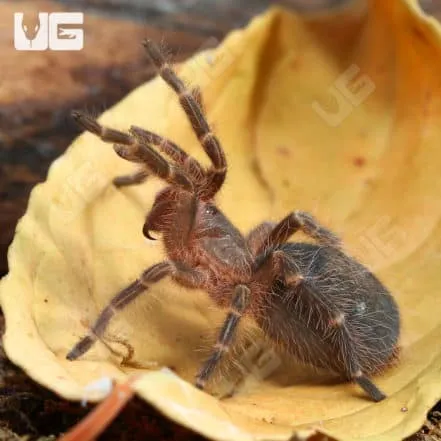
Understanding the Chaco Golden Knee Tarantula (Grammostola pulchripes)
The Chaco Golden Knee Tarantula, scientifically known as Grammostola pulchripes, is a popular and captivating pet tarantula, highly sought after for its docile temperament, striking appearance, and relatively straightforward care requirements. Native to the grasslands of Argentina and Paraguay, this terrestrial tarantula is known for its beautiful coloration, featuring a dark body contrasted by vibrant golden-orange bands on its legs. As you embark on the journey of owning a Chaco Golden Knee, understanding its needs is essential for ensuring its health, happiness, and longevity. This comprehensive care guide will provide you with all the necessary information to become a successful Chaco Golden Knee owner.
Origin and Natural Habitat
In their native habitat, Chaco Golden Knee tarantulas inhabit the grasslands and scrublands of Argentina and Paraguay. These areas typically experience a subtropical climate with distinct wet and dry seasons. The tarantulas are burrowers, constructing deep burrows within the earth to regulate their body temperature and humidity levels. They are well-adapted to the moderate temperatures and drier conditions of their environment. Understanding their natural habitat helps in replicating the suitable conditions in captivity.
Appearance and Characteristics

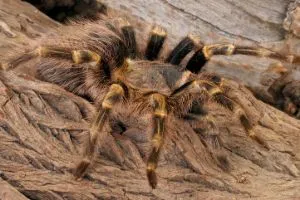
The Chaco Golden Knee tarantula is one of the larger species of tarantula, with females reaching a leg span of up to 8 inches. They are known for their striking appearance, highlighted by a dark brown or black body and vibrant golden-orange bands on their legs. These bands become more prominent with each molt, making them a truly beautiful specimen. Their temperament is generally docile, making them a popular choice for tarantula enthusiasts of all levels. They are also relatively slow-growing compared to some other species, adding to their appeal as pets.
Setting Up the Perfect Chaco Golden Knee Enclosure
Creating a suitable enclosure is crucial for the health and well-being of your Chaco Golden Knee tarantula. The enclosure should provide a comfortable, secure, and enriching environment that replicates their natural habitat. The right setup will allow your tarantula to thrive, displaying its natural behaviors and promoting its overall health. The size, substrate, and environmental controls are all critical elements in establishing the perfect home for your pet.
Enclosure Size and Type
A good rule of thumb is to provide an enclosure that is at least three times the tarantula’s leg span in width. For an adult Chaco Golden Knee, a 10-gallon tank or a similar-sized enclosure is typically sufficient. The enclosure should be well-ventilated, with a secure lid to prevent escapes. Glass or acrylic terrariums are ideal choices, offering good visibility and ease of cleaning. Avoid enclosures with overly large ventilation holes, which could potentially allow the tarantula to escape.
Substrate and Furnishings

The substrate should be deep enough for the tarantula to burrow. A mixture of coco fiber, peat moss, and a small amount of vermiculite is an excellent choice, providing good moisture retention and allowing the tarantula to create a burrow. Aim for a substrate depth of at least 4-6 inches. Furnishings should include a hide, such as a cork bark, half log, or a commercially available tarantula hide. Provide a shallow water dish for drinking, and ensure the enclosure is free of any potential hazards. The substrate should be kept slightly moist, but not waterlogged, to maintain proper humidity levels.
Temperature and Humidity Requirements
Chaco Golden Knee tarantulas thrive in temperatures between 75-85°F (24-29°C). A heat mat placed on the side of the enclosure can help maintain the appropriate temperature, especially in cooler environments. Humidity levels should be kept between 60-70%. This can be achieved by slightly misting the enclosure once or twice a week, or by ensuring the substrate is slightly moist. Regular monitoring with a hygrometer and thermometer is important to ensure the optimal environment for your tarantula’s health.
Feeding Your Chaco Golden Knee Tarantula
Providing a proper diet is crucial for the growth and health of your Chaco Golden Knee tarantula. They are opportunistic predators and will readily accept a variety of insect prey. Offering the right food items, at the appropriate frequency, ensures that your tarantula receives the necessary nutrients to thrive. Careful attention to their feeding habits and water intake will contribute significantly to their overall well-being.
Appropriate Food Items
The primary food source for Chaco Golden Knee tarantulas should consist of insects. Crickets, dubia roaches, mealworms, and superworms are all suitable choices. Variety in the diet is beneficial, so consider offering different types of insects. Always ensure that the insects are gut-loaded before feeding them to your tarantula. Gut-loading involves feeding the insects a nutritious diet, which will, in turn, provide your tarantula with essential vitamins and minerals. Avoid feeding wild-caught insects, as they may carry parasites or pesticides.
Feeding Frequency and Amounts
Juvenile tarantulas should be fed more frequently than adults. Spiderlings can be fed every other day, while sub-adults can be fed twice a week. Adult Chaco Golden Knees typically only need to be fed once or twice a week. Adjust the feeding frequency based on the tarantula’s appetite and body condition. Remove any uneaten prey within 24 hours to prevent stress and the potential for harm to your tarantula. A healthy tarantula should have a plump abdomen, indicating that it is well-fed.
Watering and Hydration
Providing a constant source of fresh water is crucial for the health of your Chaco Golden Knee. Use a shallow water dish, making sure it’s not too deep, to prevent the tarantula from drowning. Refill the water dish regularly with clean, dechlorinated water. In addition to the water dish, misting the enclosure lightly once or twice a week can help maintain humidity levels and provide an additional source of hydration. Always monitor the enclosure for appropriate humidity, as too much or too little can be detrimental to the tarantula’s health.
Molting and Growth
Molting is a natural and necessary process for tarantulas to grow and shed their exoskeleton. Understanding the molting process, and how to care for your tarantula during this time, is essential for ensuring its health and survival. Knowing the signs and appropriate care will help you navigate this period with confidence.
Recognizing a Molting Tarantula
Before molting, your Chaco Golden Knee may exhibit several behaviors that indicate it is preparing to shed its exoskeleton. It may become less active, refusing food and spending more time in its hide. The tarantula’s abdomen may appear darker and plumper than usual. You may also notice a change in the appearance of the carapace. It is important not to disturb the tarantula during this vulnerable time. Provide a calm and stable environment, and do not attempt to feed it.
Post-Molting Care
After molting, the tarantula’s exoskeleton will be soft, and it will be particularly vulnerable. Avoid handling the tarantula for at least a week after molting, allowing its new exoskeleton to harden completely. Provide the tarantula with plenty of water. You can start feeding it small prey items about a week after the molt. It is common for tarantulas to refuse food for a few days after molting, so don’t be alarmed if this happens.
Handling and Safety Precautions

Chaco Golden Knee tarantulas are generally docile, but handling them should be approached with caution. Understanding the potential risks and taking the necessary precautions can help ensure a safe and enjoyable experience for both you and your tarantula. Careful handling and responsible practices will minimize any potential harm.
When to Handle and When to Avoid
While Chaco Golden Knees are known for their calm temperament, handling them should be kept to a minimum. Avoid handling them unnecessarily, as it can cause stress. Only handle them when absolutely necessary, such as for enclosure maintenance or health checks. Never handle a tarantula after it has molted, or when it shows signs of stress, such as a defensive posture. Always ensure the tarantula is calm before attempting to handle it.
Safety Measures
If you choose to handle your Chaco Golden Knee, it is important to take several safety precautions. Handle the tarantula over a soft surface, such as a bed or a carpeted area, in case it falls. Always wash your hands thoroughly before and after handling. Avoid making sudden movements, as they can startle the tarantula. Do not allow children or other inexperienced individuals to handle the tarantula without proper supervision. Be aware that, while rare, tarantula bites can be painful and cause local reactions.
Common Health Issues and Prevention

Like all pets, Chaco Golden Knee tarantulas can be susceptible to certain health issues. Recognizing the common health problems and implementing preventative measures is essential to maintaining your tarantula’s health and well-being. Early detection and prompt action can significantly improve the chances of a full recovery.
Parasites and Diseases
Chaco Golden Knees are generally hardy, but they can be susceptible to certain parasites and diseases. Mites, which are tiny parasites, can infest tarantulas, causing irritation and potential health problems. Bacterial infections can occur if the enclosure is not kept clean. Fungal infections can also develop in enclosures with high humidity. If you notice any unusual symptoms, such as lethargy, loss of appetite, or visible parasites, consult with a veterinarian experienced in exotic animals immediately.
Preventative Measures
Several preventative measures can help keep your Chaco Golden Knee healthy. Maintain a clean enclosure by removing uneaten food and waste regularly. Provide fresh water at all times. Ensure the enclosure has adequate ventilation to prevent the buildup of harmful bacteria or fungi. Quarantine any new tarantulas before introducing them to your existing collection. Always wash your hands before and after handling your tarantula or its enclosure. Regularly inspect your tarantula for any signs of illness or parasites. Providing a healthy environment and proper care will help your tarantula thrive.
Breeding and Reproduction
Breeding Chaco Golden Knee tarantulas is a fascinating aspect of tarantula keeping, allowing enthusiasts to witness the complete life cycle of these amazing creatures. While breeding can be rewarding, it is important to have a good understanding of the process. The ability to differentiate between the sexes, proper mating conditions, and care for egg sacs are all crucial aspects of successful breeding.
Identifying Sex
The most reliable method for determining the sex of a Chaco Golden Knee tarantula is by examining its molt. After a molt, the exuvia can be inspected. Males have a small bump called a spermatheca located between the book lungs. Females will have a spermatheca on the top of the abdomen. This is the easiest and most reliable method, but it can only be done after the tarantula has molted. Another method, albeit less reliable, is to observe the tarantula’s behavior.
Mating and Egg Sacs
Breeding Chaco Golden Knees requires careful planning and observation. Introduce a mature female tarantula to the male’s enclosure. The male will then attempt to mate with the female. If successful, the female will eventually create an egg sac containing several hundred eggs. It is important to provide a suitable environment and ample food for the female during this period. After the eggs hatch, the spiderlings can be raised in a separate enclosure. Success in breeding requires experience, patience, and dedication.
Conclusion
Caring for a Chaco Golden Knee tarantula can be a rewarding experience. By providing the correct enclosure, diet, and environmental conditions, you can ensure that your tarantula thrives and lives a long, healthy life. Remember to observe your tarantula regularly, paying attention to its behavior and any changes in its appearance. With the right care and attention, your Chaco Golden Knee tarantula can be a fascinating and captivating pet for many years to come. Enjoy the unique experience of tarantula ownership and continue learning about these amazing creatures!