Understanding Chaco Golden Knee Tarantulas
The Chaco Golden Knee tarantula, scientifically known as Grammostola pulchripes, is a beloved species in the pet tarantula community. Known for its striking appearance and relatively docile temperament, this tarantula has captured the hearts of both novice and experienced keepers. This article will dive deep into the fascinating world of the Chaco Golden Knee, exploring its characteristics, care requirements, and, most importantly, its maximum size. Understanding the size of your tarantula is crucial for providing proper housing, nutrition, and overall care. Knowing the potential size helps you anticipate its needs throughout its lifespan, ensuring a healthy and thriving pet. By exploring the factors that influence size, you can gain a comprehensive understanding of these beautiful arachnids.
What is the Chaco Golden Knee Tarantula?
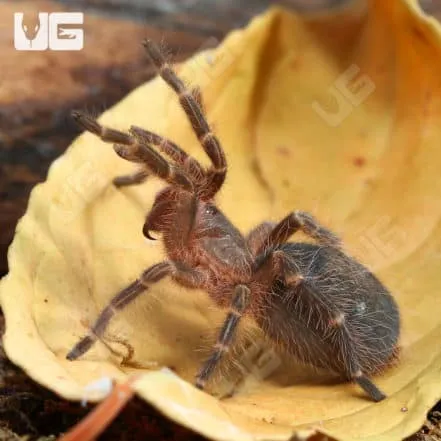
The Chaco Golden Knee tarantula is a terrestrial species native to the grasslands of Argentina, Paraguay, and Uruguay. Its name comes from the golden-yellow bands on its knees and leg joints, contrasting beautifully with its dark brown or black body. These tarantulas are known for their relatively calm disposition, making them a popular choice for beginner tarantula keepers. They are not known to be particularly aggressive, but like any tarantula, they can bite if provoked. They are also equipped with urticating hairs on their abdomen, which they can flick at perceived threats. Their overall gentle nature and stunning appearance contribute to their popularity as pets. They are relatively hardy and adaptable, making them easier to care for than some other tarantula species.
Origin and Habitat of the Chaco Golden Knee

In their natural habitat, Chaco Golden Knees are found in the grasslands and open woodlands of South America. They create burrows in the ground, often under rocks or logs, where they spend most of their time. The climate in their native region is typically warm and humid, which influences their care requirements in captivity. Mimicking their natural environment is essential for their well-being. This includes providing a substrate that allows them to burrow, maintaining the appropriate temperature and humidity levels, and offering a varied diet that mimics their natural food sources. Understanding their origin helps in creating an ideal environment for them to thrive.
Factors Influencing Chaco Golden Knee Size
Several factors play a role in determining the maximum size a Chaco Golden Knee tarantula will reach. These include genetics, diet, environmental conditions, and overall care. Each factor can significantly impact their growth rate and ultimate size. Providing the right conditions can help your tarantula reach its full potential. Understanding these factors is crucial for ensuring your pet’s optimal health and longevity. By carefully managing these elements, you can contribute to a thriving and healthy Chaco Golden Knee. The interplay of these factors makes each tarantula’s growth journey unique.
Genetics and Breeding
Genetics is a primary determinant of a tarantula’s potential size. Some individuals will naturally grow larger than others, even with identical care. Breeding practices can also influence size. Tarantulas from certain bloodlines may have a predisposition to grow larger. When selecting a Chaco Golden Knee, it is difficult to know the exact genetic makeup, but purchasing from reputable breeders can increase the likelihood of obtaining a healthy specimen. Responsible breeders often select for size and other desirable traits, leading to healthier and potentially larger tarantulas. The genetic makeup is a foundation for the size potential.
Diet and Nutrition

A balanced and nutritious diet is critical for growth. Chaco Golden Knees are opportunistic feeders, primarily eating insects. A diet rich in essential nutrients promotes healthy growth and development. Offering a variety of insects, such as crickets, roaches, and mealworms, helps to provide a balanced diet. Overfeeding can sometimes lead to faster growth, but it is crucial to avoid obesity. The frequency of feeding also plays a role; younger tarantulas typically require more frequent meals than adults. Supplementing the diet with calcium and vitamins can further support their health. Proper nutrition is fundamental to achieving their maximum size potential.
Environmental Conditions
Environmental factors, such as temperature and humidity, also affect growth. Maintaining the proper temperature range (around 75-85°F or 24-29°C) and humidity levels (60-70%) is crucial for molting and overall well-being. A comfortable environment encourages the tarantula to eat and grow. Inadequate conditions can stunt growth or lead to health problems. Providing a suitable substrate that retains moisture is also essential. A well-maintained enclosure simulates the natural environment and supports healthy growth. Environmental control is a critical aspect of tarantula care that directly influences size and health.
The Average Size of a Chaco Golden Knee Tarantula
Chaco Golden Knee tarantulas typically reach a leg span of 6 to 8 inches (15 to 20 cm) when fully grown. However, some individuals may grow slightly larger or smaller depending on the factors mentioned above. This size is considered relatively large for a tarantula, contributing to their impressive presence in captivity. It is important to note that the leg span is the primary measurement used when discussing tarantula size. The body length is also relevant but not as widely used. The overall size makes them a visually stunning addition to any collection.
Male vs. Female Size Differences

Generally, female Chaco Golden Knees tend to be larger than males. Females often have a more robust build and can live longer, allowing them to grow larger over time. Males, on the other hand, typically mature faster and have a shorter lifespan. They also have a less bulky appearance. These size differences are often noticeable as the tarantulas mature. When purchasing a Chaco Golden Knee, the potential size difference between males and females is important to consider, particularly if you have specific size expectations. Knowing the sex of your tarantula provides additional insight into its size potential and care requirements.
Measuring Your Chaco Golden Knee
Measuring a tarantula can be a tricky but rewarding task. The most common method is to measure the leg span from the tip of one front leg to the tip of the opposite leg on the other side. A soft ruler or flexible measuring tape is often used for this. It is important to do this gently, without stressing the tarantula. Some keepers prefer to measure the body length, although the leg span is a more common measurement. Keep records of your tarantula’s measurements over time to track its growth. This will provide insight into its development and health. Careful and consistent measurement is key.
Factors Affecting Max Size
As previously discussed, various factors influence the maximum size of a Chaco Golden Knee. However, there are key elements that are most impactful. Genetics dictates a tarantula’s potential, while diet and nutrition fuel its growth. Environmental conditions provide the optimal setting for development. Additionally, the overall health of the tarantula and whether it has suffered any injuries will influence the final size. These factors interact and affect each other, emphasizing the importance of holistic care. Understanding and managing these factors maximizes the chance of achieving the full size potential.
Lifespan and Growth Rate

The lifespan of a Chaco Golden Knee tarantula is another factor related to size. Females can live for 15-20 years or even longer, while males typically live for 3-5 years. The longer lifespan of females allows them more time to grow, often resulting in a larger size. Growth rate also varies. Tarantulas grow in spurts, molting periodically to shed their exoskeletons. The frequency of molting decreases as they mature. The rate of growth is generally fastest during the juvenile stages and slows down as they reach adulthood. The lifespan and growth rate combined significantly affect how large a tarantula gets.
Impact of Molting on Size
Molting is a crucial process for tarantula growth. During molting, the tarantula sheds its exoskeleton and reveals a new, larger one. Each molt represents a period of significant growth. The frequency of molting decreases as the tarantula ages. During the molting process, it is crucial to maintain the correct environmental conditions. The new exoskeleton expands as the tarantula emerges, resulting in a larger size. Providing proper humidity and avoiding disturbances during molting is critical for a successful molt and healthy growth. Molting cycles contribute to the overall increase in size.
Common Misconceptions About Size
There are several common misconceptions about the size of Chaco Golden Knees. One misconception is that feeding them excessive amounts of food will cause them to grow larger. While proper nutrition is essential, overfeeding can lead to health problems. Another misconception is that the size of the enclosure directly impacts the size of the tarantula. Although a suitable enclosure is vital for their well-being, the enclosure size does not significantly influence their maximum size. Genetics and care are the most significant factors. It is important to separate facts from fiction for proper care.
Why Size Matters in Tarantula Care

Understanding the potential size of your Chaco Golden Knee is essential for providing the appropriate care. A larger tarantula requires a larger enclosure, which allows them adequate space to move and thrive. The size also impacts the amount of food required and the overall environmental needs. A well-planned enclosure that considers the expected adult size can help prevent the need for frequent housing changes. Providing the right enclosure and care based on the expected size ensures a healthier and happier tarantula. This includes choosing a proper enclosure, substrate, and maintaining appropriate humidity levels and temperature.
In conclusion, the maximum size of a Chaco Golden Knee tarantula is influenced by a combination of factors, including genetics, diet, and environment. These tarantulas typically reach a leg span of 6 to 8 inches, with females generally growing larger than males. By understanding these factors and providing proper care, you can ensure your Chaco Golden Knee thrives and reaches its full potential. Knowing about the size and its requirements contributes to the responsible and successful keeping of these fascinating creatures. Proper research and understanding make for a rewarding experience for both the keeper and the tarantula.