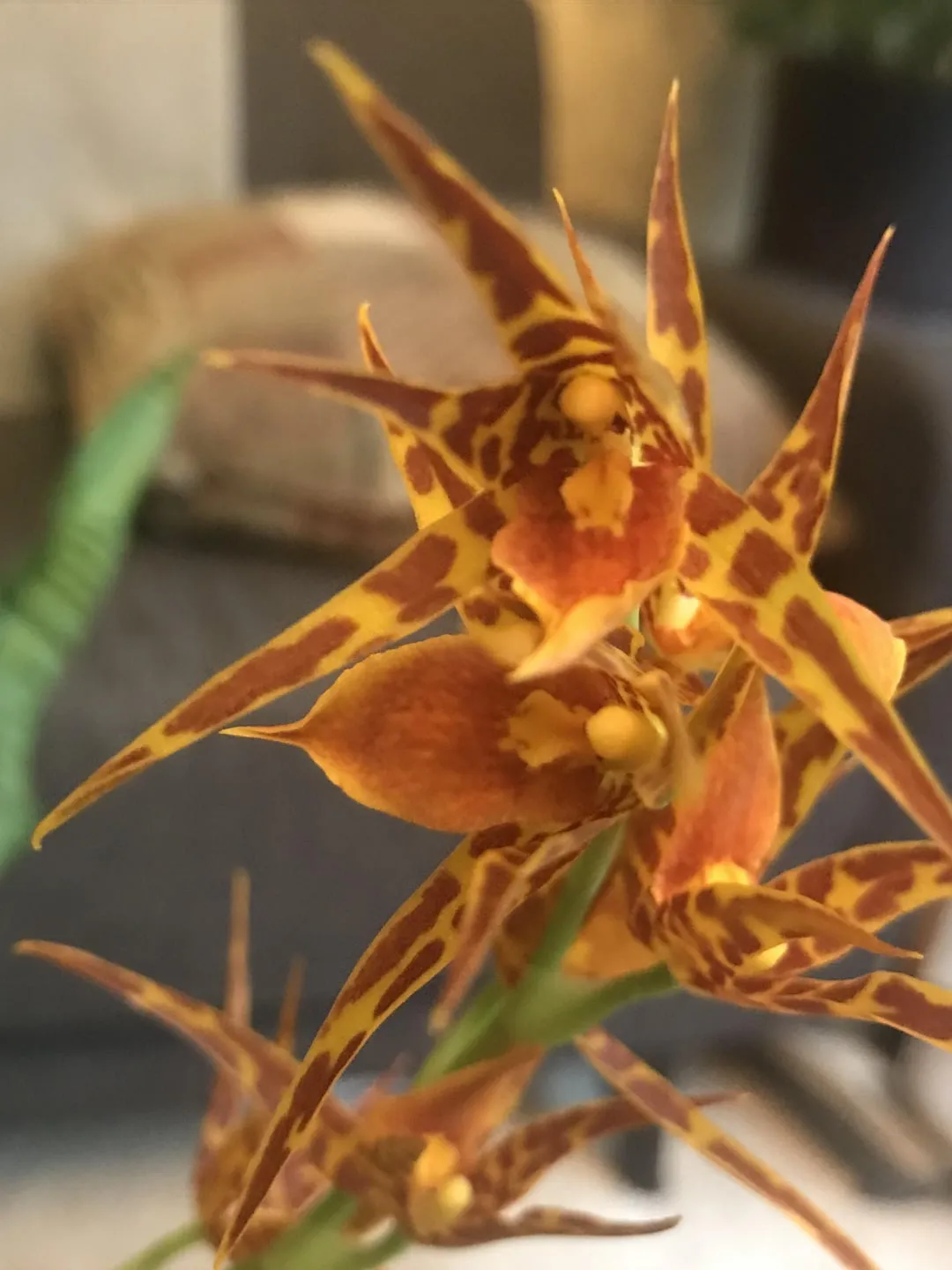
Watering Your Sweet Orange Orchids
Caring for Tarantula Sweet Orange Orchids, like any orchid, involves understanding their specific needs, and proper watering is at the top of the list. These orchids, known for their vibrant orange blooms and unique appearance, thrive when their watering needs are met correctly. Overwatering, or underwatering, can quickly lead to problems. This guide offers crucial insights to help you maintain a healthy and thriving Sweet Orange Orchid. Following the right watering practices will help you enjoy the beauty of your orchid for years to come. This ensures that they receive the moisture they need without falling prey to root rot or other water-related issues, keeping your plants healthy and beautiful.
Watering Frequency
The frequency of watering your Sweet Orange Orchid largely depends on environmental factors such as humidity, temperature, and the potting mix used. As a general guideline, water your orchid when the top inch or two of the potting mix feels dry to the touch. This usually translates to once a week or every ten days, but always check the soil. During warmer months, you may need to water more frequently. The goal is to keep the roots adequately moist, not soggy. Adjust your watering schedule based on the specific conditions in your home or garden and your plant’s unique needs. Remember to allow excess water to drain away to prevent root rot and fungal issues. Observe your plant closely, and it will provide subtle cues about its watering needs, making it easier to develop a successful watering routine.
Signs of Overwatering

Overwatering is a common pitfall in orchid care. Recognizing the signs can save your Sweet Orange Orchid. The most obvious sign is yellowing leaves, particularly the lower ones. This is often accompanied by a soft, mushy stem and leaves, as opposed to firm, healthy ones. You may also notice a foul odor emanating from the potting mix, indicating root rot. In severe cases, the roots will appear brown and slimy rather than firm and white. Overwatering can also cause the plant to drop its flowers prematurely. If you notice any of these signs, reduce watering immediately and ensure the plant has good air circulation to dry out the excess moisture. Repotting in fresh, well-draining mix may be necessary to save the orchid.
Signs of Underwatering
Underwatering can be equally detrimental to your Sweet Orange Orchid. The most immediate sign of underwatering is wilting leaves. They will appear droopy and may also develop brown tips or edges. The pseudobulbs, which store water, will shrink and become wrinkled. The plant’s growth will also slow down, and the flowers may not develop fully or drop prematurely. If you suspect underwatering, increase your watering frequency and make sure the potting mix is thoroughly moistened. Check the potting mix regularly to ensure it doesn’t dry out completely. Adjust your watering schedule based on environmental conditions to ensure your orchid gets the necessary moisture to thrive and produce those vibrant blooms.
Light Requirements for Sweet Orange Orchids
Sweet Orange Orchids need the right amount of light to thrive. Proper lighting is crucial for photosynthesis, the process by which plants convert light into energy. Insufficient light can lead to poor flowering and weak growth, while too much light can scorch the leaves. Finding the right balance is key. Understanding the specific light requirements of your Sweet Orange Orchid will help you place it in the perfect spot. This will ensure the plant’s health and its ability to produce the beautiful blooms. Careful management of light exposure directly influences the well-being of the orchid.
Optimal Light Levels

Sweet Orange Orchids prefer bright, indirect light. They thrive in areas that receive sunlight filtered through a sheer curtain or that get morning sun. East-facing windows are ideal because they provide gentle morning sunlight. Avoid placing your orchid in direct, intense sunlight, especially during the hottest parts of the day, as this can cause leaf burn. If you notice the leaves turning yellowish-green, it could indicate too much light. If the leaves are dark green, your orchid may not be getting enough light. Observe your orchid’s response to the light conditions in its location, and adjust accordingly to achieve the perfect balance.
Effects of Insufficient Light
Insufficient light can have a significant negative impact on your Sweet Orange Orchid. The most common signs are a lack of flowering, stunted growth, and the development of dark green leaves. The plant may also become leggy, with long, thin stems as it stretches towards any available light source. In severe cases, the orchid may fail to produce flowers at all. To address insufficient light, move your orchid to a brighter location, or consider using grow lights to supplement the natural light. The goal is to provide the plant with the energy it needs to thrive and produce its signature vibrant blooms. Adequate light is a cornerstone of orchid care, directly impacting its health and beauty.
Effects of Excessive Light
Excessive light can also be harmful to Sweet Orange Orchids. Direct, intense sunlight can scorch the leaves, causing them to turn yellow or brown. This can lead to the development of dry, crispy patches on the leaves, similar to sunburn. Over time, the plant’s overall health will decline, and it may not flower as well. If you notice these signs, move your orchid to a location with less direct sunlight, such as an east-facing window or a spot with filtered light. Be mindful of the light conditions in your home, and adjust your orchid’s placement accordingly to protect it from excessive light exposure.
Choosing the Right Potting Mix

The right potting mix is essential for the health and longevity of your Sweet Orange Orchid. Orchids have specific requirements. A well-draining mix is crucial for preventing root rot. Using the wrong potting mix can lead to major issues, so choosing the right one is a key part of orchid care. This ensures the roots have access to air and can breathe. Understanding the composition of a suitable potting mix will help you create the ideal environment for your orchid to flourish.
Ideal Mix Composition
An ideal potting mix for Sweet Orange Orchids typically consists of a combination of ingredients designed to provide drainage and aeration. The common ingredients include orchid bark, such as fir bark, sphagnum moss, and perlite or coarse sand. Orchid bark provides excellent drainage and allows air to circulate around the roots. Sphagnum moss can help retain moisture while still allowing for airflow. Perlite or coarse sand adds to the drainage. Some growers also add a small amount of charcoal to help filter the water and prevent the build-up of harmful substances. When selecting a potting mix, always opt for one specifically formulated for orchids. This ensures that the mix provides the necessary balance of drainage and moisture retention.
Potting Mix Troubleshooting
Troubleshooting potting mix problems involves a few key considerations. If your orchid’s leaves are yellowing, it could indicate that the mix is not draining well enough, leading to root rot. If the mix dries out too quickly, it might not retain enough moisture. Regularly inspect your orchid’s roots during repotting to check for any signs of decay or damage. If the potting mix is too compacted, it can restrict air circulation, leading to problems. Make adjustments to your potting mix. Consider adding more perlite, or repotting in a fresh mix. Ensure the pot has adequate drainage holes.
Fertilizing Your Sweet Orange Orchids

Fertilizing Sweet Orange Orchids is crucial for promoting healthy growth and abundant blooms. Orchids require specific nutrients. They are not heavy feeders. They benefit from regular fertilization during their growing season. Proper fertilization helps support the orchid’s metabolic processes and ensure it has the energy to produce its beautiful flowers. Choosing the right type of fertilizer, as well as understanding the right schedule, is essential for your orchid’s well-being.
Fertilizer Types and Ratios
When choosing a fertilizer for your Sweet Orange Orchid, opt for a balanced orchid fertilizer specifically formulated for these plants. The ideal NPK (nitrogen, phosphorus, potassium) ratio for orchids is typically 20-20-20 or similar. Look for a fertilizer that is water-soluble, as it is easy to apply and is quickly absorbed by the roots. You can also use a slow-release fertilizer, which gradually releases nutrients over time. Always follow the instructions on the fertilizer packaging for dilution rates. Avoid over-fertilizing, as this can lead to salt buildup in the potting mix and damage to the roots.
Feeding Schedule for Optimal Growth
The best time to fertilize your Sweet Orange Orchid is during its active growing season, typically spring and summer. Fertilize your orchid every two to four weeks, depending on the specific fertilizer you are using and the manufacturer’s instructions. Reduce or suspend fertilization during the fall and winter months when the plant’s growth slows down. It is always a good practice to water your orchid before fertilizing to help prevent root burn. Observe your orchid closely for signs of over-fertilization, such as salt buildup on the surface of the potting mix or leaf tip burn. Adjust your feeding schedule according to your orchid’s needs, and it will reward you with beautiful blooms.
Pest and Disease Management

Pest and disease management is essential for maintaining the health and beauty of your Sweet Orange Orchid. Orchids are susceptible to a variety of pests and diseases. Early detection and appropriate treatment are key to preventing serious problems. Regularly inspecting your orchid for signs of infestation or disease will help you identify and address any issues before they cause significant damage. Implementing preventative measures can also help reduce the risk of pests and diseases. This ensures your orchid thrives, and you can enjoy its vibrant blooms.
Common Pests and Identification
Several pests commonly affect Sweet Orange Orchids. These include spider mites, mealybugs, scale insects, and aphids. Spider mites are tiny and often appear as fine webbing on the leaves. Mealybugs appear as small, white, cottony masses. Scale insects are small, often brown, bumps on the leaves and stems. Aphids are small, soft-bodied insects that can be green, black, or brown. Regularly inspect your orchid for these pests by examining the leaves, stems, and undersides of the leaves. Early detection allows for effective treatment. Using a magnifying glass can help spot these pests. The sooner you identify the infestation, the better your chances of eliminating the problem.
Disease Prevention Strategies
Preventing diseases in your Sweet Orange Orchid involves a combination of good cultural practices and, when necessary, targeted treatments. Proper watering is crucial. Avoid overwatering, which can lead to fungal diseases like root rot. Ensure good air circulation around the plant. This helps prevent the build-up of moisture that encourages fungal growth. When repotting, use a clean, sterile potting mix. Quarantine new plants before introducing them to your collection to prevent the spread of pests and diseases. If you identify a pest or disease, isolate the affected plant immediately. Use appropriate treatments. Regularly inspect your orchid for any signs of problems. These preventative measures can help protect your orchid from diseases and ensure its long-term health.
Tips for Re-potting Your Sweet Orange Orchids

Re-potting Sweet Orange Orchids is an important part of their care. It promotes healthy growth and prevents the orchid from becoming root-bound. The frequency of repotting depends on the orchid’s growth rate and the condition of the potting mix. Typically, it is best to repot Sweet Orange Orchids every one to two years or when the potting mix breaks down and no longer provides adequate drainage. Re-potting is a delicate process that requires attention to detail. Doing it correctly will ensure the long-term health and beauty of your orchid. Always choose the right time, select a suitable pot, and handle the orchid with care.