Top 5 Facts When Buying a Mexican Fireleg Tarantula in the UK
The Mexican Fireleg Tarantula (Brachypelma boehmei) is a captivating and increasingly popular pet in the UK, known for its striking appearance and relatively docile temperament. However, potential owners should be well-informed before bringing one home. This guide provides essential facts, covering everything from their appearance and habitat to their care requirements. Understanding these aspects ensures you can provide the best possible environment for your tarantula, promoting its health and well-being. This detailed information will help you make a responsible decision and enjoy the fascinating world of these amazing arachnids. Before you begin your journey as a tarantula owner, learn some of the most essential things about Mexican Firelegs.
Appearance and Characteristics
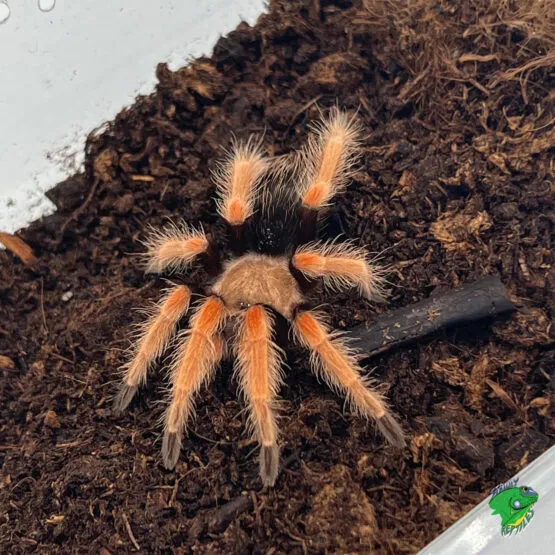
The Mexican Fireleg Tarantula is a visually stunning species. They are famous for their vibrant coloration. They are a terrestrial species, meaning they live primarily on the ground. Their impressive appearance is one of the main reasons people are drawn to them as pets. Their striking look is easy to appreciate, making them a favourite among tarantula enthusiasts. Understanding their physical traits is key to appreciating these beautiful creatures.
Size and Lifespan of Firelegs

Adult female Mexican Firelegs can reach a leg span of up to 6 inches, making them a moderately sized tarantula. Males are typically smaller. When considering buying a tarantula, one must consider their life spans. Females can live for up to 25 years, while males typically live for 5-10 years. This longevity means a significant commitment, and is a key fact to consider when purchasing. The differences between sexes should be taken into account when considering the long-term responsibilities of owning one.
Colouration and Markings
The Mexican Fireleg gets its name from its bright red or orange “leg warmers” on their legs. The carapace (the top part of their body) is a rich, dark brown. The contrast between the dark body and bright red legs creates a striking visual display. The rest of their body is covered in setae (hairs), which contribute to their overall appearance. This combination of colours and textures contributes to their beauty.
Habitat and Natural Environment
Understanding a Mexican Fireleg Tarantula’s natural habitat is crucial for providing the right environment in captivity. This species is native to the Pacific coast of Mexico. They live in dry, scrubby areas with some humidity, often burrowing in the ground or taking shelter under rocks and logs. Replicating these conditions in your terrarium is key to ensuring your tarantula’s health and happiness. Considering the natural environment is essential for replicating its habitat and, therefore, is the key to a good life for your pet.
Where They Come From

Mexican Firelegs are primarily found in the western regions of Mexico, specifically in areas with dry forests and scrublands. Their specific habitat preferences include burrows in the ground, or sheltered areas under rocks. The region’s climate significantly influences their behaviour and needs. Knowing their origin helps in understanding their behaviours and specific requirements.
Ideal Enclosure Setup
Setting up the right enclosure is critical for your Mexican Fireleg’s well-being. They require a terrarium that is appropriate in size, with adequate substrate, and hiding places. A suitable enclosure mimics their natural environment. The right setup offers security and supports their natural behaviours. A well-designed enclosure promotes their health and reduces stress, ensuring your tarantula thrives.
Terrarium Size Requirements
A good rule of thumb is to provide a terrarium that is at least three times the tarantula’s leg span in width. A 10-gallon tank is suitable for juveniles, while adults will need a 20-gallon or larger tank. The enclosure should be wider than tall, as Mexican Firelegs are terrestrial. Make sure the enclosure has a secure lid to prevent escape. The proper size of the enclosure is a must for proper comfort and behaviour.
Substrate and Decorations

The substrate should be a mix of substrate that holds moisture but also allows for burrowing. Good options include a mix of coconut fiber, peat moss, and a little bit of vermiculite. Add a hide, such as a cork bark or half-log, to provide a secure place for the tarantula to retreat. Provide a shallow water dish for drinking. Other decorations like artificial plants can also be added to make the environment look more natural and add to the tarantula’s well-being.
Diet and Feeding
Feeding your Mexican Fireleg Tarantula properly is essential for its health and growth. They are opportunistic eaters and will consume a variety of insects in the wild. A balanced diet keeps your tarantula healthy. You should feed your tarantula regularly. What you feed your tarantula is very important, and so is how often you feed them.
What to Feed Your Tarantula
The primary food source for a Mexican Fireleg should be insects. Crickets, roaches, and mealworms are good choices. Make sure the insects are gut-loaded (fed nutritious food) before feeding them to your tarantula to provide it with the most nutrients. Avoid feeding wild-caught insects, as they might contain parasites or pesticides. Variety is key; ensure your tarantula gets a diverse diet.
Feeding Frequency

Juvenile tarantulas should be fed 2-3 times per week. Adults can be fed once or twice a week, depending on their size and appetite. Always remove any uneaten food within 24 hours to prevent the build-up of mites or mould in the enclosure. Observe your tarantula’s behaviour; if they are not eating, they may be preparing to moult or may be overfed.
Handling and Temperament
Mexican Firelegs are generally considered a more docile species, but they can still be defensive. Handling a tarantula is not always recommended. These spiders, although not aggressive, can be unpredictable. Understanding their behaviour is key to keeping both you and the tarantula safe. Always be cautious and observe their body language.
Potential for Handling
While some owners handle their Mexican Firelegs, it is not usually recommended. Their delicate hairs can cause irritation, and they may bite if they feel threatened. If you choose to handle, do so with caution and always supervise to prevent falls. Handling also causes stress. Ensure the spider is comfortable and willing.
Defensive Behaviour

Mexican Firelegs, like all tarantulas, will defend themselves if they feel threatened. Their defensive behaviours include raising their front legs in a threat posture, flicking urticating hairs from their abdomen, and biting as a last resort. Be aware of these signs. Always respect their space. If your tarantula displays defensive behaviour, leave it alone to prevent further stress.
In conclusion, the Mexican Fireleg Tarantula is a fascinating pet that can bring much enjoyment. The key to success is proper research, care, and providing a suitable environment. If you’re considering buying one in the UK, remember to source from reputable dealers and be prepared to provide a long-term commitment to the health and well-being of your new pet. The proper habitat, diet, and handling, if any, will allow you to enjoy your tarantula for many years to come. By following these guidelines, you can enjoy the unique pleasure of owning these magnificent creatures.