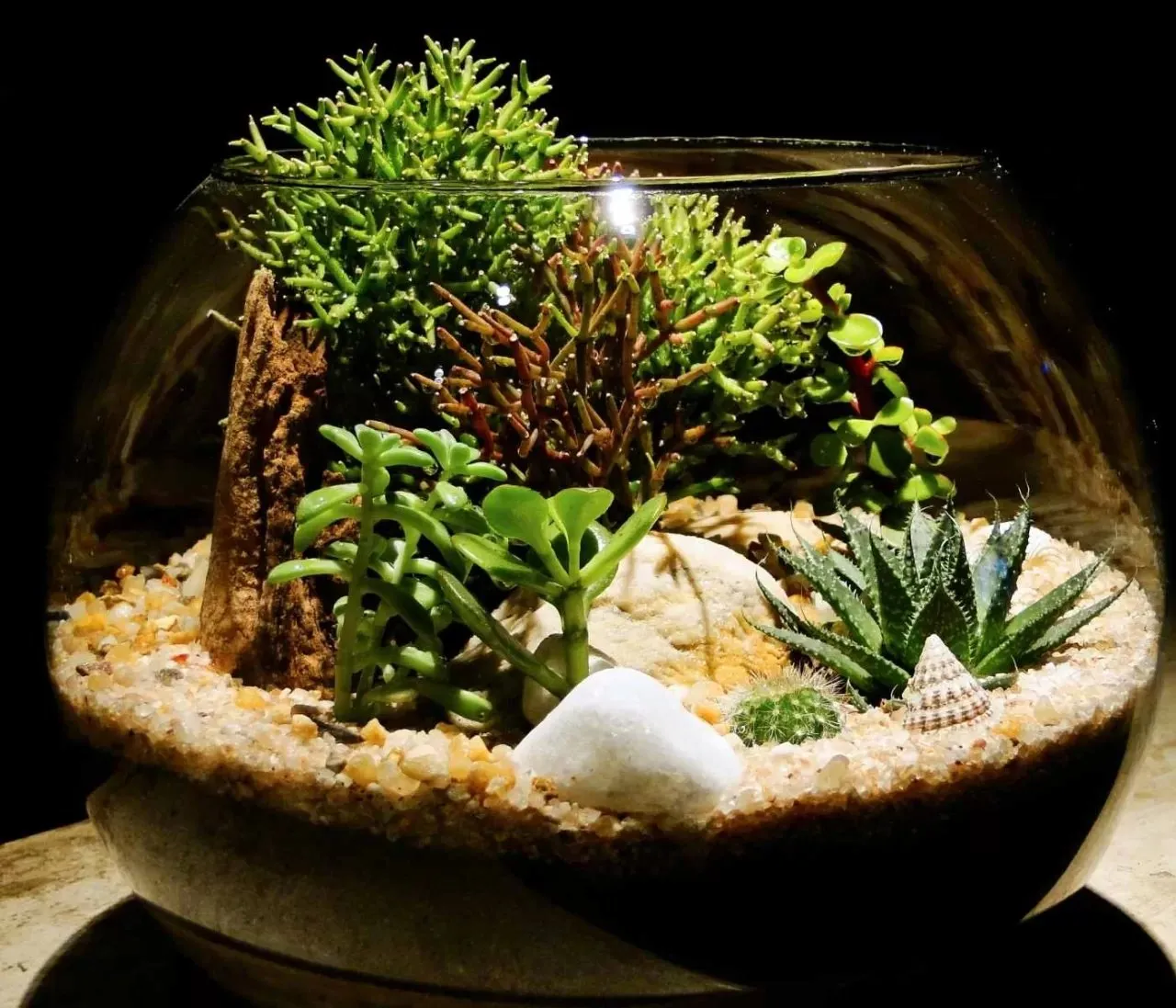
Building the best tarantula enclosure is crucial for the health and well-being of your eight-legged friend. A well-designed habitat provides a comfortable, safe, and stimulating environment that mimics their natural habitat. This comprehensive guide will walk you through every step of the process, ensuring you create a perfect home for your tarantula. From selecting the right enclosure size and materials to maintaining optimal humidity and temperature, we will cover everything you need to know. With the right setup, you can create a thriving environment where your tarantula can flourish, and you can enjoy observing its fascinating behaviors for years to come. Let’s dive into the essential aspects of building the best tarantula enclosure!
Choosing the Right Enclosure for Your Tarantula
Selecting the proper enclosure is the first and most critical step in providing a suitable habitat for your tarantula. The enclosure size, material, and design all play significant roles in the overall well-being of your pet. Factors like ventilation, ease of access for maintenance, and security must be considered to ensure the environment is both comfortable and safe. Before you start, always research the specific needs of your tarantula species, as their requirements will vary depending on their size, behavior, and origin. By carefully considering these aspects, you can create an enclosure that meets your tarantula’s needs and enhances your overall experience as a tarantula keeper. A well-chosen enclosure sets the stage for a healthy and happy tarantula.
Size Matters Choosing the Right Dimensions
The size of your tarantula’s enclosure significantly impacts its comfort and safety. A too-small enclosure can restrict movement and make it difficult for your tarantula to thrive, while an enclosure that is too large can make it feel exposed and insecure. A general rule of thumb is to provide an enclosure that is at least twice the tarantula’s leg span in width and length. The height should be adequate for the tarantula’s burrowing behavior (for terrestrial species) or climbing activities (for arboreal species). Consider the adult size of your tarantula when choosing the initial enclosure to avoid needing to upgrade it later. Choosing the right dimensions minimizes stress and allows for natural behaviors to be expressed. This also provides ample space for substrate, decorations, and hiding spots.
Considering Your Tarantula Species

Different tarantula species have unique requirements based on their natural habitats and behaviors. Terrestrial species, like the Mexican Red Knee, typically need more floor space and less height, preferring to burrow and forage on the ground. Arboreal species, such as the Pinktoe Tarantula, require more height and vertical space to climb and create webs. Furthermore, some species are more sensitive to humidity or temperature variations than others. Researching your specific species’ needs is paramount. This includes understanding their preferred temperature range, humidity levels, and substrate preferences. Tailoring the enclosure to match the species’ needs ensures your tarantula’s health and comfort, leading to a more enjoyable experience for both you and your pet.
Essential Materials for Your Tarantula Enclosure
The materials you choose for your tarantula enclosure should prioritize safety, durability, and ease of maintenance. Glass or acrylic enclosures are the most common choices, offering excellent visibility and ease of cleaning. Ensure the enclosure has a secure, well-fitting lid to prevent escapes and provide adequate ventilation. Consider the material’s ability to retain heat and humidity, as well as its resistance to scratching and damage. Non-toxic materials are essential to protect your tarantula from harmful chemicals. By selecting the appropriate materials, you create a safe and long-lasting habitat where your tarantula can thrive.
Substrate Selection for Optimal Burrowing and Humidity
The substrate is the foundation of your tarantula’s enclosure, providing a surface for burrowing, maintaining humidity, and absorbing waste. The ideal substrate should mimic the tarantula’s natural habitat, be non-toxic, and offer good moisture retention. Popular choices include a mixture of coconut fiber, peat moss, and vermiculite. These materials retain moisture well and allow terrestrial tarantulas to burrow. For arboreal species, a shallower layer of substrate is often sufficient. Avoid substrates that can harbor mold or mites. The substrate choice has a huge impact on the well-being of your tarantula by helping it maintain the right environment.
Creating a Naturalistic Substrate Mix

To create a naturalistic substrate mix, combine different materials to achieve the desired texture, moisture retention, and aesthetic. A common recipe includes a base of coconut fiber, which provides excellent moisture retention and burrowing properties. Add a layer of peat moss for additional moisture retention and acidity, which can help prevent mold growth. Incorporate a layer of vermiculite, which helps regulate humidity and drainage. You can also add a small amount of sphagnum moss, which also helps with moisture retention and adds visual appeal. Aim for a substrate depth that allows terrestrial tarantulas to burrow comfortably. This mixture creates an ideal environment, supporting your tarantula’s well-being.
Providing Essential Hiding Places and Decor
Tarantulas are naturally shy creatures, and providing hiding places is essential for their well-being. Hiding spots reduce stress, allowing your tarantula to feel safe and secure. Cork bark, hollow logs, and artificial caves are excellent options. Arrange the decorations to create a naturalistic environment that mimics the tarantula’s natural habitat. Make sure that decorations are secure and won’t topple or trap your tarantula. For arboreal species, include branches and climbing structures to allow them to explore their enclosure. The right décor will enhance the enclosure and enrich your pet’s life.
Selecting the Right Decorations
Choosing the right decorations enhances the enclosure’s aesthetic appeal and adds enrichment for your tarantula. Avoid decorations with sharp edges or that can be easily ingested. Natural elements like sanitized driftwood, rocks, and leaves can be incorporated to mimic the tarantula’s natural environment. Artificial plants add color and can help maintain humidity, while also providing additional hiding spots. Consider the size of the decorations and ensure they do not take up too much space, allowing your tarantula enough room to move and hunt. Be mindful of the materials used to ensure they are safe and non-toxic. Decorations should be chosen to promote a stimulating environment that keeps your tarantula secure and entertained.
Maintaining Optimal Humidity and Temperature

Maintaining the correct humidity and temperature levels is crucial for your tarantula’s health and survival. Tarantulas need specific environmental conditions to thrive and properly molt. Incorrect humidity can lead to molting problems, dehydration, and even death. Similarly, extreme temperature fluctuations can stress your tarantula. By regularly monitoring and adjusting the enclosure’s conditions, you can ensure your tarantula lives a long and healthy life. This requires a combination of appropriate substrate, regular misting (if necessary), and strategic ventilation. The correct temperature will also promote a healthy appetite and active lifestyle.
Monitoring Humidity Levels
Use a hygrometer to accurately monitor humidity levels within the enclosure. The ideal humidity range varies depending on the species, but generally, it should be between 60% and 80%. To increase humidity, mist the enclosure with dechlorinated water. Ensure the substrate is slightly moist, but not saturated. If the humidity is too high, increase ventilation. For arboreal species, misting the sides of the enclosure provides additional moisture. Regularly checking and adjusting the humidity prevents issues and ensures your tarantula’s well-being.
Achieving Proper Ventilation
Proper ventilation is essential to prevent mold growth and maintain healthy air quality in your tarantula’s enclosure. Ensure the enclosure has ventilation holes or a mesh top that allows for air circulation. Avoid blocking these openings. For enclosures with solid lids, consider adding ventilation holes. The amount of ventilation needed depends on the species and the climate. While sufficient ventilation is necessary, be careful not to create excessive drafts. A well-ventilated enclosure prevents the buildup of harmful gases and helps regulate humidity. This plays a pivotal role in maintaining a healthy environment for your tarantula.
Feeding and Watering Your Tarantula

Providing proper nutrition and hydration is fundamental to your tarantula’s health and vitality. Tarantulas are opportunistic predators, feeding primarily on insects in the wild. Offering the correct type of food in appropriate quantities promotes healthy growth and molting. Always provide a clean water source, ensuring your tarantula has access to fresh water. The frequency of feeding and watering depends on the age and species of your tarantula. By following proper feeding and watering routines, you help your tarantula thrive. It is critical to maintain a balance that promotes health and overall well-being.
Choosing the Right Food
Tarantulas primarily consume insects, and a variety of options are available. Crickets, mealworms, roaches, and other commercially available feeder insects are good choices. The size of the insects should be appropriate for your tarantula’s size; generally, the prey should be no larger than the tarantula’s body. Ensure the insects are gut-loaded with nutritious food before feeding them to your tarantula, as this improves the nutritional value. Remove any uneaten insects after 24 hours. This prevents stress and minimizes the risk of injury to your tarantula. A varied diet promotes a healthy, happy tarantula.
Watering Strategies
Providing clean water is vital for your tarantula’s hydration. Provide a shallow water dish with fresh, dechlorinated water at all times. The water dish should be shallow enough to prevent drowning, especially for smaller tarantulas. Some tarantula keepers prefer to mist the enclosure regularly. Make sure you don’t over mist and to avoid creating a breeding ground for mold. Watering habits should adapt to humidity needs, taking into account the species-specific needs. Regular attention to your tarantula’s hydration ensures they are happy and healthy.
Cleaning and Maintaining Your Enclosure

Regular cleaning and maintenance are essential for maintaining a healthy and hygienic environment for your tarantula. A clean enclosure prevents the buildup of waste, mold, and bacteria, all of which can harm your pet. Create a regular cleaning schedule. Follow the best practices for spot cleaning. Doing this promotes a clean and safe home. This helps to prevent the spread of disease and maintains overall health.
Regular Cleaning Schedule
Establish a regular cleaning routine to keep your tarantula’s enclosure in optimal condition. Spot-clean the enclosure at least once a week, removing any uneaten food, dead insects, and fecal matter. Remove and replace the substrate every few months, depending on the species and the conditions within the enclosure. When replacing the substrate, clean the enclosure thoroughly with warm water and a mild, unscented soap. Allow the enclosure to dry completely before replacing the substrate and decorations. A regular cleaning schedule keeps the enclosure healthy and promotes a thriving environment.
Identifying and Addressing Potential Issues
Be vigilant in monitoring your tarantula’s enclosure for any signs of problems. Look for mold growth, pest infestations (such as mites), or unusual changes in your tarantula’s behavior. If you spot mold, remove the affected substrate and clean the enclosure thoroughly. If you suspect a pest infestation, isolate your tarantula and consult with a veterinarian or experienced tarantula keeper. Addressing these issues promptly prevents them from escalating and harming your pet. This proactive approach ensures a healthy and safe habitat for your tarantula.
Building the best tarantula enclosure is an ongoing process, but by following these guidelines, you can create a thriving habitat where your tarantula can flourish. Remember to always research the specific needs of your tarantula species and adjust your setup accordingly. Regular maintenance, attention to detail, and a genuine care for your pet will reward you with a beautiful and engaging creature to enjoy for years to come. Happy building, and enjoy the fascinating world of tarantula keeping!