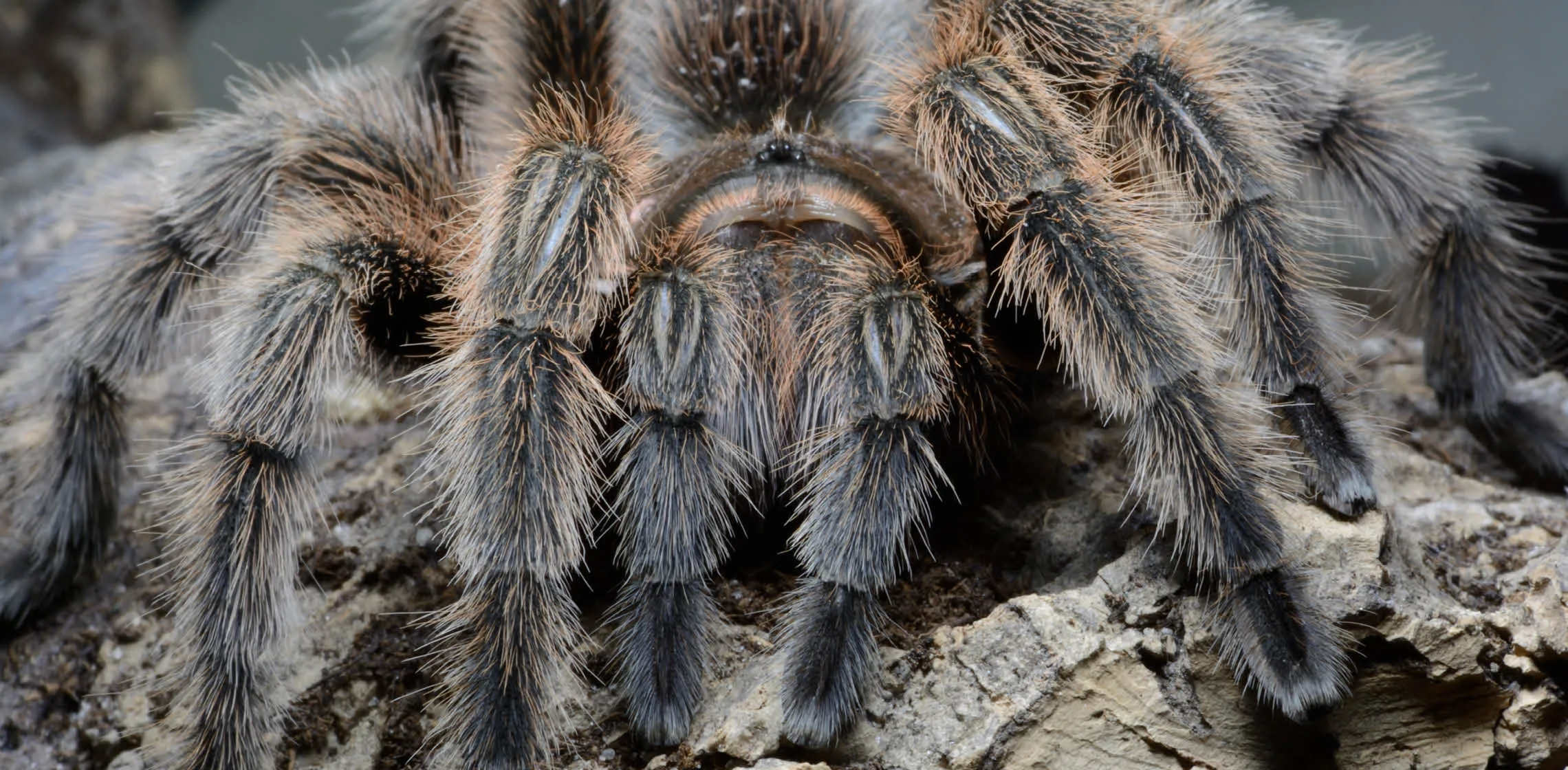
Understanding Chilean Rose Tarantulas
The Chilean Rose Tarantula (Grammostola rosea) is a popular pet tarantula, known for its docile temperament and relatively easy care. These spiders are native to the arid regions of Chile, Bolivia, and Argentina. Their reddish-brown coloration and manageable size make them an attractive choice for both novice and experienced tarantula keepers. Understanding the basic characteristics of these fascinating creatures is the first step in providing them with the best possible care and recognizing subtle differences that can help you determine their gender.
Why Sexing Matters
Knowing the sex of your Chilean Rose Tarantula is important for several reasons. It allows you to understand its potential lifespan, as males typically live shorter lives than females. Sexing is also crucial if you’re interested in breeding your tarantula. Furthermore, understanding the gender can help you anticipate certain behaviors, such as the male’s wandering behavior in search of a mate. This knowledge assists you in providing proper care and adjusting your setup to suit the spider’s needs, ensuring a healthy and fulfilling life for your pet. Accurate sex determination also informs the overall understanding of tarantula behavior, allowing you to provide for the spider as needed.
Understanding the sex of your tarantula can help you to better understand their lifespan, as males often have shorter lifespans than females. This knowledge is very important for planning long-term care. For those interested in breeding, sexing is obviously essential for pairing. It will allow you to understand the needs of your tarantula in order to provide the best habitat possible, which will help contribute to the tarantula’s longevity.
Behavioral Differences

While Chilean Rose Tarantulas of both sexes are generally docile, some behavioral differences can be observed. Males, particularly as they mature, may exhibit more wandering behavior, especially if they are looking for a mate. They may also become less interested in food as they approach their final molt, which is a sign that they are preparing to mate. Females tend to be more sedentary, spending most of their time in their burrows or hiding spots. Observing these subtle cues can offer further clues about your tarantula’s sex, but it’s important to note that behavior alone isn’t a definitive indicator.
Male vs. Female Chilean Rose Tarantulas
Size and Appearance
In general, female Chilean Rose Tarantulas tend to be larger and more robust than males. Although there can be variations, females often have a slightly bulkier appearance and can grow to have a larger leg span. Males are usually smaller and more slender. However, the size difference is not always obvious, especially in younger tarantulas. Therefore, relying solely on size is not the most reliable method for sexing, especially in younger specimens where these differences are minimal. The visual appearance can give you clues, but it is not the most reliable method on its own.
Molting and Exuviae

Molting is a crucial process for tarantulas, allowing them to grow and shed their exoskeleton. The shed exoskeleton, called the exuviae, provides valuable clues about the spider’s sex. Examining the exuviae is one of the most reliable methods for sexing a Chilean Rose Tarantula, especially when the spider is mature enough for this process. The exuviae will have all the details needed to determine the gender, which is crucial if you want to attempt to breed your tarantulas. The molting process involves the spider shedding its old exoskeleton and growing into a new one.
Examining the Exuviae
Carefully collect the exuviae after the tarantula has molted. Gently spread it out to examine the underside, focusing on the area where the abdomen was attached. This is where you’ll look for the key sexual characteristics. The exuviae has all the information needed to determine the gender. This is a reliable method, but requires a careful examination of the molted exoskeleton.
Spermatheca and Epigastric Furrow
Females possess a structure called the spermatheca, a sac-like organ where they store sperm. You can find this on the underside of the exuviae. Males, on the other hand, lack this structure but possess a groove called the epigastric furrow. The presence or absence of these features is the key to determining the sex.
Spermatheca Details

The spermatheca appears as a distinct structure on the exuviae of a female. It can vary in shape, but it will be noticeable as a raised or defined area. The spermatheca is usually visible under magnification. It may appear as two separate pockets or a single, more pronounced structure. The spermatheca is key, and if observed, it is a female.
The Epigastric Furrow
The epigastric furrow, found in males, is a groove located between the two book lungs on the underside of the abdomen. You may be able to see this groove with the naked eye, but it is best viewed with a magnifying glass. The furrow will often have two separate small structures. This is indicative of a male tarantula. The presence or absence of these features is critical in determining the sex.
Other Sexing Methods
Using a Magnifying Glass

A magnifying glass is a helpful tool for sexing tarantulas, especially when examining the exuviae or observing the ventral side of the spider. It allows you to see the subtle differences in the sexual structures more clearly. Carefully examine the area between the book lungs and the epigastric furrow. Using a magnifying glass will help you to identify the sexual organs more easily and make an accurate determination about the tarantula’s sex.
When examining the exuviae, a magnifying glass is essential for identifying the spermatheca in females or the epigastric furrow in males. This tool enhances the clarity of these features, increasing the accuracy of your sex determination. For live tarantulas, a magnifying glass can aid in observing the ventral side, however, this requires the tarantula to cooperate.
Ventral Sexing
Ventral sexing involves looking at the underside (ventral side) of the tarantula to identify sexual characteristics. This method is less reliable than examining the exuviae but can provide clues. Gently flip the tarantula (if you are experienced) or place it in a clear container. This will allow you to view the underside to look for the spermatheca or epigastric furrow. However, this method can be risky, and it’s best to use the exuviae method when possible. It is also important to not handle the tarantula unless you know how.
Pros and Cons of Each Method
Size and Appearance Method

- Pros: Non-invasive, easy to attempt.
- Cons: Unreliable, especially in younger tarantulas, not always conclusive.
Examining the Exuviae Method
- Pros: Most reliable method, offers definitive results.
- Cons: Requires the tarantula to molt, may require a magnifying glass.
Ventral Sexing
- Pros: Can be done without a molt, can offer quick insights.
- Cons: Risky, less reliable, requires careful handling and can be stressful for the tarantula.
Caring for Your Chilean Rose Tarantula Regardless of Gender

Whether your Chilean Rose Tarantula is a boy or a girl, the basic care requirements remain the same. Providing the right environment, proper feeding, and avoiding unnecessary handling will contribute to a long and healthy life for your pet. Following this advice will help to ensure your tarantula will have a healthy life.
Habitat and Enclosure
Your tarantula needs an appropriate enclosure. A glass or plastic terrarium with adequate ventilation is ideal. The enclosure should be large enough for the tarantula to move around comfortably, and should be appropriately sized based on the spider’s size. Provide a substrate such as coco coir, peat moss, or a mix of both. This will allow the tarantula to burrow. You also need to include a shallow water dish. Maintain a temperature range of 75-85°F (24-29°C) and keep the humidity at around 60-70%. Providing the correct temperature and humidity will promote proper health.
Feeding and Diet
Chilean Rose Tarantulas are carnivores. Their diet primarily consists of insects. Feed your tarantula a variety of insects such as crickets, mealworms, and dubia roaches. The frequency of feeding depends on the tarantula’s age and size. Young tarantulas should be fed more often. Adults can be fed once or twice a week. Remove any uneaten food after 24 hours to prevent mold. Always make sure to have a clean, fresh water source. Overfeeding should be avoided, as it can shorten your tarantula’s lifespan.
Handling and Interaction
Chilean Rose Tarantulas are generally docile, but it’s best to handle them cautiously. Avoid handling them unnecessarily, as it can stress them. When handling, do so close to the ground. If the tarantula falls, it won’t be a long drop. Always wash your hands before and after handling your tarantula, and avoid using scented soaps or lotions. Be aware of the tarantula’s posture, and if it seems defensive, leave it alone. With proper care and precautions, these tarantulas can be wonderful pets.
Conclusion
Determining the sex of your Chilean Rose Tarantula is an important aspect of responsible pet ownership, enabling you to understand their needs and prepare for their long-term care. While several methods exist, the most reliable way to determine the gender is by examining the exuviae. By following these guidelines, you can successfully determine the sex of your tarantula and provide it with the best possible care, regardless of whether it’s a boy or a girl. Enjoy the unique experience of owning this fascinating species. These beautiful creatures are rewarding pets.