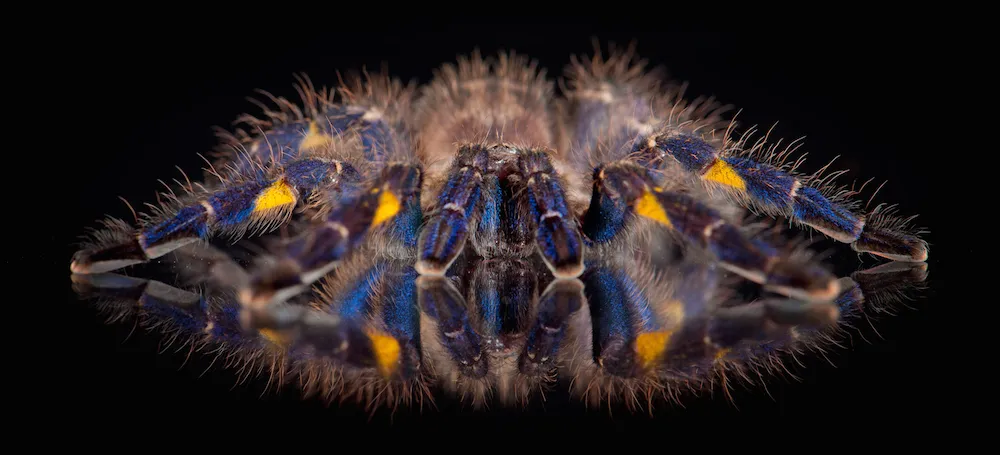
What is a Blue Tarantula
Yes, there is indeed such a thing as a blue tarantula! These captivating arachnids are highly sought after by exotic pet enthusiasts due to their striking coloration and intriguing behavior. The term “blue tarantula” doesn’t refer to a single species but encompasses several tarantula species that exhibit shades of blue. These colors range from vibrant cobalt to more subtle hues, adding to their appeal. Their unique appearance distinguishes them from the more common brown or black tarantula varieties, making them a popular choice for those looking to own a visually stunning pet. The blue coloration is not a pigment but rather a result of structural coloration, where the microscopic structures on the hairs of the tarantula’s body diffract light, creating the blue appearance. Understanding the different species and their specific care requirements is essential for any potential owner.
Species of Blue Tarantulas
Several tarantula species are known for their blue coloration, with some being more commonly available than others. Each species possesses its unique shade of blue and distinct characteristics, impacting the overall care they require. Some exhibit intense cobalt blue, while others display a more greenish-blue hue. The popularity of each species can vary depending on availability, temperament, and the level of care they need. Careful research is important before deciding to keep one of these fascinating creatures. Considering factors like size, temperament, and the environment necessary to ensure the tarantula thrives are vital steps in responsible ownership. The decision to own a blue tarantula should be made only after fully understanding the specific needs of the chosen species.
The Cobalt Blue Tarantula

The Cobalt Blue Tarantula (Cyriopagopus lividus) is perhaps the most well-known of the blue tarantulas. This species is celebrated for its striking metallic blue coloration, which is most prominent in juveniles and sub-adults. The intensity of the blue can vary depending on the individual tarantula, their age, and the conditions in which they are kept. These tarantulas originate from the tropical forests of Myanmar and Thailand, making them a beautiful addition to any collection. Cobalt blues are known for their relatively defensive temperament, so handling is not recommended for beginners. They require a specific humidity and temperature range to thrive, making careful habitat management necessary. Their care demands some experience and knowledge, but the rewards of observing their beauty can be worth it.
The Greenbottle Blue Tarantula
The Greenbottle Blue Tarantula (Chromatopelma cyaneopubescens) is another popular blue species, though its appearance is a combination of blue, orange, and green hues. The carapace of this tarantula has a metallic blue shine, while the legs are a vibrant orange color. These spiders are native to the semi-arid environments of Venezuela and Aruba. Unlike the Cobalt Blue, Greenbottle Blues are known for their more docile temperament, but should still be handled with caution. They are a terrestrial species and require a terrarium with good ventilation. Providing a hide and a shallow water dish is essential for their well-being. With proper care, they are known to be beautiful and relatively low-maintenance pets for experienced tarantula keepers.
Identifying Blue Tarantulas
Identifying a blue tarantula involves observing their physical characteristics, with their coloration being the most obvious distinguishing feature. However, recognizing the specific species requires a closer look at other traits like size, leg span, and the overall pattern of coloration. Differences in temperament and behavior can also help to identify them, but it is always best to identify them visually based on physical features. Due to the varying color shades and patterns, identifying the exact species might be challenging, particularly in younger specimens. Knowing the origin of the tarantula or the source from which you acquired the animal can also help with identification. Therefore, knowing the specifics of a species, such as its natural habitat, can play a vital role in the process.
Physical Characteristics

Besides the blue coloration, other physical characteristics aid in identifying blue tarantulas. The size and leg span are important, as different species vary in size. The shape and pattern of the carapace, the upper part of the cephalothorax, can also provide valuable clues. The presence and color of setae (hairs) on the legs and body can also distinguish between species. Examining the pedipalps (small appendages near the mouth) of mature males is helpful for identifying the species. This is due to the presence of specialized structures used for mating. Observing the overall body proportions, such as the relative length of the legs and the abdomen, can give further insights into the species. These various factors can help to differentiate between species and provide the necessary insights for successful identification.
Color Variations
Color variations within a species, and even within an individual tarantula’s life, exist and can impact the identification process. The intensity of the blue coloration can vary depending on factors like age, genetics, and environmental conditions. Juveniles often exhibit brighter colors than adults. The conditions within their enclosure, such as the humidity, lighting, and substrate, can influence the appearance of their coloration. Some species may display different shades of blue, ranging from deep cobalt to a lighter, more iridescent hue. Understanding these variations is crucial when attempting to identify a blue tarantula. Observing the spider in different lighting conditions and at various stages of its life cycle may also be required. Also, consulting with experienced tarantula keepers or referring to species-specific identification guides will increase the accuracy of identification.
Habitat and Natural Environment
Understanding the natural habitat of blue tarantulas is key to providing proper care in captivity. Replicating their native environment as closely as possible is essential for their health and well-being. These tarantulas originate from diverse regions, including Southeast Asia and South America, with varying climatic conditions. Knowledge of their natural habitat allows for creating an appropriate enclosure, managing temperature and humidity, and providing suitable enrichment. These spiders have very specific needs. The best care will be to replicate the natural environment in which they thrive. Creating a habitat that mirrors the conditions in which they evolved ensures the tarantula’s health and can often bring out their vibrant colors. Proper research will enable anyone to gain a better understanding of a tarantula’s specific requirements.
Native Habitats

Blue tarantulas are found in a variety of habitats across different regions. The Cobalt Blue Tarantula is native to the tropical forests of Myanmar and Thailand, where they burrow in the ground. Greenbottle Blue Tarantulas come from the semi-arid regions of Venezuela and Aruba, living in burrows among rocks and sparse vegetation. Their natural environments are usually humid and warm, with well-drained soil or substrate. Understanding the specific habitat of a species, including the type of vegetation, climate, and soil conditions, is vital for replicating it in captivity. Researching their natural environment helps in determining the appropriate temperature, humidity, and the best substrate materials to use in the enclosure. Observing their native habitats helps in understanding their behavior and the overall care requirements for them in captivity.
Creating a Suitable Habitat
Creating a suitable habitat for a blue tarantula involves several considerations, including the size and type of enclosure, substrate, and environmental controls. The enclosure should be large enough for the tarantula to move and display its natural behavior. The substrate should be appropriate for burrowing and maintaining humidity. Adding decorations like cork bark and artificial plants provides hiding places. A water dish is essential for hydration. The temperature should be maintained within a specific range using a heat source. Humidity levels should be monitored and controlled through spraying water or using a humidifier. Creating a habitat that meets the needs of a tarantula is important for its health and overall well-being. By following the guidelines for creating a suitable habitat, any owner can enjoy these beautiful creatures.
Caring for Blue Tarantulas
Caring for blue tarantulas involves providing the right environment, proper feeding, and ensuring their health and safety. They require a terrarium of the appropriate size, substrate, and environmental controls. It is essential to maintain the right temperature and humidity levels and provide a varied diet. Regular monitoring of their health and behavior is important. Proper care involves knowing the specific needs of the species and providing a safe and enriching environment. Careful attention to detail, consistent maintenance, and responsible ownership will help anyone to enjoy these amazing creatures. The basic principles of tarantula care are consistent, so you can find the information required for any species. Understanding each species is the key to successful care.
Feeding Your Tarantula

Feeding blue tarantulas involves providing a diet of appropriate insects and ensuring that the food is of good quality. They are primarily insectivores, and their diet should include a variety of insects like crickets, roaches, and mealworms. The size and quantity of food depend on the tarantula’s size and age. Feeding frequency can vary depending on the species and the growth rate, but feeding once or twice a week is typical. Remove any uneaten food after a day to prevent mold and mite growth. Fresh water should be available at all times, provided in a shallow dish. Observe their feeding habits to ensure they are eating and adjust the diet accordingly. Providing a balanced diet and feeding on a regular schedule will ensure the health and longevity of your blue tarantula.
Choosing the Right Enclosure
Choosing the right enclosure is important for the health and well-being of a blue tarantula. The enclosure should be appropriately sized for the tarantula’s size and species. It needs to be constructed of clear, sturdy material, such as glass or acrylic, to allow for easy viewing and to prevent escape. Ventilation is essential. It should have secure lids to prevent escape. The enclosure should have features suitable to the tarantula’s natural habitat, such as substrate, hides, and decorations. It is always best to prioritize safety when selecting the right enclosure, as it is a critical component of their care. Proper research of the specific species is important, but size and safety are the most important factors when choosing the correct enclosure.
Maintaining Temperature and Humidity
Maintaining the correct temperature and humidity is crucial for the health and well-being of blue tarantulas. They are ectothermic and require a specific temperature range to function properly. Use a thermometer to monitor the temperature. Humidity should be maintained within a specific range. Humidity levels depend on the species and its native habitat. Use a hygrometer to measure the humidity. Regulate the temperature using a heat source. Maintain the humidity with regular misting or using a humidifier. Ensure adequate ventilation to prevent the buildup of mold and bacteria. Consistent monitoring and adjustment of the environmental conditions are essential for the tarantula’s health and successful care.
Handling and Safety

Handling blue tarantulas should be approached with caution and is generally not recommended, especially for beginners. Some species can be defensive and may bite if they feel threatened. If handling is necessary, do so with extreme care and only when the tarantula is calm. Handle over a soft surface, like a bed or carpet, to prevent injury if the tarantula falls. Always wash your hands thoroughly before and after handling. Be aware of the tarantula’s behavior and body language, which could indicate stress or aggression. Never handle a tarantula if you are unsure of its temperament or if you are inexperienced. Prioritize the safety of both the tarantula and yourself by minimizing handling. Understanding the temperament of each species is very important, and research should be done before handling them.
Health and Common Issues
Blue tarantulas, like all animals, can be susceptible to health issues. Common problems include mites, fungal infections, and injuries. Regular monitoring of their behavior, eating habits, and appearance is essential for detecting any health problems early. Addressing any health problems promptly is important to prevent them from becoming more severe. Consulting with an experienced tarantula keeper or a veterinarian specializing in exotic animals can be very helpful for diagnosis and treatment. Many health problems are preventable through proper care, including maintaining a clean and appropriate environment, providing a balanced diet, and avoiding unnecessary stress. Learning about tarantula health and recognizing common problems is crucial for being a responsible owner.
Preventing and Treating Illness
Preventing illness in blue tarantulas involves maintaining a clean and appropriate environment and providing a balanced diet. Regular cleaning of the enclosure, removing uneaten food, and replacing the substrate helps prevent mite and fungal infections. Providing a varied diet with appropriate insects ensures that the tarantula receives all the necessary nutrients. Monitoring the tarantula’s health is essential, as this allows you to catch any issues at an early stage. Common health issues include external parasites, such as mites, which can be treated with specific products. Fungal infections can be treated with topical medications or by improving ventilation. If you notice any signs of illness, consult with an experienced tarantula keeper or a veterinarian. Early detection and prompt treatment will always improve outcomes.
Shedding and Molting

Shedding, or molting, is a natural process for blue tarantulas as they grow. During molting, the tarantula sheds its exoskeleton to allow for growth. Before molting, the tarantula may appear lethargic, stop eating, and may even spend more time hiding. Create a humid environment to aid the molting process, but do not disturb them during this time. Once the molting process is complete, the tarantula’s coloration may become more vibrant, but the tarantula’s fangs will be softer. After molting, wait a few days before feeding to allow the fangs to harden. Proper environmental conditions, including appropriate temperature and humidity, are very helpful for the molting process. Understanding the molting process will allow any owner to recognize when the tarantula is molting. It will also allow owners to care for their tarantulas correctly during this period.
Breeding Blue Tarantulas
Breeding blue tarantulas is a complex process that requires careful planning and attention to detail. It is generally recommended for experienced tarantula keepers. The breeding process requires that you obtain a mature male and female tarantula of the same species. It is important to understand the natural history of the species, and the specific needs of both the male and the female. The process involves introducing the male to the female’s enclosure under careful supervision, as the female may see the male as prey. After mating, the female will lay an egg sac, which needs to be carefully cared for until the spiderlings hatch. Raising the spiderlings requires specific care, including providing appropriate food and environment. Breeding these beautiful creatures is a rewarding experience for those with enough knowledge.
Mating Behavior
Mating behavior in blue tarantulas varies depending on the species, but generally involves the male approaching the female, often accompanied by courtship rituals. The male will signal his intentions by tapping or drumming on the substrate, trying to get the attention of the female. The mating process itself involves the male using his pedipalps to transfer sperm to the female. This transfer is a delicate operation, as the female might attack the male if she is not receptive. After mating, the female may attack and eat the male, so it is essential to separate them. Mating behavior can vary depending on species, but careful observation and species-specific information are crucial for successful breeding. Understanding and being patient will help any owner successfully breed their own tarantulas.
Raising Spiderlings

Raising spiderlings, or baby tarantulas, requires patience and attention to detail. The spiderlings will hatch from the egg sac and need to be provided with a suitable environment. They should be kept in small, individual enclosures, each with appropriate substrate, a hide, and a water source. Spiderlings will need to be fed very small insects, like fruit flies or small crickets. The feeding frequency will depend on the spiderling’s size and age, but should be on a regular schedule. It is essential to maintain proper temperature and humidity levels, which are critical to the spiderlings’ survival. Regular monitoring is also necessary to ensure that each spiderling is thriving. Raising spiderlings can be very rewarding for experienced keepers, but it does require patience and dedication.