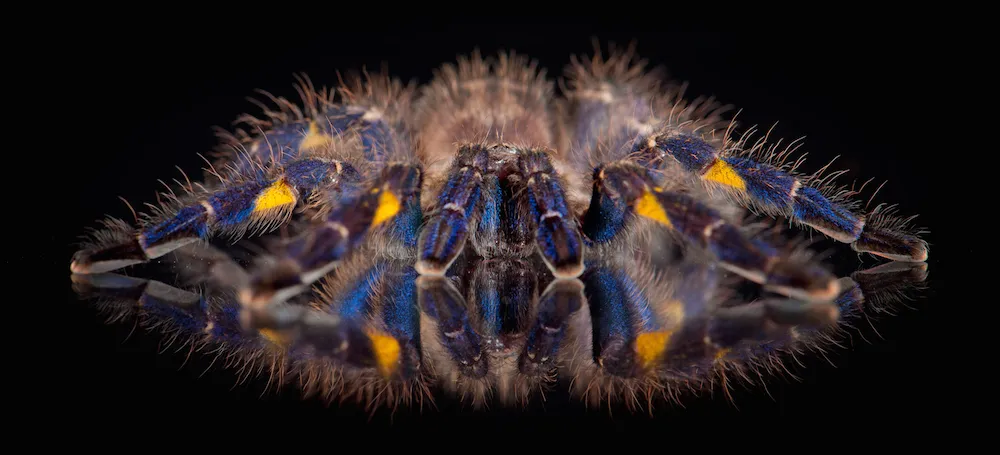
What is a Blue Tarantula?
The term “blue tarantula” typically refers to tarantula species that exhibit striking blue coloration, making them highly sought after in the pet trade. These captivating arachnids are not just visually stunning; they possess fascinating characteristics that set them apart from other tarantulas. These spiders are native to various regions, primarily in Southeast Asia and South America, and their vibrant blue hues are a result of the unique structure of their hairs. Their coloration is not due to pigments but rather a structural phenomenon that reflects blue light, creating an iridescent appearance. The blue tarantula’s beauty and relatively docile nature make them a popular choice for both novice and experienced tarantula keepers, but their care requires specific attention to their habitat and dietary needs.
Appearance and Physical Characteristics
Blue tarantulas are known for their vibrant blue coloration, which often covers their legs, carapace (the top part of their body), and sometimes even their abdomen. This coloration isn’t due to pigment but structural color, where the microscopic structure of their hairs reflects blue light. The intensity of the blue can vary depending on the species, age, and even the individual tarantula. They possess all the standard features of tarantulas, including eight legs, two body segments (cephalothorax and abdomen), and chelicerae (mouthparts) with fangs. The size of blue tarantulas can vary, with some species reaching up to 6-8 inches in leg span. Their bodies are covered in fine hairs, some of which can be urticating (irritating to skin) as a defense mechanism.
Unique Blue Coloration

The striking blue color of these tarantulas is one of their most captivating features. This color is not the result of pigments, which are common in many animals. Instead, the blue hue arises from the structural arrangement of nanostructures within their hairs. These structures are designed to reflect specific wavelengths of light – specifically, blue light. This phenomenon is known as structural coloration and is a fascinating example of how nature creates color. This structural color makes the spiders appear iridescent, with the blue intensity possibly changing based on the lighting and viewing angle. This coloration is not just for aesthetic appeal, as it may also serve as a camouflage or a means of attracting a mate.
Size and Lifespan
The size and lifespan of blue tarantulas depend on the specific species. Generally, these tarantulas have a leg span ranging from 5 to 8 inches, though some species can grow larger. Their lifespan varies significantly between males and females. Males typically live for a shorter duration, often 2-3 years, reaching maturity and dying shortly after. Females, on the other hand, can live for a considerably longer time, sometimes up to 10-12 years or even longer in captivity. Proper care, including appropriate habitat conditions and a balanced diet, plays a critical role in maximizing the lifespan of a blue tarantula in captivity. The larger species tend to live longer than the smaller ones.
Habitat and Distribution
Blue tarantulas are native to specific geographic regions, which influences their natural habitats. They are primarily found in the tropical rainforests and grasslands of Southeast Asia and South America. Understanding their native environment is crucial for providing the proper care in captivity. These spiders have adapted to thrive in specific conditions, including humidity, temperature, and the availability of food. Their habitat preferences can vary slightly depending on the species, but they generally require a humid environment with temperatures ranging from 75-85°F (24-29°C). The availability of appropriate substrate for burrowing or hiding and the presence of suitable prey are also critical elements of their natural habitat.
Natural Environment

In their natural environments, blue tarantulas typically inhabit burrows, under rocks, or within the leaf litter of rainforest floors. These environments offer protection from predators and the elements. Some species are terrestrial, spending most of their time on the ground, while others may be arboreal, residing in trees. The soil composition and the availability of hiding places within their habitat are crucial for their survival. These tarantulas are nocturnal hunters, spending their days concealed and emerging at night to hunt for insects and other small prey. The specific microclimates of their habitats, including temperature and humidity levels, are vital for their health and well-being. The conservation status of these habitats is important for the survival of these beautiful creatures.
Geographic Range
The geographic distribution of blue tarantulas is relatively limited, with specific species found in particular regions. For example, the Cobalt Blue Tarantula (Cyaneopubescens) is commonly found in the tropical forests of Myanmar and Thailand. Other species may be endemic to parts of South America or other areas of Southeast Asia. Their distribution is often influenced by factors such as suitable habitat, climate, and the presence of necessary prey species. Due to habitat loss and the pet trade, some species may have reduced ranges. Conservation efforts are focused on protecting their natural habitats and preventing over-collection. Understanding their geographic range is important for conservation and responsible pet ownership.
Behavioral Traits
Blue tarantulas, like all tarantulas, exhibit interesting behavioral traits. Their behavior often includes defensive mechanisms, hunting strategies, and social interactions during mating. These characteristics are key to their survival in their native habitats. Observing their behavior can provide valuable insights into their needs and well-being. Understanding their natural behaviors is important for providing the appropriate environment in captivity and reducing stress. From the way they construct their burrows to their feeding habits, the behavior of blue tarantulas is a complex adaptation to their environment.
Temperament and Defensive Mechanisms

The temperament of blue tarantulas can vary somewhat depending on the species, but they are generally known to be less aggressive than some other tarantula species. When threatened, their first line of defense is typically to flee or hide. However, they do possess defensive mechanisms, including urticating hairs, which they can flick off their abdomen. These hairs can cause irritation to the skin and eyes. Additionally, like all tarantulas, they can bite if they feel threatened, though their venom is generally not considered medically significant to humans. Providing a secure and suitable habitat and avoiding unnecessary handling can help reduce stress and the likelihood of defensive behaviors. Understanding their temperament and potential defensive mechanisms is key to safe handling.
Hunting and Feeding Habits
Blue tarantulas are primarily nocturnal hunters, ambushing prey in their natural environments. Their diet typically consists of insects, such as crickets, mealworms, and roaches, which they catch and subdue using their fangs. In captivity, providing the appropriate size and variety of insects is important for their health and well-being. The frequency of feeding depends on the tarantula’s age and size, with younger tarantulas needing more frequent meals. They use their chelicerae to inject venom into their prey, paralyzing it and allowing them to consume the soft tissues. Observing their hunting behavior is a fascinating aspect of keeping blue tarantulas, although their nocturnal habits can make this a challenge. A well-balanced diet ensures these spiders have all the nutrients needed for healthy growth and molting.
Conservation Status and Threats
The conservation status of blue tarantulas and their habitats is of significant concern. Several factors threaten their survival in the wild, including habitat loss, the pet trade, and the impact of climate change. Protecting their habitats and preventing over-collection are vital for ensuring their populations remain healthy and sustainable. Conservation efforts often involve educating the public, supporting responsible pet ownership, and implementing protective measures for their natural environments. Knowing the threats faced by these tarantulas helps us understand the need for conservation initiatives and the importance of supporting their well-being.
Threats to Survival

The primary threats to the survival of blue tarantulas include habitat destruction due to deforestation and agricultural expansion. The pet trade, while popular, can also put pressure on wild populations if not managed sustainably. Climate change can also affect their habitats, altering temperature and humidity levels and impacting their food sources. These threats can lead to population decline and endangerment of species. The lack of legal protections and enforcement in some regions also exacerbates these threats. Understanding the factors that endanger blue tarantulas is important for effective conservation strategies.
Conservation Efforts
Conservation efforts for blue tarantulas include protecting their natural habitats through the establishment of protected areas and reserves. Combating illegal pet trade through legal frameworks and enforcement is also crucial. Supporting responsible pet ownership and educating the public about the importance of these spiders and their habitats is equally vital. Captive breeding programs can also contribute to the preservation of these species. Research into their biology, behavior, and ecology provides essential information for conservation planning. By collaborating with conservation organizations, governments, and local communities, we can work towards the long-term survival of blue tarantulas and their habitats.
Interesting Facts
Blue tarantulas possess a range of interesting characteristics. These facts often highlight the uniqueness of these arachnids and their adaptation to their environment. From their molting process to their venom, learning these facts helps us appreciate them better. Understanding these unique characteristics is important for responsible care and conservation efforts.
Molting Process

Molting is a critical process in a tarantula’s life, where they shed their exoskeleton to grow. During this process, blue tarantulas may exhibit behavioral changes, such as a loss of appetite. The molting process can take several hours, and during this time, the tarantula is very vulnerable. The new exoskeleton is soft and gradually hardens. The frequency of molting depends on the tarantula’s age, with young tarantulas molting more often. After molting, the tarantula’s colors may appear more vibrant, highlighting the iridescent nature. Providing the proper environment, including sufficient humidity, is crucial for a successful molt.
Venom and Toxicity
While blue tarantulas, like all tarantulas, possess venom, it is generally not considered medically significant to humans. Their venom is designed to subdue their prey, which are typically insects. A bite from a blue tarantula may cause localized pain, swelling, and redness. However, serious reactions are rare. Handling tarantulas should be done with care, and unnecessary contact should be avoided to minimize the risk of a bite. If bitten, it is recommended to clean the wound and monitor for any signs of an allergic reaction. The venom is not lethal to humans, and bites are often comparable to a bee sting.