Bird Eating Tarantula Lifespan Top 5 Facts
The Bird Eating Tarantula, a captivating creature, sparks intrigue with its imposing size and exotic nature. Prospective owners and curious enthusiasts often wonder about these arachnids’ longevity. Understanding the lifespan of a bird-eating tarantula is crucial for responsible pet ownership and appreciating these fascinating animals. This guide provides five key facts about their lifespan, detailing factors that influence how long they live and offering essential insights for those considering or already caring for these impressive spiders. Exploring the intricacies of their lives, from their physical characteristics to their environmental needs, ensures a better understanding and appreciation of these incredible creatures.
What is a Bird Eating Tarantula?
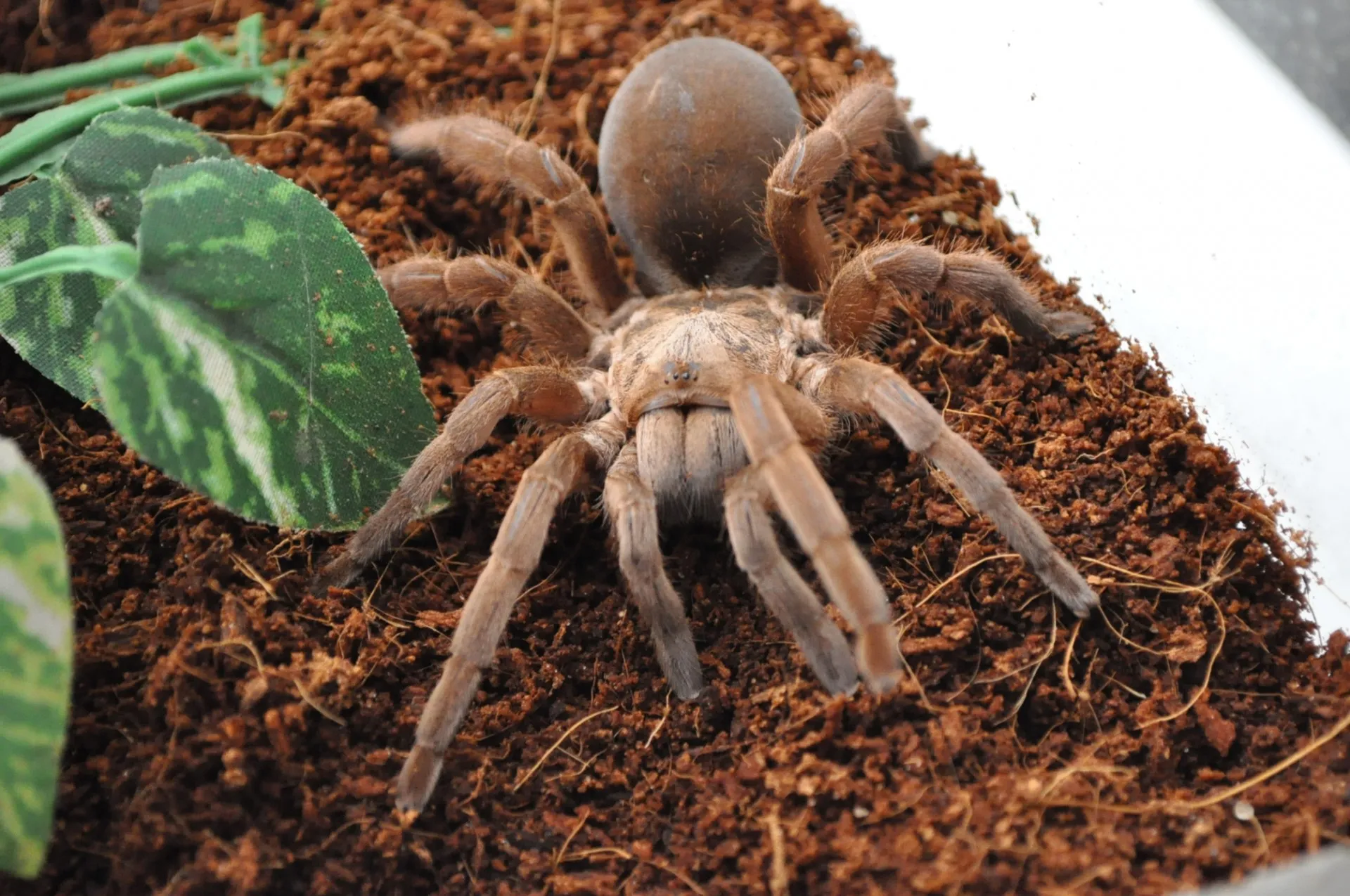
The term “Bird Eating Tarantula” (Theraphosa blondi) refers to one of the largest tarantula species in the world, native to the rainforests of South America. These spiders are named for their size and their occasional consumption of small birds, though their diet primarily consists of insects and other invertebrates. Their imposing size, with a leg span that can reach over 10 inches, makes them a remarkable sight. Understanding their natural habitat and diet is vital to providing the correct care in a captive environment. These spiders possess unique behaviors and characteristics that distinguish them from other tarantula species, contributing to their allure and interest among arachnid enthusiasts. They are a marvel of the invertebrate world, an intriguing subject for observation and study.
Physical Characteristics

Bird Eating Tarantulas are characterized by their substantial size, with females often growing larger than males. Their bodies are covered in dense, reddish-brown hairs that give them a fuzzy appearance. They possess large chelicerae (fangs) used for capturing and subduing prey. These spiders have eight legs and two pedipalps, which are used for sensory purposes and manipulating food. Their overall appearance is quite intimidating, but they are generally docile if handled carefully. The size of a Bird Eating Tarantula is often a key factor in determining its lifespan, with larger individuals tending to live longer, particularly females. The coloration and overall appearance provide insight into their health and well-being.
Geographical Distribution
These tarantulas are native to the rainforests of northern South America, including countries like Brazil, Venezuela, Guyana, Suriname, and French Guiana. They thrive in humid, tropical environments, where they create burrows in the ground or take shelter under logs and rocks. The specific geographical range influences their behavior and life cycle, as the environmental conditions affect their feeding habits, growth, and overall lifespan. Understanding their natural habitat is crucial for replicating these conditions in a captive environment. Conservation efforts are important to protect their natural habitat from deforestation and other threats. Studying their distribution helps in understanding their adaptability and the threats they face in their natural habitats.
How Long Do Bird Eating Tarantulas Live?
The lifespan of a Bird Eating Tarantula varies based on several factors, with females generally living significantly longer than males. On average, females can live up to 20-25 years in captivity, while males typically live for only 3-6 years. The difference in lifespan is primarily due to the female’s ability to reproduce over several years, whereas males often die shortly after maturity and mating. The longevity also depends on the quality of care, including proper diet, habitat conditions, and the absence of stress. Proper husbandry plays a major role in maximizing their lifespan. Understanding the average lifespan helps owners to prepare for the long-term commitment that comes with owning a Bird Eating Tarantula.
Factors Influencing Lifespan

Several factors influence the lifespan of a Bird Eating Tarantula. Diet and nutrition play a crucial role; a balanced diet consisting of insects like crickets, roaches, and mealworms is essential for their growth and health. The habitat and environment also significantly impact their lifespan. Maintaining appropriate temperature and humidity levels, and providing a stress-free environment, are vital. Health issues such as mites and infections, if left untreated, can shorten their lifespan. Additionally, regular handling and interaction with the tarantula should be minimized to reduce stress. Careful attention to these elements ensures a healthier and longer life for these fascinating creatures.
Diet and Nutrition
A proper diet is essential for maintaining a healthy and long-lived Bird Eating Tarantula. These spiders are primarily carnivores, and their diet in captivity should consist of a variety of insects. Crickets, roaches, mealworms, and even occasional small vertebrates, such as pinky mice, can be offered. The frequency of feeding depends on the tarantula’s age and size; younger tarantulas need to be fed more frequently than adults. It is essential to ensure that the insects are gut-loaded before feeding to the tarantula. Overfeeding can lead to health issues, and it’s vital to monitor the tarantula’s body condition. Providing a well-balanced diet, coupled with fresh water, contributes significantly to their lifespan and overall well-being.
Habitat and Environment
Creating a suitable habitat is another key factor in increasing the lifespan of a Bird Eating Tarantula. The enclosure should be large enough to allow the tarantula to move comfortably, with plenty of space for burrowing and hiding. The substrate should be a mix of coco fiber, peat moss, and vermiculite to maintain humidity. Maintaining the appropriate temperature and humidity levels is crucial; the enclosure should be kept at a temperature between 75°F and 85°F (24°C and 29°C) and a humidity level of 70-80%. Providing hiding places like cork bark or artificial plants is vital for the tarantula’s well-being and will reduce stress. Regular cleaning and maintenance of the enclosure are also essential to prevent the buildup of waste and maintain a healthy environment, which directly impacts their lifespan.
Health and Disease

Bird Eating Tarantulas can be susceptible to certain health issues that can affect their lifespan. Common problems include mites, fungal infections, and injuries. Mites can be detrimental, and they need to be addressed quickly. Fungal infections often result from high humidity and poor ventilation. Regular observation is crucial for detecting early signs of illness. If any health issues are suspected, it is vital to consult with a veterinarian or experienced arachnid keeper. Providing a clean and stress-free environment, along with a balanced diet, helps to prevent health problems. Understanding and addressing health issues effectively ensures a longer and healthier life for these tarantulas.
Lifespan Compared to Other Tarantulas
The lifespan of Bird Eating Tarantulas is notably longer than that of many other tarantula species. While the exact duration varies, they generally outlive many of the smaller, more common species kept as pets. For example, smaller tarantulas often have lifespans of 5-10 years, while Bird Eating Tarantulas can live for over 20 years, particularly females. The difference is related to their size, metabolism, and reproductive strategies. Factors such as habitat, diet, and overall health are important determinants when comparing the longevity of different tarantula species. Understanding these variations helps to set realistic expectations and to appreciate the diverse life cycles of these fascinating creatures.
Unique Behaviors
Bird Eating Tarantulas exhibit unique behaviors that set them apart. They are known for their impressive size and sometimes defensive behaviors. They are ambush predators, waiting patiently for prey to come within striking distance. They also have urticating hairs on their abdomens, which they flick at potential threats as a defense mechanism. These hairs can cause irritation to the skin and eyes. They often create elaborate burrows in the wild and utilize webbing to line their habitat. The study of their behaviors provides valuable insights into their natural adaptations. Understanding their unique behaviors is essential for responsible ownership and appreciation.
Molting Process

Molting is a crucial process for tarantulas, where they shed their exoskeleton to grow. The frequency of molting depends on the age of the tarantula, with young tarantulas molting more often than adults. During molting, the tarantula is vulnerable and should not be disturbed. The process can take several hours or even days. Proper humidity and environmental conditions support the molting process. After molting, the tarantula’s new exoskeleton is soft, and it is important to avoid handling the tarantula until it hardens. Molting allows tarantulas to replace damaged limbs, grow larger, and remain healthy. Monitoring the molting process is critical to ensure the tarantula’s health and well-being.
Reproduction
Reproduction in Bird Eating Tarantulas involves a complex process. Males create a sperm web and then transfer the sperm to their pedipalps before mating. Females produce egg sacs containing hundreds of eggs. The female then guards the egg sac until the spiderlings hatch. The process of mating can be risky for males, as females sometimes consume them after mating. The spiderlings grow slowly. Successful reproduction is influenced by environmental factors and the health of the adults. Understanding the reproductive cycle is useful for breeders and researchers.
Tips for Bird Eating Tarantula Owners
Proper Care and Maintenance

Proper care and maintenance are essential for ensuring a Bird Eating Tarantula’s long and healthy life. This includes providing a suitable habitat with the correct temperature, humidity, and substrate. Regular cleaning of the enclosure is necessary to prevent bacterial growth and to maintain a healthy environment. Ensure that the water dish is always filled with clean water. Avoid overhandling the tarantula, as this can lead to stress and injury. Monitoring the tarantula’s behavior and appetite is important, and any unusual behavior or signs of illness should be addressed promptly. Maintaining a balanced and appropriate diet ensures optimal health. Providing enriching environment is vital to keep your tarantula happy.
Creating a Suitable Habitat
Creating a suitable habitat involves several key factors to ensure the tarantula thrives. The enclosure should be large enough for the tarantula to move comfortably, considering its adult size. A secure enclosure with a secure lid is important to prevent escapes. The substrate should be appropriate for burrowing and moisture retention, such as a mix of coco fiber, peat moss, and vermiculite. Provide hiding places such as cork bark or artificial plants. Maintain appropriate temperature and humidity levels, using a thermometer and hygrometer to monitor conditions. Ensure proper ventilation to prevent the buildup of mold and maintain air quality. A well-designed habitat enhances the quality of life for your Bird Eating Tarantula, contributing to its overall health and longevity.
Feeding and Hydration
Feeding your Bird Eating Tarantula correctly is essential for maintaining its health. Provide a varied diet of appropriate-sized insects, such as crickets, roaches, and mealworms. Feed young tarantulas more frequently than adults. Remove any uneaten food to prevent mold and mites from infesting the enclosure. Provide a shallow water dish with fresh water at all times. Hydration is critical. Feeding frequency should depend on the tarantula’s size and appetite, with adults typically eating less frequently than juveniles. Avoid overfeeding to prevent health issues. Regularly monitor the tarantula’s eating habits and adjust feeding accordingly. A well-fed and hydrated tarantula is a healthy tarantula.
Common Health Issues

Bird Eating Tarantulas, like all animals, can be affected by health issues. Common problems include mites, fungal infections, and injuries from falls or being mishandled. Mites can be detrimental to their health, and immediate action is needed to control and eliminate them. Fungal infections are often related to high humidity and insufficient ventilation. Injuries may result from improper handling or from their environment. Early detection of these issues is essential, and seeking advice from an experienced arachnid keeper or a veterinarian is recommended. A clean environment, good hygiene, and a balanced diet can help prevent many health problems. Regular observation and prompt response to any concerns can significantly improve the chances of a long, healthy life for a Bird Eating Tarantula.
Conclusion
In conclusion, the lifespan of a Bird Eating Tarantula is an intriguing aspect of caring for these fascinating creatures. Understanding the factors that influence their longevity, from their diet and habitat to their overall health, is vital for responsible ownership. Female Bird Eating Tarantulas typically live longer than males, often reaching 20-25 years, while males live for a shorter period. By providing proper care, maintaining a suitable environment, and promptly addressing any health issues, owners can significantly increase the chance of their Bird Eating Tarantula living a long, healthy life. Appreciating the uniqueness of their needs and behaviors makes the experience of owning one of these impressive arachnids truly rewarding.