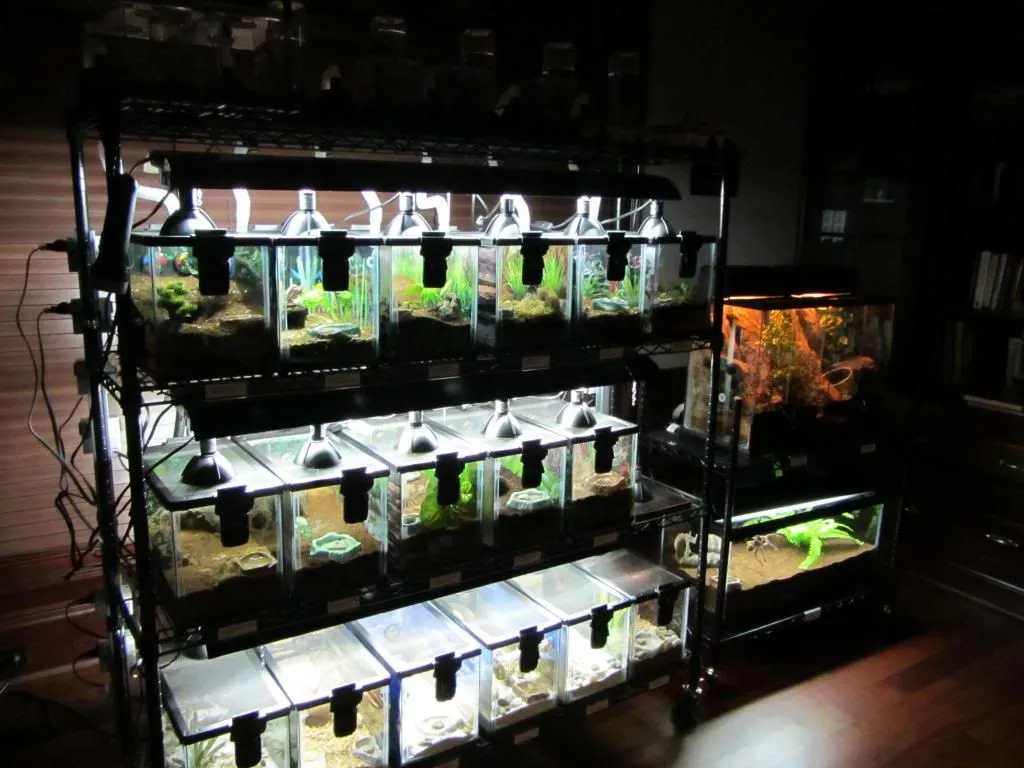
Why Choose the Best Tarantula Enclosures
Choosing the best tarantula enclosure is paramount to the health, happiness, and longevity of your eight-legged companion. A well-designed enclosure provides the necessary environmental conditions, promoting natural behaviors and reducing stress. Proper housing supports the tarantula’s physical well-being by offering ample space for movement, molting, and burrowing, as well as maintaining optimal temperature and humidity levels. A poor enclosure, on the other hand, can lead to a myriad of problems, including dehydration, difficulty molting, and increased susceptibility to diseases. In Europe, where varying climates and housing regulations exist, selecting the right enclosure becomes even more critical. It involves considering factors such as ventilation, material safety, and ease of maintenance to create a thriving habitat that replicates the tarantula’s natural environment. Investing in the best enclosure shows a commitment to responsible pet ownership and enhances the overall experience of keeping these fascinating creatures.
Understanding Tarantula Enclosure Needs
Understanding the specific needs of your tarantula is the first step in selecting the perfect enclosure. Tarantulas, being arachnids, thrive in environments that mimic their natural habitats. This involves carefully considering factors such as the species’ origin, its specific needs for humidity, temperature, and substrate, and its typical behaviors. For instance, terrestrial species, which spend most of their time on the ground, require enclosures with a larger floor space and adequate substrate depth for burrowing. Arboreal species, on the other hand, benefit from taller enclosures with branches and climbing opportunities. Researching your tarantula’s species is essential. Knowing whether it is a burrower, a tree-dweller, or a ground-dweller will dictate the type of enclosure needed. This research should include information on temperature and humidity preferences, which directly impact the enclosure design and maintenance routines. Moreover, understanding your tarantula’s growth stage is crucial. A juvenile tarantula will need a smaller enclosure to feel secure, while an adult requires significantly more space. Tailoring the enclosure to meet these specific needs ensures the tarantula’s comfort, promotes its well-being, and enhances the overall enjoyment of tarantula keeping.
Size and Dimensions for Optimal Housing

The size and dimensions of a tarantula enclosure are vital components of a suitable habitat, directly influencing the spider’s ability to thrive. Overcrowding can cause stress, making the tarantula defensive or leading to issues during molting, while an enclosure that is too large might make the tarantula feel insecure, leading to hiding behavior and reduced activity. Generally, the rule of thumb is to provide an enclosure that is at least twice the tarantula’s leg span in width, and at least three times its leg span in length. The height of the enclosure should be sufficient for the species’ climbing habits. For terrestrial species, the length and width are more critical, while for arboreal species, height is of greater importance. The substrate depth is also a critical dimension, particularly for burrowing species. They need enough substrate (typically a mix of peat moss, coconut fiber, and vermiculite) to construct their burrows, which are vital for their safety and well-being. Furthermore, the shape of the enclosure impacts the functionality and aesthetic appeal. Rectangular or square enclosures are generally preferred as they maximize the usable space. Finally, selecting the right size and dimensions is a key element in providing a comfortable and stimulating environment for your tarantula, allowing it to display its natural behaviors.
Ventilation Requirements for Tarantula Health
Proper ventilation is a fundamental aspect of tarantula enclosure design, directly impacting the spider’s health and preventing a host of potential issues. Ventilation allows for the exchange of fresh air and the removal of stale air, which helps to control humidity, prevent the buildup of harmful gases (like ammonia), and reduce the risk of mold and mildew growth. Inadequate ventilation can lead to a humid environment that is too stagnant, predisposing the tarantula to respiratory problems, fungal infections, and bacterial growth. The type of ventilation required depends on the tarantula species and the overall humidity needs of the enclosure. Many enclosures incorporate cross-ventilation, where air enters from one side and exits from another, ensuring better air circulation. Mesh tops are common, but the mesh size must be small enough to prevent the tarantula from escaping. The ideal ventilation system balances sufficient airflow with maintaining the appropriate humidity levels for the specific tarantula species. Monitoring humidity levels with a hygrometer and adjusting ventilation as needed is essential for ensuring a healthy habitat. Regularly inspect the enclosure for any signs of excessive condensation or mold, which indicate that ventilation may need to be increased. By prioritizing ventilation, keepers can create a healthier and more comfortable environment, promoting the tarantula’s well-being.
5 Top Tarantula Enclosure Picks
Enclosure 1: Glass Terrariums

Glass terrariums are a popular choice for tarantula enclosures, offering several benefits that make them attractive to keepers. The clear glass provides excellent visibility, allowing you to observe your tarantula’s behavior and admire its beauty. They are generally readily available in a variety of sizes and shapes, making it relatively easy to find a suitable enclosure for different tarantula species and sizes. Glass terrariums are generally durable and can withstand regular cleaning. Furthermore, they often come with built-in features like sliding doors and secure lids, providing easy access for feeding and maintenance while preventing escapes. When considering glass, select enclosures designed for reptile or insect keeping, ensuring they have appropriate ventilation features. They are a reliable choice for many tarantula keepers. Ensuring secure lids and appropriate ventilation is very important. Always choose a terrarium that meets the specific needs of your tarantula species.
Advantages of Glass Terrariums
- Excellent visibility for observing your tarantula.
- Durable and easy to clean.
- Widely available in various sizes and shapes.
- Typically come with secure lids and doors.
Disadvantages of Glass Terrariums
- Can be heavier than other enclosure types.
- May require additional insulation for temperature control.
- Can be more expensive than some alternatives.
Enclosure 2: Acrylic Enclosures

Acrylic enclosures offer a compelling alternative to glass terrariums, featuring unique advantages that appeal to many tarantula keepers. Acrylic is lightweight, making it easier to handle and move the enclosure. The material boasts superior clarity, providing excellent visibility of the tarantula, and is often more resistant to breakage than glass, increasing safety. Acrylic enclosures also offer better insulation properties than glass, which can help maintain stable temperatures and humidity levels, which is beneficial in Europe’s varying climates. Many acrylic enclosures come with pre-drilled ventilation holes, making it simple to ensure adequate airflow. Look for features such as secure locking mechanisms and ease of cleaning. These enclosures often come with pre-drilled ventilation holes for great airflow. They are available in various sizes and configurations to suit different species. When selecting an acrylic enclosure, ensure the acrylic is of high quality to prevent scratching or yellowing over time. Acrylic offers a blend of safety, clarity, and thermal efficiency.
Benefits of Acrylic Enclosures
- Lightweight and easy to handle.
- Superior clarity for excellent visibility.
- Better insulation properties than glass.
- Often more resistant to breakage.
Drawbacks of Acrylic Enclosures
- Can scratch more easily than glass.
- May be more expensive than glass.
- Can warp if exposed to excessive heat.
Enclosure 3: Modified Plastic Containers

Modified plastic containers offer a budget-friendly and practical solution for tarantula enclosures, particularly for beginners or those managing multiple specimens. These containers, often repurposed from storage bins or food-grade tubs, are readily available and significantly cheaper than purpose-built enclosures. The process involves modifying the container with ventilation holes, typically drilled into the sides or the lid, and adding substrate, water dishes, and decorations to create a suitable habitat. Clear plastic containers provide reasonable visibility, allowing observation of the tarantula, and they are lightweight and easy to clean. When modifying a plastic container, it’s important to ensure the plastic is non-toxic and the lid is securely fastened to prevent escapes. Carefully consider the size of the container to provide adequate space for the tarantula to move and exhibit natural behaviors. Ensure that the container is appropriately ventilated to allow for sufficient airflow, and to prevent mold and mildew. Modified plastic containers are a cost-effective way to get started with tarantula keeping.
Pros of Using Plastic Containers
- Cost-effective and budget-friendly.
- Readily available in various sizes.
- Lightweight and easy to clean.
- Easy to modify with ventilation.
Cons of Using Plastic Containers
- Visibility may not be as clear as glass or acrylic.
- Plastic can scratch easily.
- May not be as aesthetically pleasing as purpose-built enclosures.
Enclosure 4: DIY Enclosure Solutions

DIY (Do It Yourself) enclosure solutions offer a rewarding and customizable option for tarantula keepers who enjoy crafting or have specific enclosure needs. These projects involve constructing a tarantula habitat from scratch or modifying existing materials to create a unique and personalized environment. DIY enclosures allow keepers to tailor the size, shape, and features to the exact needs of their tarantula species. Popular materials for DIY projects include wood, PVC pipes, acrylic panels, and various types of mesh for ventilation. Building your own enclosure provides full control over every aspect of the design, allowing for optimal temperature and humidity control, as well as the integration of specialized features such as custom hides, climbing structures, and feeding access points. When constructing a DIY enclosure, it’s crucial to prioritize safety. Ensure that all materials are non-toxic and suitable for reptiles, that ventilation is adequate, and that the enclosure is secure to prevent escapes. Research and planning are crucial before starting a DIY enclosure, ensuring you understand the specific requirements of your chosen tarantula species and have a clear plan for achieving a safe and functional habitat. DIY enclosures enable a personalized and cost-effective approach to tarantula keeping.
Advantages of DIY Enclosures
- Fully customizable to your tarantula’s needs.
- Often more cost-effective than purchasing.
- Provides a rewarding sense of accomplishment.
- Allows for unique design features.
Disadvantages of DIY Enclosures
- Requires time, skill, and tools.
- Requires careful planning and research.
- Potential for mistakes if not properly executed.
- May not be as aesthetically polished as commercial enclosures.
Enclosure 5: Specialized Tarantula Enclosures
Specialized tarantula enclosures are designed with specific features to cater to the unique needs of these arachnids, often addressing issues not always found in general-purpose reptile enclosures. These enclosures may include features such as pre-drilled ventilation patterns designed to optimize airflow and humidity control, built-in substrate barriers to prevent substrate from spilling, and specialized locking mechanisms to enhance security. Some specialized enclosures are also designed with a focus on aesthetics, with features such as integrated backgrounds, naturalistic rock formations, and sleek designs that blend seamlessly into home environments. These enclosures are usually made from materials like high-quality glass or acrylic and come in various sizes and configurations to accommodate different tarantula species. Look for features such as secure closures to prevent escape. They also focus on the health and safety of the tarantula and ease of maintenance. Choosing a specialized enclosure provides added security. It simplifies the process of creating an ideal habitat for your tarantula. Specialized enclosures are often the premium option, providing the ultimate in convenience and functionality for tarantula keepers.
Features of Specialized Enclosures
- Optimized ventilation for humidity control.
- Secure locking mechanisms to prevent escapes.
- Pre-designed features for easy maintenance.
- Often made from high-quality materials.
Things to Consider When Buying a Tarantula Enclosure
Material Safety Considerations
Material safety is a primary consideration when choosing a tarantula enclosure, as the wrong materials can be harmful to your pet. Always choose enclosures made from non-toxic materials. Common safe materials include glass, acrylic, and food-grade plastics. Avoid materials that can leach chemicals or release fumes. Avoid using materials with sharp edges or points that could injure the tarantula. Ensure that any sealant or adhesive used is also non-toxic and safe for use in a reptile environment. When buying used enclosures, carefully inspect them for any signs of damage or previous use of unsafe materials. Always do your research on the materials used in any enclosure and ensure they are appropriate for tarantulas. Material safety is not just about the enclosure itself but also about any decorations or accessories placed inside the enclosure. Choose natural, non-toxic substrates and decorations. Prioritizing material safety is a fundamental step in creating a safe and healthy environment.
Ease of Cleaning and Maintenance
Ease of cleaning and maintenance is a crucial factor in selecting the best tarantula enclosure, since it directly affects how manageable and enjoyable tarantula keeping is. An easily cleaned enclosure simplifies the task of maintaining a healthy and sanitary environment for your spider. Look for enclosures with smooth surfaces, which are easier to wipe down, and designs that minimize crevices where waste can accumulate. Removable components, such as lids and sliding doors, can simplify the cleaning process. The ventilation system should also be considered. A well-ventilated enclosure will reduce moisture buildup, minimizing the frequency of cleaning. Furthermore, the type of substrate used impacts cleaning frequency. Substrates that can be spot-cleaned, such as coconut fiber or reptile-safe soil mixes, are preferable to those that require a complete enclosure clean. When choosing an enclosure, always consider your cleaning capabilities. Look for enclosures that are easy to access, disassemble, and clean. By prioritizing easy-to-clean features, you can ensure that the enclosure is regularly maintained. This contributes to a healthier and more comfortable environment for your tarantula. Easy cleaning also reduces the time commitment required for proper tarantula care.
Humidity and Temperature Control
Effective humidity and temperature control are vital for providing an ideal environment for your tarantula. Tarantulas are ectothermic animals, meaning they rely on their environment to regulate their body temperature. Maintaining the appropriate temperature range is essential for their metabolism, digestion, and overall well-being. The required temperature and humidity levels vary depending on the tarantula species, so research the specific needs of your pet. Enclosures that provide consistent temperatures can be achieved by using heat sources like heat mats or ceramic heat emitters. Humidity can be managed by regular misting, by providing water dishes, and by choosing the correct substrate. The enclosure’s design also plays a role in temperature and humidity control. Enclosures with secure lids, appropriate ventilation, and good insulation can help maintain stable conditions. Monitor the enclosure’s temperature and humidity levels with a thermometer and hygrometer, respectively, and adjust your methods as needed. If living in a European climate, you should consider the range of climate. By providing appropriate temperature and humidity levels, you can create a comfortable and healthy environment for your tarantula, promoting its well-being and extending its lifespan.
Where to Buy the Best Tarantula Enclosures in Europe
Online Retailers Specializing in Tarantula Supplies
Online retailers specializing in tarantula supplies are a convenient and comprehensive source for acquiring enclosures and related equipment. These retailers typically offer a wide selection of enclosures, from basic starter kits to specialized habitats, catering to various species and budgets. Online platforms also provide the convenience of browsing and comparing products from the comfort of your home. Most online retailers offer detailed product descriptions, specifications, and customer reviews, helping you to make informed purchasing decisions. In addition, online retailers often provide competitive pricing and may offer discounts. Before making a purchase, research the retailer’s reputation, return policies, and shipping options. Also, consider the availability of customer support if you need assistance. Shopping with established and trusted online retailers ensures that you’ll find the best tarantula enclosures for your needs. Be certain to read product reviews to know what others are saying. Online retailers make tarantula enclosure shopping an efficient and convenient process.
Local Pet Stores and Reptile Shops
Local pet stores and reptile shops offer the opportunity to see and inspect potential tarantula enclosures in person. They can provide personalized advice and answer any questions you might have. Local stores often carry a range of enclosure options and related supplies, providing a convenient one-stop shopping experience. Visiting local shops allows you to assess the build quality, size, and features of enclosures directly. You can also engage with the store staff, who can offer insights. This includes the benefits of local purchasing, such as supporting small businesses and having the ability to resolve any issues quickly. In addition, local stores may offer discounts or promotions. However, the selection may be limited compared to online retailers, and pricing might be higher. By exploring local pet stores and reptile shops, you can make an informed decision about your tarantula’s housing. Consider checking out the local options before purchasing online.
Conclusion: Choosing the Right Enclosure for Your Tarantula
Choosing the right enclosure is a crucial decision that directly impacts the well-being and longevity of your tarantula. The best enclosure provides a secure, comfortable, and enriching habitat that meets the specific needs of your chosen species. Key considerations include the size and dimensions of the enclosure, material safety, ventilation, and ease of maintenance. While various options are available, ranging from glass terrariums to acrylic enclosures and specialized designs, the ideal choice depends on the species’ requirements, your budget, and your personal preferences. Prioritize enclosures with appropriate ventilation, secure lids, and materials. By selecting the right enclosure, you’ll be providing a thriving environment. This will allow your tarantula to display its natural behaviors and live a healthy and fulfilling life. Take the time to research and find the enclosure that will provide the best possible home for your eight-legged companion. Responsible tarantula keeping starts with providing the best possible housing.