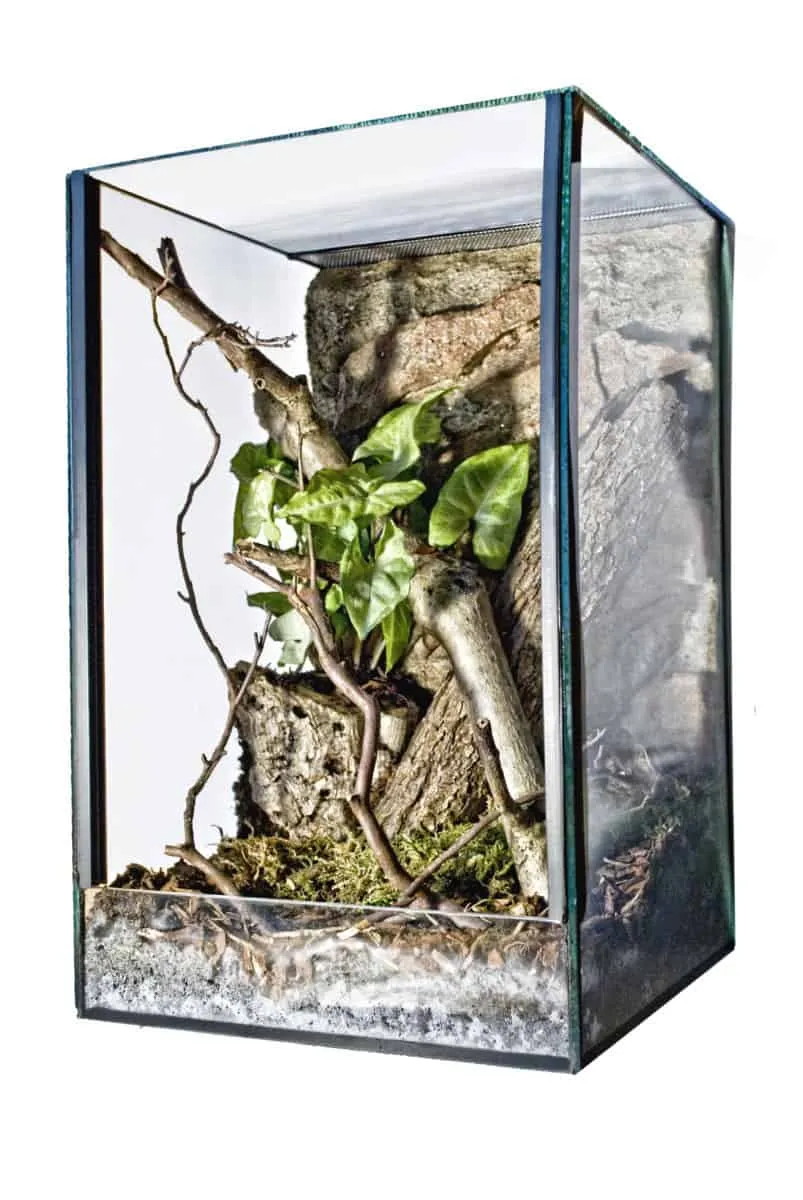
Understanding Tarantula Enclosure Needs
Choosing the right enclosure is a fundamental aspect of responsible tarantula ownership. A well-suited enclosure provides not only a safe and secure environment for your pet but also directly impacts its health, well-being, and overall longevity. Understanding the specific needs of your tarantula species is the first and most crucial step. This includes knowing its natural habitat, its size at maturity, and its preferred lifestyle (e.g., terrestrial, arboreal, or fossorial). Failing to provide the right enclosure can lead to stress, behavioral issues, and even health problems for your eight-legged friend. This guide aims to help you navigate the complexities of selecting the perfect tarantula enclosure, ensuring your pet thrives in a comfortable and stimulating habitat.
Why Enclosure is Crucial for Tarantulas
The enclosure serves as your tarantula’s entire world, and its design directly influences the spider’s ability to thrive. It provides a secure barrier that protects the tarantula from predators and environmental hazards, allowing it to feel safe and secure. A properly designed enclosure also helps to regulate critical environmental factors such as temperature, humidity, and ventilation, all of which are essential for the tarantula’s health. Furthermore, the enclosure offers the opportunity to create a stimulating environment that caters to the spider’s natural behaviors, encouraging exploration, hunting, and the establishment of a comfortable retreat. A well-chosen enclosure is therefore far more than just a container; it is a sanctuary that fosters your tarantula’s physical and psychological well-being.
Factors Impacting Enclosure Choice

Several key factors should guide your decision when selecting a tarantula enclosure. The size of the enclosure must be appropriate for the size of your tarantula, allowing ample space for movement and exploration without being so large that it feels exposed and insecure. The material of the enclosure is another critical consideration, with glass and acrylic being the most common options. Ventilation is essential to prevent the buildup of harmful gases and to maintain proper humidity levels. Furthermore, the enclosure should incorporate essential features like a secure lid to prevent escapes, appropriate substrate to support burrowing or provide a suitable surface, and decor such as hides and climbing structures to enrich the environment. Carefully considering these elements will help you create a tarantula enclosure that meets all your pet’s needs.
Size and Species Specifics
The ideal enclosure size varies depending on the species and the size of your tarantula. As a general rule, the enclosure should be at least twice the tarantula’s leg span in width and length. For arboreal species, height is also an important consideration, as they will need space to climb. Always research the specific requirements of your tarantula species. Some species, especially larger ones, require significantly larger enclosures than others. Juvenile tarantulas need smaller enclosures initially, but they will require upgrading as they grow. Overly large enclosures can make it difficult for juveniles to find food and feel secure. Regularly assess your tarantula’s growth and adjust the enclosure size accordingly to ensure optimal living conditions.
Choosing the Right Material
The material of your tarantula enclosure impacts its durability, ease of maintenance, and the overall environment. Glass and acrylic are the most popular choices, each with their own advantages and disadvantages. Understanding the pros and cons of each material will help you select the best option for your tarantula. Factors to consider include the material’s clarity, its ability to retain heat and humidity, its resistance to scratches, and its overall cost. Additionally, consider the safety of the material for your tarantula, ensuring it is non-toxic and free of sharp edges. Your choice should align with your budget and your ability to maintain the enclosure.
Glass Enclosures Advantages and Disadvantages
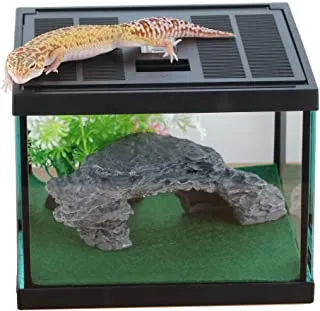
Glass enclosures are a common choice due to their clarity, allowing for excellent viewing of your tarantula. They are relatively easy to clean and are typically more resistant to scratches than acrylic. Glass also offers good heat retention, which can be beneficial in maintaining the proper temperature for your tarantula. However, glass enclosures can be heavier and more fragile than acrylic ones, and the weight can be a significant factor if you have multiple enclosures. Glass can also be a poor insulator, potentially leading to temperature fluctuations. Additionally, the smooth surface of glass may make it more difficult for some tarantulas to climb and create a secure grip. The cost of glass enclosures can also be a consideration, often being slightly higher than their acrylic counterparts.
Acrylic Enclosures Benefits and Drawbacks
Acrylic enclosures offer several advantages, including being lightweight, durable, and less prone to shattering than glass. Acrylic is also a better insulator than glass, helping to maintain a more stable temperature within the enclosure. Acrylic enclosures are generally more resistant to scratches, and they can come in a wider variety of shapes and sizes. The clarity of acrylic is generally excellent, allowing for clear viewing of your tarantula. However, acrylic enclosures can be more expensive than glass alternatives. Acrylic is also more prone to static electricity, which can attract dust and make the enclosure appear less clean. Some cleaning agents can damage acrylic surfaces, so it is crucial to use appropriate cleaning products specifically designed for this material.
Other Enclosure Materials Considerations
While glass and acrylic are the most popular choices, other materials can be used for tarantula enclosures. Plastic tubs are a cost-effective option, particularly for juveniles or for temporary housing. However, ensure the plastic is non-toxic and has adequate ventilation. Wooden enclosures can be aesthetically pleasing, but they require careful sealing to prevent moisture damage and should be constructed from non-toxic wood. Mesh enclosures are sometimes used for arboreal species, providing excellent ventilation, but they may not retain humidity well and can pose a risk to the tarantula’s delicate pedipalps and legs. Regardless of the material, prioritize safety, ventilation, and the ease of maintaining the appropriate environment for your tarantula.
Essential Enclosure Features

Beyond the enclosure material and size, several features are crucial for creating a suitable habitat for your tarantula. Ventilation, substrate, and decor all play a vital role in ensuring your pet’s health and well-being. Proper ventilation prevents the buildup of harmful gases and helps regulate humidity. The substrate provides a suitable surface for burrowing (for terrestrial and fossorial species) and helps maintain humidity levels. Decor offers enrichment, provides hiding places, and allows your tarantula to exhibit natural behaviors. By carefully considering these essential features, you can create an enclosure that closely mirrors your tarantula’s natural habitat.
Ventilation Importance
Adequate ventilation is essential for the health of your tarantula. Poor ventilation can lead to the buildup of ammonia and other harmful gases produced by waste decomposition. It also helps to regulate humidity levels, preventing the enclosure from becoming overly humid, which can foster the growth of mold and bacteria. The type of ventilation needed varies depending on the species and the enclosure design. Cross-ventilation, with vents on opposite sides of the enclosure, is often the most effective. Ensure that the ventilation openings are small enough to prevent escapes. For arboreal species, ventilation near the top of the enclosure is often beneficial, while terrestrial species may benefit from ventilation closer to the substrate. Proper ventilation contributes significantly to the overall health and longevity of your tarantula.
Substrate Selection
The substrate is the bottom layer of your tarantula’s enclosure, and it serves several vital functions. It absorbs waste, helps to maintain humidity, and provides a surface for the tarantula to walk on. For burrowing species, the substrate must also be deep enough to allow for digging. A variety of substrate options are available, and the best choice depends on your tarantula’s species and habitat needs. Common options include coco coir, peat moss, vermiculite, and potting soil (without fertilizers). Avoid substrates that are dusty, chemically treated, or that can harbor mites. The substrate should be replaced regularly to prevent the buildup of waste and to maintain a healthy environment. Consider the moisture retention capabilities of the substrate when determining how often to mist or add water.
Decor and Hiding Spots

Providing decor and hiding spots is crucial for enriching your tarantula’s environment and allowing it to express natural behaviors. Hiding places provide a sense of security, reducing stress and allowing the tarantula to feel safe. These can include cork bark, artificial plants, or commercially available hides. Climbing structures, such as branches or rocks, are beneficial for arboreal species. Ensure that any decor is non-toxic, free of sharp edges, and securely placed to prevent injury. The decor should also be appropriate for the species, mimicking its natural habitat as closely as possible. Providing a stimulating and varied environment will encourage your tarantula to explore and engage in natural behaviors, contributing to its overall well-being.
Temperature and Humidity Control
Maintaining the correct temperature and humidity levels is essential for the health and well-being of your tarantula. Tarantulas are ectothermic, meaning they rely on their environment to regulate their body temperature. Improper temperature and humidity can lead to stress, molting problems, and even death. Understanding your tarantula’s specific requirements is crucial. The methods for controlling temperature and humidity vary, but generally involve the use of heating devices, proper ventilation, and regular misting. Monitoring these factors with a thermometer and hygrometer is vital to ensure you are maintaining the correct conditions.
Heating Methods for Tarantulas
The most common method for heating tarantula enclosures is using heat mats or ceramic heat emitters. Heat mats should be placed on the side of the enclosure, never directly under it, to avoid overheating the substrate and potentially harming the tarantula. Ceramic heat emitters provide a more general heat source and can be used in conjunction with a thermostat to maintain a consistent temperature. Avoid using incandescent bulbs as a primary heat source, as they can produce excessive heat and dry out the enclosure. The ideal temperature range varies depending on the species, so research the specific requirements of your tarantula. Always monitor the temperature with a thermometer to ensure it remains within the desired range.
Maintaining Humidity Levels
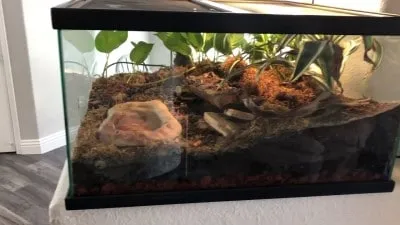
Humidity levels are crucial for the health and successful molting of tarantulas. Maintaining the correct humidity levels involves a combination of factors, including substrate type, ventilation, and misting. The appropriate humidity level varies depending on the species. Many species thrive in humidity levels between 60% and 80%. Use a hygrometer to monitor humidity levels. Regular misting with dechlorinated water is often necessary to maintain the correct humidity, especially in enclosures with good ventilation. However, avoid over-misting, as excessive humidity can lead to mold and bacterial growth. The substrate also helps to maintain humidity, and selecting a substrate with good moisture retention capabilities is essential. Adjust the misting frequency based on the species’ needs and the ambient conditions.
Top Tarantula Enclosure Brands
Several reputable brands offer high-quality tarantula enclosures, each with its strengths and weaknesses. Consider brands known for their durability, ventilation, and ease of use. Researching different brands and models will help you to find an enclosure that meets your specific needs and budget. Consider factors such as the material used, the design features, and the overall build quality. Reading reviews from other tarantula keepers can provide valuable insights into the performance and reliability of various enclosure brands. Some of the most popular and well-regarded brands include those offering both glass and acrylic enclosures in various sizes and configurations. Carefully compare the different options before making your final decision to ensure the best possible habitat for your pet.
Recommended Enclosure Models
Several enclosure models are highly recommended by experienced tarantula keepers. These models often balance functionality, ease of maintenance, and affordability. When selecting a model, consider the needs of your specific tarantula species and the size of the enclosure. Look for models that offer good ventilation, secure lids, and easy access for feeding and cleaning. The availability of replacement parts and the overall build quality are also important considerations. By researching recommended models and reading reviews, you can make an informed decision. Some popular models are known for their excellent ventilation, secure closures, and durable construction, making them ideal choices for tarantula enthusiasts. Remember to always prioritize the safety and comfort of your tarantula when making your choice.
Where to Buy Tarantula Enclosures

Tarantula enclosures can be purchased from a variety of sources, both online and offline. Each option has its advantages and disadvantages. Online retailers often offer a wider selection of enclosures and competitive prices, but you won’t be able to see the enclosure in person before you buy it. Local pet stores may have a more limited selection, but you can inspect the enclosures before purchase and often get expert advice. Consider the convenience, the price, and the selection when deciding where to buy your tarantula enclosure. Regardless of where you purchase, always prioritize safety, ensuring the enclosure is appropriate for your tarantula’s species and size.
Online Retailers for Enclosures
Online retailers offer a convenient way to shop for tarantula enclosures, with a vast selection and often competitive pricing. Major online marketplaces and specialty pet stores typically carry a wide range of enclosures, from basic models to more advanced setups. When shopping online, carefully review the product descriptions, dimensions, and customer reviews. Make sure to factor in shipping costs and lead times, and be sure to choose a reputable retailer with a good return policy. Take the time to compare prices from different retailers to find the best deal. Online retailers offer a convenient way to compare a wide variety of options to find the perfect enclosure for your tarantula. Prioritize secure packaging and reliable delivery when purchasing online.
Local Pet Stores and Their Offerings
Local pet stores offer the advantage of allowing you to see the enclosures in person before you buy them. This allows you to assess the quality, ventilation, and overall suitability of the enclosure for your tarantula. Local pet stores can also offer valuable advice and assistance from knowledgeable staff. However, the selection at local pet stores may be more limited compared to online retailers, and the prices may be slightly higher. Before visiting a local pet store, consider calling ahead to check their inventory and ensure they have the type of enclosure you are looking for. Supporting local businesses can be beneficial, and you can often build a relationship with the staff, which can be helpful for future needs. Comparing the options available in person before making a decision can be very helpful.
Setting Up and Maintaining Your Enclosure

Once you have selected your tarantula enclosure, the next step is to set it up and maintain it properly. This involves preparing the enclosure with the appropriate substrate, decor, and environmental controls. You should also establish a regular cleaning and maintenance routine to keep the enclosure clean and healthy. Properly setting up and maintaining the enclosure is essential for the well-being of your tarantula, ensuring that it has a safe, comfortable, and stimulating habitat. This will also contribute to its health and longevity, allowing you to enjoy your pet for years to come. Regular maintenance will also help prevent the buildup of harmful bacteria and other issues.
Cleaning and Maintenance Routine
Establishing a regular cleaning and maintenance routine is crucial for the health of your tarantula and the cleanliness of the enclosure. Spot clean the enclosure daily to remove any uneaten food, waste, and other debris. Replace the substrate periodically, depending on the species and the substrate type. A good rule of thumb is to replace the substrate every 6-12 months. Clean the enclosure walls and decor regularly, using a mild, pet-safe cleaner. Avoid using harsh chemicals, which can harm your tarantula. Monitor the humidity and temperature levels regularly, adjusting them as needed to maintain the correct environment. Consistent maintenance ensures the enclosure remains a safe and healthy environment for your pet. A well-maintained enclosure minimizes the risk of disease and ensures the overall well-being of your tarantula.
Addressing Common Enclosure Problems
Even with proper care, you may encounter certain problems with your tarantula enclosure. Mold growth is a common issue, often caused by excessive humidity or poor ventilation. If you spot mold, remove the affected substrate and clean the enclosure thoroughly. Mites can also be a problem, often introduced through the substrate or decor. If you suspect mites, isolate your tarantula and thoroughly clean the enclosure, replacing the substrate. Addressing issues like excessive dryness or humidity is also important. Learn to recognize the signs of stress in your tarantula, such as lack of appetite, hiding, or unusual behavior. If you have any concerns, consult with an experienced tarantula keeper or a veterinarian specializing in exotic pets. Promptly addressing any problems will help ensure your tarantula remains healthy and happy.