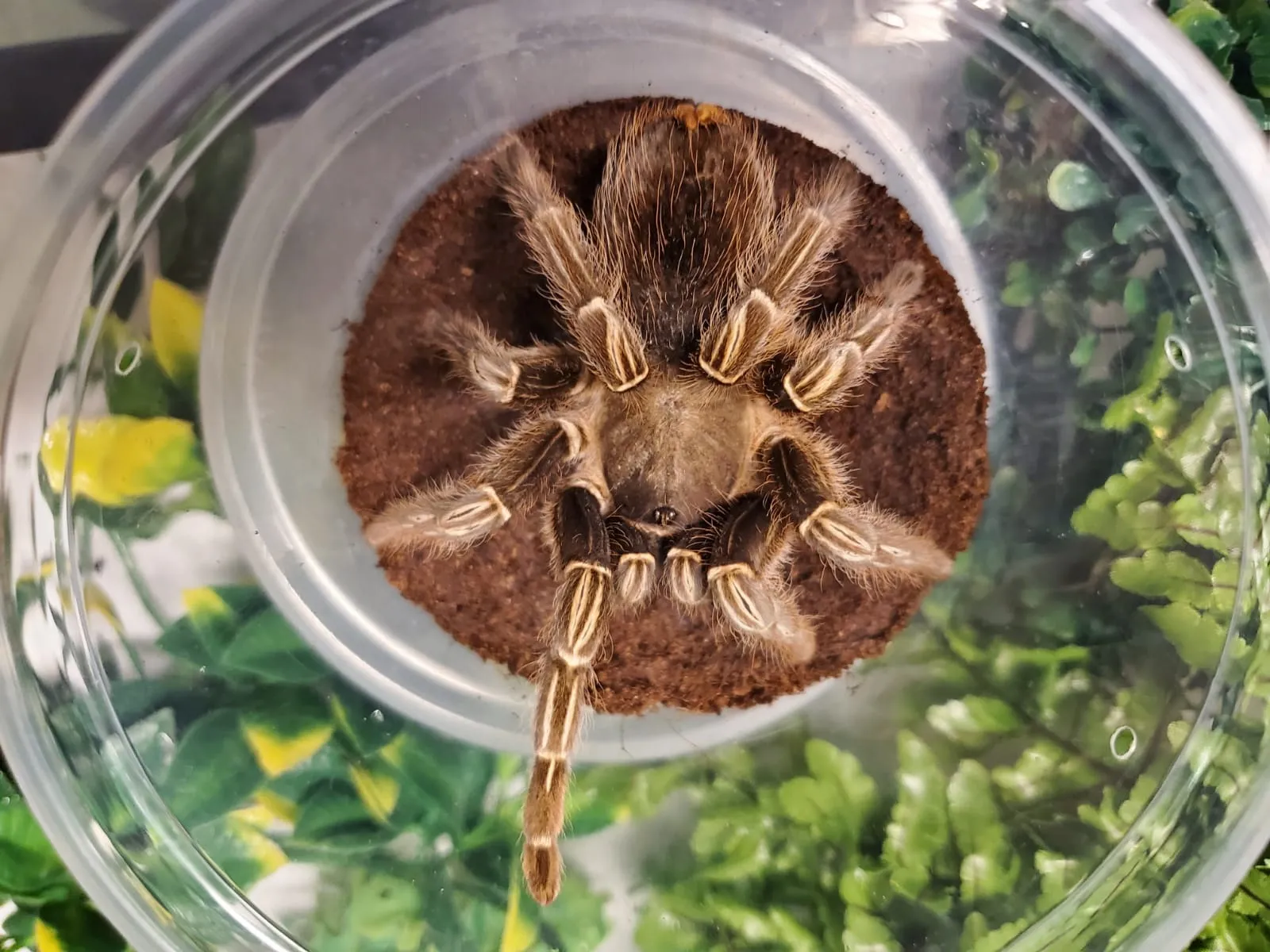
Red Knee Tarantula Bedding The Essentials
Choosing the right bedding for your Red Knee Tarantula (Brachypelma hamorii) is crucial for its health and well-being. The substrate you select plays a vital role in providing the proper environment, regulating humidity, and allowing your tarantula to express its natural behaviors, such as burrowing. This guide will walk you through the essentials of selecting and maintaining the perfect bedding for your beloved pet, ensuring a happy and healthy life. Proper bedding helps mimic their natural environment. Consider these factors when selecting your tarantula’s substrate, focusing on what is best for the animal’s well-being and your ease of maintenance.
Why Bedding Matters for Your Tarantula
The substrate in your Red Knee Tarantula’s enclosure is far more than just a floor covering; it’s a cornerstone of their habitat. It serves several critical functions that directly impact the spider’s health and behavior. Bedding helps to absorb moisture, which is essential for maintaining the correct humidity levels. This is particularly important for Red Knee Tarantulas, as they require a specific humidity range to thrive. A suitable substrate also provides a surface for the tarantula to grip and move around on, and in many cases, offers a material for burrowing, allowing them to express natural behaviors and feel secure. In essence, the correct bedding is fundamental for the health and happiness of your tarantula.
Humidity Control

Maintaining the correct humidity levels is critical for the molting process and overall health of your Red Knee Tarantula. The substrate acts as a reservoir for moisture, slowly releasing it into the enclosure to maintain the required humidity. To increase humidity, you can lightly mist the substrate with dechlorinated water, but avoid over-saturating it, as this can lead to mold growth. Humidity levels should be monitored using a hygrometer. The substrate’s ability to absorb and release moisture is a key factor in creating a stable and healthy environment for your tarantula.
Burrowing and Enrichment
Red Knee Tarantulas are known to burrow, especially when they are young or during molting. Providing a substrate that allows for burrowing gives them a sense of security and allows them to express natural behaviors. The depth and type of substrate are important considerations for burrowing. A substrate like coconut fiber or a mix of coconut fiber and peat moss works well. Enrichment can also be added to the habitat by including decorations such as cork bark or artificial plants, providing the tarantula with more opportunities to explore and feel secure. This stimulation is essential for their well-being.
Choosing the Right Substrate for Your Red Knee Tarantula
Selecting the right substrate is a crucial decision. The best bedding will provide a balance of moisture retention, burrowing ability, and ease of maintenance. Several substrates are commonly used, each with its own advantages and disadvantages. The best choice will depend on your individual preferences, the size of the enclosure, and the specific needs of your tarantula. Considering the long-term health of your Red Knee Tarantula means researching your options and preparing the right habitat for a happy, healthy life.
Coconut Fiber

Coconut fiber, also known as coco coir, is a popular and versatile substrate for Red Knee Tarantulas. It is made from the husks of coconuts and is readily available in pet stores. It provides excellent moisture retention, making it ideal for maintaining the humidity levels required by these tarantulas. It also allows for burrowing, which is a natural behavior. Coconut fiber is generally considered safe and environmentally friendly, as it is a sustainable product. It is relatively inexpensive and easy to find. A good quality coconut fiber is essential to avoid introducing any harmful chemicals into your tarantula’s habitat.
Pros and Cons of Coconut Fiber
- Excellent moisture retention
- Allows for burrowing
- Relatively inexpensive
- Environmentally friendly
- Can be prone to mold if over-saturated
- May need to be replaced more frequently compared to other substrates
Eco Earth
Eco Earth is a brand name for a type of coconut fiber substrate. It is pre-processed and often comes in a compressed brick form that expands when water is added. Eco Earth is a very convenient option for tarantula keepers because it is easy to use and provides the same benefits as regular coconut fiber, including good moisture retention and burrowing capabilities. It’s also a clean and safe substrate, reducing the risk of introducing pests or contaminants into your tarantula’s enclosure. Eco Earth is available in various sizes, making it suitable for different enclosure sizes.
Sphagnum Moss

Sphagnum moss is another substrate option, often used to provide localized humidity in the enclosure. It’s a natural product that retains moisture very well, which makes it suitable for helping to maintain humidity levels. It can be used in conjunction with other substrates, such as coconut fiber, to create a more complex habitat. Sphagnum moss is particularly useful in smaller enclosures or for newly molted tarantulas that need higher humidity. It is important to source high-quality sphagnum moss that is free from pesticides and chemicals.
Pros and Cons of Sphagnum Moss
- Excellent moisture retention
- Can be used to create localized humidity areas
- May require more frequent spot cleaning
- Can be prone to mold growth if not properly maintained
- Not ideal as a primary burrowing substrate
Other Bedding Options
While coconut fiber and sphagnum moss are the most common choices, other bedding options can also be used. These options may be suitable depending on individual preferences and the specific needs of the tarantula. These substrates might require a bit more care and consideration to ensure the proper environment is maintained.
Vermiculite
Vermiculite is a mineral that can be used as a substrate, although it is less common than coconut fiber or sphagnum moss. It is known for its excellent moisture retention and can be mixed with other substrates to increase humidity. Vermiculite is safe for tarantulas, but it may not be the best choice for burrowing. It can also be more difficult to clean compared to other substrates. The use of vermiculite is often seen in humidifying or breeding setups due to its moisture-retaining capabilities.
Peat Moss
Peat moss is another substrate option, although it is acidic and may not be ideal for all tarantula species. It can retain moisture well, making it suitable for increasing humidity. It can be mixed with other substrates to create a more complex habitat. Peat moss may not be the best choice for burrowing. It can also be more difficult to clean compared to other substrates. When using peat moss, ensure that it is high-quality and free from any additives.
Bedding Depth and Tank Size
The depth of the substrate and the size of the enclosure are important factors to consider when setting up your tarantula’s habitat. Both aspects directly impact the tarantula’s ability to burrow, regulate humidity, and feel secure. The right combination of these elements will provide the best environment for your pet.
Determining the Right Depth

The depth of the substrate should allow your Red Knee Tarantula to burrow comfortably. A general rule of thumb is to provide a substrate depth that is at least twice the tarantula’s leg span. This will allow them to create a burrow and feel secure. For juveniles, a depth of 2-3 inches may be sufficient. For adults, a depth of 4-6 inches or more is recommended. Adjust the depth depending on the size of the tarantula and its burrowing behavior. It is always better to err on the side of providing too much substrate rather than too little.
Tank Size Recommendations
The size of the enclosure should be appropriate for the size of your Red Knee Tarantula. A juvenile can start in a smaller enclosure, such as a 5-gallon tank, which is usually around 12x12x12 inches. As the tarantula grows, it will need a larger enclosure to accommodate its size and provide enough space for burrowing and exploration. An adult Red Knee Tarantula usually requires a tank that is at least 10-20 gallons. The enclosure should be wider than it is tall, as tarantulas are primarily terrestrial. Make sure the enclosure has a secure lid to prevent escape.
Maintaining and Cleaning Your Tarantula Bedding
Proper maintenance and cleaning are essential for maintaining a healthy and hygienic environment for your Red Knee Tarantula. Regular cleaning helps prevent the buildup of waste, mold, and bacteria, which can harm the tarantula. Regularly checking and maintaining the substrate will help prevent the risks of unhealthy living conditions.
Spot Cleaning

Spot cleaning should be performed regularly, usually every week or two, to remove any visible waste, such as uneaten food, molted exoskeletons, and feces. Use a pair of long tweezers or tongs to carefully remove these items from the enclosure. Be careful not to disturb your tarantula while cleaning. This will help to keep the enclosure clean and reduce the risk of bacteria and mold growth. Regular spot cleaning is a simple but important task.
Full Substrate Changes
The entire substrate should be replaced periodically, typically every 6-12 months, depending on the substrate type and the tarantula’s activity. Before replacing the substrate, remove the tarantula from the enclosure and place it in a temporary holding container. Thoroughly clean and disinfect the enclosure before adding fresh substrate. Dispose of the old substrate properly. This ensures that the enclosure remains clean and healthy for your pet. Full substrate changes are essential for maintaining the quality of the habitat.
When to Replace Bedding
There are several signs that indicate it’s time to replace your tarantula’s bedding. These include a foul odor, the presence of mold, or excessive waste buildup. If you notice any of these issues, replace the substrate immediately. Regular monitoring of the substrate’s condition will help you determine when a replacement is necessary. The frequency of substrate replacement also depends on the type of bedding and the size of the enclosure. It is always better to replace the substrate sooner rather than later to ensure the health of your tarantula.
Enhancing Your Tarantula’s Habitat

In addition to proper bedding, you can enhance your Red Knee Tarantula’s habitat with various enrichment items. This not only adds visual appeal to the enclosure but also provides environmental enrichment, stimulating your tarantula’s natural behaviors and making it feel more secure. Creating an engaging and stimulating environment can lead to a happier and healthier tarantula.
Providing the right bedding for your Red Knee Tarantula is a critical aspect of its care. By understanding the essentials of substrate selection, maintenance, and enrichment, you can create a thriving habitat for your pet, promoting its health and well-being. Remember to always prioritize the safety and comfort of your tarantula. Your tarantula will thrive with the right substrate and care.