Understanding Baby Tarantula Feeding
Feeding a baby tarantula might seem daunting at first, but with the right knowledge, it becomes a straightforward process. Baby tarantulas, also known as spiderlings, have specific dietary needs and require careful attention to ensure their healthy growth and development. This guide provides a comprehensive overview of how to feed a baby tarantula, covering everything from the types of food to offer, the frequency of feeding, and the environment needed to keep your spiderling thriving. Understanding their needs is the first step in becoming a responsible tarantula owner, and proper feeding is fundamental to their well-being.
Why is Proper Feeding Important for Baby Tarantulas
Proper feeding is crucial for the survival and healthy development of baby tarantulas. In the early stages of life, spiderlings are rapidly growing and require a consistent supply of nutrients to support their molting process and overall growth. A well-fed tarantula is more likely to molt successfully, which is vital for their physical development, and it’s less likely to encounter health issues related to deficiencies. Insufficient feeding can lead to stunted growth, weakened immune systems, and even death. Providing the correct diet helps ensure the spiderling reaches its full potential size and lives a long, healthy life. Moreover, a well-fed tarantula is generally more active and displays more of its natural behaviors, making it a more engaging pet.
What Do Baby Tarantulas Eat

Baby tarantulas are primarily insectivores, meaning their diet consists of insects. The most common and readily available food source for baby tarantulas is flightless fruit flies, specifically Drosophila melanogaster or Drosophila hydei. These small insects are an ideal size for spiderlings to consume easily. Other suitable options include pinhead crickets (very small crickets), pre-killed or very small mealworms, and freshly hatched, pre-killed or very small roaches. It is important to offer a variety of insects to ensure the tarantula receives a balanced diet and to avoid nutritional deficiencies. Always ensure that any insects offered are free from pesticides and other harmful chemicals that could be ingested by the tarantula.
Choosing the Right Food for Your Tarantula
When choosing food for your baby tarantula, consider several factors to ensure you’re providing the best nutrition. The insects should be appropriately sized for the tarantula to handle easily. Ensure that the insects are gut-loaded before offering them to your spiderling. Gut-loading involves feeding the insects a nutritious diet for at least 24 hours before feeding them to your tarantula. This practice enriches the insects with vitamins and minerals that will then be passed on to your tarantula. Avoid feeding your tarantula insects that are too large, as they can injure or stress the spiderling. It’s also best to avoid wild-caught insects due to the risk of parasites and exposure to pesticides. Always prioritize live, healthy, and appropriately sized prey.
Size Matters What Size Prey to Offer
The size of the prey is crucial for baby tarantulas. A general guideline is to offer prey that is no larger than the tarantula’s abdomen. For very small spiderlings, it’s best to start with flightless fruit flies, as they pose little threat and are easy for the tarantula to overpower. As the tarantula grows, you can gradually increase the size of the prey. Always observe your tarantula to see how it handles the food. If the tarantula struggles to subdue the prey or seems uninterested, the prey might be too large. It’s always better to offer smaller prey items more frequently than to offer large prey that the tarantula cannot handle. This reduces the risk of injury and ensures the spiderling receives adequate nutrition.
How Often Should You Feed a Baby Tarantula

The frequency of feeding depends on the age and size of the baby tarantula. Generally, spiderlings should be fed every other day to every third day. However, there are several factors influencing the ideal feeding schedule, and it’s important to watch the spider’s behavior and body condition. If the tarantula always seems hungry, you might need to increase the feeding frequency. If the tarantula is not eating, or if it refuses food for an extended period, it could be preparing to molt. Always remove uneaten prey after 24 hours to prevent stress for the tarantula and the risk of injury. Adjust your feeding schedule based on your tarantula’s specific needs and appetite.
Feeding Frequency Based on Spider’s Age
The feeding frequency often changes as the tarantula grows. Newly hatched spiderlings, known as slings, usually need to be fed more frequently, often every other day or even daily if they are consistently taking the prey. As the tarantula matures, the feeding frequency can be reduced. Juveniles (younger adults) can be fed two to three times a week. Adults often only need to be fed once a week or even less. Monitor the size of the abdomen; a tarantula with a plump abdomen is usually well-fed, while a thin abdomen may indicate it needs more food. Adjust the feeding schedule to suit your tarantula’s development stages, paying close attention to its appetite and molting cycles to optimize its growth and overall health.
Step-by-Step Guide to Feeding Baby Tarantulas
Feeding your baby tarantula involves a few simple steps. Firstly, prepare the prey by gut-loading them with nutritious food. Next, gently introduce the prey into the tarantula’s enclosure, ensuring that you do not disturb the spiderling. Observe the tarantula’s behavior to see if it shows interest in the prey. If the tarantula is hungry, it will typically approach the prey and strike. After the tarantula has eaten, remove any remaining prey to prevent the risk of injury or stress. If the tarantula is not interested in the prey, remove it after 24 hours and try again in a few days. Keep the enclosure clean and provide fresh water. A consistent and observant feeding routine will ensure the spiderling is well-nourished and happy.
Preparing the Feeding Environment

The feeding environment should be designed to minimize stress for the tarantula and to provide easy access to food. Place the enclosure in a quiet area away from heavy foot traffic and loud noises. The enclosure should have a suitable substrate, such as coconut fiber or vermiculite, to help maintain humidity and provide a natural environment. Provide a small water dish with fresh water, as hydration is as important as nutrition. When introducing the prey, open the enclosure carefully to avoid disturbing the spiderling. A clean enclosure and a suitable environment contribute to a healthy tarantula, encouraging feeding and overall well-being. Use a dedicated pair of tongs to avoid cross-contamination if you use pre-killed prey.
Introducing the Prey
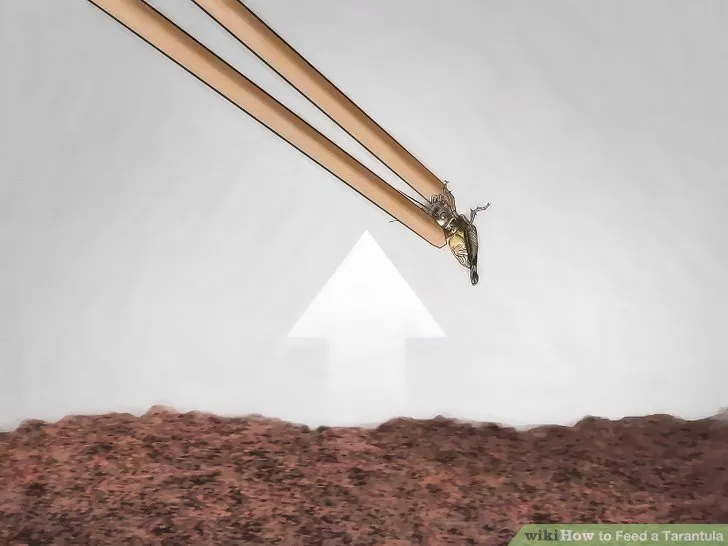
When introducing prey to your baby tarantula, it’s important to do so gently and carefully. If using live prey, release a few insects at a time into the enclosure, ensuring they cannot escape. Observe the tarantula’s reaction. Some spiderlings are naturally more shy than others. If your tarantula does not immediately show interest, give it some time. You can also gently nudge the prey towards the tarantula with a soft brush or a pair of tongs. If using pre-killed prey, use tongs to offer the insect directly to the tarantula. Always make sure the prey is appropriately sized and free from any harmful substances. A calm approach during feeding helps reduce stress and encourages successful feeding.
Post-Feeding Care
After feeding, observe your tarantula for a short period to ensure it has successfully eaten its meal. It’s essential to remove any uneaten prey within 24 hours to prevent potential harm to the spiderling. Monitor the enclosure conditions, including temperature and humidity, to ensure they remain optimal for the tarantula’s well-being. Make sure there is fresh water available at all times. During the molting process, which can occur after feeding, it’s essential to avoid disturbing the tarantula. Provide a calm environment, and do not offer food during this time. Proper post-feeding care significantly contributes to the health and longevity of your baby tarantula, helping it thrive in its environment. Ensure cleanliness and a suitable habitat.
Dealing with Uneaten Prey

Dealing with uneaten prey is a common part of baby tarantula care. If the tarantula does not eat the offered food within 24 hours, remove the prey immediately. Uneaten prey can stress the tarantula and may even injure it. Use a pair of long tongs to carefully remove any remaining insects. If the tarantula consistently refuses food, check the enclosure conditions, such as temperature and humidity. It might be preparing to molt, and this is normal behavior. If all conditions are ideal, try offering smaller prey items or a different type of insect. Monitor your spiderling’s behavior and appetite, as changes might indicate a need to adjust your care routine.
Common Feeding Mistakes to Avoid
Several common mistakes can impact the health of your baby tarantula. Avoid overfeeding, as this can cause the tarantula to become obese, leading to health problems. Do not offer prey that is too large; ensure the prey is appropriately sized for the tarantula’s abdomen. Always remove uneaten prey to prevent stress and potential harm. Avoid offering wild-caught insects, as they can carry parasites or be exposed to pesticides. Make sure that the water source is clean and readily available. Ensure the temperature and humidity levels are within the appropriate range for your tarantula’s species. Regularly assess the enclosure’s conditions, and make adjustments as needed to ensure optimal health.
Overfeeding and Underfeeding
Both overfeeding and underfeeding can be detrimental to your baby tarantula’s health. Overfeeding can lead to obesity, which can impact the tarantula’s mobility and ability to molt successfully. Underfeeding, on the other hand, can cause stunted growth, weakness, and even death. It’s important to find a balance based on the spiderling’s age, size, and appetite. Regularly monitor the tarantula’s abdomen; a plump abdomen usually indicates that it’s being fed appropriately. Adjust the feeding schedule as needed, keeping in mind that tarantulas can survive for extended periods without food. Observing and understanding your tarantula’s specific needs is crucial to avoid both overfeeding and underfeeding.
Signs of a Healthy, Well-Fed Tarantula

Knowing the signs of a healthy, well-fed baby tarantula will help you provide the best care. A healthy tarantula will have a plump abdomen, indicating that it’s getting adequate nutrition. The tarantula should be active and display normal behaviors, such as web-spinning or exploring its enclosure. A healthy tarantula will also molt regularly, shedding its exoskeleton to grow. Monitor the tarantula’s overall appearance; a shiny, vibrant exoskeleton indicates good health. Be attentive to its appetite. If the tarantula is consistently taking food and seems alert and energetic, it is usually a sign of a healthy, well-fed spiderling. Regular observation and attention to the spiderling’s physical condition are key.