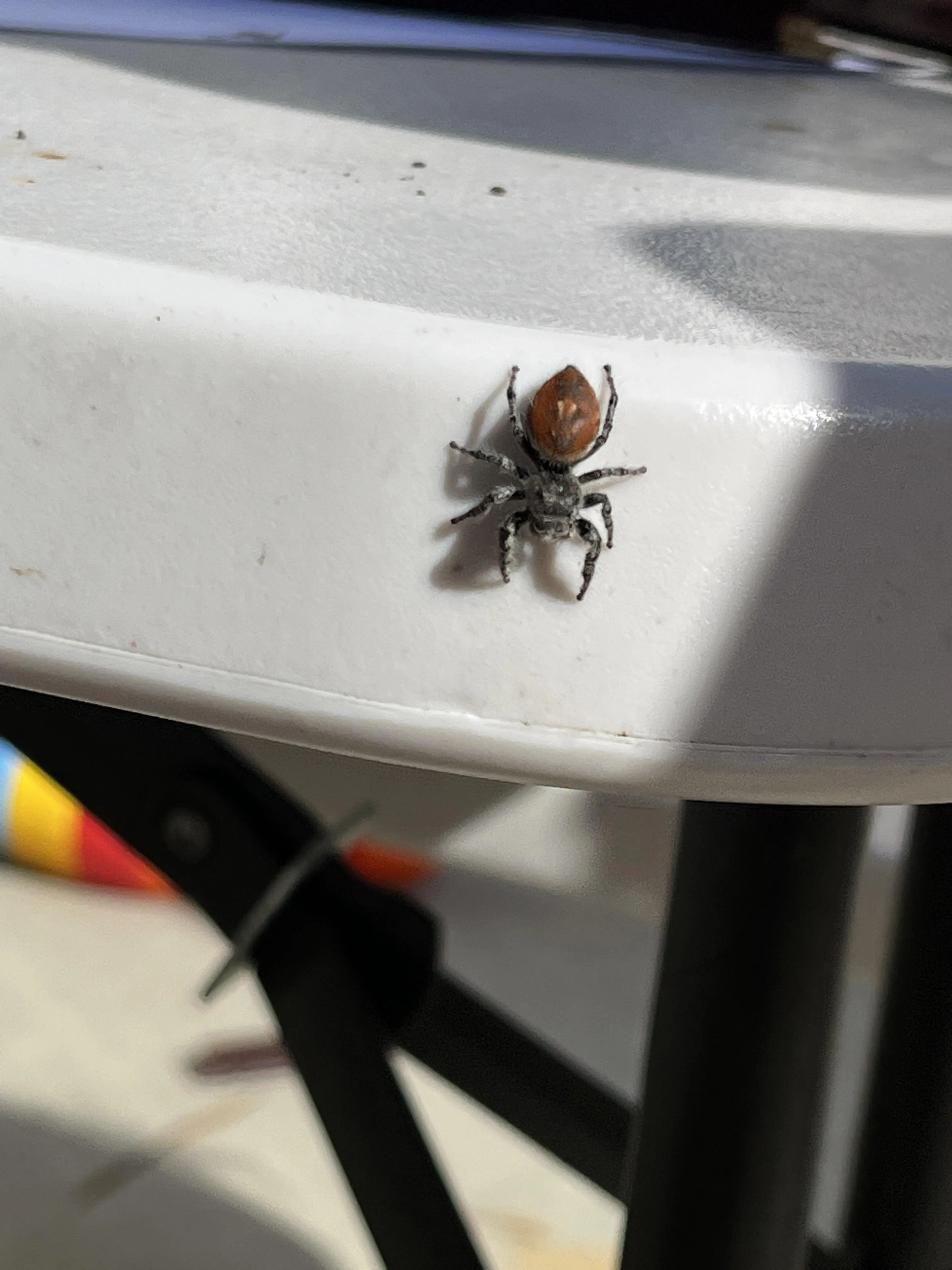
Baby Tarantula Care: An Overview
Caring for a baby tarantula, often called a spiderling, is a rewarding experience that requires dedication and knowledge. These fascinating creatures, despite their intimidating appearance, are relatively low-maintenance pets. However, their specific needs must be met to ensure they thrive. This comprehensive guide will provide you with all the essential information you need to successfully care for your baby tarantula, from choosing the right species and setting up their habitat to feeding, handling, and understanding their health requirements. Proper care not only ensures the spiderling’s survival but also allows you to witness the amazing process of growth and development, making it a captivating pet to keep. Remember, patience and observation are key to becoming a successful tarantula keeper.
Choosing Your Baby Tarantula
The first step in baby tarantula care is selecting the right species. Different species have varying temperaments, care requirements, and growth rates. Researching the species you are interested in is crucial. Consider your experience level, the space you have available, and your personal preferences. Some species are known for being more docile and easier to handle, while others are more defensive and best observed from a distance. The lifespan of a tarantula can also vary greatly depending on the species, with females generally living much longer than males. Understanding these factors will help you choose a baby tarantula that fits your lifestyle and provides you with the most enjoyable experience.
Species Selection

Popular beginner-friendly species include the Chilean Rose Hair tarantula (Grammostola rosea) and the Pinktoe tarantula (Avicularia avicularia). These species are known for their relatively calm temperaments and manageable care requirements. Before making a decision, research each species’ specific needs, including their preferred humidity, temperature, and dietary requirements. Consider also the adult size of the tarantula, as this will influence the size of the enclosure you’ll need. Other factors include the availability of the species in your area and any legal restrictions on keeping certain tarantula species in your location. Careful research at this stage can significantly impact your success as a tarantula keeper.
Where to Buy
Baby tarantulas can be acquired from reputable breeders, pet stores, or online vendors specializing in exotic pets. When choosing a source, prioritize those with a good reputation for health and ethical practices. Check for reviews and ensure the seller is knowledgeable about the species they offer. It’s crucial to observe the spiderling before purchase, looking for signs of health such as an active and alert demeanor, a plump abdomen (indicating it has been fed), and the absence of any visible injuries or mites. Avoid purchasing from sources that seem unprofessional or offer tarantulas at significantly lower prices than the average, as these may be signs of poor care practices.
Setting Up the Perfect Baby Tarantula Habitat
Creating a suitable habitat is essential for your baby tarantula’s health and well-being. The setup should mimic the tarantula’s natural environment to provide a comfortable and safe space. The enclosure should be appropriately sized, with the correct substrate, temperature, and humidity levels. Proper habitat setup not only supports the spiderling’s physical health but also reduces stress, promoting healthy behavior and growth. A well-designed habitat allows you to observe your tarantula’s natural behaviors and provides an aesthetically pleasing display for your home. This step is crucial for ensuring your baby tarantula thrives.
Enclosure Size and Type

The enclosure should be appropriately sized for a baby tarantula. A good rule of thumb is to provide a space that is at least three times the tarantula’s leg span in width. For spiderlings, small plastic containers or deli cups with secure lids are often sufficient. As the tarantula grows, you will need to upgrade to a larger enclosure. Ensure the enclosure has good ventilation to prevent mold and mildew growth. Ventilation can be achieved through small holes drilled in the lid or sides of the enclosure. Always ensure the enclosure is escape-proof, as tarantulas can be surprisingly adept at finding their way out of seemingly secure containers.
Substrate Selection
The substrate is the bedding material used in the enclosure and plays a crucial role in maintaining humidity levels, providing a place for the tarantula to burrow, and absorbing waste. Suitable substrates include peat moss, coconut fiber (coco coir), and a mixture of vermiculite and soil. The choice of substrate depends on the specific needs of your tarantula species. Ensure the substrate is clean and free of any harmful chemicals. The substrate should be deep enough to allow the tarantula to burrow if it is a terrestrial species. It should also be kept slightly moist to maintain the required humidity levels. Replace the substrate periodically to maintain hygiene and prevent the buildup of mold and bacteria.
Temperature and Humidity Control
Maintaining the correct temperature and humidity levels is vital for your baby tarantula’s health. Most tarantulas thrive in temperatures between 75-85°F (24-29°C). Use a thermometer to monitor the temperature inside the enclosure. In cooler environments, you may need to use a heat source, such as a heat mat placed on the side of the enclosure (never underneath), to maintain the desired temperature. Humidity levels vary depending on the species, but generally, they should be between 60-80%. Monitor humidity using a hygrometer. To increase humidity, mist the enclosure with water using a spray bottle, and provide a shallow water dish. Ensure the enclosure does not become excessively damp, as this can lead to mold and health problems.
Feeding Your Baby Tarantula

Feeding your baby tarantula correctly is crucial for its growth and development. The appropriate diet and feeding schedule will ensure the spiderling receives the necessary nutrients. Baby tarantulas have different dietary needs than adults, so understanding their requirements is important. Overfeeding can be as detrimental as underfeeding, so it is essential to find the right balance. Regular observation of the tarantula’s behavior and abdomen size will help you gauge whether it is being fed appropriately. Always provide fresh, clean water to aid in the digestive process.
What to Feed
Baby tarantulas primarily eat small insects. Good options include flightless fruit flies, pinhead crickets, and small mealworms. The size of the prey should be appropriate for the size of the tarantula; the prey should be no larger than the tarantula’s abdomen. Avoid feeding wild-caught insects, as they may carry parasites or pesticides. Gut-load the insects before feeding them to your tarantula to ensure they receive adequate nutrition. Gut-loading involves feeding the insects a nutritious diet for 24-48 hours before offering them to your tarantula. This process enriches the insects with vitamins and minerals.
Feeding Frequency
The feeding frequency for baby tarantulas varies depending on their age and species. Generally, spiderlings should be fed every 2-3 days. Observe your tarantula’s abdomen. A well-fed tarantula will have a plump abdomen, while a tarantula that is not eating enough will have a small abdomen. Avoid overfeeding, as this can lead to stress and health problems. If the tarantula refuses food, it may be in pre-molt and should be left undisturbed. Remove any uneaten prey within 24 hours to prevent stress to the tarantula and to maintain a clean enclosure. Adjust the feeding schedule as the tarantula grows and based on its individual needs.
Watering and Hydration

Providing fresh water is critical for a baby tarantula’s hydration and survival. A shallow water dish, such as a bottle cap or a small, flat dish, should always be available. Ensure the water dish is easy for the spiderling to access and cannot be easily tipped over. Change the water frequently to keep it clean. In addition to a water dish, you can mist the enclosure to increase humidity, which also provides a source of water for the tarantula. Always use dechlorinated water to avoid harming the spiderling. Monitor the humidity levels to ensure proper hydration. The correct humidity prevents dehydration and aids in the molting process.
Handling and Safety
Handling a baby tarantula should be approached with caution and only when necessary. While some tarantula species are relatively docile, others can be defensive and may bite if they feel threatened. Understanding the potential risks and taking appropriate precautions is essential for both your safety and the well-being of the tarantula. Handling should be kept to a minimum, as it can cause stress to the spiderling. When handling is necessary, always be prepared and proceed with care.
When to Handle
Generally, it’s best to avoid handling a baby tarantula unless absolutely necessary, such as when transferring it to a new enclosure or for a health check. Frequent handling can stress the spiderling and potentially lead to bites. If you must handle the tarantula, do so in a controlled environment, such as over a soft surface like a bed or a table covered with a blanket, to minimize the risk of injury if it falls. Always be gentle and avoid sudden movements, as these can startle the spiderling and make it more likely to bite or flee.
Safety Precautions

If you decide to handle your baby tarantula, there are several safety precautions to take. Always wash your hands thoroughly before and after handling to prevent the transfer of bacteria or chemicals. Avoid handling the tarantula if you have any cuts or abrasions on your hands, as this could increase the risk of infection from a bite. Be aware of the tarantula’s behavior and body language, as these can indicate its mood. A tarantula that is raising its front legs or displaying its fangs is a sign that it feels threatened. If the tarantula seems agitated, it’s best to leave it alone. Always handle the spiderling close to the ground to minimize the risk of a fall.
Common Health Issues and Care
Baby tarantulas, like all animals, can be susceptible to certain health issues. Being able to recognize these issues and take appropriate action is vital to the well-being of your pet. Regular observation of your tarantula’s behavior and appearance will help you identify any potential problems early on. Providing the correct environment and diet will help prevent many common health issues. When in doubt, consult with a veterinarian experienced in exotic pets for expert advice. Understanding the signs of illness and how to respond can greatly improve your tarantula’s chances of a healthy life.
Moulting Process
Moulting is a natural process in which tarantulas shed their exoskeleton to allow for growth. During this process, the tarantula may stop eating, become less active, and may even flip onto its back. This is perfectly normal. Do not disturb the tarantula during the molting process. Provide a moist environment to help the tarantula shed its old skin. After molting, the tarantula’s new exoskeleton will be soft and vulnerable. Do not feed the tarantula until its exoskeleton has fully hardened, usually about a week or two. The molting process is a crucial aspect of a tarantula’s life and a sign of healthy development.
Recognizing and Treating Illnesses

Common health issues include dehydration, mites, fungal infections, and injuries. Dehydration can be caused by low humidity or lack of access to water. Symptoms include a shrunken abdomen and lethargy. Treat dehydration by ensuring access to water and increasing humidity. Mites are small parasites that can infest tarantulas. Signs include small moving specks on the tarantula’s body. Treat mites by improving the enclosure hygiene and consulting with a veterinarian. Fungal infections can occur in enclosures with excessive moisture. Symptoms include discoloration and lethargy. Reduce humidity and improve ventilation. Injuries can occur from falls or bites from prey. Treat injuries by providing a clean environment and consulting with a veterinarian if necessary. Early detection and prompt treatment are crucial for successful outcomes.
Growing Up: From Baby to Adult Tarantula
Watching your baby tarantula grow into an adult is a rewarding experience. The growth process involves several stages, including molting, eating, and increasing the size of the enclosure as needed. As the tarantula matures, its care requirements will change, and you will need to adjust the environment and feeding schedule. Understanding these changes will enable you to provide the best possible care throughout the tarantula’s life. Observing the transformation from a small spiderling to a mature adult is a testament to your care and dedication.
Understanding Growth Stages
Baby tarantulas go through several molts as they grow, each time shedding their exoskeleton to reveal a larger version of themselves. The frequency of molting decreases as the tarantula matures. Growth rate varies depending on the species, with some species maturing faster than others. During the growth stages, observe your tarantula for signs of molting, such as lethargy, loss of appetite, and a darkening of the abdomen. Provide a stable and stress-free environment to support healthy growth. As the tarantula molts, the colors and patterns may change, offering a fascinating spectacle to observe.
Anticipating Changes
As your tarantula grows, you will need to anticipate changes in its care requirements. This includes upgrading the enclosure size as the tarantula gets larger. The adult enclosure should be significantly larger than the enclosure for the spiderling. Adjust the feeding schedule and the size of the prey as the tarantula grows. Monitor the temperature and humidity levels, and adjust the settings accordingly. Be prepared to adapt to the changing needs of your tarantula as it matures. Understanding these adjustments will ensure that your tarantula remains healthy and thrives throughout its life.