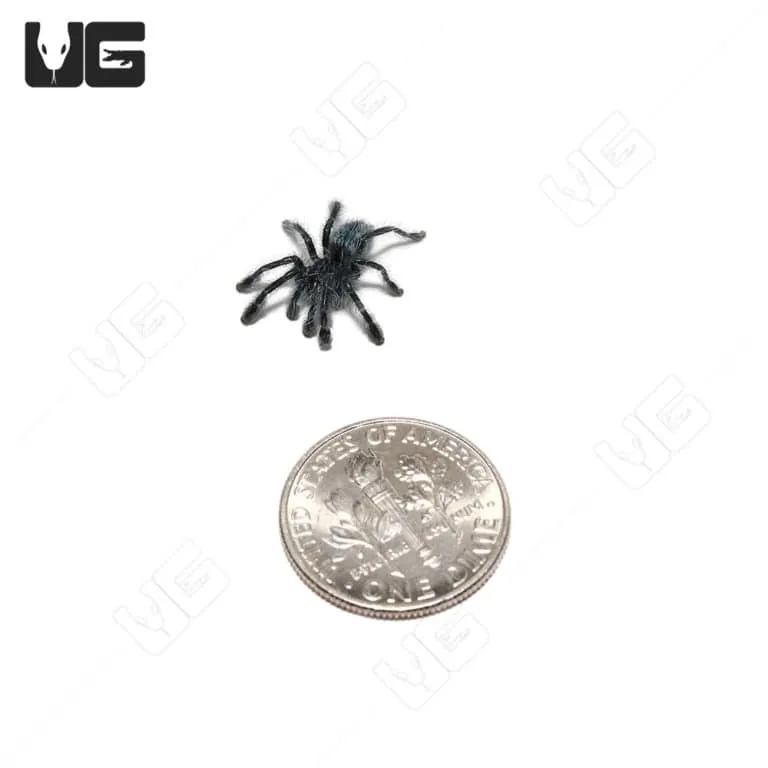
Antilles Pinktoe Tarantula Temperament Overview
The Antilles Pinktoe Tarantula (Caribena versicolor) is a captivating species, popular among tarantula enthusiasts due to its vibrant colors and relatively calm temperament. However, understanding their temperament is crucial for responsible ownership. These tarantulas, native to the Caribbean islands, are arboreal, meaning they spend most of their time in trees. Their temperament, while generally considered docile, can vary depending on several factors, including age, individual personality, and environmental conditions. This guide delves into the key aspects of their temperament, providing essential information for anyone considering or currently owning an Antilles Pinktoe Tarantula. It will debunk myths and offer practical advice to ensure a harmonious relationship with your eight-legged friend, making them a rewarding pet for the right owner. Learning about their behavior is the key to a successful and enjoyable experience with these fascinating creatures.
Fact 1 Understanding Antilles Pinktoe Tarantulas
Antilles Pinktoe Tarantulas are known for their relatively gentle nature compared to some other tarantula species. They are not prone to aggression but can exhibit defensive behaviors when feeling threatened. These tarantulas are typically more likely to flee or flick urticating hairs (tiny, irritating hairs) as a first line of defense, rather than biting. Understanding their natural behaviors is the first step to appreciating their temperament. They are naturally shy creatures, preferring to hide in their arboreal habitats. Their temperament is significantly influenced by their environment and the care they receive. A well-cared-for tarantula in a suitable habitat is more likely to exhibit a calm and relaxed demeanor, making them a joy to observe. It is important to remember that each tarantula has its unique personality, some being more outgoing than others.
Fact 2 Are Antilles Pinktoe Tarantulas Docile?

While often described as docile, the term needs careful interpretation. Antilles Pinktoe Tarantulas are not generally aggressive. They are more inclined to retreat or display defensive postures than to attack. Docility can vary among individuals. Factors like age, previous experiences, and environmental conditions play a role. Juvenile tarantulas may be more skittish than adults. A tarantula that feels safe and secure in its enclosure is more likely to be calm. It’s essential to avoid sudden movements or loud noises around them. This can be perceived as a threat. If startled, they may flick hairs or run, but biting is less common. The goal should be to provide a stress-free environment to encourage a relaxed demeanor. Regular handling, when done with care and respect, can sometimes help tarantulas become more accustomed to human interaction, but it’s never a guarantee of complete docility.
Fact 3 Defensive Behaviors of Antilles Pinktoe Tarantulas
Even with a generally docile temperament, Antilles Pinktoe Tarantulas exhibit defensive behaviors when they feel threatened. The most common defense mechanism is the flicking of urticating hairs. These tiny hairs are barbed and cause intense itching and irritation upon contact with skin or eyes. They flick them towards perceived threats. Another defensive posture involves raising their front legs and displaying their fangs as a warning. Biting is a last resort, rarely employed unless the tarantula feels cornered or severely threatened. The tarantula may also try to flee and hide. Understanding these behaviors is crucial to avoid stressing the tarantula and to handle them safely. Owners should be aware of these defensive mechanisms and take precautions to avoid triggering them. Creating a secure habitat and avoiding unnecessary disturbances can minimize these behaviors. Also, handling should be done on a surface that makes it easy for them to escape to their habitat.
Fact 4 Factors Influencing Temperament
Several factors influence an Antilles Pinktoe Tarantula’s temperament. The most important is the enclosure environment. A well-designed habitat that meets the tarantula’s needs, including appropriate temperature, humidity, and hiding places, is essential. The age of the tarantula is another factor, with juveniles often being more skittish than adults. Regular handling, when done carefully and respectfully, can help a tarantula become more accustomed to human interaction, but it is not always the case. The individual tarantula’s personality also plays a role. Some are naturally more outgoing or tolerant of handling than others. Avoid sudden movements, loud noises, or any actions that might startle the tarantula. Providing a varied diet and ensuring the tarantula is well-fed can contribute to a more relaxed demeanor. Stress is a key factor. A stressed tarantula is more likely to exhibit defensive behaviors. The goal is to create an environment where the tarantula feels safe and secure, which in turn, will often result in a calmer temperament.
Fact 5 Handling & Interaction

Handling Antilles Pinktoe Tarantulas should be approached with caution and respect. Regular handling is not necessary for their well-being. If you choose to handle your tarantula, do so gently and slowly. Always handle them over a soft surface to minimize the risk of injury if they fall. Encourage them to walk onto your hand rather than trying to pick them up. Avoid touching their fangs or abdomen. Be aware of the tarantula’s defensive behaviors. If it raises its front legs or flicks hairs, gently place it back into its enclosure. Wash your hands thoroughly after handling your tarantula to remove any urticating hairs. Always supervise children when they are near the tarantula enclosure. Remember, each tarantula has a unique personality, and some may never become comfortable with handling. Prioritize the tarantula’s well-being by respecting its boundaries and providing a stress-free environment.
Caring for Your Antilles Pinktoe Tarantula
Creating the Right Habitat
Creating the right habitat is essential for an Antilles Pinktoe Tarantula’s well-being and impacts its temperament. The enclosure should be appropriately sized, allowing ample space for climbing and movement. These are arboreal tarantulas, so height is more important than floor space. The enclosure should be well-ventilated to prevent the buildup of humidity and stale air. The substrate should consist of a mixture of substrate like coconut fiber, peat moss, and sphagnum moss. Provide plenty of climbing materials, such as branches, cork bark, and artificial plants, to mimic their natural arboreal habitat. Maintain appropriate temperature and humidity levels using a thermometer and hygrometer. Offer a shallow water dish for drinking. Provide a secure hide, such as a hollow log or a piece of cork bark, where the tarantula can retreat and feel safe. Regularly clean the enclosure by removing uneaten food and waste. A well-maintained habitat reduces stress and promotes a calm temperament.
Providing Proper Nutrition

Proper nutrition is crucial for the health and temperament of an Antilles Pinktoe Tarantula. Provide a varied diet of appropriately sized insects, such as crickets, roaches, and mealworms. Feed juvenile tarantulas 2-3 times per week, and adults once a week. Remove uneaten food within 24 hours to prevent mold and mites. Ensure the insects are gut-loaded before feeding them to your tarantula. Gut-loading involves feeding the insects nutritious food, such as vegetables and commercial insect food, to provide your tarantula with essential vitamins and minerals. Provide a shallow water dish with fresh, clean water at all times. Avoid overfeeding, as this can lead to obesity and other health problems. Monitor your tarantula’s body condition. A well-fed tarantula should have a plump abdomen. Adjust the feeding schedule based on its size and growth rate. A balanced diet and proper hydration contribute to a healthy tarantula and, consequently, a calmer temperament.
Regular Monitoring and Observation
Regular monitoring and observation are crucial for understanding your Antilles Pinktoe Tarantula’s temperament and overall health. Observe your tarantula’s behavior daily. Note any changes in its activity level, feeding habits, or posture. Look for signs of stress, such as excessive hiding, flicking hairs, or defensive postures. Monitor the enclosure’s temperature and humidity levels to ensure they are within the appropriate range. Inspect the enclosure for any signs of mold, mites, or other issues. Check your tarantula for any signs of illness or injury, such as lethargy, loss of appetite, or swelling. Watch for molting, as this is a vulnerable time for tarantulas. Document your observations in a journal to track changes over time. Consult with a veterinarian specializing in exotic animals if you have any concerns about your tarantula’s health or behavior. Consistent monitoring helps you identify potential problems early and ensure that your tarantula remains healthy and exhibits a calm temperament. Regular observation is key to recognizing any changes in their temperament.
Common Temperament Myths
Several myths surround the temperament of Antilles Pinktoe Tarantulas. One common myth is that all tarantulas are aggressive and dangerous. While they can exhibit defensive behaviors, they are generally not prone to attack. Another myth is that handling tarantulas frequently will make them docile. Excessive handling can actually stress them. The idea that all tarantulas are the same is also untrue. Each tarantula has its own personality. It is also a myth that tarantulas are low-maintenance pets. They require specific environmental conditions, proper feeding, and regular monitoring to thrive. Another myth suggests that a tarantula’s venom is deadly. Their venom is typically mild and not considered dangerous to humans. Understanding these myths is vital for responsible tarantula ownership, helping to dispel misconceptions and promoting realistic expectations. By debunking these myths, owners can better appreciate and care for their Antilles Pinktoe Tarantulas, fostering a positive and rewarding experience.