Albo Tarantula Care What You Need to Know
The Albo Tarantula, scientifically known as Aphonopelma seemanni, is a popular choice for beginner tarantula enthusiasts due to its relatively docile nature and striking appearance. Native to Central America, these terrestrial tarantulas are known for their black and white striped legs, making them a visually appealing pet. However, owning an Albo Tarantula is a significant responsibility, requiring specific care to ensure its health and longevity. This care sheet provides a comprehensive guide to help you successfully care for your Albo Tarantula, covering everything from enclosure setup and feeding to handling and health concerns. Proper care will not only keep your tarantula healthy but will also allow you to enjoy observing its fascinating behavior.
Choosing Your Albo Tarantula
Selecting a healthy Albo Tarantula is the first and one of the most important steps. Look for a tarantula that is active and alert, with a plump abdomen, and all its legs intact. Avoid tarantulas that appear lethargic, have a shrunken abdomen, or show signs of mites or other parasites. Examine the enclosure for any signs of poor hygiene or overcrowding. It is advisable to purchase your tarantula from a reputable breeder or pet store specializing in exotic pets. These vendors often have the experience and knowledge to provide healthy specimens and offer valuable advice on care. Moreover, ask about the tarantula’s feeding history and molting schedule, as this information can help you to anticipate its needs.
Where to Buy Your Albo Tarantula

You have several options for acquiring an Albo Tarantula. Local reptile stores are a common choice, providing a chance to see the tarantula before purchasing. Reputable breeders are also an excellent option, often offering healthier specimens and more specialized advice. Online marketplaces and classifieds can provide a wider selection, but it’s crucial to verify the seller’s reputation and ensure safe shipping practices. Always prioritize sellers with positive reviews and a history of successful sales. Avoid purchasing from sources that seem unprofessional or cannot provide detailed information about the tarantula’s origin and health.
Carefully inspect any Albo Tarantula you consider purchasing, watching for any signs of illness or distress. A healthy tarantula will move actively and have a well-rounded abdomen, which indicates it is well-fed. Make sure that the tarantula is not missing any limbs, and its fangs appear intact. Before taking your Albo Tarantula home, make sure you have already prepared its enclosure to ensure a smooth transition into its new environment. Having the necessary habitat ready minimizes stress for your new pet and sets you up for success.
What to Look For
When choosing an Albo Tarantula, there are several key indicators of health to look for. The abdomen should be a good size and not shrunken, as a small abdomen can indicate dehydration or underfeeding. The tarantula should be alert and responsive to its environment, not sluggish or unresponsive. Inspect the tarantula for mites, which appear as small, moving dots on the spider. Examine the enclosure itself for signs of cleanliness and adequate ventilation. A clean enclosure suggests that the seller is diligent about the tarantula’s care. Finally, request information on the tarantula’s molting history, feeding schedule, and overall behavior from the seller; this information is invaluable for ensuring proper care at home.
Essential Albo Tarantula Enclosure Setup
Setting up the perfect enclosure is critical for the health and well-being of your Albo Tarantula. The enclosure should mimic the tarantula’s natural habitat, providing appropriate temperature, humidity, and a sense of security. A well-designed enclosure will make your tarantula feel safe, reduce stress, and promote its natural behaviors. The size of the enclosure should be appropriate for the tarantula’s size, allowing for enough space to move around and build a burrow. The proper setup of the enclosure is not just about providing a habitat but creating an environment that fosters the tarantula’s well-being and natural behaviors. It’s crucial to consider several factors, including the size of the enclosure, substrate, temperature, and humidity.
Choosing the Right Enclosure

The size of the enclosure depends on the tarantula’s size. For a juvenile Albo Tarantula, a 5-10 gallon tank is generally sufficient. As the tarantula grows, you will need to upgrade to a larger enclosure, typically a 10-20 gallon tank for adults. The enclosure should be wider than it is tall, as Albo Tarantulas are terrestrial and prefer to roam along the ground. Make sure the enclosure has a secure lid to prevent escapes and adequate ventilation to maintain air circulation. The lid should have small holes or a screen top to allow for airflow and prevent the buildup of excessive humidity.
Substrate Selection
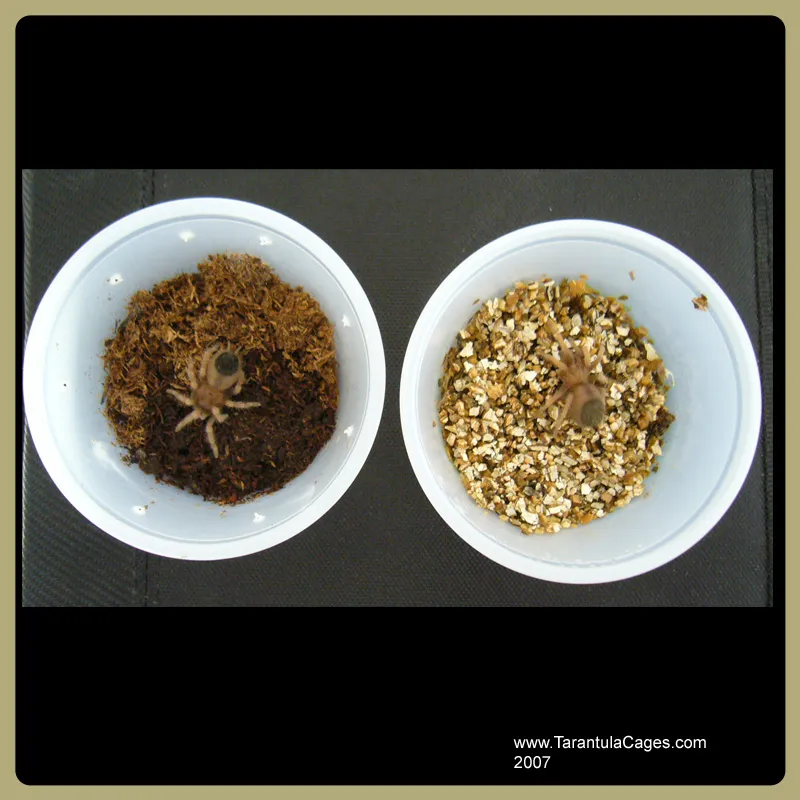
The substrate is the material that covers the bottom of the enclosure and is essential for creating a comfortable and functional habitat. Suitable substrate options include a mix of peat moss, vermiculite, and coconut fiber. This combination helps to retain moisture, allows the tarantula to burrow, and creates a naturalistic environment. The depth of the substrate should be several inches to allow the tarantula to burrow and create a secure hide. Avoid using substrates that contain pesticides or fertilizers, as these can be harmful to your tarantula. The substrate should be spot-cleaned regularly to remove waste and uneaten food, and it should be fully replaced every few months to maintain hygiene and prevent the growth of mold or bacteria. Adding a few artificial or real plants can also enhance the enclosure’s aesthetics and provide additional hiding spots.
Temperature and Humidity Control
Maintaining the correct temperature and humidity levels is crucial for the Albo Tarantula’s health. The ideal temperature range is between 75-85°F (24-29°C). You can use a heat lamp or a heat mat placed on the side of the enclosure to maintain the desired temperature. Avoid placing the heat source directly under the enclosure, as this can cause the substrate to dry out too quickly. Humidity levels should be maintained between 65-75%. You can monitor the humidity using a hygrometer. To increase humidity, lightly mist the enclosure with dechlorinated water a few times a week, or add a water dish. Ensure there is adequate ventilation to prevent mold growth.
Providing Water

Clean, fresh water should always be available. Provide a shallow water dish that is wide enough for the tarantula to drink from but not so deep that it could drown. Change the water in the dish every few days to keep it fresh and prevent bacterial growth. It is advisable to use dechlorinated water or bottled water. Avoid using tap water, as it may contain chemicals that could harm your tarantula. Place the water dish on the substrate or partially bury it to provide stability.
Feeding Your Albo Tarantula
Feeding your Albo Tarantula is a straightforward process, but it’s essential to provide the right food and frequency to ensure its health. Albo Tarantulas are insectivores, meaning they eat insects. The diet should consist primarily of appropriately sized insects that are readily available. The tarantula’s size should be considered when choosing food, as well as the tarantula’s feeding frequency. Be careful to avoid overfeeding, and remember to remove any uneaten food promptly. Observe your tarantula’s behavior and adjust the feeding schedule accordingly to maintain a healthy diet.
What to Feed Your Albo Tarantula
The primary food source for Albo Tarantulas should consist of insects like crickets, dubia roaches, mealworms, and superworms. The size of the insects should match the tarantula’s body size; as a general rule, the food should be no larger than the tarantula’s body. It’s essential to dust the insects with a calcium and vitamin supplement before feeding them to your tarantula. This helps to provide essential nutrients and prevent nutritional deficiencies. Avoid feeding wild-caught insects, as they may carry parasites or diseases. It’s also recommended to remove any uneaten insects within 24 hours to prevent them from stressing the tarantula or harming it during a molt.
Feeding Frequency

The feeding frequency varies depending on the tarantula’s age and size. Spiderlings (young tarantulas) should be fed two to three times a week, while adults can be fed once or twice a week. Observe your tarantula’s abdomen; a plump abdomen indicates it is well-fed. If the abdomen appears shrunken, increase the feeding frequency. During molting, the tarantula will typically refuse food. Do not offer food during this time, as it can stress the tarantula. After molting, wait a few days before resuming feeding, allowing the tarantula’s fangs to harden.
Handling and Safety Tips for Albo Tarantulas
While Albo Tarantulas are generally docile, it’s essential to handle them with care and caution. Tarantulas have fangs and can bite if they feel threatened, and their urticating hairs can cause skin irritation. Understanding their behavior and following safety guidelines will minimize the risk of bites and ensure a positive experience for both you and your tarantula. Always approach your Albo Tarantula calmly and slowly. Never make sudden movements or loud noises, as this can startle the tarantula. Be prepared to set the tarantula back in its enclosure if it acts stressed. It’s better to err on the side of caution.
Understanding Albo Tarantula Behavior
Albo Tarantulas are generally calm, but they can exhibit defensive behaviors if they feel threatened. Understanding their behavior can help you avoid stressful situations. A defensive posture may include raising their front legs, flicking their urticating hairs (small, irritating hairs), or, in rare instances, attempting to bite. If your tarantula displays a defensive posture, it’s best to leave it alone. Observe your tarantula’s behavior, and if it appears stressed or agitated, give it space and allow it to calm down. Avoid any actions that might trigger a defensive reaction, such as poking or prodding the tarantula.
Potential Health Issues

Albo Tarantulas, like all living creatures, can be susceptible to health issues. Regular observation and preventative measures are crucial to keeping your tarantula healthy. Common health problems can include parasites, fungal infections, or injuries. If you see any signs of illness, such as loss of appetite, lethargy, or unusual behavior, seek advice from a vet experienced with exotic pets. Preventative measures include maintaining a clean enclosure, providing a proper diet, and controlling humidity levels.
Shedding Process
Molting is a natural process where tarantulas shed their exoskeleton to grow. During molting, the tarantula becomes vulnerable. Signs of an impending molt include the tarantula refusing food, becoming lethargic, and its abdomen appearing dark. It may also start constructing a web mat. Avoid disturbing your tarantula during molting. Provide a humid environment to aid the process. After molting, the tarantula will be soft and vulnerable for a few days, allowing its new exoskeleton to harden. Do not feed your tarantula until its fangs have hardened, typically after a week.
The molting process is a critical part of the Albo Tarantula’s life cycle. During the molt, the tarantula sheds its old exoskeleton, revealing a new, larger one. The entire process can take several hours to several days, depending on the tarantula’s size and age. During molting, the tarantula will typically lie on its back. Do not try to assist your tarantula during the molting process, as this could be harmful. After molting, the tarantula will be very vulnerable, and its fangs will be soft, so be sure to handle it with care.
Common Diseases
Although Albo Tarantulas are hardy, they can be susceptible to certain diseases. Mites, which appear as tiny moving dots on the tarantula, are a common problem. These can be treated with appropriate products. Fungal infections can also occur if the enclosure is too humid or the substrate is not clean. Watch for signs of illness, such as loss of appetite, lethargy, or unusual behavior. If you notice anything unusual, contact a veterinarian with experience in exotic animals for assistance.
Maintaining Your Albo Tarantula’s Habitat

Regular maintenance is essential to keep your Albo Tarantula healthy and thriving. This includes cleaning the enclosure, monitoring the temperature and humidity, and providing fresh water. A clean and well-maintained habitat not only enhances your tarantula’s health but also makes it more pleasant to observe. Routine maintenance includes removing any uneaten food, spot-cleaning the substrate, and providing fresh water. Proper habitat maintenance will help ensure a long and happy life for your Albo Tarantula.
Consistent monitoring of your tarantula’s enclosure will help you to detect any potential issues early. Regularly check the temperature and humidity levels using a thermometer and hygrometer, making sure that they stay within the recommended range. Also, check the enclosure for any signs of mold, which can occur if the humidity is too high or if there’s poor ventilation. Maintaining a clean environment and proper temperature and humidity levels will make your Albo Tarantula healthy and thriving. By following this care sheet, you’ll be well-equipped to provide your Albo Tarantula with the best possible care, ensuring a rewarding experience for both you and your fascinating pet.