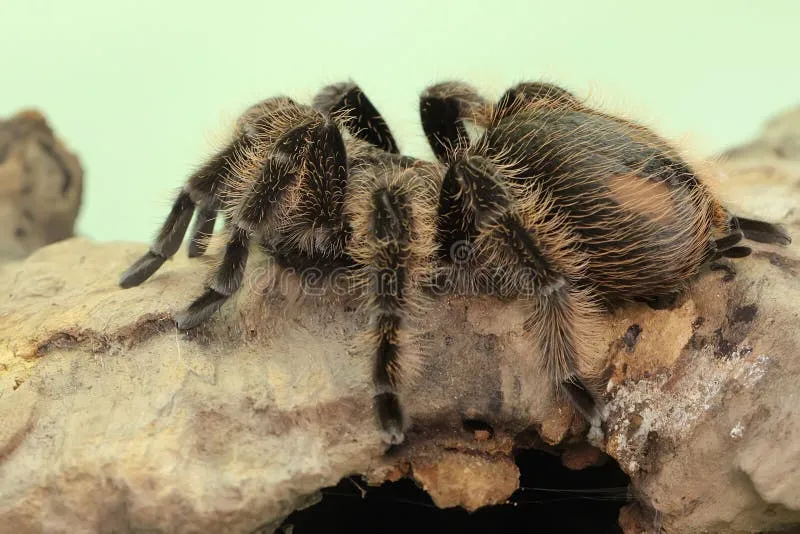
The world of tarantulas is fascinating, filled with diverse species, each with unique characteristics. However, potential tarantula owners must understand that some of these arachnids can display aggressive behaviors. This guide explores the top 5 most aggressive tarantulas, helping you make informed decisions before purchasing one. We’ll delve into what makes a tarantula aggressive, common aggressive species, and responsible ownership practices. This information will help you provide a safe and enriching environment for both you and your eight-legged friend.
What Makes a Tarantula Aggressive
Tarantula aggression isn’t simply a matter of being ‘mean’; it’s a complex response to perceived threats or stressors. Understanding these triggers is crucial for responsible pet ownership. Several factors contribute to a tarantula’s defensive behavior, including their natural instincts, environmental conditions, and individual temperament. Recognizing the signs of aggression and knowing how to respond can prevent bites and promote a healthier relationship with your pet.
Defensive Behaviors Explained
Tarantulas employ various defensive behaviors when they feel threatened. These behaviors are not always a sign of inherent aggression but rather a response to protect themselves. Understanding these behaviors allows you to recognize when a tarantula feels stressed and avoid actions that could provoke a defensive reaction. This understanding helps owners to avoid unnecessary stress for the tarantula.
Threat Postures

One of the most common defensive postures is a threat posture, where the tarantula raises its front legs, sometimes accompanied by the display of fangs. Some species will also flick urticating hairs from their abdomen as a defense mechanism. Other behaviors can include stridulation, a hissing sound made by rubbing parts of their bodies together. Paying attention to these behaviors is essential for safe handling.
Common Aggressive Species
While tarantula temperament varies from individual to individual, certain species are known for being more defensive. This section highlights some of the more aggressive tarantulas commonly kept as pets, providing insights into their behaviors and care requirements. Remember that while these tarantulas may exhibit aggression, their behavior is often predictable, and understanding their needs is key to successful keeping.
1. The Costa Rican Zebra Tarantula
The Costa Rican Zebra Tarantula (Aphonopelma seemanni) is known for its speed and willingness to bite if provoked. They are not particularly venomous, but their bite can still be painful. Their striking black and white stripes make them attractive, but potential owners should be aware of their defensive nature.
Habitat and Care Requirements

These tarantulas require a terrestrial setup with plenty of substrate for burrowing. Maintain a temperature between 75-85°F and provide a water dish. They are relatively hardy but require careful handling due to their potential to bite and their speed. Image: costa-rican-zebra-tarantula.webp
2. The Mexican Red Knee Tarantula
The Mexican Red Knee Tarantula (Brachypelma hamorii) is another species that can display defensive behavior. While generally considered docile, they may flick urticating hairs or bite if they feel threatened. Their attractive coloration makes them a popular choice, but caution is advised.
Handling and Safety
Handling is generally not recommended. When handling, keep a safe distance to avoid triggering defensive reactions. If a bite occurs, clean the area thoroughly and monitor for any allergic reactions. Image: mexican-red-knee-tarantula.webp
3. The Cobalt Blue Tarantula

The Cobalt Blue Tarantula (Cyriopagopus lividus) is known for its striking blue coloration but is also considered one of the most aggressive tarantula species. They are fast and can deliver a painful bite. They are best left for experienced keepers due to their unpredictable nature.
Venom and Bite Risks
Their venom is considered potent, and a bite can be very painful. Immediate medical attention is generally not required, but it is essential to monitor the affected area for any signs of infection or allergic reaction. Image: cobalt-blue-tarantula.webp
4. The Indian Ornamental Tarantula
The Indian Ornamental Tarantula (Poecilotheria regalis) is a large, arboreal species known for its striking patterns and potent venom. They are incredibly fast and highly defensive, making them unsuitable for beginners. Their bites are known to be very painful.
Enclosure Setup

This species needs a tall enclosure with plenty of climbing space and secure ventilation. Provide branches or cork bark for climbing and a water dish. Maintaining appropriate humidity levels is also crucial for their health. Image: indian-ornamental-tarantula.webp
5. The Brazilian White Knee Tarantula
The Brazilian White Knee Tarantula (Acanthoscurria geniculata) is another large species that can display aggressive behavior. They are known for their willingness to bite and their potent urticating hairs. This species is not recommended for beginners.
Diet and Feeding Habits
These tarantulas are voracious eaters. Feed them a diet of insects, such as crickets, roaches, and mealworms, appropriate for their size. Always remove uneaten prey. Image: brazilian-white-knee-tarantula.webp
Tarantula Aggression: Myths vs. Reality

There are several misconceptions surrounding tarantula aggression. It’s important to distinguish between fact and fiction to have a better understanding of these fascinating creatures. Understanding the truth will help to prevent mistakes and promote the well-being of the tarantula.
Aggression and Habitat
One common myth is that all tarantulas are naturally aggressive and want to bite. While some species are more prone to defensive behaviors, their aggression is often a response to perceived threats or environmental stress, not an inherent desire to attack. Providing a proper habitat can reduce the likelihood of aggressive behavior.
Understanding their Environment
Proper enclosure setup, including appropriate substrate, temperature, and humidity, plays a crucial role in a tarantula’s temperament. A well-maintained habitat can reduce stress and minimize the likelihood of defensive behaviors. Image: tarantula-enclosure-setup.webp
Factors Influencing Temperament

Several factors influence a tarantula’s temperament, beyond just its species. Owners need to be aware of these factors to create a more appropriate environment, reducing the likelihood of unwanted defensive behaviors. Understanding these factors allows owners to better anticipate the reactions of the tarantula.
Humidity and Temperature
Maintaining appropriate humidity and temperature levels is critical. Too much or too little humidity and incorrect temperatures can stress a tarantula, leading to aggression. Providing the correct environment helps the tarantula to feel safe, which reduces stress. Monitor your tarantula’s enclosure and adjust the environment as needed.
Impact of Stress
Stress is a major contributor to aggressive behavior. Overhandling, inadequate enclosure size, and lack of hiding places can all lead to stress. Avoid handling whenever possible and provide plenty of hiding places. Always respect their space to create a peaceful and healthy environment. Image: tarantula-handling-safety.webp
Responsible Tarantula Ownership

Owning an aggressive tarantula comes with significant responsibilities. This section provides essential guidelines for ensuring both your safety and the well-being of your pet. Following these tips can improve the experience of owning these amazing creatures.
- Research the species thoroughly before acquiring one.
- Provide a secure and appropriate enclosure.
- Avoid unnecessary handling.
- Always handle with extreme caution, if at all.
- Be prepared for potential bites and understand first aid.
- Ensure proper temperature and humidity levels.
- Provide a varied diet and clean water source.
In conclusion, choosing a tarantula requires careful consideration. While some species may appear fascinating, their potential for aggression should not be ignored. By understanding the factors that contribute to aggressive behavior, recognizing common defensive postures, and practicing responsible ownership, you can enjoy the unique experience of owning these incredible arachnids.